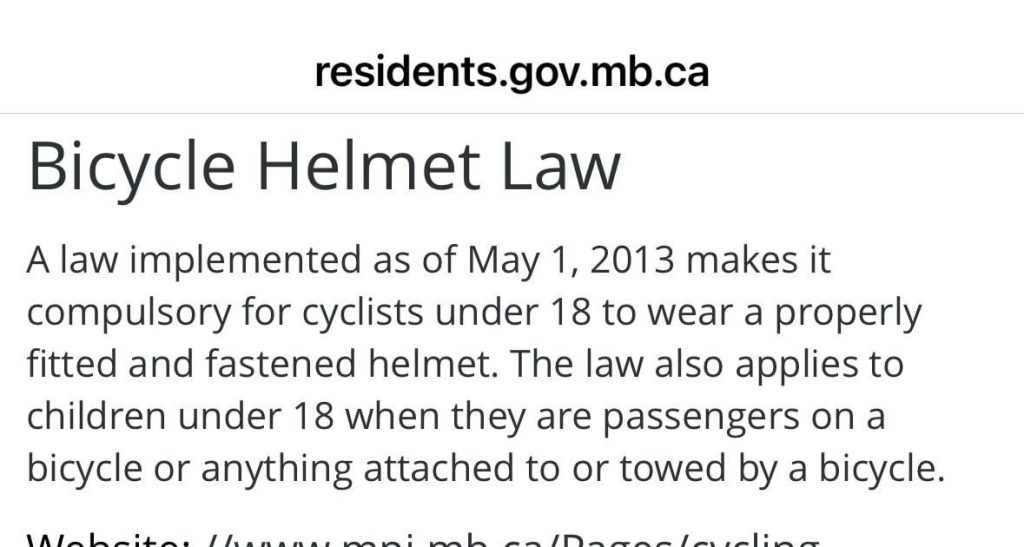
Are you wondering if it’s actually the law to wear a bike helmet? You’re not alone.
Many riders ask this question because the rules can be confusing and different depending on where you live. Whether you ride for fun, exercise, or commuting, knowing the helmet laws can protect you from fines—and more importantly, serious injury. Keep reading to find out what the law says about bike helmets and how it affects your safety every time you hit the road.
Credit: billbonebikelaw.com
Bike Helmet Laws
Wearing a bike helmet can protect your head during a fall or crash. Laws about helmets vary by location. It is important to know the rules where you ride.
Some places require helmets for all riders. Others only for children or certain age groups. Penalties exist for not following these laws.
Helmet Requirements By Region
Helmet laws differ across countries and states. Some regions make helmets mandatory for all cyclists. Others have no rules or only suggest wearing one.
| Region | Helmet Law |
|---|---|
| United States | Varies by state; many require helmets for minors |
| Canada | Mandatory for riders under 18 in most provinces |
| United Kingdom | No national law; helmets recommended |
| Australia | Helmet use required for all riders |
| European Union | Rules vary; some countries require helmets for children |
Age-based Helmet Rules
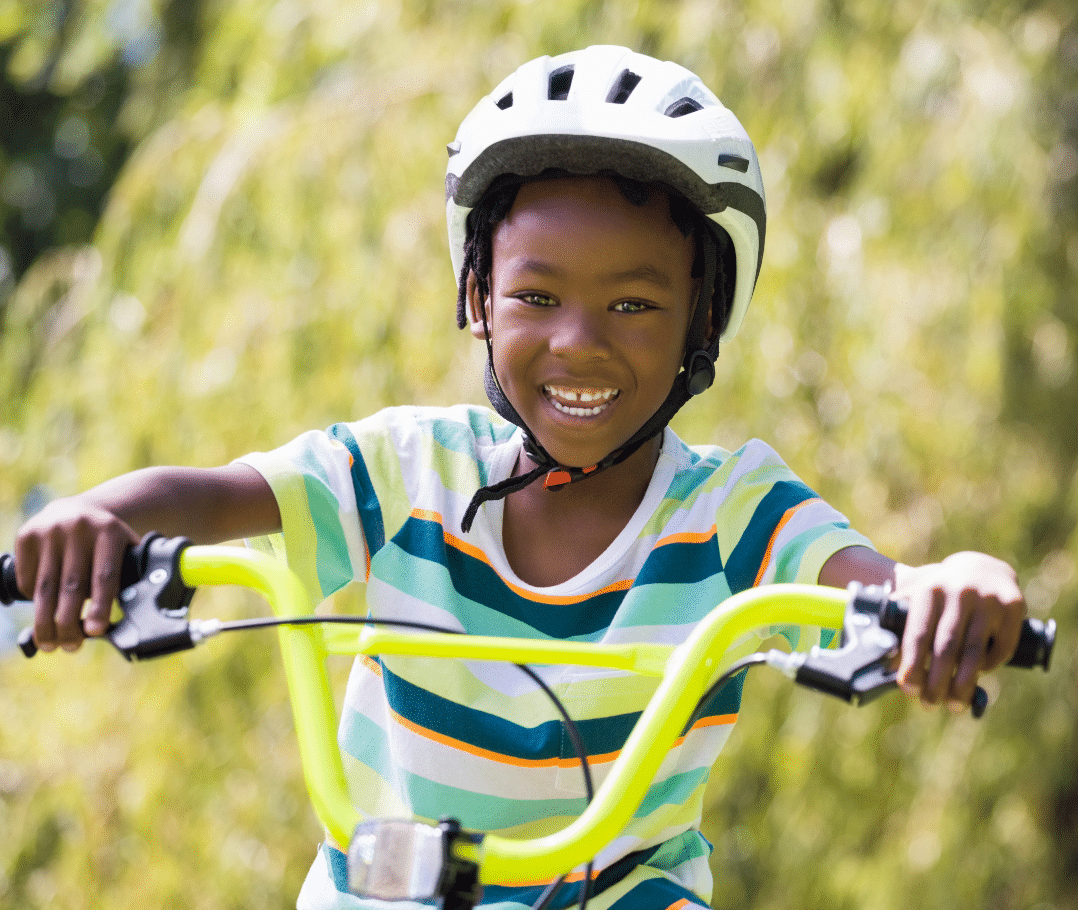
Many places have helmet laws based on age. Children often must wear helmets. Adults may have no legal requirement but are advised to wear one.
- Children under 12 usually must wear helmets
- Teens under 18 often must wear helmets
- Adults rarely have a legal helmet requirement
- Parents are encouraged to ensure kids wear helmets
Penalties For Non-compliance
Not wearing a helmet where required can lead to fines. Penalties vary by location. Some places also include warnings or education programs.
Common penalties include:
- Monetary fines ranging from $25 to $200
- Warnings from police or local authorities
- Mandatory safety courses for repeat offenders

Credit: www.bojatlaw.com
Safety Benefits Of Helmets
Wearing a bike helmet helps protect your head during accidents. Helmets are designed to reduce the risk of serious injuries.
This article explains how helmets provide impact protection, reduce head injuries, and shows some key statistics.
Impact Protection
Helmets absorb the force of a crash to protect your skull. They have a hard outer shell and soft inner padding.
The padding spreads out the impact and reduces the pressure on your head. This lowers the chance of fractures and cuts.
Reducing Head Injuries
Helmets reduce the risk of serious brain injuries and concussions. They protect the most vulnerable part of your body.
- Prevent skull fractures
- Lower risk of brain bleeding
- Reduce chances of long-term brain damage
- Protect against cuts and bruises on the head
Statistics On Helmet Effectiveness
| Helmet Use | Reduction in Head Injury Risk |
| Worn Properly | Up to 70% |
| No Helmet | Baseline Risk |
| Incorrect Use | Less Effective |
Studies show that helmets lower the chance of head injury by about 70%. Wearing one saves lives and prevents serious harm.
Choosing The Right Helmet
Wearing a bike helmet helps protect your head during a fall. Choosing the right helmet can keep you safe and comfortable.
There are many helmets to choose from. Pick one that fits well and meets safety rules.
Helmet Types And Features
Bike helmets come in several types for different uses. Each type has features that help protect your head.
- Road helmets:Lightweight with good airflow for long rides.
- Mountain bike helmets:Stronger with extra coverage and visors.
- Commuter helmets:Comfortable with reflectors and lights for city riding.
- Full-face helmets:Cover the whole head for high-speed or downhill biking.
Proper Fit And Comfort
A helmet must fit your head snugly without feeling tight. A loose helmet will not protect well.
Check the fit by adjusting straps and using pads. Make sure it sits level on your head and covers your forehead.
- Measure your head size before buying.
- Adjust the straps to form a “V” under your ears.
- Helmet should not move when you shake your head.
- Choose padding for extra comfort.
Certifications To Look For
Safety certifications show that a helmet meets set standards. Always choose helmets with these marks.
- CPSC:Required in the USA for bike helmets.
- EN 1078:European standard for bike helmets.
- ASTM F1447:Another safety standard for helmets.
- Snell B90/B95:Certification for high safety helmets.
Other Essential Bike Safety Rules
Wearing a bike helmet is important, but it is not the only rule to follow for safe biking. You must also use lights and reflectors, obey traffic signals, and maintain your bike well.
Following these rules helps you stay visible, avoid accidents, and keep your bike in good shape for smooth rides.
Using Lights And Reflectors
Lights and reflectors make you visible to drivers and other road users. Use them especially at night or in low-light conditions. Front white lights and rear red lights are common. Reflectors on pedals and wheels help too.
- Turn on front and rear lights after dark
- Use reflectors on your bike and clothing
- Check lights and reflectors regularly
- Replace broken or missing parts promptly
Obeying Traffic Signals
Bike riders must follow all traffic signals and signs. This keeps you and others safe on the road. Stop at red lights, yield when required, and use hand signals to show turns.
| Traffic Rule | What to Do |
|---|---|
| Red Light | Stop and wait |
| Green Light | Go if clear |
| Stop Sign | Come to full stop |
| Yield Sign | Slow down and give way |
| Turn Signal | Use hand signals before turning |
Maintaining Your Bike
Keep your bike in good condition to avoid accidents. Check brakes, tires, and chains often. Clean your bike to prevent rust and damage. Fix problems quickly.
- Check tire pressure before every ride
- Test brakes to ensure they stop well
- Keep the chain clean and lubricated
- Inspect the frame for cracks or dents
- Replace worn parts as needed
Encouraging Helmet Use
Wearing a bike helmet can protect your head from injury. Many communities work hard to promote helmet use. Understanding how to encourage wearing helmets helps keep riders safe.
People of all ages benefit from helmets. Safety starts with good habits and support from others.
Community Programs
Local groups run programs that teach about bike safety. They offer free helmets or discounts. These programs often include classes for kids and adults.
- Helmet fitting workshops
- Safety rides and group events
- Helmet giveaway days
- Partnerships with schools and clubs
Parental Guidance
Parents play a key role in helmet use. They should set a good example by always wearing helmets. Teaching children about safety makes a big difference.
| Tips for Parents | How It Helps |
|---|---|
| Always wear a helmet yourself | Shows children safety is important |
| Explain why helmets protect heads | Builds understanding and trust |
| Check helmet fit regularly | Ensures helmets work well |
| Encourage helmet use on every ride | Builds lasting safety habits |
Awareness Campaigns
Campaigns spread messages about helmet safety through many channels. They use signs, social media, and local events. This helps remind riders why helmets matter.
- Billboards near bike paths
- Social media posts with safety tips
- School presentations on bike safety
- Community challenges rewarding helmet use

Credit: www.bicycling.com
Frequently Asked Questions
Is It Legally Required To Wear A Bike Helmet Everywhere?
Bike helmet laws vary by location. Some states and countries mandate helmets for all riders. Others require them only for minors or specific areas. Check local regulations to know if wearing a helmet is legally required where you ride.
What Are The Penalties For Not Wearing A Bike Helmet?
Penalties depend on local laws. They can include fines or warnings, especially for minors. Adults may face fewer consequences. Always follow helmet laws to avoid penalties and ensure safety while cycling.
Do All Cyclists Have To Wear Helmets By Law?
Not all cyclists must wear helmets by law. Rules differ widely across regions. Many places only require helmets for children. Adults often have the option to choose. Verify local laws before cycling to stay compliant.
How Do Bike Helmet Laws Improve Rider Safety?
Helmet laws increase helmet use, reducing head injuries during accidents. They promote safer riding habits and raise public awareness. Studies show helmet laws effectively lower the risk of serious brain injuries in cyclists.
Conclusion
Wearing a bike helmet can save lives. Laws vary by location, so check local rules. Helmets provide essential protection during accidents. They help reduce head injuries significantly. Prioritize safety for all cyclists, young and old. A helmet is a small price for safety.
Protect yourself and others on the road. Remember, safety first, always. Riding responsibly helps everyone enjoy cycling. Stay informed and make smart choices. Helmets may not be law everywhere, but they are wise. Your safety matters.