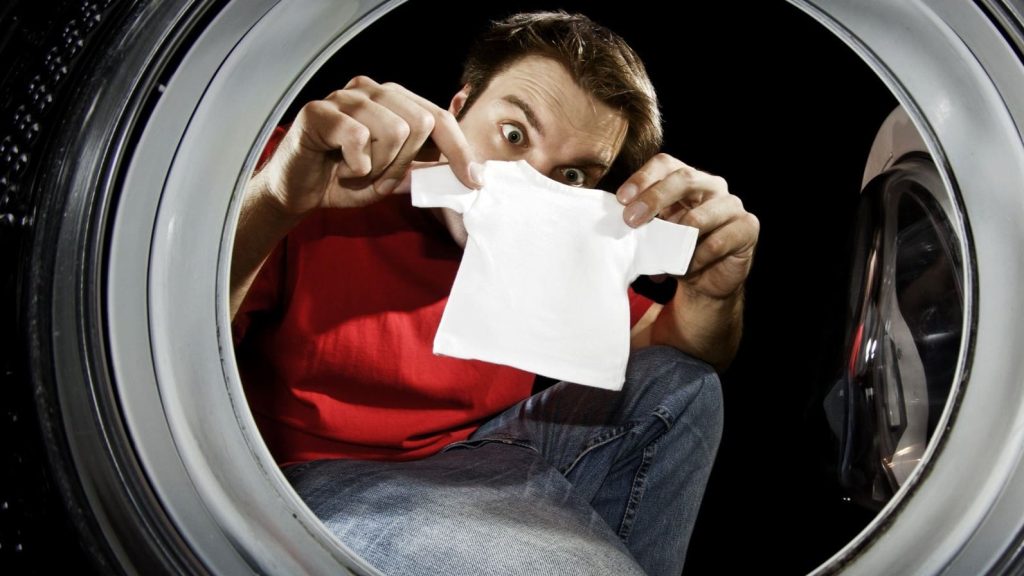
Have you ever pulled your favorite shirt out of the laundry only to find it’s suddenly too small? You’re not alone.
Many people wonder whether it’s the washer or the dryer that actually shrinks clothes. Understanding what really causes this frustrating problem can save your wardrobe and your money. You’ll discover the surprising truth behind shrinking clothes and learn simple tips to keep your clothes fitting just right.
Keep reading—you’ll want to know how to protect your favorite outfits from shrinking!
Credit: www.whirlpool.com
How Clothes Shrink
Clothes can get smaller after washing and drying. This is called shrinking. It happens when fabric fibers change size.
Shrinking depends on the type of fabric and how you wash or dry the clothes. Some fabrics shrink more than others.
Types Of Fabric And Shrinkage
Different fabrics react differently to washing and drying. Natural fibers like cotton shrink more than synthetic ones. Wool also shrinks easily if not handled carefully.
- Cotton:Shrinks a lot, especially if washed in hot water.
- Wool:Shrinks quickly with heat and agitation.
- Linen:Can shrink but less than cotton and wool.
- Polyester:Usually resists shrinking.
- Nylon:Rarely shrinks and keeps its shape well.
Factors Causing Shrinkage
Shrinkage happens because of heat, water, and movement. Hot water and high dryer heat cause fibers to pull together. Strong agitation in the washer can also shrink clothes.
- Heat:Hot water and dryer heat shrink fabric fibers.
- Water:Wet fibers swell and then shrink as they dry.
- Agitation:The washing machine’s movement tightens fibers.
- Fabric finish:Some fabrics are treated to resist shrinking.
Credit: www.whirlpool.ca
Role Of The Washer
Washing machines play a key part in how clothes keep their size. Some washers can make clothes smaller if not used properly.
The washer uses water, movement, and spinning to clean clothes. These actions can affect the fabric and cause shrinking.
Impact Of Water Temperature
Hot water can cause clothes to shrink more than cold water. Heat affects the fibers in many fabrics, making them tighten up.
Using cold water helps keep clothes at their original size. It is better for delicate fabrics and colors too.
- Hot water shrinks cotton and wool more
- Cold water prevents shrinking and fading
- Check clothing tags for water temperature advice
Effect Of Agitation And Spin Cycles
Agitation moves clothes around to clean them but can stretch or shrink fibers. Strong agitation can damage delicate fabrics.
Fast spin cycles remove water but can also tighten clothes. Gentle cycles reduce stress on fabric and lower shrink risk.
- High agitation may cause shrinkage in wool and cotton
- Gentle cycles protect clothes from shrinking
- Slow spin speeds keep clothes safer
Role Of The Dryer
The dryer plays a big part in shrinking clothes. It uses heat and tumbling to dry wet fabrics fast.
Some clothes shrink more in the dryer than in the washer. This is because heat affects fabric fibers differently.
Heat And Fabric Fibers
Heat from the dryer causes fibers to tighten and shrink. Natural fibers like cotton and wool shrink more easily.
Synthetic fibers such as polyester resist shrinking because heat does not affect them as much.
- Cotton: shrinks quickly with heat
- Wool: shrinks and felts with heat
- Polyester: resists shrinking
- Nylon: mostly shrink-resistant
Duration And Temperature Settings
Long drying times and high heat cause more shrinking. Shorter times and lower heat help keep clothes size.
Many dryers offer settings like low heat or air dry to reduce shrinking risks.
- High heat with long duration: more shrinkage
- Low heat with short duration: less shrinkage
- Air dry: no heat, no shrinkage
- Use fabric-specific settings for best care
Credit: en.liputan6.com
Comparing Washer Vs Dryer Shrinkage
Shrinking clothes is a common laundry problem. Many people wonder if washers or dryers cause more shrinkage.
This article compares shrinkage from washers and dryers to clear up confusion.
Common Misconceptions
Many believe washers shrink clothes because of water and agitation. Others blame dryers for heat damage. Both have some truth, but the real causes differ.
- Washers use water and movement, which can stretch or shrink fabric.
- Dryers use heat, which may cause fibers to tighten and shrink.
- People often think cold water stops shrinkage completely.
- Some believe using a low heat dryer setting prevents all shrinking.
Scientific Findings
Studies show that heat from dryers causes more shrinkage than washers do. Water and agitation alone cause little size change.
| Factor | Effect on Shrinkage |
| Washer Agitation | Minimal shrinkage, may stretch fabric |
| Water Temperature | Cold water reduces shrinkage |
| Dryer Heat | High heat causes significant shrinkage |
| Dryer Time | Long drying increases shrinkage |
Preventing Clothes From Shrinking
Clothes can shrink during washing or drying. Knowing how to prevent this helps keep your clothes looking good.
This guide shares easy ways to wash and dry clothes without shrinking them.
Best Washing Practices
Wash clothes using cold water to reduce shrinkage. Hot water can cause fibers to tighten and shrink.
- Use gentle or delicate wash cycles.
- Turn clothes inside out before washing.
- Avoid overcrowding the washing machine.
- Use mild detergent designed for delicate fabrics.
- Skip the pre-wash or soak cycle for sensitive clothes.
Drying Techniques To Avoid Shrinkage
Drying clothes with care helps keep their size. High heat can shrink many fabrics.
| Drying Method | Effect on Shrinkage |
| Air Drying | Least shrinkage, best for all fabrics |
| Low Heat Tumble Dry | Some shrinkage possible, safer than high heat |
| High Heat Tumble Dry | High risk of shrinking clothes |
When Shrinkage Is Irreversible
Shrinkage can occur during laundry, affecting your favorite clothes. Understanding when it is irreversible helps manage expectations.
Often, shrinkage happens due to high heat in the washer or dryer. Knowing the signs of permanent damage is important.
Identifying Permanent Damage
Recognizing the signs of irreversible shrinkage can save time and effort. Here are some indicators:
- The fabric feels tighter and less flexible.
- Seams appear puckered or misaligned.
- Garment does not regain shape after stretching.
Tips For Restoring Fabric Size
While some shrinkage is permanent, certain methods may help restore size to some extent. Consider these approaches:
1. Soak the garment in lukewarm water with baby shampoo.
2. Gently stretch the fabric while it is wet.
3. Air dry the garment flat on a towel.
| Method | Effectiveness |
| Soaking in water | Moderate |
| Professional steaming | High |
| Using a steamer | Low |
Frequently Asked Questions
Does The Washer Or Dryer Cause Clothes To Shrink?
The dryer usually causes clothes to shrink more than the washer. Heat from the dryer shrinks fabric fibers quickly. Washers may slightly shrink clothes if water is hot. Always check care labels to avoid shrinking.
How Does Heat Affect Clothes Shrinking?
Heat relaxes fabric fibers, causing them to contract and shrink. High dryer temperatures are the main cause. Washing in hot water can also contribute. Lower heat settings reduce the risk of shrinking clothes significantly.
Can Cold Water Prevent Clothes From Shrinking?
Yes, washing clothes in cold water helps prevent shrinking. Cold water preserves fabric fibers and color. It reduces stress on clothes compared to hot water. Use cold water for delicate or shrink-prone fabrics.
Is Tumble Drying Safe For All Fabrics?
No, tumble drying is not safe for all fabrics. Some fabrics like wool and cotton shrink easily in dryers. Always check garment labels for drying instructions. Air drying is safer for delicate and shrink-prone clothes.
Conclusion
Both washers and dryers can shrink clothes, but dryers cause most shrinking. Heat and tumbling in dryers make fibers tighten and shrink. Washers mainly use water and gentle agitation, so shrinking is less common. Choosing the right settings helps protect your clothes.
Cold water and low heat reduce shrinking risks. Always check care labels before washing or drying. Taking small steps keeps clothes fitting well longer. Shrinking is avoidable with careful laundry habits.