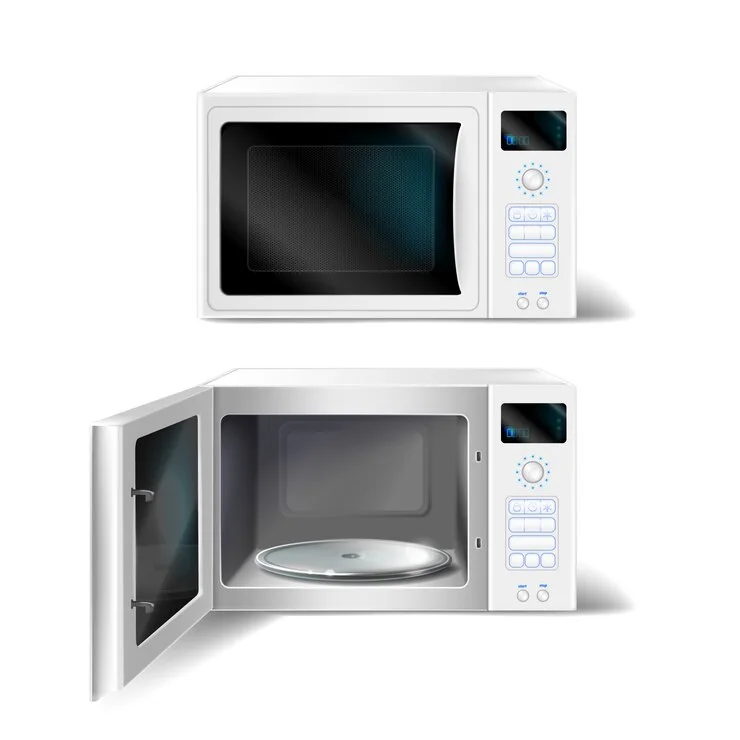
When your trusty microwave oven starts acting up, it can throw a wrench into your daily routine. You rely on it for quick meals, reheating leftovers, and even making popcorn for movie nights.
But when it starts misbehaving, you face a dilemma: should you repair it, or is it time to say goodbye and buy a new one? This decision can be overwhelming, especially when you consider costs, convenience, and environmental impact. We’ll guide you through the process of deciding whether repairing your microwave is the best choice for you.
We’ll dive into the key factors you need to consider, helping you to save money and make an informed decision. So, if you’re ready to unravel the mystery of your microwave’s future, keep reading. You might just find that the answer is simpler than you think.
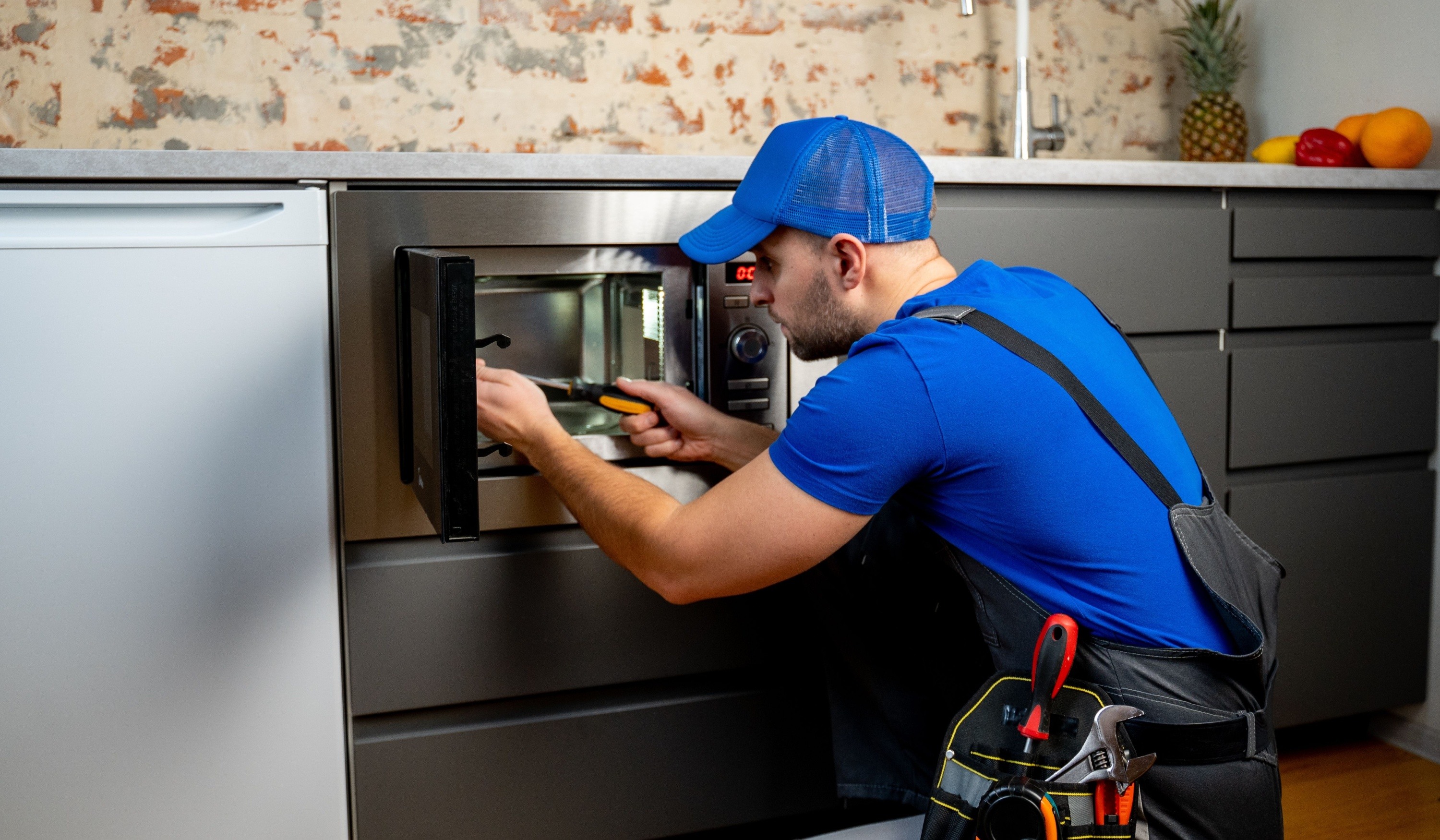
Credit: blog.puls.com
Common Microwave Issues
Microwaves often face common problems that affect their performance. Knowing these issues helps decide if repair is worth it. Some problems are simple to fix, while others might need costly parts or service.
Understanding common microwave issues saves time and money. It also helps keep the appliance safe and functional for longer.
Power And Heating Problems
Microwaves may stop heating or heat unevenly. This can happen due to a faulty magnetron or blown fuse. Sometimes, the power cord or outlet causes the issue. Testing these parts helps find the cause quickly.
Turntable Malfunctions
The turntable might not spin or moves slowly. This problem may come from a broken motor or worn gear. A stuck or misaligned turntable also affects cooking. Fixing or replacing these parts restores smooth rotation.
Door And Seal Damage
Door problems reduce microwave safety. Cracks, broken latches, or damaged seals cause leaks. This makes the microwave unsafe to use. Repairing or replacing the door and seals protects users and ensures proper operation.
Control Panel Failures
Control panels can stop responding or show errors. Buttons may stick or fail due to wear or moisture. Electronic board faults also cause control issues. Cleaning, repairing, or replacing the panel often solves the problem.
Factors Affecting Repair Decisions
Deciding whether to repair a microwave depends on several key factors. These elements help weigh the benefits of fixing the appliance against the cost and effort of buying a new one. Careful consideration ensures a smart and cost-effective choice.
Age Of The Microwave
The age of the microwave plays a big role in the repair decision. Older microwaves may have outdated parts that are hard to find. They also tend to break down more often after repair. Newer models usually last longer and have better technology.
Repair Cost Vs Replacement Cost
Compare the repair cost with the price of a new microwave. Repairing an expensive or simple problem can be worth it. But if the repair cost is close to buying new, replacement might be better. Consider how much you value keeping the current appliance.
Warranty And Service Availability
Check if the microwave is still under warranty. A valid warranty may cover repair costs, saving money. Also, verify if service centers or technicians are nearby. Easy access to repair services can make fixing the microwave less stressful.
Energy Efficiency Considerations
New microwaves often use less energy than old models. This can lower electricity bills over time. Repairing an inefficient microwave might not be worth it. Investing in an energy-efficient model can save money in the long run.
When Repairing Makes Sense
Repairing a microwave oven makes sense in certain cases. It saves money and reduces waste. Knowing when to fix or replace helps make smart choices. Focus on simple fixes that restore function quickly. Consider the cost and effort before deciding.
Minor Electrical Fixes
Small electrical issues often cause microwave problems. Problems like a blown fuse or loose wires can be fixed easily. These fixes do not need expensive tools or parts. A quick repair can bring the microwave back to life. Skilled homeowners or technicians can handle these tasks.
Simple Component Replacements
Replacing worn-out parts can extend the microwave’s life. Common parts include the door latch, control panel, or turntable motor. These parts are usually easy to replace. The repair is worth it when the microwave is still in good shape. It avoids the need to buy a new oven.
Availability Of Affordable Parts
Repairing is a good choice when parts are easy to find. Affordable parts lower the overall repair cost. Check online stores or local shops for replacement parts. Some brands offer parts at reasonable prices. When parts cost more than the microwave, repair is less practical.
When To Replace Instead
Deciding whether to repair or replace your microwave oven can be tricky. Sometimes, fixing it feels like the obvious choice. But there are clear signs when replacing your microwave is the smarter move.
Extensive Damage Or Multiple Issues
If your microwave has several problems at once, repairing each one can become a hassle. Imagine fixing the door latch, the turntable, and the magnetron separately—costly and time-consuming. At this point, replacing the whole unit often saves you stress and money in the long run.
High Repair Costs
Have you ever gotten a repair estimate that’s almost as much as a new microwave? That’s a red flag. When the repair bill approaches 50% or more of the price of a new model, it usually makes more sense to invest in a replacement.
Outdated Technology
Older microwaves might lack features that make cooking easier and safer today. If your microwave doesn’t have essential functions like sensor cooking or energy-saving modes, upgrading could improve your kitchen experience. Ask yourself: would a newer model save you time and energy?
Tips For Choosing A Repair Service
Choosing the right repair service can save time and money. A good service helps fix your microwave quickly and safely. Knowing what to check makes the decision easier. Focus on key factors that show trust and quality.
Certified Technicians
Choose a service with certified technicians. Certification proves they have proper training and skills. Experts understand microwave parts and safety rules. Certified techs reduce the chance of mistakes and damage.
Transparent Pricing
Clear pricing helps avoid surprises. A good repair service provides an upfront cost estimate. Ask about labor, parts, and extra fees. Transparent pricing builds trust and helps you plan expenses.
Customer Reviews
Read customer reviews for real opinions. Reviews show how others felt about the service. Look for comments on speed, quality, and professionalism. Positive reviews often mean reliable and friendly service.
Service Guarantees
Check if the repair service offers guarantees. Guarantees protect you from faulty repairs. They show the company’s confidence in their work. A solid guarantee means free fixes if problems return.
Diy Repair: Pros And Cons
Deciding to fix your microwave oven yourself can be tempting. It might save money and give you a sense of accomplishment. However, DIY repair has its ups and downs that you should carefully consider before diving in.
Safety Precautions
Microwaves contain high-voltage components that can be dangerous, even when unplugged. Always discharge the capacitor before starting any repair to avoid electric shock.
Wear insulated gloves and avoid touching any exposed wiring or metal parts inside. Work in a well-lit area and keep children and pets away from your workspace.
Tools Needed
- Multimeter – for testing electrical components
- Screwdrivers – both Phillips and flat-head
- Needle-nose pliers – to handle small parts
- Insulated gloves – for safety
- Replacement parts – specific to your microwave model
Having the right tools is crucial. Trying to repair without them can lead to more damage or injury.
When To Avoid Diy
If you notice a burning smell, smoke, or sparks, stop immediately. These signs indicate serious internal damage that requires a professional.
Complex issues like magnetron failure or control board problems often need specialized knowledge and equipment. Attempting repairs beyond your skill level might worsen the problem or void your warranty.
Ask yourself: Do you fully understand the repair process? If not, it’s safer and often more cost-effective to consult an expert.
Maintaining Your Microwave For Longevity
Keeping your microwave in top shape can save you money and hassle over time. Simple maintenance habits can extend its life, so you get the most value before thinking about repairs or replacement. How often do you think about the care your microwave needs?
Regular Cleaning Tips
Cleaning your microwave regularly prevents food buildup that can cause odors or even damage. Wipe the interior with a damp cloth and mild detergent after every few uses. Avoid harsh chemicals that might harm the microwave’s surface.
Don’t forget to clean the turntable and door seals too. A clean microwave runs more efficiently and reduces the risk of sparks or fires.
Avoiding Common Misuses
Using metal containers or foil inside the microwave can cause sparks and damage. Have you ever accidentally placed a spoon in your microwave? It’s a quick way to ruin the appliance.
Also, avoid running the microwave empty. This can cause the magnetron to overheat and fail. Treat your microwave gently, and it will last longer.
Proper Usage Guidelines
Follow the manufacturer’s instructions for power levels and cooking times. Overheating or running the microwave too long can break internal parts.
Use microwave-safe containers to prevent melting or chemical leaching. Adjust cooking times based on the food’s density and quantity to avoid unnecessary strain on the appliance.
What small change can you make today to protect your microwave’s lifespan?

Credit: vancouverapplianceservice.ca

Credit: www.reddit.com
Frequently Asked Questions
Is Repairing A Microwave Oven Cost-effective?
Repairing a microwave is cost-effective if the repair cost is less than half of a new unit. Minor fixes like replacing fuses or door switches are usually affordable. For expensive repairs, buying a new microwave might be better.
How Long Does Microwave Repair Usually Take?
Microwave repair typically takes 1 to 3 business days. Simple fixes can be done the same day. More complex issues may require ordering parts, extending repair time. Always check with your service provider for accurate timing.
When Should I Replace Instead Of Repair My Microwave?
Replace your microwave if repair costs exceed 50% of a new unit’s price. Also, consider replacement for older models over 7-10 years. Frequent breakdowns or safety concerns are other reasons to buy a new microwave.
What Are Common Microwave Problems Worth Repairing?
Common repairable issues include faulty door switches, blown fuses, magnetron failure, and control panel errors. These problems are often fixed without full replacement. Diagnosing the exact issue helps decide if repair is viable.
Conclusion
Repairing a microwave can save money and reduce waste. Check the repair cost against buying a new one. Small fixes often make your microwave work like new. Safety matters, so avoid repairs beyond your skill. Think about how old your microwave is.
Sometimes, a new microwave is a better choice. Weigh the pros and cons before deciding. This helps you make the best choice for your needs.