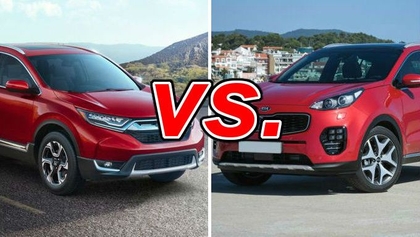
Are you wondering if Kia is better than Honda? Choosing the right car brand can be confusing, especially when both offer great models.
You want a vehicle that fits your needs, feels reliable, and gives you the best value for your money. What if you could find out which brand truly stands out? Keep reading, and you’ll discover key differences that could make your decision much easier.
By the end, you’ll know exactly which brand suits your lifestyle and budget better. Let’s dive in and clear up the confusion once and for all.
Kia And Honda Brand Reputation
When considering whether Kia or Honda is the better choice, their brand reputation plays a crucial role in influencing your decision. Both companies have built strong names in the automotive industry, but they each bring unique strengths to the table. Understanding their history and customer satisfaction can help you decide which aligns more closely with your needs.
History And Market Presence
Honda has a long-standing presence in the global automotive market, with roots dating back to 1948. Known for reliability and innovation, Honda has consistently delivered vehicles that withstand the test of time. Its strong market presence is evident with models like the Civic and Accord, which have become household names.
On the other hand, Kia, though younger, has rapidly gained traction since its inception in 1944. Originally a bicycle manufacturer, Kia has transformed into a formidable player in the auto industry, particularly in the last two decades. Its rise is marked by stylish designs and competitive pricing, appealing to a broad audience looking for value.
Customer Satisfaction Ratings
Customer satisfaction is a key indicator of how well a brand meets consumer expectations. Honda consistently scores high in consumer reports, often praised for its vehicle longevity and fuel efficiency. Many Honda owners report a sense of loyalty due to the brand’s dependable nature.
Kia has made significant strides in this area, winning numerous awards for quality and customer satisfaction. The brand’s commitment to improvement is reflected in its industry-leading warranty program, which offers peace of mind to new buyers. This emphasis on customer care has helped Kia build a strong reputation in a relatively short time.
So, which brand aligns with your expectations for reliability and satisfaction? While Honda’s legacy is undeniable, Kia’s innovative approach and customer-focused strategies are equally compelling. Both brands offer unique advantages that cater to different preferences and priorities.

Credit: www.youtube.com
Design And Styling Comparison
The design and styling of a car greatly influence its appeal and driving experience. Kia and Honda each bring unique qualities to their vehicles. This section explores how these two brands compare in design and styling.
Exterior Appeal
Kia models often feature bold, modern designs with sharp lines. Their front grilles stand out and give a strong presence on the road. Kia uses sleek headlights and sporty accents to enhance style.
Honda tends to focus on clean, classic looks. Their designs are simple but elegant, with smooth curves. Honda’s cars often have a balanced and timeless appearance.
Both brands offer various color options and trims to suit different tastes. Kia leans more toward flashy, eye-catching styles, while Honda keeps a subtle and refined look.
Interior Comfort And Features
Kia’s interiors are modern and packed with technology. Touchscreens, smart connectivity, and quality materials are common. Seats are designed for comfort during long drives.
Honda interiors focus on practicality and ease of use. Controls are intuitive and layouts are user-friendly. The cabins feel spacious and well-built.
Both brands provide good legroom and storage space. Kia may offer more high-tech features in lower trims, while Honda emphasizes reliability and comfort.
Performance And Engine Options
Performance and engine options play a crucial role when deciding between Kia and Honda. Both brands offer a variety of engines designed to meet different driving needs and preferences. Understanding their fuel efficiency, power, and handling characteristics can help you make a more informed choice for your next vehicle.
Fuel Efficiency
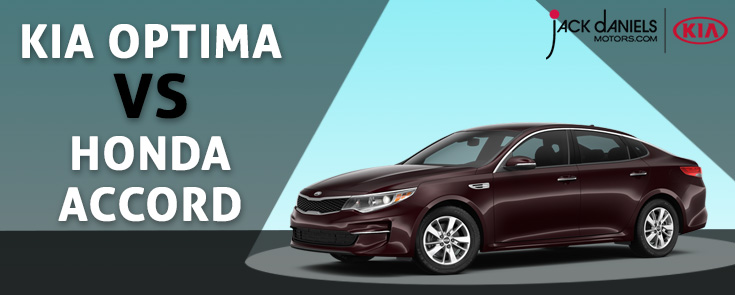
Kia has made significant strides in improving fuel economy across its lineup. Many Kia models, such as the Forte and Soul, deliver competitive miles per gallon ratings that appeal to budget-conscious drivers.
Honda, however, has long been known for its efficient engines, especially in models like the Civic and Accord. Their hybrid options push fuel efficiency even further, often surpassing Kia’s numbers in city driving.
Are you looking for a car that maximizes every drop of fuel or one that balances efficiency with other features? Your daily commute and driving style will heavily influence which brand suits you better.
Power And Handling
Kia’s engines offer a lively and engaging driving experience, especially with turbocharged options found in models like the K5 and Stinger. These vehicles provide quick acceleration and responsive steering that many drivers enjoy.
Honda vehicles often emphasize smooth and predictable handling. Their naturally aspirated and turbocharged engines deliver solid power without sacrificing control, making them reliable for both city and highway driving.
Think about what matters most to you—do you prefer a sporty feel with sharp handling, or a more balanced ride that prioritizes comfort and consistency? Test-driving models from both brands can reveal which driving dynamics feel right for your everyday needs.
Credit: www.jackdanielskia.com
Safety Features And Ratings
Safety is a top priority when choosing between Kia and Honda. Both brands invest heavily in protecting you on the road, but their approaches and results can vary. Let’s look closely at what each offers in safety features and how they perform in crash tests to help you decide which aligns better with your needs.
Standard Safety Technologies
Kia often includes a robust set of safety features as standard, even on its base models. You typically get:
- Forward Collision Warningwith automatic emergency braking
- Lane Keeping Assistto help prevent unintentional drifting
- Driver Attention Warningthat alerts you if it detects fatigue
- Blind Spot Monitoringfor safer lane changes
Honda also offers these features standard but tends to focus on its Honda Sensing suite, which includes:
- Adaptive Cruise Controlthat adjusts speed based on traffic
- Collision Mitigation Braking Systemfor emergency stops
- Road Departure Mitigationto keep you on track
- Traffic Sign Recognitionto keep you aware of speed limits and signs
Think about which features matter most to your daily driving. Do you want comprehensive alerts or more hands-on assistance? Your choice can affect both safety and convenience.
Crash Test Results
Crash ratings provide real-world insights into how well a vehicle protects its occupants. The Insurance Institute for Highway Safety (IIHS) and the National Highway Traffic Safety Administration (NHTSA) are the go-to sources for these scores.
| Brand | IIHS Top Safety Pick | NHTSA Overall Rating |
|---|---|---|
| Kia (e.g., Kia Sorento) | Top Safety Pick+ | 5 stars |
| Honda (e.g., Honda CR-V) | Top Safety Pick | 5 stars |
Both brands score highly, but Kia’s recent models often edge out slightly with more advanced crash avoidance systems. Have you checked how your current car fares in these tests? It might surprise you how much safety technology has improved.
Choosing between Kia and Honda on safety grounds means weighing the value of standard features against crash test performance. Which side feels more reassuring to you when you hit the road?
Technology And Infotainment
Technology and infotainment play key roles in modern vehicles. They enhance driving comfort and keep passengers entertained. Both Kia and Honda offer strong tech features, but their approaches differ. Exploring connectivity and user interface shows how each brand meets driver needs.
Connectivity Options
Kia provides wide connectivity with Apple CarPlay, Android Auto, and Bluetooth. Many models include wireless options for easier phone connection. USB ports are plentiful for charging and data transfer. Some Kia vehicles offer built-in Wi-Fi hotspots for internet on the go.
Honda also supports Apple CarPlay and Android Auto, but mostly with wired connections. Bluetooth is standard for hands-free calls and audio streaming. Honda models come with several USB ports, but fewer wireless features than Kia. Wi-Fi hotspots are available in higher trims or packages.
Both brands focus on keeping phones connected and passengers entertained. Kia leans more toward wireless convenience. Honda sticks to tried-and-true wired connections with reliable performance.
User Interface And Experience
Kia’s infotainment system uses large touchscreens with clear graphics. Menus are straightforward, making controls easy to find. Physical knobs and buttons complement touch controls for quick adjustments. Voice commands work well for navigation and media control.
Honda’s interface is clean but more minimalistic. Screens are smaller, focusing on simplicity. Some users may find Honda’s menu structure less intuitive. Physical controls are fewer, relying more on touchscreen input. Voice recognition in Honda is improving but still behind Kia.
Kia aims for a modern, user-friendly experience. Honda prioritizes simplicity but may feel less advanced. Drivers who want easy access and quick control might prefer Kia’s system.

Credit: www.youtube.com
Reliability And Maintenance
Reliability and maintenance are key factors when choosing between Kia and Honda. Both brands aim to build vehicles that last long and need less repair. Understanding their warranty coverage and maintenance costs helps buyers make smart decisions.
Warranty Coverage
Kia offers one of the best warranties in the market. It includes:
- 10 years or 100,000 miles powertrain warranty
- 5 years or 60,000 miles basic warranty
- 5 years or 60,000 miles roadside assistance
Honda’s warranty is solid but shorter:
- 5 years or 60,000 miles powertrain warranty
- 3 years or 36,000 miles basic warranty
- 5 years or 60,000 miles roadside assistance
Kia’s longer warranty gives more peace of mind for repairs and parts. It shows confidence in their vehicle’s reliability.
Long-term Maintenance Costs
Both Kia and Honda have reasonable maintenance costs. Still, Kia is often cheaper in the first few years. Routine services like oil changes and brake checks cost less at Kia dealerships. Honda parts may cost more due to brand reputation and demand.
For long-term ownership, Honda’s vehicles are known for durability. They may need fewer major repairs after 100,000 miles. Kia’s newer models are improving fast but might require some repairs earlier.
Choosing Kia means saving on early maintenance. Honda may save money on fewer repairs later. Both brands offer reliable vehicles, but costs depend on model and driving habits.
Pricing And Value For Money
Choosing between Kia and Honda often boils down to how much value you get for your money. Pricing and value for money are crucial factors that influence your buying decision. Let’s break down how these two brands stack up in terms of initial cost and long-term worth.
Base Price Comparison
Kia generally offers a lower starting price compared to Honda for similar models. For example, the Kia Forte’s base model starts several thousand dollars less than the Honda Civic’s entry-level trim. This lower cost can free up your budget for added features or better financing options.
However, Honda tends to include more standard safety and tech features at the base level. So, while Kia’s price tag looks attractive upfront, you might spend extra to add those must-have features. Have you considered what features you truly need right away versus what can wait?
Resale Value And Depreciation
Honda vehicles usually hold their value better over time. They experience slower depreciation, which means you can expect a higher resale price if you decide to sell or trade in your car. This factor alone can make Honda a smarter financial choice in the long run.
Kia’s warranty is one of the best in the industry, which adds peace of mind but doesn’t fully offset faster depreciation. If you plan to keep your car for many years, depreciation might matter less. But if you like changing cars every few years, resale value should weigh heavily in your decision.
Model Lineup And Variety
Model lineup and variety shape a brand’s appeal. Kia and Honda both offer strong options. Each has unique strengths. Variety means more choices for different needs and budgets. This section explores their sedans, SUVs, and eco-friendly vehicles. It helps decide which brand fits better.
Sedans And Suvs
Kia’s sedans include the Forte and the K5. Both provide good value and modern features. The K5 stands out with sharp design and advanced tech. Honda offers the Civic and Accord, known for reliability and strong resale. The Accord is roomy and comfortable.
For SUVs, Kia has the Seltos, Sportage, and Sorento. These models cover small to midsize needs. Kia SUVs often feel stylish and well-equipped. Honda’s SUV lineup includes the CR-V, HR-V, and Passport. The CR-V is a top-seller with spacious interiors and smooth ride.
Hybrid And Electric Options
Kia pushes into hybrids and electric cars. The Niro is a popular hybrid and plug-in hybrid. The EV6 is Kia’s fully electric SUV with fast charging and good range. These options appeal to eco-conscious buyers.
Honda offers the Insight hybrid sedan and the CR-V Hybrid. The Honda Clarity was a notable plug-in hybrid but is now discontinued. Honda plans more electric models soon. Currently, Kia leads in electric variety and technology.
Customer Reviews And Expert Opinions
Customer reviews and expert opinions provide valuable insights into the real-world performance of Kia and Honda vehicles. They reveal how owners feel about their cars and how industry experts rate each brand. This feedback helps buyers make informed decisions.
Owner Feedback
Kia owners often praise the brand for its value and modern features. Many highlight the attractive design and user-friendly technology. The warranty coverage also receives positive remarks. Some owners mention occasional issues with long-term reliability.
Honda owners frequently appreciate the brand’s reputation for reliability. They note strong fuel efficiency and comfortable rides. Owners report fewer mechanical problems over time. Some express concerns about higher repair costs compared to Kia.
- Kia:Affordable, stylish, good warranty, mixed reliability reviews.
- Honda:Reliable, fuel-efficient, comfortable, repair costs can be higher.
Industry Expert Ratings
Experts often rank Honda highly for its consistent performance and resale value. The brand scores well in safety and reliability tests. Honda’s engines are praised for efficiency and durability.
Kia scores strongly in design and technology innovation. Experts acknowledge improvements in build quality over recent years. Safety ratings for Kia models have improved significantly.
| Aspect | Kia | Honda |
|---|---|---|
| Reliability | Good, improving | Excellent, consistent |
| Safety | High ratings, recent gains | Top scores, long history |
| Technology | Advanced, modern features | Reliable, less flashy |
| Resale Value | Moderate | Strong |
Frequently Asked Questions
Is Kia More Reliable Than Honda?
Kia has improved its reliability significantly, often matching Honda’s reputation. Both brands offer dependable vehicles, but Honda slightly leads in long-term durability.
Which Brand Offers Better Resale Value, Kia Or Honda?
Honda generally has a higher resale value due to its strong market demand. Kia’s resale value is improving but still trails behind Honda in most segments.
Are Kia Vehicles More Affordable Than Honda?
Yes, Kia vehicles usually have a lower starting price. They offer great features for the price, making them a cost-effective option compared to Honda.
How Do Kia And Honda Compare In Fuel Efficiency?
Honda models typically offer better fuel efficiency across most categories. Kia is competitive but may have slightly lower MPG in some models.
Conclusion
Choosing between Kia and Honda depends on what matters most to you. Kia offers great value and strong warranties. Honda is known for reliability and resale value. Both brands have good safety features and fuel efficiency. Think about your budget and preferences.
Test driving both can help you decide. Either way, you get a good car. Your choice should fit your needs and lifestyle. Simple as that.