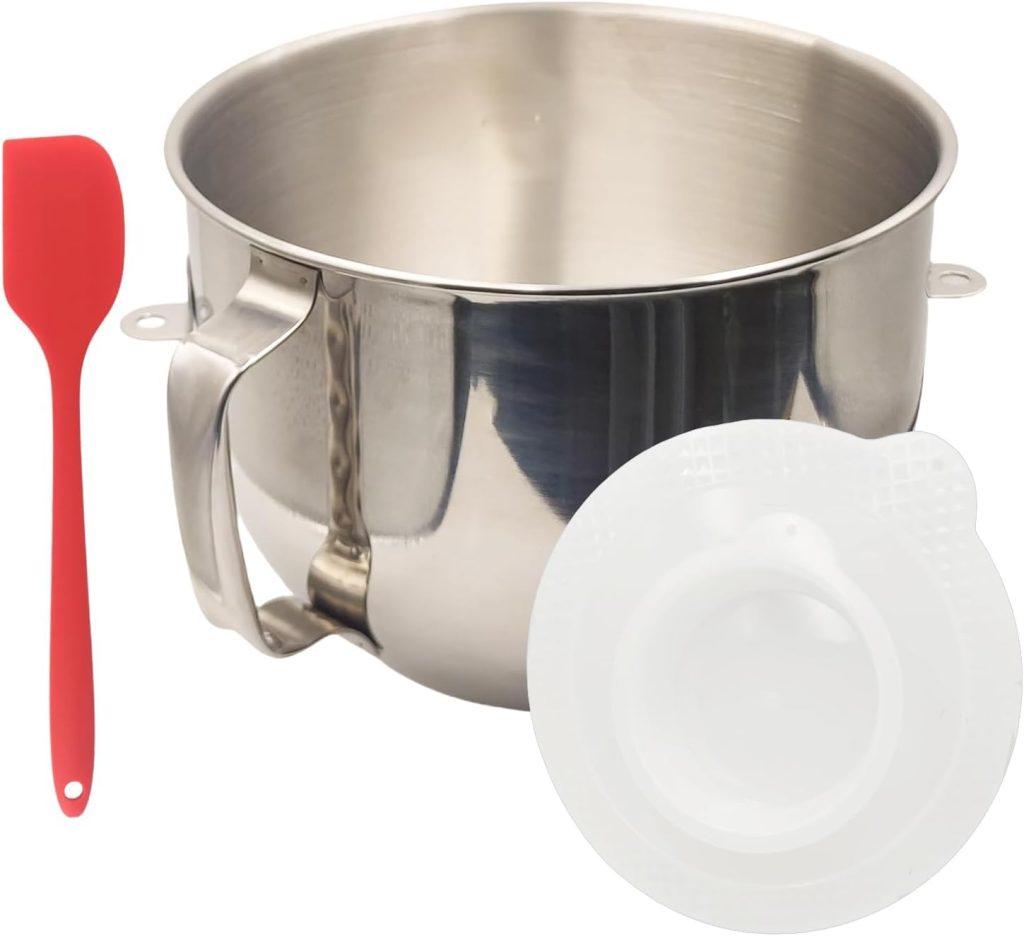
If you love baking or cooking with your KitchenAid mixer, you probably wonder how to clean it without causing damage. One big question many users ask is, “Is the KitchenAid mixing bowl dishwasher safe?”
You want to save time and effort, but you also want to keep your bowl looking and working like new. You’ll discover the truth about cleaning your KitchenAid mixing bowl, so you can make the best choice for your kitchen routine.
Keep reading to find out the simple steps that protect your investment and make cleanup easier than ever.
Kitchenaid Mixing Bowl Materials
Kitchenaid mixing bowls come in different materials. Each type has its own use and care tips. Knowing the material helps with cleaning and maintenance.
This guide covers stainless steel, glass, and ceramic bowls. Learn what makes each material unique and dishwasher safe.
Stainless Steel Bowls
Stainless steel bowls are strong and durable. They do not stain or retain odors. These bowls handle heavy mixing tasks well.
- Dishwasher safe and easy to clean
- Resist rust and corrosion
- Lightweight compared to glass or ceramic
- Do not break if dropped
Glass Bowls
Glass bowls look clear and allow you to see the mixing progress. They are non-reactive, so no flavors change. These bowls are heavier than stainless steel.
| Feature | Details |
| Dishwasher Safe | Yes, but avoid sudden temperature changes |
| Durability | Can chip or break if dropped |
| Weight | Heavier than stainless steel |
| Appearance | Clear and stylish |
Ceramic Bowls
Ceramic bowls provide a classic look. They hold heat well and work for both mixing and serving. These bowls need careful handling.
Care tips for ceramic bowls:
- Hand wash recommended to avoid cracks
- Avoid sudden temperature changes
- Check manufacturer guidelines for dishwasher use

Credit: therestaurantwarehouse.com
Dishwasher Safety For Each Material
KitchenAid mixing bowls come in different materials. Each type needs special care in the dishwasher. Some bowls are safe, while others need hand washing.
Knowing how to clean each bowl type keeps them in good shape. It also helps avoid damage or wear over time.
Stainless Steel Care
Stainless steel bowls are very durable. Most KitchenAid stainless steel bowls are dishwasher safe. You can place them on the top rack for best results.
Avoid harsh detergents that can dull the finish. Also, dry the bowls quickly after washing to prevent water spots.
- Use mild dishwasher detergent
- Place on the top rack
- Dry soon after washing
- Do not use bleach or strong chemicals
Glass Bowl Cleaning
Glass bowls can usually go in the dishwasher. KitchenAid glass bowls handle dishwasher heat well. Place them safely to avoid bumps or scratches.
Use a gentle cycle to protect the glass. Avoid overcrowding so water flows freely around each bowl.
- Use gentle dishwasher cycle
- Place in a secure spot
- Avoid overcrowding the dishwasher
- Check for chips before washing
Handling Ceramic Bowls
Ceramic bowls need extra care. Some KitchenAid ceramic bowls are dishwasher safe, but many are not. Check the label before using the dishwasher.
Hand washing is safer for ceramic bowls. Use warm water and mild soap. Dry them gently with a soft cloth.
- Check if dishwasher safe on label
- Hand wash if unsure
- Use mild soap and warm water
- Dry with a soft cloth
Common Dishwasher Risks
Many people wonder if a KitchenAid mixing bowl is safe for the dishwasher. Using the dishwasher can save time. But it can also cause some problems.
This article explains common risks when cleaning mixing bowls in dishwashers. Knowing these helps you keep your bowl in good shape.
Heat Damage
Dishwashers use very hot water and drying heat. This can cause damage to some mixing bowls. Heat may warp or discolor certain materials.
Plastic bowls are more likely to get damaged by heat. Metal bowls usually handle heat better but can still change color or finish.
Detergent Effects
Dishwasher detergents are strong to clean tough stains. These detergents can wear down the bowl’s surface over time. This can make bowls look dull or scratched.
Some mixing bowls have special coatings. These coatings can break down if exposed to harsh detergents often.
Physical Impact
Dishwashers use jets of water that can move items inside. Mixing bowls can bump into other dishes or the dishwasher walls. This can cause chips or cracks.
Stacking bowls with other heavy items can increase the risk of damage. Always place bowls carefully to avoid physical impact.
Manual Cleaning Tips
KitchenAid mixing bowls can be cleaned by hand safely. Washing by hand helps keep the bowl in good shape.
Cleaning the bowl manually is easy with the right steps. These tips help you clean well without damage.
Best Cleaning Practices
Use warm water and mild dish soap to clean the bowl. Avoid harsh cleaners that can scratch the surface.
Use a soft sponge or cloth to wash the bowl. Do not use steel wool or abrasive pads.
- Rinse the bowl with warm water before washing
- Apply mild dish soap on a soft sponge
- Gently scrub the inside and outside surfaces
- Rinse thoroughly with clean water
- Dry immediately after washing
Removing Stains And Odors
Stains and odors can happen after mixing certain foods. Use natural cleaning agents to remove them.
Baking soda and vinegar work well to clean stains and odors. They are safe and easy to use.
- Sprinkle baking soda on the stained area
- Add a little vinegar to create fizzing
- Let it sit for 15 minutes
- Scrub gently with a soft sponge
- Rinse well with warm water
- Dry the bowl completely
Drying And Storage
Dry the mixing bowl right after washing to avoid water spots. Use a clean towel or air dry it.
Store the bowl in a dry place. Keep it away from direct sunlight and heat to protect its finish.
- Use a soft cloth to dry the bowl immediately
- Place the bowl upside down to air dry if preferred
- Store in a kitchen cabinet or shelf
- Keep away from strong sunlight and heat sources
Maintaining Bowl Longevity
Keeping your KitchenAid mixing bowl in good condition helps it last longer. Proper care avoids damage and wear.
Learn simple tips to protect your bowl from scratches, use it correctly, and check it regularly.
Avoiding Scratches
Scratches can make the bowl look old and affect its performance. Handle the bowl carefully to keep it smooth.
- Use only soft sponges or cloths for cleaning.
- Avoid metal utensils inside the bowl.
- Do not stack heavy items on top of the bowl.
- Store the bowl separately to prevent rubbing against other cookware.
Proper Usage Guidelines
Using the bowl correctly helps avoid cracks or stains. Follow these simple rules to keep it safe.
| Do | Don’t |
| Use the bowl for mixing ingredients only | Use it for heating or cooking |
| Clean with mild dish soap | Use harsh chemicals or abrasive cleaners |
| Dry the bowl after washing | Leave it wet or soak for long periods |
Regular Inspection
Checking your bowl often helps spot damage early. This keeps it safe to use and extends its life.
Look for these signs:
- Cracks or chips on the surface
- Loose or damaged attachments
- Discoloration or stains that do not wash off
If you find any issues, stop using the bowl until you fix or replace it.

Credit: www.amazon.ca
When To Replace Your Bowl
Your KitchenAid mixing bowl is built to last. Still, it can wear out over time.
Knowing when to replace your bowl helps keep your kitchen safe and efficient.
Signs Of Wear
Check your mixing bowl for scratches, cracks, or dents. These signs mean it may be time to replace it.
Wear can affect the bowl’s performance and safety when mixing ingredients.
- Visible cracks or deep scratches
- Chipped edges or dents
- Discoloration or stains that don’t clean
- Loose or damaged handles
Safety Concerns
Damaged bowls can cause injury or food contamination. Replace the bowl if it poses a safety risk.
Old bowls may also lose their dishwasher-safe quality, which risks further damage.
- Sharp edges from cracks can cut your hands
- Cracks harbor bacteria that affect food safety
- Dented bowls may not fit well on the mixer
- Compromised materials can break during use
Upgrading Options
Replacing your bowl is a chance to choose a better size or material that fits your needs.
KitchenAid offers bowls in stainless steel, glass, and ceramic. Each has benefits for different tasks.
- Stainless steel bowls are durable and dishwasher safe
- Glass bowls let you see your mixing progress
- Ceramic bowls look stylish and retain temperature
- Choose bowl sizes from small to extra large

Credit: www.amazon.ca
Frequently Asked Questions
Are Kitchenaid Mixing Bowls Dishwasher Safe?
Yes, most KitchenAid mixing bowls are dishwasher safe. However, always check the manufacturer’s instructions. Some bowls may have special care requirements, especially if they have unique finishes or materials. Using a dishwasher can save time, but ensuring your bowls’ longevity is crucial.
Hand washing is recommended for delicate finishes.
Can I Wash Kitchenaid Glass Bowls In Dishwasher?
KitchenAid glass bowls are generally dishwasher safe. However, it’s best to place them on the top rack. This reduces the risk of damage from high water pressure. Always refer to the care instructions provided by KitchenAid. Proper care ensures the bowl remains in great condition for longer.
Are Kitchenaid Stainless Steel Bowls Dishwasher Safe?
Yes, KitchenAid stainless steel bowls are typically dishwasher safe. They are durable and withstand high temperatures. Placing them in the dishwasher helps maintain their shine and cleanliness. Always ensure they are correctly positioned to avoid dents. Refer to the user manual for any specific washing instructions.
Do Plastic Kitchenaid Bowls Withstand Dishwasher Cycles?
Most KitchenAid plastic bowls are dishwasher safe, but use the top rack. This prevents warping from high heat. Always consult the product guide for specific care instructions. For longevity, avoid harsh detergents. Hand washing is an alternative to maintain their appearance.
Proper care extends the life of your bowl.
Conclusion
Kitchenaid mixing bowls are mostly dishwasher safe. Always check the specific bowl’s material before washing. Stainless steel bowls handle dishwashers well. Some glass or ceramic bowls may need hand washing. Proper care keeps your bowl in good shape. Avoid harsh detergents to protect the finish.
Cleaning your bowl correctly saves time and effort. Take a moment to read the care instructions. This helps your bowl last for many years. Simple care makes your kitchen tasks easier. Trust your bowl to work well every day.