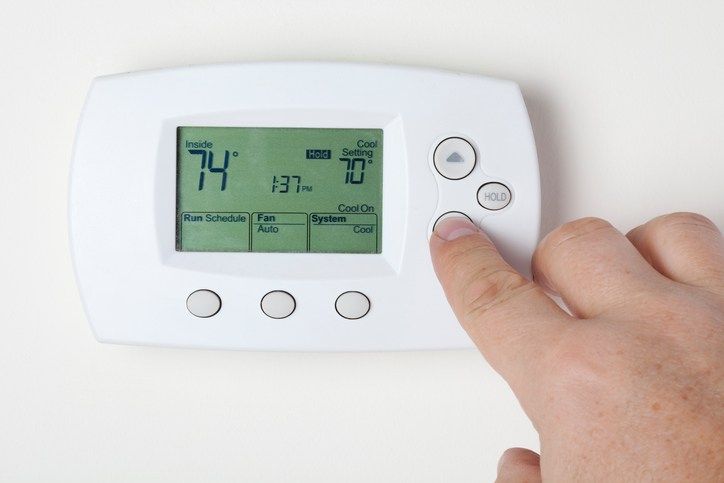
Are you wondering who should fix the air conditioner when it breaks down? If you’re renting, this question can quickly become stressful, especially during hot days.
Knowing whether your landlord is responsible for repairing or replacing the AC can save you time, money, and frustration. You’ll discover the key facts about landlord responsibilities when it comes to air conditioning. Keep reading to find out exactly what you need to know to protect your comfort and your wallet.
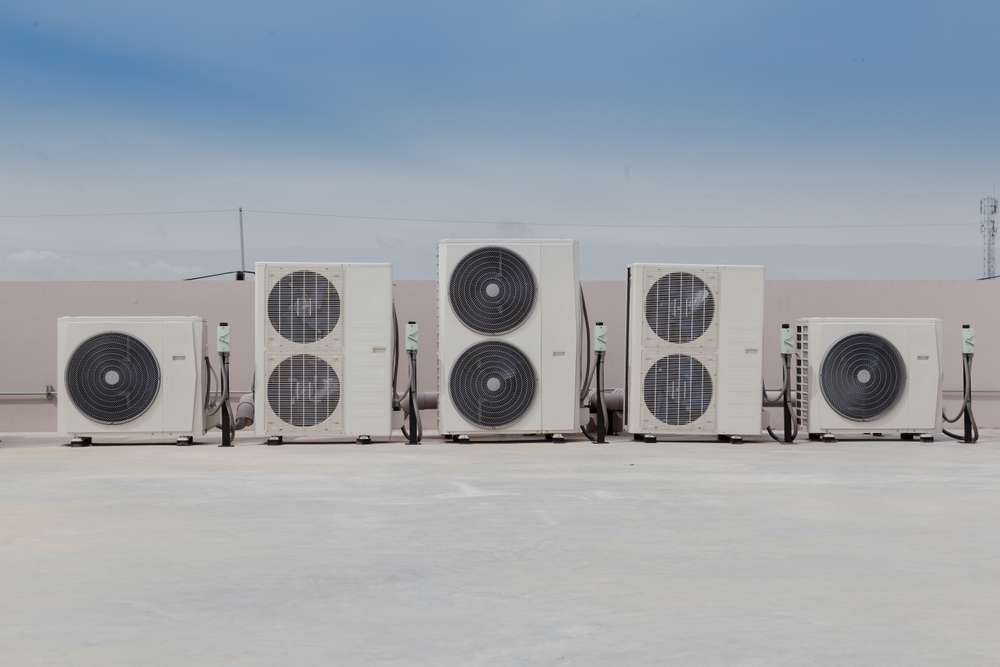
Credit: www.gordonjamesrealty.com
Landlord’s Maintenance Duties
Landlords usually must keep HVAC systems in good shape.They need to make sure air conditioners work well for tenants. Many lease agreementssay landlords handle repairs and maintenance of these systems.
Local and state laws often require landlords to provide safe and working heating and cooling. These rules protect tenants from living in unsafe homes. Some places say landlords must fix AC within a certain time.
| Aspect | Description |
|---|---|
| Legal Requirements | Landlords must follow local and state HVAC laws. |
| Lease Agreement | Often includes clauses about landlord’s AC duties. |
| Local Regulations | May set time limits for repairs and maintenance. |

Credit: tropicheatandac.com
Tenant Responsibilities
Tenantsmust take care of the air conditioner with simple steps. Regular cleaning of filters helps the AC work well. Turning off the AC when not in use saves energy and prevents wear.
Reporting problems quicklyis very important. If the AC makes strange noises or does not cool, tenants should tell the landlord or maintenance team right away. Early reports can stop bigger issues.
Tenants should avoid actions that cause damage. Do not block vents or hang heavy items on the unit. Avoid spilling liquids on the AC or trying to fix it without permission.
When Landlord Must Repair Or Replace
Landlords must repair or replace air conditionersif breakdowns happen because of normal use. This means wear and tearissues are their responsibility. They cannot ask tenants to pay for fixing old or broken parts caused by time.
Emergency repairsare urgent fixes needed to keep the unit safe and working. Landlords should act fast to prevent harm or bigger damage. Tenants should report problems quickly to get help on time.
Tenants usually cannot fix major AC problems themselves. Some rental agreements have limits on tenant self-repair. Tenants should check their contract before trying to fix anything. Doing repairs without permission can cause trouble.
Tenant Rights When Ac Fails
Tenants should request AC repairs in writing. This creates a clear record. It helps avoid disputes later. The written request should include the problem and the date sent.
If the landlord does not fix the AC, tenants may withhold rentor use escrow. Rent withholding means tenants keep paying, but hold rent until repairs happen. Escrow means paying rent to a third party until the issue is fixed. Both options protect tenants’ rights but require following local laws carefully.
Legal action can be taken if repairs are ignored. Tenants can seek help from housing agenciesor file complaintsin court. Courts may order landlords to repair or reduce rent. Laws vary by location, so tenants should learn their rights.
Preventive Measures For Tenants
Documenting the AC conditionat move-in helps avoid disputes later. Take photos and note any damages or issues. Keep these records safe for reference.
Regular maintenancekeeps the AC working well. Clean or replace filters every month. Check for leaks or strange noises. Turn off the AC during long absences to save energy.
- Report problems to the landlord quickly.
- Keep a written record of all communications.
- Ask for repairs in writing to have proof.
- Follow landlord’s instructions on AC use.
Special Considerations
Renting in hot climatesoften means air conditioning is very important. Many landlords must keep the AC working well to make homes comfortable. Some leases say who fixes or pays for the AC. Always check the lease agreementto see what is written about AC care.
Leases can be full maintenanceor tenant responsibility. In full maintenance leases, landlords fix and pay for AC issues. In tenant responsibility leases, renters handle repairs and costs.
Portable AC units are often used if the main system is old or missing. Renters usually pay for these units and their electricity. Landlords may not be responsible for portable ACs, but they must keep built-in systems working.

Credit: www.rovirapropertymanagement.com
Frequently Asked Questions
Is The Landlord Responsible For Ac Repairs?
Yes, landlords are usually responsible for AC repairs if the unit is part of the rental property. They must ensure it is functional and safe during the lease.
Who Pays For Ac Maintenance In Rentals?
Typically, landlords cover routine AC maintenance unless the lease states otherwise. Tenants should report issues promptly to avoid extra costs.
Can Tenants Fix The Ac Themselves?
Tenants should not fix the AC without landlord approval. Unauthorized repairs might violate lease terms and cause liability for damages.
What If The Ac Breaks During Summer?
Landlords must address AC breakdowns quickly, especially in hot weather. Prompt repairs ensure tenant comfort and compliance with habitability laws.
Conclusion
Deciding who handles air conditioner issues can be tricky. Knowing the lease terms helps. Landlords often fix units, but not always. Tenants should check responsibilities in their lease. Communication is key. Discuss problems with the landlord. Understand local laws too.
Some places have specific rules. Always ask questions if unsure. Tenants need comfort during hot months. Landlords benefit from happy tenants. Keeping the air conditioner running benefits both sides. Clear agreements prevent misunderstandings. Always stay informed and proactive. This helps maintain a smooth landlord-tenant relationship.