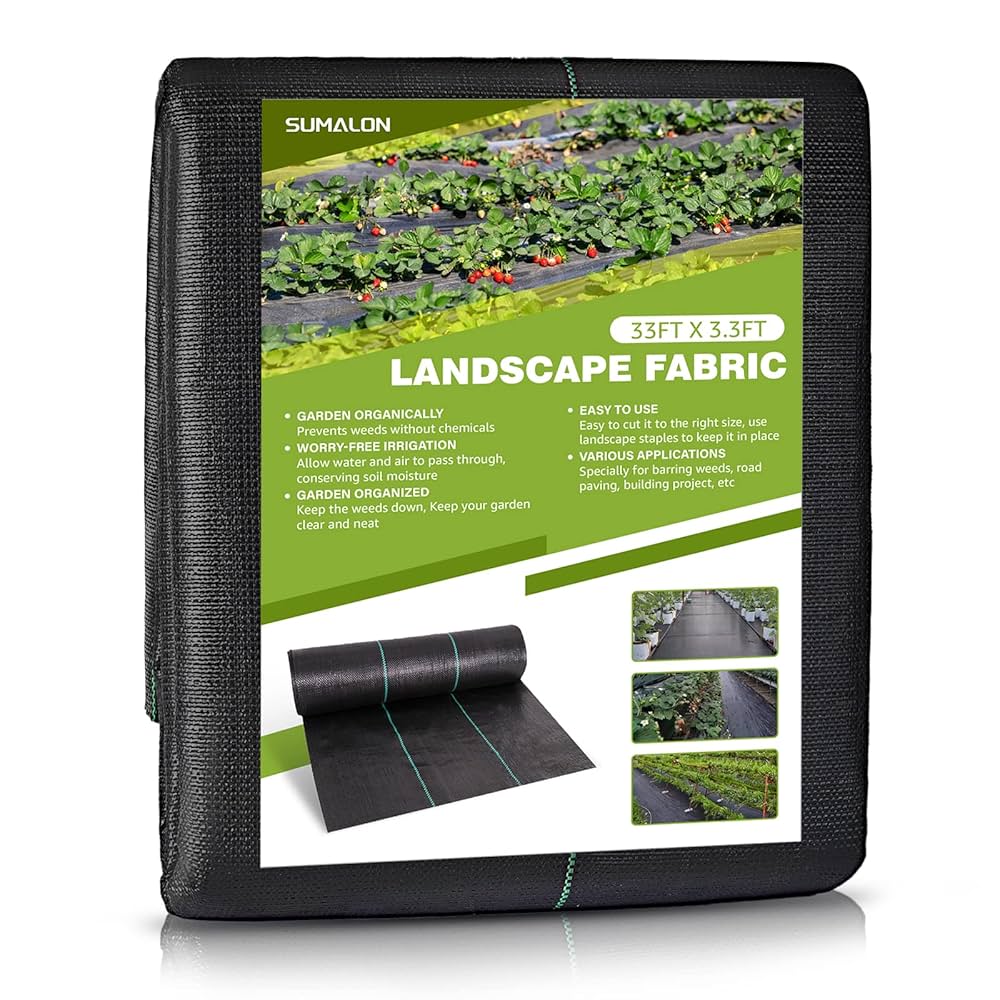
Are you planning to use landscape fabric in your garden or yard? One big question you might have is: Is landscape fabric water permeable?
Understanding this can save you from costly mistakes and help your plants thrive. If water can’t pass through, your soil and roots might suffer. But if it can, your garden stays healthy and well-drained. Keep reading to discover the truth about landscape fabric and how it affects your watering routine and plant health.
This simple knowledge could change the way you care for your outdoor space.

Credit: www.amazon.ca
What Is Landscape Fabric?
Landscape fabric is a material used in gardening to control weeds. It is placed on the soil surface under mulch or stones. The fabric helps plants grow by blocking sunlight from weeds.
This fabric can let water and air pass through. It keeps the soil healthy and moist. Gardeners use it to reduce the need for chemicals and weeding.
Types Of Landscape Fabric
Landscape fabrics come in different materials and styles. Each type has its own use and benefits. Some are woven, and others are made from plastic or natural fibers.
- Woven Fabric: Made from polypropylene or polyester threads. It is strong and durable.
- Non-Woven Fabric: Made by bonding fibers together. It is softer and lets water pass easily.
- Plastic Sheeting: Not permeable to water. Used to block all moisture and weeds.
- Biodegradable Fabric: Made from natural materials like jute or coconut. It breaks down over time.
Common Uses In Gardening
Gardeners use landscape fabric to help plants grow better and keep areas neat. It serves many purposes in different garden settings.
| Use | Description | Benefit |
| Weed Control | Blocks sunlight to prevent weed growth | Less weeding needed |
| Soil Moisture Retention | Allows water to pass but reduces evaporation | Soil stays moist longer |
| Soil Erosion Prevention | Keeps soil in place on slopes or loose areas | Protects garden beds |
| Pathways and Driveways | Placed under gravel or stones | Stops weeds from growing through |
How Landscape Fabric Works
Landscape fabric is a helpful tool in gardening. It controls weeds and manages soil moisture.
Understanding its material composition and water flow properties is key. This will help you use it effectively in your garden.
Material Composition
Landscape fabric is made from synthetic fibers. These fibers are often woven or bonded together.
- Woven fabrics allow some air and water to pass.
- Non-woven fabrics are more durable and block more light.
- Perforated fabrics have small holes for better drainage.
Water Flow Through Fabric
Water permeability is important for landscape fabric. It determines how well water can reach the soil below.
| Fabric Type | Water Flow |
| Woven | Moderate |
| Non-Woven | Low |
| Perforated | High |
Water Permeability Of Different Fabrics
Landscape fabric is used in gardening to control weeds and protect soil. Its ability to let water pass through is important for plant health. Some fabrics allow water to flow easily, while others block it.
Understanding how different fabrics handle water helps you choose the right one. This guide explains which fabrics are permeable and what affects their permeability.
Permeable Vs. Non-permeable Options
Permeable fabrics let water pass through to the soil below. They help keep soil moist and healthy. Non-permeable fabrics block water and air, which can harm plants.
Most landscape fabrics are made to be permeable. This lets rainwater or irrigation reach plant roots. Plastic sheets or vinyl mats are examples of non-permeable materials. These are better for areas where you want no water to pass.
- Permeable fabrics: woven polyester, polypropylene, and natural fibers
- Non-permeable fabrics: plastic sheeting, rubber mats, vinyl covers
- Permeable fabrics promote drainage and root health
- Non-permeable fabrics prevent water but can cause water pooling
Factors Affecting Permeability
The permeability of landscape fabric depends on how it is made. The type of material and weaving style play big roles. Some fabrics have tight weaves that block water, while others have loose weaves.
Other factors include thickness and any added coatings. Thicker fabrics or those with waterproof coatings reduce water flow. Dirt and debris can also clog fabric pores and reduce permeability over time.
- Material type: natural fibers usually absorb water, synthetic fibers vary
- Weave tightness: loose weave allows more water through
- Fabric thickness: thinner fabrics let water pass easier
- Coatings: waterproof coatings block water
- Soil and debris: can clog fabric pores and reduce flow
Benefits Of Permeable Landscape Fabric
Permeable landscape fabric helps water pass through the soil. It supports healthy plant roots by keeping the soil moist.
This fabric lets water drain well while blocking weeds. It is useful in gardens and outdoor spaces.
Improved Drainage
Permeable landscape fabric lets water flow through easily. This helps prevent water buildup and soil erosion.
- Reduces water pooling on the surface
- Keeps soil well-aerated
- Supports healthy plant growth
- Prevents root rot by draining excess water
Weed Control Without Water Blockage
This fabric blocks sunlight to stop weeds from growing. It still allows water and nutrients to reach plants.
| Feature | Benefit |
| Blocks sunlight | Stops weed growth |
| Permeable material | Lets water and air pass |
| Durable fabric | Long-lasting weed control |
Potential Drawbacks
Landscape fabric is often used to control weeds and manage soil. It lets some water pass through but can cause problems in some cases.
Understanding its possible drawbacks helps you decide if it fits your garden needs.
Soil Drying Issues
Landscape fabric can stop water from reaching the soil evenly. This may cause dry spots under the fabric.
Plants may not get enough moisture if the fabric blocks rain or irrigation water.
- Water pools on top of the fabric instead of soaking in
- Soil moisture becomes uneven
- Plants may need extra watering
Fabric Clogging Over Time
Over time, landscape fabric can clog with dirt and debris. This makes it less water permeable.
Clogged fabric reduces its ability to let water pass, causing water to run off instead of soaking in.
- Soil particles fill the fabric holes
- Water flow slows down or stops
- Weed growth may increase under clogged fabric

Credit: www.amazon.ca
Choosing The Right Fabric For Your Garden
Landscape fabric helps control weeds and keeps soil healthy. Choosing the right type matters for your garden’s success.
Not all landscape fabrics are the same. Some let water pass through, while others block it.
Matching Fabric To Soil Type
Soil type affects how water moves in your garden. Sandy soil drains water fast. Clay soil holds water longer.
Choose a fabric that fits your soil’s needs. Permeable fabrics work well for clay soil. They allow water and air to reach roots.
- Sandy soil: Use fabric with smaller holes to keep soil in place.
- Clay soil: Use fabric that lets water pass to avoid waterlogging.
- Loamy soil: Most fabrics work well with this balanced soil.
Considering Local Climate
Your local weather affects fabric choice. In dry climates, water needs to reach roots easily. In wet climates, drainage is key.
Choose fabric based on rainfall and temperature. Permeable fabrics help in rainy areas by preventing water build-up.
- Dry areas: Use fabric that keeps soil moist but lets air through.
- Wet areas: Use fabric with high water permeability to avoid puddles.
- Cold areas: Choose fabric that protects roots but allows water flow.
Installation Tips For Optimal Water Flow
Landscape fabric helps control weeds while letting water pass through. Proper installation keeps water flowing well and prevents puddles.
Follow the right steps to prepare the ground and avoid common errors. This will improve drainage and protect your plants.
Proper Ground Preparation
Clear the area of rocks, roots, and debris before laying fabric. Smooth and level the soil to prevent water from pooling.
- Remove large stones and sticks
- Level uneven spots with a rake
- Ensure soil is firm but not compacted
- Check for slopes to guide water away
- Moisten soil lightly if very dry
Avoiding Common Mistakes
Do not overlap fabric too much or cover drainage holes. Use the right fabric type and secure it properly to avoid movement.
| Mistake | Effect | How to Avoid |
| Overlapping fabric excessively | Blocks water flow | Overlap only 2–3 inches |
| Using non-permeable fabric | Causes water buildup | Choose water-permeable fabric |
| Failing to secure edges | Fabric shifts, exposes soil | Pin fabric with stakes or nails |
| Ignoring slope direction | Leads to water pooling | Lay fabric following natural slope |
Credit: www.vevor.ca
Alternatives To Landscape Fabric
Landscape fabric is often used to control weeds and improve soil. Some people worry about its water permeability. There are other choices that let water pass easily.
These alternatives help keep soil healthy and allow plants to grow well. They also reduce the need for chemicals and heavy maintenance.
Mulching Options
Mulch covers the soil to keep moisture and block weeds. It breaks down over time and adds nutrients to the soil. Here are common types of mulch:
- Wood chips
- Bark mulch
- Straw or hay
- Grass clippings
- Compost
- Pine needles
Mulch lets water soak into the ground and protects plant roots from temperature changes. It also improves soil texture and helps beneficial insects.
Natural Ground Covers
Natural ground covers are plants that grow close to the soil. They reduce weeds and prevent erosion. They also let water flow through easily.
| Plant | Benefits | Water Needs |
| Clover | Fixes nitrogen, green cover | Low to medium |
| Thyme | Aromatic, attracts bees | Low |
| Vinca Minor | Evergreen, dense cover | Medium |
| Ajuga | Colorful leaves, fast spread | Medium |
Frequently Asked Questions
Is Landscape Fabric Water Permeable Or Waterproof?
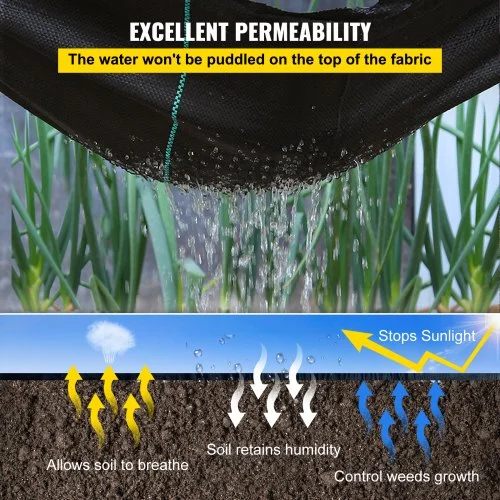
Landscape fabric is water permeable. It allows water to pass through while blocking weeds. This helps soil retain moisture without water pooling on the surface.
How Does Landscape Fabric Affect Soil Drainage?
Landscape fabric improves soil drainage by letting water flow through. It prevents soil erosion and keeps roots healthy by avoiding waterlogging.
Can Landscape Fabric Cause Water Pooling In Gardens?
No, quality landscape fabric prevents water pooling. Its porous design allows excess water to drain, reducing puddles and promoting healthy plant growth.
Does Landscape Fabric Reduce Watering Frequency?
Yes, landscape fabric helps retain soil moisture. This reduces the need for frequent watering and supports consistent plant hydration.
Conclusion
Landscape fabric lets water pass through but blocks weeds well. It helps keep soil dry on top but moist below. This makes plants healthier and gardens neater. Choose fabric with good permeability for best results. Remember, not all fabrics are the same in letting water flow.
Use fabric wisely to protect plants and reduce garden work. Simple steps, big benefits.