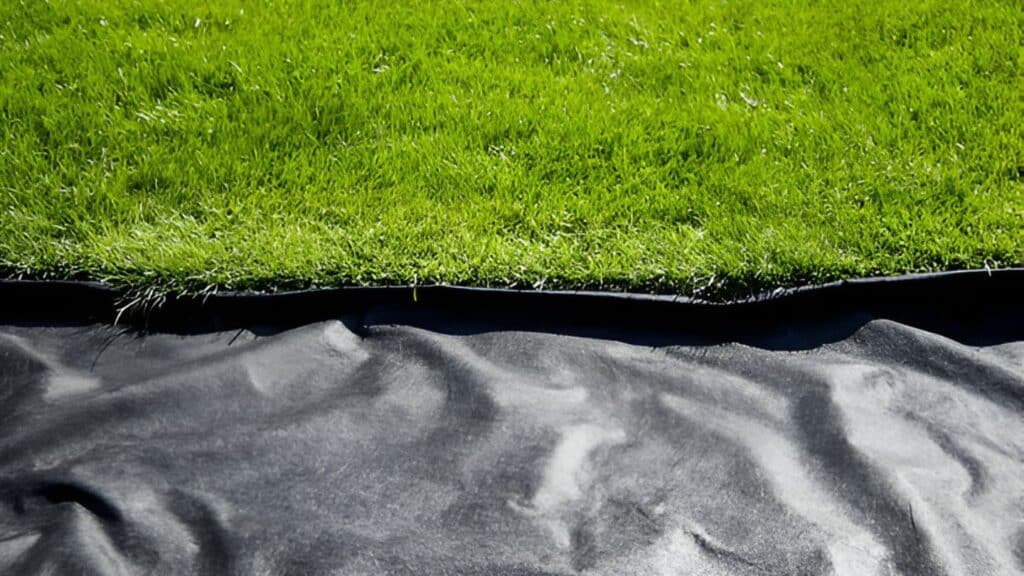
Are you tired of weeds taking over your garden no matter how much you pull them out? You might have heard about landscape fabric as a solution, but is it really worth your time and money?
Before you invest in it, you need to know how it works, its benefits, and its drawbacks. This article will help you decide if landscape fabric is the right choice for your yard and how it can make your gardening easier and more enjoyable.
Keep reading to discover what you need to know before making a decision.

Credit: mulchpros.com
Benefits Of Landscape Fabric
Landscape fabric is a useful material for garden and yard care. It helps improve the health of your plants and soil.
Using landscape fabric can save time and effort in maintaining a clean and healthy outdoor space.
Weed Control Efficiency
Landscape fabric blocks sunlight, stopping weeds from growing. This reduces the need to pull weeds by hand or use chemicals.
The fabric works well under mulch, giving extra protection against weed seeds.
Soil Moisture Retention
Landscape fabric helps keep water in the soil by reducing evaporation. This means plants get more moisture for longer periods.
- Reduces watering frequency
- Keeps roots cooler and moist
- Improves plant health and growth
Erosion Prevention
Soil can wash away during rain or wind. Landscape fabric holds the soil in place, stopping erosion on slopes and garden beds.
This helps protect your plants and keeps the garden neat.
Long-term Cost Savings
| Benefit | How It Saves Money |
| Less Weed Growth | Reduces spending on weed killers and labor |
| Water Savings | Uses less water for irrigation |
| Soil Protection | Prevents damage that costs soil replacement |
| Durability | Lasts several years before replacement |
Credit: www.leisurelandscapes.com
Types Of Landscape Fabric
Landscape fabric helps control weeds and protect soil in gardens. It comes in different types made from various materials. Knowing the types helps you pick the right fabric for your needs.
This guide explains the main types of landscape fabric based on how they are made and their features.
Woven Vs Non-woven
Woven landscape fabric is made by weaving threads tightly together. It is strong and lets water pass through slowly. Non-woven fabric is made by bonding fibers randomly. It allows water to flow faster and is softer.
- Woven fabric:durable and good for heavy use
- Non-woven fabric:easier to cut and work with
- Water flow:woven slows water more than non-woven
Biodegradable Options
Some landscape fabrics break down naturally over time. These are made from materials like jute, coir, or paper. They help the environment by reducing plastic waste but last a shorter time.
- Jute fabric: soft and breaks down in about 6 to 12 months
- Coir fabric: made from coconut fibers and lasts around 1 to 3 years
- Paper fabric: cheap but breaks down quickly, usually under 1 year
Durability Factors
| Factor | Effect on Fabric | Example |
|---|---|---|
| Material type | Stronger materials last longer | Polypropylene is very durable |
| Weave tightness | Tighter weave holds up better to wear | Woven fabrics resist tearing |
| Exposure | Sunlight and moisture can weaken fabric | UV-resistant fabric lasts longer |
| Thickness | Thicker fabric resists damage more | Heavy-duty fabrics for driveways |
Installation Tips
Landscape fabric can help control weeds in your garden. Installing it correctly is important for the best results.
Follow these tips to ensure your landscape fabric works effectively and lasts longer.
Site Preparation
Start by clearing the area of weeds and debris. Remove any rocks or roots that might damage the fabric.
Level the ground to create a smooth surface. This helps the fabric lie flat and stay in place.
Proper Placement Techniques
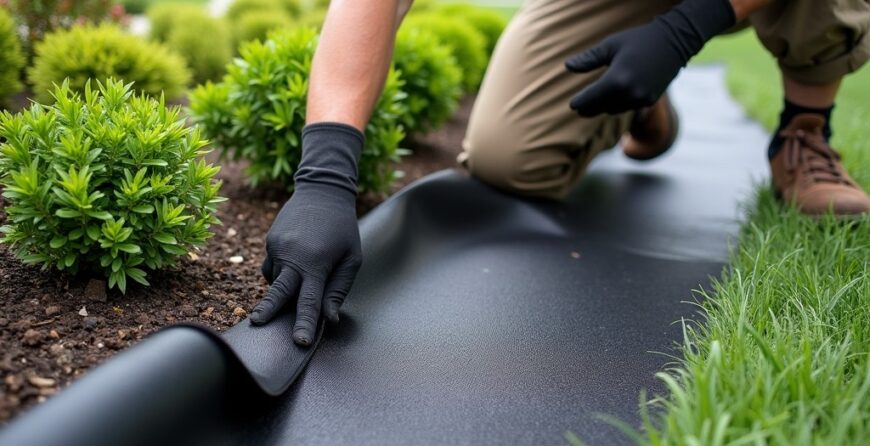
Unroll the landscape fabric over the prepared area. Overlap the edges by a few inches to prevent weeds from sneaking through.
Cut the fabric to fit around plants and other obstacles. Use scissors or a utility knife for clean cuts.
Securing The Fabric
Use landscape staples to secure the fabric. Place them every few feet along the edges and in the middle to keep it from shifting.
Ensure the fabric is taut but not too tight. This helps it stay in place and prevents tearing.
Covering With Mulch Or Gravel
After securing the fabric, cover it with a layer of mulch or gravel. This protects the fabric from sun damage and adds weight to hold it down.
Spread the mulch or gravel evenly. Make sure it is thick enough to block sunlight, which prevents weed growth.
Common Challenges
Landscape fabric can help control weeds and improve garden care. Still, it has some common problems you should know about.
These challenges affect how well the fabric works and its impact on your garden over time.
Fabric Degradation Over Time
Landscape fabric breaks down as sunlight and weather wear it out. This causes holes and tears that let weeds grow through.
Most fabrics last a few years but need replacing to keep working well.
Impact On Soil Health
Fabric blocks organic matter from reaching the soil. This can reduce nutrients and hurt soil life like earthworms.
Soil can become compacted and dry without natural materials mixing in.
Potential For Weed Growth
- Weeds can grow on top of the fabric if mulch or soil covers it.
- Weeds may sprout through holes or torn parts of the fabric.
- Some tough weeds grow roots deep under the fabric.
- Seeds blown by wind can settle and grow on the surface.
Regular checks and maintenance are needed to keep weeds away.
Drainage Issues
| Drainage Problem | Cause | Effect |
|---|---|---|
| Water pooling | Fabric blocks water flow | Plants get too wet roots |
| Poor soil aeration | Fabric prevents air movement | Root growth slows |
| Slow drainage | Soil compacts under fabric | Water drains less well |
When To Use Landscape Fabric
Landscape fabric helps control weeds and manage soil moisture. It works well in some garden settings but not all.
Knowing when to use it can save time and improve your garden’s health.
Ideal Garden Types
Landscape fabric fits best in gardens that need weed control without heavy digging. It suits areas with mulch or gravel.
- Flower beds with long-lasting plants
- Paths and walkways covered in gravel
- Vegetable gardens with raised beds
- Shrub borders where roots are stable
Seasonal Considerations
Use landscape fabric mainly in spring or fall. These seasons help plants grow strong with less weed pressure.
| Season | Best Use |
| Spring | Lay fabric before planting for weed control |
| Summer | Less ideal; fabric can cause heat buildup |
| Fall | Use fabric to protect soil over winter |
| Winter | Not recommended; soil and plants may suffer |
Compatibility With Plant Choices
Not all plants grow well with landscape fabric. Some need loose soil or space to spread roots.
- Good with deep-rooted plants like shrubs and trees
- Works well under groundcovers and mulch
- Poor for plants needing frequent soil aeration
- Not for bulbs or annuals that require planting depth changes
Alternatives To Landscape Fabric
Landscape fabric is popular for controlling weeds. Some gardeners want other ways to keep their gardens tidy. These alternatives help reduce weeds without using fabric.
Choosing the right method depends on your garden and how much time you want to spend. Here are some common options.
Organic Mulches
Organic mulches come from natural materials like wood chips or leaves. They cover the soil to stop weeds and keep moisture. As they break down, they add nutrients to the soil.
Common types include bark, straw, and compost. Mulching also helps keep the ground cool in summer and warm in winter.
- Wood chips slow weed growth and look natural
- Straw is light and easy to spread
- Compost improves soil health while blocking weeds
- Leaves are free and good for garden beds
Ground Covers
Ground covers are low plants that spread across soil. They block sunlight so weeds cannot grow. These plants also add color and texture to your garden.
Choose ground covers that suit your climate and soil. They need some care at first but reduce weed work later.
- Creeping thyme grows fast and smells nice
- Vinca minor has green leaves and small flowers
- Ajuga spreads quickly and tolerates shade
Manual Weed Control
Manual weed control means pulling weeds by hand or using tools. It takes time but is very effective. You can target weeds without harming other plants.
Regular weeding stops weeds from spreading seeds. Using a hoe or hand fork can make the job easier.
- Pull weeds when soil is moist for easier removal
- Use a hoe to cut small weeds at the root
- Keep up with weeding to prevent big problems

Credit: www.highcountrylandscapesupply.com
Frequently Asked Questions
What Is Landscape Fabric Used For In Gardening?
Landscape fabric blocks weed growth by limiting sunlight to soil. It helps retain moisture and reduces the need for chemical weed killers. This fabric is ideal for garden beds and pathways to keep plants healthy and soil neat.
Does Landscape Fabric Prevent All Weeds Effectively?
Landscape fabric significantly reduces weed growth but does not stop all weeds. Some persistent weeds can grow through gaps or edges. Proper installation and occasional maintenance improve its effectiveness in controlling unwanted plants.
How Long Does Landscape Fabric Last Outdoors?
High-quality landscape fabric typically lasts between 5 to 10 years outdoors. Durability depends on fabric type, weather exposure, and installation quality. Over time, it may degrade due to sunlight and soil conditions, requiring replacement.
Can Landscape Fabric Harm Plant Growth?
When installed correctly, landscape fabric does not harm plants. It allows water and air to reach roots while preventing weed competition. However, improper use can restrict root expansion and water drainage, so correct placement is crucial.
Conclusion
Landscape fabric helps control weeds and saves time. It allows water and air to reach plants easily. It lasts for several years but needs proper installation. Some plants may still grow through it. It works best under mulch or rocks.
Consider your garden needs before deciding to use it. Overall, landscape fabric can be a useful tool for many gardeners. Try it in small areas first to see how it works for you.