Are you planning to use landscaping fabric in your garden but wondering if it can keep water out? Understanding whether landscaping fabric is waterproof is key to making the right choice for your outdoor space.
You want your plants to thrive, not struggle with too much or too little water. You’ll discover the truth about landscaping fabric and how it handles water. Keep reading to find out how it can help—or hurt—your garden’s health and what you need to know before laying it down.
What Is Landscaping Fabric Made Of
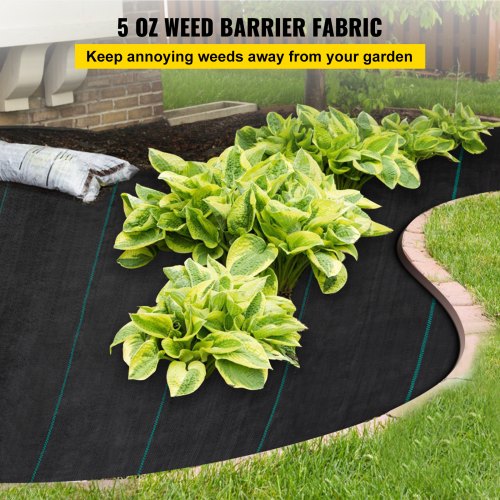
Landscaping fabric is a material used to control weeds and help soil stay healthy. It is placed on the ground under mulch or stones.
This fabric is made from different materials that allow water to pass through but block weeds.
Woven Polypropylene
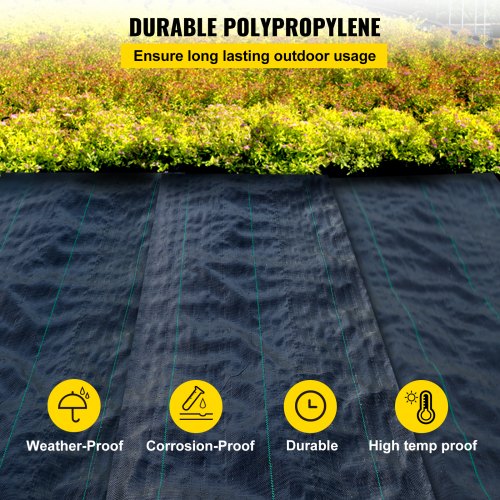
Woven polypropylene is a common material for landscaping fabric. It is made by weaving thin plastic threads together.
This weaving creates tiny holes that let water and air reach the soil. It stops weeds from growing up through the ground.
Non-woven Polypropylene
Non-woven polypropylene is made by bonding plastic fibers with heat or chemicals. It looks more like felt or fabric.
This type is thicker and lets water pass through slowly. It also blocks sunlight to stop weed growth.
Biodegradable Fabrics
Some landscaping fabrics are made from natural materials like jute, coir, or paper. These break down over time.
They help with weed control while adding nutrients to the soil as they decompose. They are eco-friendly choices.
Is Landscaping Fabric Waterproof?
Landscaping fabric is not fully waterproof. It lets water pass through its tiny holes to keep soil moist.
This water flow helps plants grow while stopping weeds from coming up. Waterproof fabric would block water and harm plants.
Water Resistance Properties
Landscaping fabric is often used to control weeds and improve garden aesthetics. A key feature is its ability to resist water. But is it completely waterproof?
Understanding the water resistance of landscaping fabric helps in choosing the right type for your needs. Let’s explore its properties.
Types Of Landscaping Fabric
There are different types of landscaping fabric. Some allow water to pass through, while others repel it.
- Permeable fabric lets water reach the soil.
- Non-permeable fabric blocks water, keeping areas dry.
- Woven fabric balances water flow and durability.
Material Composition
The material of the landscaping fabric affects its water resistance. It’s important to know what the fabric is made of.
Common materials include polypropylene and polyester. These materials can be treated to enhance water resistance.
Water Flow
Water flow through landscaping fabric depends on its design. Permeable fabrics allow better drainage.
Fabric with small pores controls water flow effectively. It’s vital for gardens needing both drainage and protection.
| Fabric Type | Water Resistance |
| Permeable | Allows water through |
| Non-permeable | Blocks water |
| Woven | Moderate flow |
How Landscaping Fabric Affects Drainage
Landscaping fabric is often used to control weeds and improve garden beds. It also impacts how water moves through soil. Understanding this effect helps in planning proper drainage.
This article looks at two key areas: permeability and water passage, and preventing soil erosion.
Permeability And Water Passage
Landscaping fabric is designed to let water pass through while blocking weeds. Its permeability depends on the material and weave.
- Non-woven fabrics usually allow better water flow.
- Woven fabrics may slow water but still let some pass.
- Plastic or rubber barriers block water completely.
- Proper installation avoids water pooling on top.
Good fabric choice helps rainwater soak into soil and prevents puddles.
Preventing Soil Erosion
Landscaping fabric helps keep soil in place, especially on slopes. It holds soil down while letting water drain.
| Benefit | How Fabric Helps |
| Stops soil washing away | Holds soil particles with its texture |
| Reduces surface runoff | Allows water to seep slowly |
| Protects plant roots | Keeps soil stable around roots |
| Limits sediment in water | Prevents loose soil from flowing away |

Credit: www.lowes.com
Common Misconceptions About Waterproofing
Many people think landscaping fabric is waterproof. This idea can cause problems in garden and yard projects. Understanding what landscaping fabric really does helps you choose the right materials.
Landscaping fabric is made to control weeds, not to block water. Knowing this stops mistakes in your outdoor work.
Landscaping Fabric Does Not Stop Water
Some believe landscaping fabric keeps water out of the soil. Actually, it allows water to pass through. This helps plants get water while blocking weeds.
Water moves through the tiny holes in the fabric. This means the fabric does not act like a plastic sheet or waterproof barrier.
Waterproofing Means Different Things
People often confuse waterproofing with water resistance. Landscaping fabric is water resistant but not waterproof. It can slow water but not stop it.
True waterproof materials block water completely. Landscaping fabric only controls water flow to protect plants.
Misuse Of Landscaping Fabric As A Waterproof Barrier
Some use landscaping fabric under patios or decks thinking it stops water. This is wrong. Water can still move through and cause damage below.
Using fabric as a waterproof layer can lead to wood rot or soil erosion. Choose proper waterproof materials for these jobs.
Permeability Is A Key Feature
Landscaping fabric’s design lets air and water pass. This helps soil stay healthy. Plants need water and air to grow strong roots.
- Blocks sunlight to stop weeds
- Allows water to soak into soil
- Lets air reach plant roots
Benefits Of Using Landscaping Fabric
Landscaping fabric helps gardeners keep their yards clean and healthy. It is a useful tool for many outdoor projects.
This fabric works by covering the soil and stopping problems before they start. It saves time and effort in garden care.
Weed Control
One main benefit of landscaping fabric is its ability to control weeds. It blocks sunlight from reaching weed seeds, stopping them from growing.
- Reduces the need for chemical weed killers
- Prevents weeds from taking over garden beds
- Makes garden maintenance easier and faster
- Helps plants get more nutrients without competition
Soil Moisture Retention
Landscaping fabric also helps keep the soil moist. It slows down water evaporation, so plants get water for longer.
| Benefit | Explanation |
| Water Savings | Less frequent watering needed |
| Healthier Plants | Consistent moisture supports growth |
| Soil Protection | Prevents soil erosion and drying out |
Limitations And Potential Issues
Landscaping fabric helps control weeds and manage soil. It blocks sunlight but lets water pass through. Despite this, it has some limits and problems you should know about.
This section covers common issues like clogging and how fabric can affect plant health. Knowing these limits can help you use the fabric better.
Clogging And Reduced Effectiveness
Over time, soil, debris, and organic matter can clog the fabric’s pores. This reduces water and air flow to the soil. Clogging also stops the fabric from blocking weeds properly.
- Soil particles fill the holes in the fabric
- Water drains slower, causing puddles
- Weeds may grow on top of the fabric
- Fabric becomes less useful after a few years
Cleaning or replacing the fabric is often needed to keep it working well.
Impact On Plant Health
Landscaping fabric can change how plants grow. It may stop roots from spreading and limit soil nutrients. This can weaken plants or slow their growth.
| Issue | Effect on Plants | Possible Solution |
| Restricted root growth | Smaller plants, less fruit | Use fabric only around paths |
| Poor nutrient flow | Yellow leaves, weak stems | Add fertilizer regularly |
| Water pooling on surface | Root rot risk | Ensure good drainage |
Alternatives To Waterproof Landscaping Fabric
Landscaping fabric helps control weeds and protect soil. Some types are waterproof, but many are not. If you need something that blocks water, there are other options to consider.
This guide shows alternatives to waterproof landscaping fabric. Each choice works well in different garden and yard settings.
Plastic Sheeting
Plastic sheeting is fully waterproof and blocks water from passing through. It is often used under patios and walkways. This material stops weeds and keeps soil dry.
Rubber Mulch
Rubber mulch does not absorb water and helps keep moisture out. It also prevents weed growth and lasts for many years without breaking down.
Gravel Or Stone Mulch
Gravel and stone mulch allow water to drain but create a barrier that blocks weeds. They are waterproof and add a natural look to landscaping.
Landscape Rubber Mats
Rubber mats are thick and waterproof. They provide a strong weed barrier and protect soil from erosion. These mats are easy to install and reusable.
Comparison Table Of Waterproof Alternatives
| Material | Waterproof | Weed Control | Durability |
| Plastic Sheeting | Yes | Excellent | Moderate |
| Rubber Mulch | Yes | Good | High |
| Gravel/Stone Mulch | Yes | Good | High |
| Rubber Mats | Yes | Excellent | High |
Credit: www.vevor.com
Tips For Proper Installation
Landscaping fabric helps control weeds and keeps soil in place. Knowing if it is waterproof is important for its use.
Proper installation ensures the fabric works well and lasts longer in your garden or yard.
Choosing The Right Fabric
Not all landscaping fabrics are the same. Some let water pass through while blocking weeds.
Look for fabric that is labeled as permeable. This means water can flow through it easily.
- Use woven fabric for good water drainage
- Avoid plastic sheets that block water completely
- Check fabric thickness for durability
- Pick UV-resistant fabric for outdoor use
Ensuring Proper Water Flow
Water must flow through the fabric to keep plants healthy. Poor water flow can harm roots.
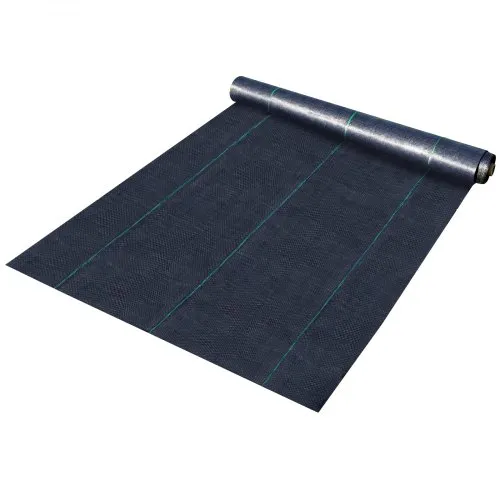
Install the fabric flat and tight without wrinkles. Overlap edges to prevent weed growth but allow water flow.
- Cut holes for plants to allow water to reach roots
- Cover fabric with mulch or soil to protect it
- Check for water pooling after rain
- Fix any gaps or tears quickly
Credit: www.vevor.com
Frequently Asked Questions
Is Landscaping Fabric Completely Waterproof?
No, landscaping fabric is not completely waterproof. It is designed to allow water to pass through while blocking weeds. It prevents water pooling but does not create a waterproof barrier.
Can Landscaping Fabric Prevent Soil Erosion?
Yes, landscaping fabric helps reduce soil erosion by stabilizing the soil. It allows water drainage while keeping soil in place, making it effective for erosion control.
Does Landscaping Fabric Block All Water?
No, landscaping fabric blocks surface water but allows water to seep through. This permeability helps maintain soil moisture and supports healthy plant growth.
How Does Landscaping Fabric Affect Drainage?
Landscaping fabric improves drainage by allowing water to flow through it. It prevents waterlogging and promotes better root health in gardens and landscapes.
Conclusion
Landscaping fabric helps control weeds and lets water through. It is not fully waterproof but allows moisture to reach plant roots. This fabric keeps soil dry on top while letting water drain below. Choose the right fabric for your garden needs.
Proper installation improves its effectiveness and durability. Understanding how landscaping fabric works saves time and effort. Your plants will benefit from balanced moisture and fewer weeds. Use it wisely to support a healthy garden space.