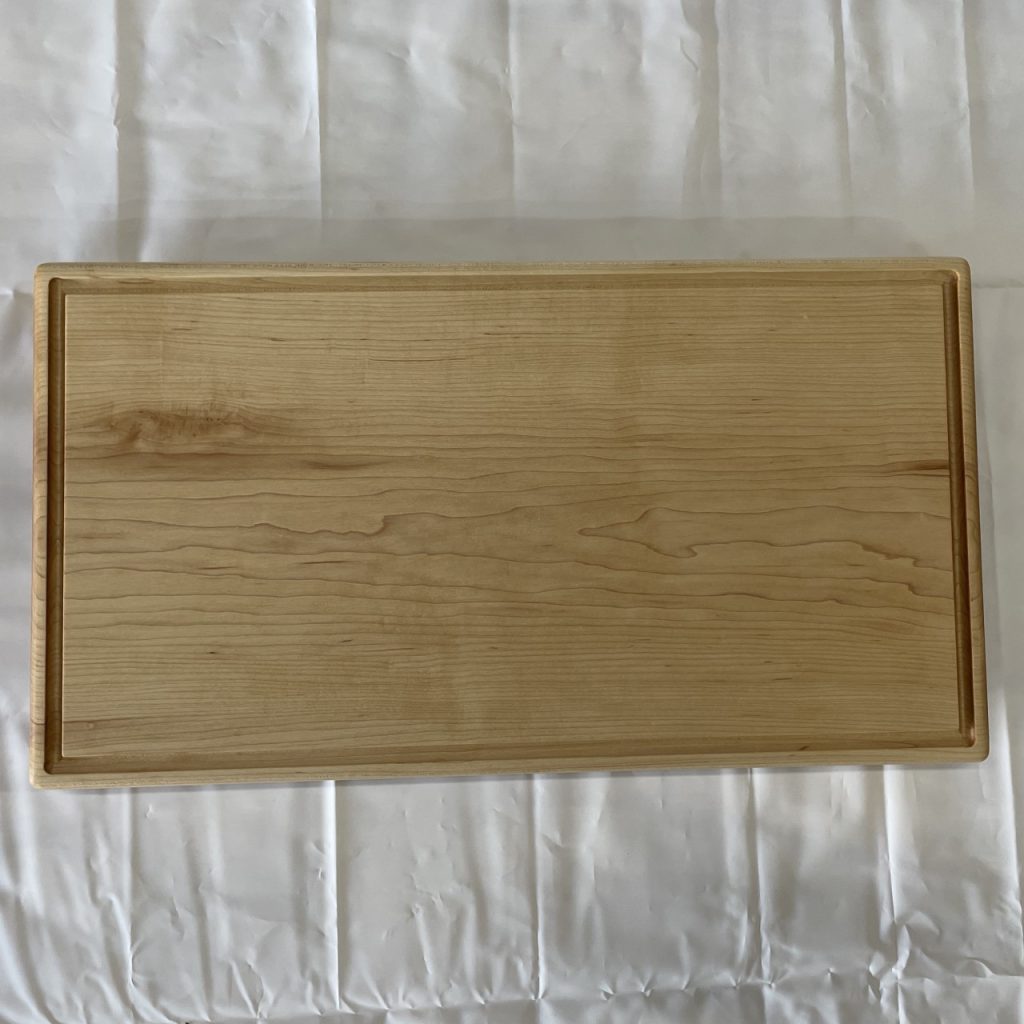
When it comes to choosing the perfect cutting board, you want something that’s durable, safe, and easy to maintain. You might have heard that maple is a top choice, but is it really the best option for your kitchen?
Understanding the benefits and drawbacks of maple cutting boards can help you make the right decision for your cooking needs. Keep reading to discover why maple might just be the ideal surface for your chopping, slicing, and dicing tasks—and what you should know before making your purchase.

Credit: treeboard.com
Why Choose Maple For Cutting Boards
Maple is a popular choice for cutting boards. It offers several key benefits that make it ideal for kitchen use.
Its strength, cleanliness, and texture help keep your cutting board safe and easy to use.
Hardness And Durability
Maple is a hard wood that resists cuts and dents well. This means your board lasts longer.
- Strong enough to handle heavy chopping
- Does not easily get deep grooves
- Stays flat and stable over time
Natural Antibacterial Properties
Maple wood has natural compounds that help fight bacteria. This keeps your board cleaner.
| Feature | Description |
| Porosity | Low, limits bacteria growth |
| Natural Oils | Help repel moisture and germs |
| Easy to Clean | Wipes and washes well |
Fine Grain And Smooth Surface
Maple has a tight grain that creates a smooth surface. This protects your knives and food.
- Prevents knife blades from dulling quickly
- Reduces food bits getting stuck in the board
- Offers a sleek look and feel for cooking
Types Of Maple Used In Cutting Boards
Maple wood is a popular choice for cutting boards. It is strong and resists cuts well. Different types of maple have unique qualities. Knowing these types helps you pick the right board.
This article looks at hard maple and soft maple. It also explains sugar maple and other maple variants used in cutting boards.
Hard Maple Vs Soft Maple
Hard maple is much denser than soft maple. It holds up better to knife marks. Soft maple is easier to cut but wears out faster. Hard maple is the usual pick for cutting boards.
- Hard Maple: tough, durable, fine grain
- Soft Maple: lighter, softer, less durable
- Hard Maple lasts longer on cutting boards
- Soft Maple can scratch and dent more easily
Sugar Maple Characteristics
Sugar maple is a type of hard maple. It is very dense and strong. The wood has a smooth, even texture. Sugar maple resists moisture well. This makes it great for cutting boards.
| Feature | Description |
| Density | High, very hard |
| Grain | Fine and uniform |
| Durability | Excellent resistance to wear |
| Moisture Resistance | Good, less prone to warping |
| Common Use | Premium cutting boards, furniture |
Other Maple Variants
Besides hard and sugar maple, there are other variants. These include silver maple and red maple. They are softer and less durable. They may not last as long in a kitchen setting.
Here are key points about other maple types:
- Silver Maple:lighter, softer wood
- Red Maple:slightly harder but less dense
- Use:good for decorative boards or light use
- Not ideal:for heavy chopping or frequent use
Benefits Of Maple Cutting Boards
Maple cutting boards are popular in many kitchens. They offer a good balance of strength and gentleness on knives.
Understanding the benefits of maple helps you see why it is a top choice for cutting boards.
Knife-friendly Surface
Maple has a smooth and tight grain that protects knife edges. It does not dull knives quickly.
The wood is soft enough to avoid damage to blades but hard enough to last long.
Resistance To Moisture
Maple resists water better than many other woods. This helps prevent cracks and warping.
Its natural oils make it less likely to soak up moisture and bacteria.
- Reduces risk of bacteria growth
- Prevents wood from swelling
- Keeps cutting board stable and safe
Longevity And Wear Resistance
Maple cutting boards last a long time with proper care. They resist scratches and dents well.
You can sand the surface to remove deep cuts and keep the board smooth.
- Durable under heavy use
- Easy to maintain and restore
- Maintains appearance over years
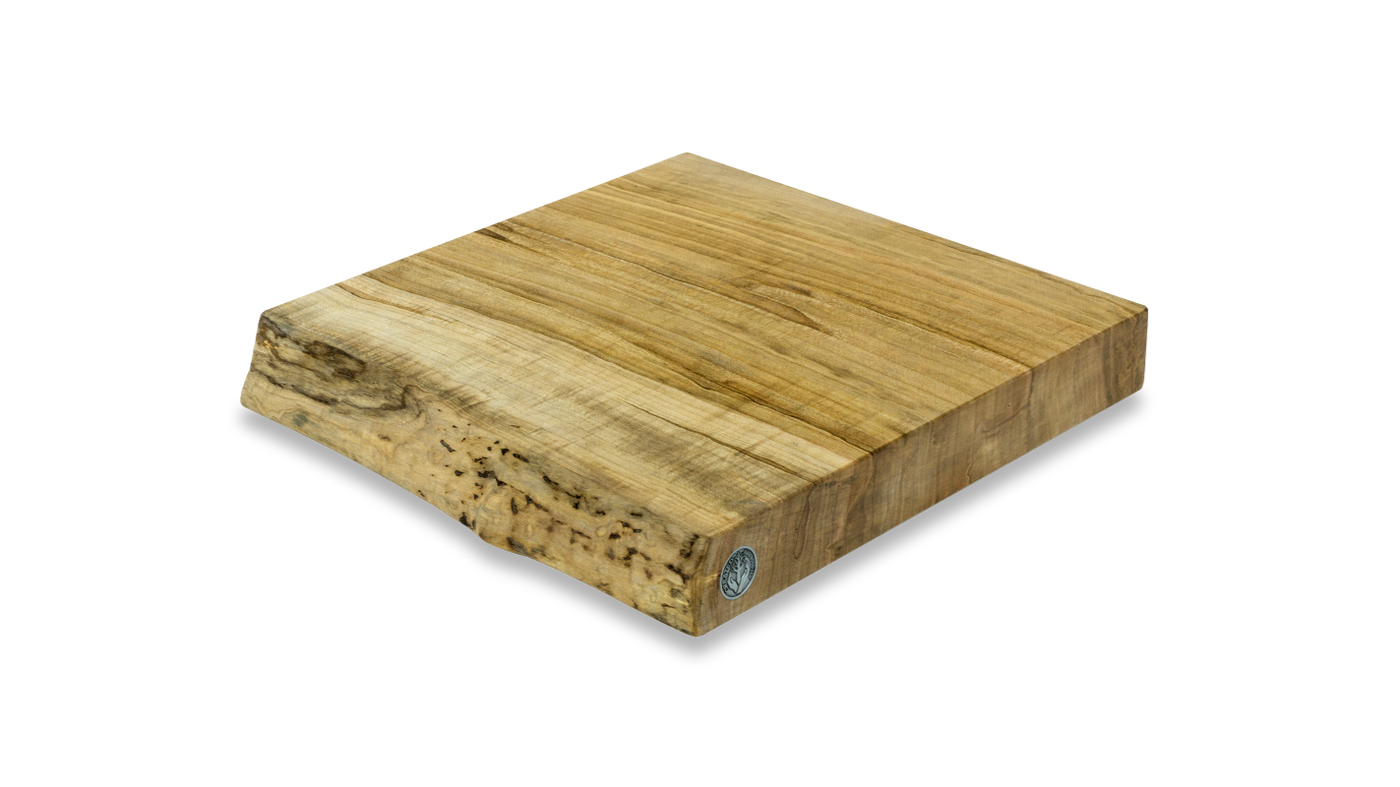
Credit: www.createdhardwood.com
Potential Drawbacks Of Maple Boards
Maple cutting boards are popular in kitchens. They have many good qualities. Still, there are some drawbacks to consider before choosing one.
This article looks at three main issues with maple boards. These are maintenance, stains and odors, and cost. Understanding these helps you make a smart choice.
Maintenance Requirements
Maple boards need regular care to last long. You must clean and oil them often. Without care, the wood can dry out or crack.
- Wash with mild soap and warm water only
- Dry board immediately after washing
- Apply food-safe mineral oil every few weeks
- Avoid soaking or putting in dishwasher
Susceptibility To Stains And Odors
Maple wood can absorb stains and smells from foods. This makes it harder to clean and keep fresh. Strong colors like beet juice leave marks.
| Food Type | Effect on Maple Board |
|---|---|
| Beets | Leaves red stains |
| Garlic | Leaves strong odors |
| Tomatoes | May cause light staining |
| Onions | Can leave odor behind |
Cost Considerations
Maple boards tend to cost more than plastic or bamboo boards. The price depends on size, thickness, and brand. Some find the cost too high for their budget.
- Higher price than many other wood types
- Ongoing cost for maintenance products like oil
- May need replacement if damaged or warped
Care Tips For Maple Cutting Boards
Maple cutting boards are strong and durable. They need proper care to last long.
Good cleaning and maintenance keep the board safe and looking good.
Cleaning Techniques
Wash your maple board with warm water and mild soap. Use a soft sponge or cloth. Rinse well and dry it with a towel.
- Do not soak the board in water
- Never put it in a dishwasher
- Use lemon and salt to remove stains and odors
- Sanitize with vinegar or diluted bleach if needed
Oiling And Conditioning
Oiling keeps the wood from drying and cracking. Use food-safe mineral oil or beeswax.
| Frequency | What to Use | How to Apply |
| Monthly | Mineral oil | Rub with a clean cloth |
| Every 3 months | Beeswax conditioner | Apply thin layer, let dry, then buff |
Avoiding Warping And Cracks
Keep your board flat and dry. Avoid extreme heat or cold. Store it upright or flat in a dry place.
- Do not leave the board soaking in water
- Do not expose it to direct sunlight
- Use both sides of the board evenly
- Fix small cracks by sanding and oiling
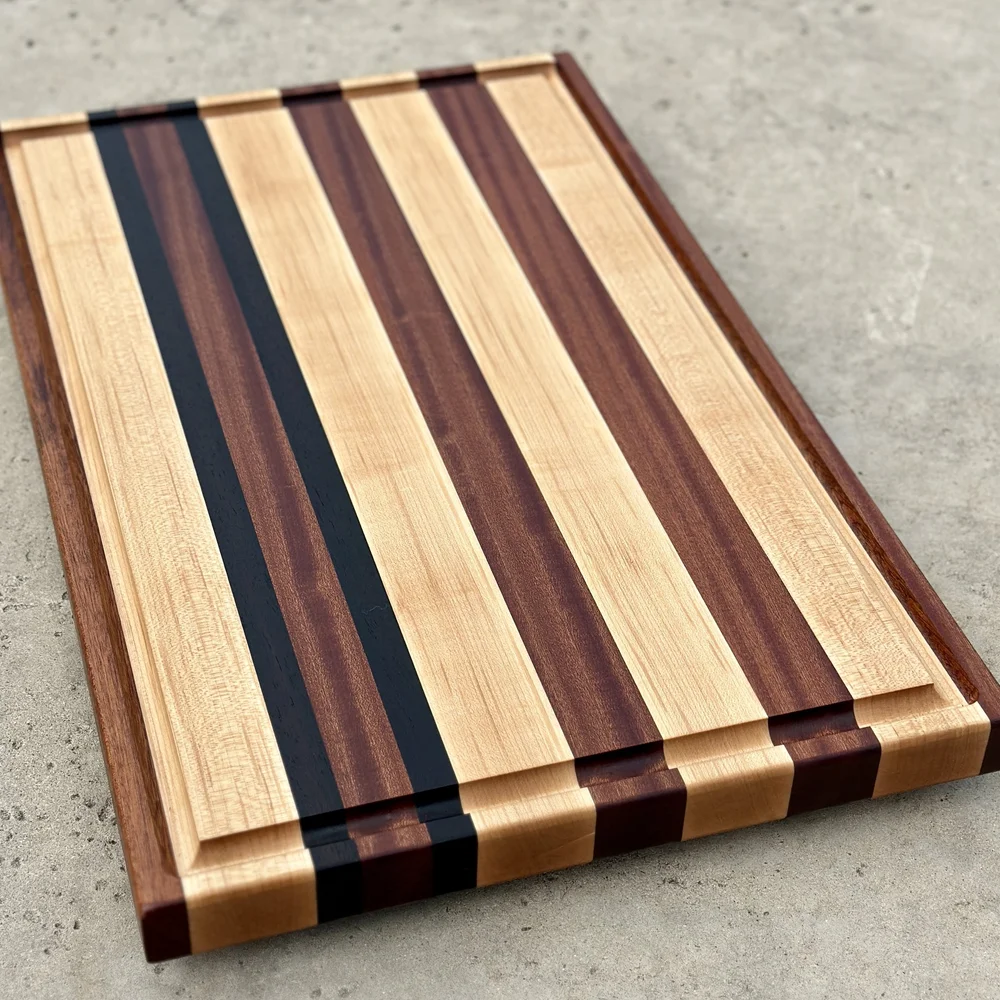
Credit: www.goodshepherdwoodshop.com
Comparing Maple To Other Woods
Choosing the right material for cutting boards is important for kitchen use. Maple is a popular choice. It is strong and gentle on knives.
Other woods and materials also work well. This guide compares maple to bamboo, walnut, and plastic boards.
Maple Vs Bamboo
Maple is a hardwood with a fine grain. It resists cuts and scratches well. Bamboo is a grass, not wood, but is hard and dense.
Bamboo grows fast and is eco-friendly. It can be harder on knives than maple. Maple is softer, so knives stay sharper longer.
- Maple is easier on knife blades
- Bamboo is more eco-friendly due to fast growth
- Bamboo can be harder and more prone to cracking
- Maple has a smoother surface
Maple Vs Walnut
Walnut is a darker hardwood with a rich color. Maple is lighter and more common for cutting boards. Both woods are durable and safe for food use.
Walnut is slightly softer than maple, so it may show cuts more easily. Maple’s hardness helps it last longer with daily use.
- Maple is harder and more resistant to dents
- Walnut offers a unique dark appearance
- Both woods are knife-friendly
- Walnut may need more care to keep its color
Maple Vs Plastic Boards
Plastic boards are lightweight and easy to clean. Maple boards are heavier but have natural antibacterial properties. Both are safe for food.
Plastic can get deep cuts that hold bacteria. Maple’s wood fibers close up after cutting. Maple boards also last longer with proper care.
- Plastic boards can be dishwasher safe
- Maple boards require hand washing only
- Maple has natural antibacterial qualities
- Plastic can wear out faster and get scarred
Buying Guide For Maple Cutting Boards
Maple cutting boards are popular for their durability and beauty. They are a great choice for many kitchens.
This guide will help you pick the best maple cutting board for your needs. Consider size, grain type, and brands.
Choosing The Right Size And Thickness
Choose a size that fits your kitchen space and cooking habits. Larger boards work well for big meals. Smaller boards save space and are easy to clean.
Thickness affects how long the board lasts. Thicker boards resist warping and cracking. Thin boards are lighter but may wear out faster.
Edge Grain Vs End Grain Boards
Maple cutting boards come in edge grain and end grain styles. Each has its own benefits.
- Edge Grain:Strips of wood glued side by side. They are easier to clean and usually less expensive.
- End Grain:Wood blocks glued with the grain facing up. They are gentler on knives and last longer.
Trusted Brands And Price Ranges
| Brand | Price Range | Features |
|---|---|---|
| John Boos | $70 – $200 | Durable, high-quality maple, wide size options |
| Totally Bamboo | $30 – $80 | Eco-friendly, affordable, edge grain boards |
| Ironwood Gourmet | $50 – $150 | End grain options, handcrafted, long-lasting |
| J.K. Adams | $60 – $180 | Made in the USA, solid maple, various styles |
Frequently Asked Questions
Is Maple Wood Safe For Cutting Boards?
Yes, maple wood is safe for cutting boards. It is dense, non-porous, and naturally resistant to bacteria. Its fine grain prevents deep knife cuts, making it hygienic and durable for food preparation.
Why Is Maple Preferred For Cutting Boards?
Maple is preferred for cutting boards due to its hardness and durability. It withstands knife marks well and doesn’t dull blades quickly. Plus, its smooth surface is easy to clean and maintain, making it a top choice for kitchens.
How To Maintain A Maple Cutting Board?
To maintain a maple cutting board, regularly oil it with food-safe mineral oil. Clean it with mild soap and water, then dry immediately. Avoid soaking or dishwasher use to prevent warping and cracking.
Does Maple Cutting Board Dull Knives?
No, maple cutting boards are gentle on knives. Their hard yet slightly soft surface prevents blade dulling. This balance helps keep knives sharper for longer compared to harder materials like glass or stone.
Conclusion
Maple makes a strong and reliable cutting board choice. Its hard surface resists knife marks well. It also cleans easily, helping keep germs away. Maple boards last long with proper care. They offer a smooth surface for safe cutting. Many cooks trust maple for daily kitchen use.
This wood combines durability and hygiene nicely. A good cutting board helps you cook better. Maple stands out as a practical option. Simple care keeps it looking fresh and new.