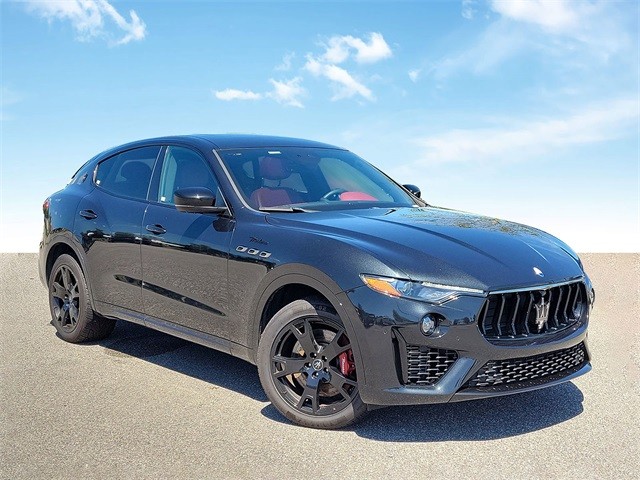
Are you curious about who really owns Maserati? You might have heard rumors linking this luxury car brand to Volkswagen, but what’s the truth behind it?
Understanding who controls Maserati can change how you see the brand and its cars. You’ll get clear, simple answers that reveal the real story. Stick around—what you learn here might surprise you and help you make smarter choices if you’re a car enthusiast or buyer.

Credit: www.vwofmurrieta.com
Maserati’s Ownership History
Maserati’s ownership history is a fascinating journey marked by innovation, strategic partnerships, and several key changes in control. Understanding who has owned Maserati over the years helps clear up common misconceptions—especially about whether Volkswagen ever owned the brand. Let’s take a closer look at how Maserati evolved from its early days to the present.
Early Founding And Growth
Maserati was founded in 1914 by the Maserati brothers in Bologna, Italy. Initially, the company focused on designing racing cars, quickly gaining recognition for performance and style.
During its early growth, Maserati established itself as a symbol of Italian craftsmanship and racing excellence. This solid foundation made it attractive to larger automotive companies later on.
Key Ownership Changes Over Time
Maserati has changed hands several times, but Volkswagen was never one of its owners. Instead, the brand passed through these key hands:
- Citroën(1968-1975): Maserati was acquired by the French automaker, which aimed to combine Italian design with French engineering.
- De Tomaso(1975-1993): The Argentine entrepreneur Alejandro de Tomaso took over, focusing on reviving the brand’s sporty image.
- Ferrari(1999-2005): Maserati became part of the Ferrari group under Fiat’s umbrella, benefiting from Ferrari’s technology and expertise.
- Fiat Chrysler Automobiles (FCA)(2005-2021): Maserati was integrated into FCA, which helped expand its global reach and model lineup.
- Stellantis(2021-present): Following the merger of FCA and PSA Group, Maserati now operates under Stellantis, focusing on electrification and innovation.
So, why does the Volkswagen ownership question pop up? It might be because Volkswagen owns other luxury brands like Audi, Porsche, and Lamborghini, but Maserati has always remained outside the Volkswagen Group.
Knowing these details can help you better appreciate Maserati’s unique position in the luxury car market. What does this history tell you about the importance of brand identity and ownership in the automotive world?

Credit: www.vwofhartford.com
Volkswagen Group’s Brand Portfolio
The Volkswagen Group is one of the largest car manufacturers worldwide. It owns many well-known brands. These brands cover different market segments, from affordable cars to luxury vehicles. The group’s brand portfolio shows its power and diversity in the auto industry.
Each brand under Volkswagen has its unique identity and target audience. This strategy helps Volkswagen reach a wide range of customers. It also strengthens the group’s position in global markets.
Major Luxury Brands Under Volkswagen
- Audi – Known for advanced technology and sporty designs.
- Porsche – Famous for high-performance sports cars and SUVs.
- Bentley – Offers ultra-luxury cars with handcrafted details.
- Lamborghini – Produces exotic supercars with striking looks.
- Bugatti – Specializes in ultra-exclusive hypercars with extreme speed.
Absence Of Maserati In Vw’s Holdings
Maserati is not part of Volkswagen Group. It belongs to Stellantis, another large car company. Stellantis owns many brands like Jeep, Fiat, and Alfa Romeo.
This separation means Volkswagen has no control over Maserati. The two companies compete in the luxury car market. Maserati remains independent from Volkswagen’s brand portfolio.
Current Maserati Ownership
The question of who owns Maserati often arises among car enthusiasts. Maserati, an Italian luxury car brand, is not owned by Volkswagen. It is part of the Stellantis Group, a large automotive conglomerate. Stellantis oversees several well-known brands, ensuring Maserati maintains its unique identity.
Role Of Stellantis Group
The Stellantis Group plays a crucial role in Maserati’s operations. Formed in 2021, Stellantis emerged from the merger of Fiat Chrysler Automobiles and PSA Group. This merger created one of the world’s largest automakers. The group owns many brands, including Maserati. Stellantis provides resources and support to enhance Maserati’s market presence. They focus on innovation and technological advancements. This partnership helps Maserati compete globally, while preserving its luxury appeal.
How Maserati Fits Into Stellantis
Maserati holds a unique position in the Stellantis lineup. Known for luxury and performance, Maserati adds prestige to the group. The brand focuses on high-performance vehicles with Italian craftsmanship. Maserati benefits from Stellantis’ global reach and resources. This allows for expanded production capabilities and new market opportunities. Stellantis supports Maserati’s commitment to quality and innovation. Together, they aim to capture the luxury car market with distinctive, stylish vehicles.
Common Misconceptions About Ownership
Many car enthusiasts often get confused about who actually owns Maserati. There are several common misconceptions floating around, especially linking Maserati with Volkswagen. Clearing up these misunderstandings helps you appreciate the brand’s unique heritage and current place in the automotive world.
Sources Of Confusion
One major source of confusion is that Maserati shares parts and technology with brands under the Volkswagen Group umbrella, like Audi and Porsche. This overlap makes people assume Maserati is owned by Volkswagen, but that’s not the case.
Another reason is the complex web of ownership among luxury carmakers. Maserati is actually owned by Stellantis, a company formed from the merger of Fiat Chrysler Automobiles and PSA Group. Since Volkswagen owns brands like Audi and Lamborghini, people often mix these connections up.
Have you ever noticed how some luxury cars seem to borrow design cues or engines from others? This sometimes leads to mistaken ideas about who owns whom. Understanding the corporate structure behind these brands can help you avoid these pitfalls.
Comparison With Other Luxury Brands
Take Lamborghini, for example. It is owned by Volkswagen’s Audi division, so the connection there is clear. Maserati, on the other hand, remains under the Stellantis umbrella, alongside Jeep, Dodge, and Alfa Romeo.
Mercedes-Benz is another luxury brand often confused with others due to partnerships and platform sharing. Yet, it remains an independent entity owned by Daimler AG. This shows that shared technology doesn’t always equal shared ownership.
Knowing these distinctions can guide you when exploring luxury car options. Do you value brand heritage or just the technology? Recognizing who owns each brand lets you make smarter choices and appreciate what each automaker truly offers.
Impact Of Ownership On Maserati’s Direction
The ownership of a car brand often shapes its future path. For Maserati, ownership influences its design choices, innovation, and market approach. Understanding who controls Maserati helps reveal how the brand evolves. This section explores how ownership affects Maserati’s direction in design, innovation, and market strategy.
Design And Innovation Influence
Ownership impacts Maserati’s design style and technology use. Different parent companies bring unique priorities. These influence the car’s look and features.
Under a brand like Volkswagen, Maserati might share technology platforms. This can speed up innovation but may limit distinct design elements. Owners may push for cost efficiency, affecting material choices.
Maserati’s signature luxury and sporty design remain, but ownership can steer its innovation focus. For example, new engine technology or electric models could be prioritized or delayed. Ownership sets the pace for adopting new trends.
Market Position And Strategy
Ownership shapes Maserati’s market goals and sales strategies. A larger group may aim to expand Maserati’s reach globally. This could include new markets or customer segments.
Marketing budgets and dealership networks depend on the parent company’s strategy. Maserati might target different buyer groups or adjust pricing to fit broader corporate goals.
Ownership also affects product lineup decisions. The company decides which models to develop or retire based on overall group strategy. This helps Maserati stay competitive while fitting within the owner’s portfolio.

Credit: www.vwofhartford.com
Frequently Asked Questions
Is Maserati Owned By Volkswagen Group?
No, Maserati is not owned by Volkswagen Group. It is owned by Stellantis, a multinational automotive company formed in 2021. Maserati was previously part of Fiat Chrysler Automobiles before the merger created Stellantis.
Who Currently Owns The Maserati Brand?
Maserati is currently owned by Stellantis, a global automotive group. Stellantis was formed by merging Fiat Chrysler Automobiles and PSA Group in 2021, making Maserati part of this diverse automotive portfolio.
Has Volkswagen Ever Owned Maserati?
Volkswagen has never owned Maserati. Maserati has remained under Italian ownership, transitioning from Fiat Chrysler Automobiles to Stellantis, with no ownership ties to the Volkswagen Group.
Which Company Is Maserati’s Parent Organization?
Maserati’s parent organization is Stellantis. Stellantis is one of the largest car manufacturers globally, formed by merging Fiat Chrysler Automobiles and PSA Group in 2021.
Conclusion
Maserati is not owned by Volkswagen. It belongs to Stellantis, a large car company. Many people confuse its ownership because of partnerships and similar brands. Maserati keeps its unique style and Italian roots. The brand focuses on luxury and performance cars.
Knowing who owns Maserati helps understand its place in the car world. This clarity benefits fans and buyers alike. Keep following updates to stay informed about car companies.