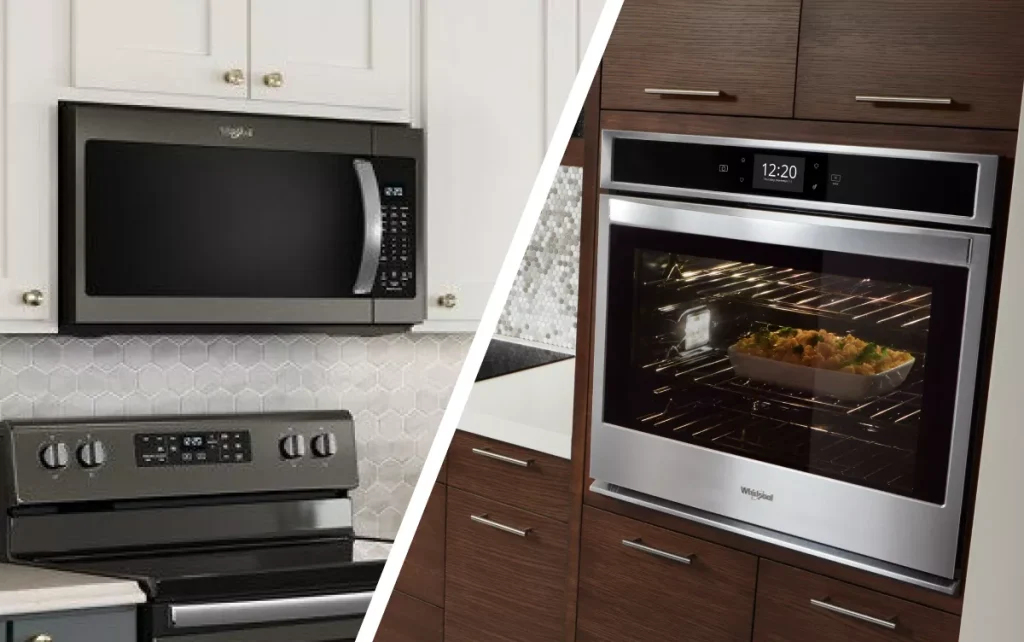
Have you ever found yourself in the kitchen, staring at your microwave and oven, wondering if they are essentially the same thing? You’re not alone.
With so many kitchen gadgets at your disposal, it’s easy to mix them up. But here’s the catch: understanding the differences between a microwave and an oven can revolutionize your cooking experience. Imagine preparing meals more efficiently, saving time, and possibly even enhancing the taste of your dishes.
Intrigued? Keep reading to uncover the unique roles each appliance plays in your kitchen, and how mastering their use can elevate your culinary skills to the next level.
Microwave Basics
Microwaves have become a common kitchen tool for quick cooking and reheating. Understanding how they work helps clarify their role compared to ovens. Microwaves use a unique method to heat food fast without warming the air around it. This makes them different from traditional ovens.
How Microwaves Heat Food
Microwaves use electromagnetic waves to heat food. These waves cause water molecules in food to vibrate rapidly. The vibration produces heat that cooks the food from inside out. This process is quick and energy-efficient. Microwaves do not create heat outside the food like ovens do.
Common Uses Of Microwaves
- Reheating leftovers quickly
- Defrosting frozen food safely
- Cooking simple meals like popcorn or instant noodles
- Warming beverages such as coffee or tea
- Softening butter or melting chocolate
Oven Fundamentals
Understanding the basics of ovens can clarify how they differ from microwaves. Ovens have been a kitchen staple for decades, designed to cook food by surrounding it with heat. This fundamental process shapes the taste and texture of your meals in ways a microwave can’t replicate.
Types Of Ovens
Ovens come in several varieties, each with unique features to suit different cooking needs.
- Conventional Ovens:These use heating elements located at the top and bottom to cook food evenly. They are great for baking and roasting.
- Convection Ovens:Equipped with fans, these ovens circulate hot air, speeding up cooking and creating a crispy exterior on foods like roasted vegetables or chicken.
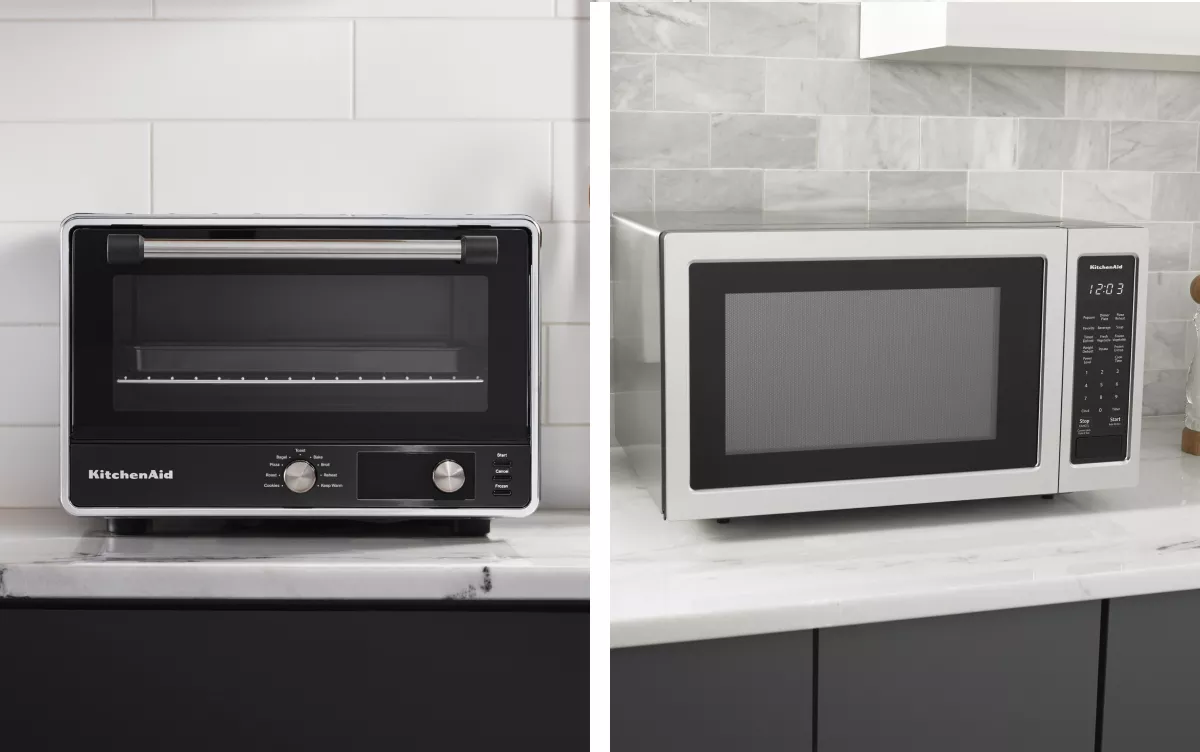
- Toaster Ovens:Compact and quick, perfect for small meals or reheating leftovers with a slight crisp.
- Wood-Fired Ovens:Often used for pizza, they add a smoky flavor and intense heat that conventional ovens can’t match.
Have you ever noticed how a pizza from a wood-fired oven tastes different? That’s the oven type making all the difference.
How Ovens Cook Food
Ovens cook food by applying dry heat that surrounds the dish evenly. This process causes the outer layers of food to brown and develop flavor through the Maillard reaction.
The heat penetrates slowly, allowing meats to cook through while keeping them juicy inside. Baking bread or roasting vegetables requires this steady, even heat to achieve the right texture.
Think about the last time you baked a cake—did you notice how the heat gradually transformed batter into a fluffy dessert? That’s the oven at work, carefully controlling temperature and time.
Heating Mechanism Differences
Microwaves and ovens heat food using very different methods. This difference affects cooking speed, texture, and flavor. Understanding these heating mechanisms helps choose the right appliance for your needs.
Microwave Radiation Vs. Thermal Heat
Microwaves use electromagnetic waves to heat food. These waves excite water molecules inside the food. This causes the molecules to move and generate heat quickly from inside out.
Ovens use thermal heat, which comes from electric coils or gas flames. Heat transfers from the air or oven walls to the food surface. The heat then moves slowly toward the center by conduction.
Microwave heating is faster but less even. Oven heating is slower but more uniform. Each method suits different cooking styles and food types.
Effect On Food Texture And Taste
Microwaving often makes food moist but can leave it soggy or unevenly cooked. It does not brown or crisp food because it lacks direct heat.
Ovens dry the food surface, creating a crispy texture and rich flavors. This browning, called the Maillard reaction, enhances taste and appearance.
Ovens are better for baking, roasting, and crisping. Microwaves excel at reheating and cooking simple meals quickly.
Cooking Time And Efficiency
Understanding the difference in cooking time and efficiency between a microwave and an oven can help you decide which appliance suits your daily needs. Both devices serve the purpose of heating food but vary significantly in how quickly and efficiently they do it. Let’s break down these differences to give you a clearer picture.
Speed Comparison
Microwaves heat food by causing water molecules to vibrate, which generates heat quickly inside the food. This process typically takes minutes, making microwaves ideal for reheating leftovers or cooking simple meals fast.
Ovens use radiant heat to cook food, which takes longer since the heat gradually penetrates the food. Baking or roasting in an oven can take anywhere from 15 minutes to over an hour depending on the dish.
If you’ve ever been in a rush and grabbed the microwave instead of the oven, you know how much time it saves. But, does speed come at the cost of food quality? That’s something to consider depending on what you’re cooking.
Energy Consumption
Microwaves generally consume less energy because they cook food faster and only heat the food, not the surrounding air. This targeted heating means less wasted energy, making microwaves more efficient for quick tasks.
Ovens, on the other hand, require more energy to reach and maintain high temperatures over longer periods. This can add up on your energy bill, especially if you use the oven frequently or for large meals.
Have you noticed your electricity usage spike after a baking marathon? That’s the oven’s energy demand in action. For smaller, quicker meals, the microwave often proves to be the more economical choice.
Safety Considerations
Safety is a key factor when using microwaves and ovens. Both appliances use heat but in very different ways. Knowing how to handle each can prevent accidents and keep you safe in the kitchen. This section explains important safety points for both devices.
Radiation Safety In Microwaves
Microwaves use electromagnetic waves to heat food. These waves are contained inside the microwave oven. The metal walls and door screen stop radiation from escaping. It is safe to stand near a microwave while it is running.
Always check the door seal and hinges. A broken seal might let microwaves leak out. Avoid using a microwave if the door is damaged. Never put metal objects inside. Metal can cause sparks and fires.
Heat Safety In Ovens
Ovens use hot air to cook food. The inside temperature can reach very high levels. Always use oven mitts or gloves when handling hot trays or dishes. Keep children away from the oven during use.
Do not leave the oven door open for long. Hot air can cause burns or start fires. Make sure to clean spills inside the oven. Built-up grease can catch fire easily.
Credit: www.kitchenaid.com
Advantages And Disadvantages
Understanding the advantages and disadvantages of microwaves and ovens helps you choose the right appliance for your cooking needs. Each has unique strengths and limitations that affect how you prepare meals. Let’s look closely at what makes them different and how these differences impact your daily kitchen routine.
Pros And Cons Of Microwaves
Microwaves heat food quickly by using electromagnetic waves. This speed is a major advantage if you’re in a hurry or need to defrost something fast.
- Pros:
- Heats food in minutes, saving time.
- Energy-efficient for small portions.
- Easy to use with preset settings.
- Cons:
- Does not brown or crisp food, limiting texture options.
- Uneven heating can leave cold spots.
- Not suitable for all cooking methods like baking or roasting.
Think about the last time you reheated leftovers in a microwave. Did you notice some parts hotter than others? That’s uneven heating at work, which might affect taste and safety.
Pros And Cons Of Ovens
Ovens cook food by surrounding it with hot air, allowing more versatility. They are ideal for baking, roasting, and crisping foods to perfection.
- Pros:
- Produces even cooking and browning.
- Can handle larger quantities and a variety of dishes.
- Enhances flavors through roasting and caramelization.
- Cons:
- Takes longer to cook compared to microwaves.
- Consumes more energy, especially for small meals.
- Requires preheating, adding to total cooking time.
If you love baking bread or roasting vegetables, ovens deliver flavors and textures microwaves can’t match. But do you always have the time to wait for the oven to preheat?
Choosing Between Microwave And Oven
Choosing between a microwave and an oven depends on what you want to cook and how quickly. Both appliances serve different kitchen needs. Knowing their strengths can help you decide the right tool for your meal.
Best Use Cases For Microwaves
- Reheating leftovers quickly
- Defrosting frozen food
- Cooking simple meals like popcorn or instant noodles
- Warming beverages fast
- Steaming vegetables with minimal fuss
- Melting butter or chocolate smoothly
Best Use Cases For Ovens
- Baking cakes, cookies, and bread
- Roasting meats and vegetables evenly
- Cooking casseroles and large dishes
- Broiling to get a crispy top
- Slow cooking for tender results
- Preparing meals that need browning or crisp texture
Credit: www.maytag.com

Credit: www.frigidaire.ca
Frequently Asked Questions
What Is The Main Difference Between Microwave And Oven?
A microwave uses electromagnetic waves to heat food quickly. An oven cooks food by surrounding it with hot air. Microwaves are faster, while ovens provide even cooking and browning.
Can Microwave Replace An Oven For Baking?
Microwaves are not ideal for baking. Ovens provide consistent, dry heat needed for proper baking. Microwaves may result in uneven texture or soggy outcomes.
Are Microwaves And Ovens Energy Efficient?
Microwaves use less energy due to faster cooking times. Ovens consume more power but are better for large or slow-cooked meals. Choose based on cooking needs.
Is Food Cooked In A Microwave Safe To Eat?
Yes, microwave cooking is safe when used properly. It kills bacteria by heating food evenly. Use microwave-safe containers to avoid harmful chemical leaching.
Conclusion
Microwaves and ovens cook food using different methods. Microwaves heat food quickly with waves. Ovens use hot air to cook slowly and evenly. Each appliance suits different cooking needs. Choose based on what you want to make. Understanding these differences helps you cook better meals.
Both tools have their place in the kitchen. Simple knowledge makes cooking easier and more fun. Which one fits your style best? The choice is yours.