Have you ever wondered if something labeled “microwave safe” can also go into your oven? It’s a common question that can save you from ruined dishes or even dangerous accidents.
Understanding the difference between microwave safe and oven safe isn’t just about convenience—it’s about keeping your kitchen safe and your food perfect. Keep reading, and you’ll learn exactly what you need to know before heating up your meals, so you never have to guess again.

Credit: www.paiinternational.in
Microwave Safe Materials
Microwave safe materials handle heat differently than oven safe ones. Not all microwave safe items can go in the oven. Always check labels before using.
Understanding the difference between microwave-safe and oven-safe materials is crucial. Each serves a distinct purpose and ensures safety while cooking. Not all materials are suitable for both appliances. Knowing which containers are microwave-safe can prevent accidents and maintain food quality.Common Microwave-safe Containers
Not all containers can withstand microwave heat. Some common microwave-safe materials include:- Glass: Durable and doesn’t absorb food odors.
- Ceramic: Often microwave-safe, but check for metal trims.
- Plastic: Only those labeled microwave-safe should be used.
- Silicone: Flexible and handles microwave heat well.
Why Some Materials Are Unsafe
Certain materials can cause problems in microwaves. Metal reflects microwaves, leading to sparks and damage. Thin plastics may melt and release harmful chemicals. Styrofoam can break down and contaminate food. Always check labels to ensure safety.Oven Safe Materials
Oven safe materials can handle high temperatures without melting or breaking. These materials are designed to withstand dry heat for cooking or baking. Knowing which materials are oven safe helps avoid damage to cookware and kitchen accidents.
Some materials are better suited for the oven than others. They keep heat evenly, resist warping, and stay intact during long cooking times. Using the right oven-safe cookware improves cooking results and keeps your kitchen safe.
Popular Oven-safe Cookware
- Ceramic dishes – Great for baking and roasting.
- Glass bakeware – Ideal for casseroles and desserts.
- Cast iron skillets – Retain heat very well.
- Stainless steel pans – Durable and resistant to warping.
- Silicone molds – Flexible and heat resistant.
- Enamel-coated cookware – Combines metal strength with easy cleaning.
Heat Resistance Levels
Oven-safe materials differ in the maximum temperature they tolerate. Some can handle temperatures over 500°F (260°C), while others work well up to 400°F (204°C).
| Material | Max Oven Temperature | Notes |
|---|---|---|
| Ceramic | 450°F (232°C) | Good for most baking tasks. |
| Glass | 425°F (218°C) | Must avoid sudden temperature changes. |
| Cast Iron | 500°F (260°C)+ | Excellent heat retention. |
| Stainless Steel | 500°F (260°C) | Handles high heat well. |
| Silicone | 428°F (220°C) | Flexible and non-stick. |
Temperature Differences
Understanding temperature differences is key to knowing why microwave safe is not the same as oven safe. Both appliances heat food but do so in very different ways. This affects the materials that can safely be used inside them. Heat levels also vary greatly between microwaves and ovens, influencing the risk of damage or hazards.
Microwave Heating Mechanism
Microwaves use electromagnetic waves to heat food. These waves cause water molecules in food to vibrate rapidly. This vibration creates heat that cooks the food from the inside out. The temperature inside a microwave rarely exceeds the boiling point of water, about 212°F (100°C). Materials safe for microwaves can usually handle this moderate heat. However, they may not tolerate the higher temperatures of an oven.
Oven Heat Distribution
Ovens cook food by surrounding it with hot air. Temperatures in ovens can reach 500°F (260°C) or higher. Heat spreads evenly or from specific sources like flames or heating elements. This intense, dry heat can cause some microwave-safe materials to melt, warp, or release toxins. Oven-safe items are designed to withstand these higher, more direct temperatures without damage. The difference in heat intensity and spread explains why microwave safe is not always oven safe.

Credit: razab.com
Safety Concerns
Understanding the safety concerns around microwave-safe and oven-safe containers is crucial to avoid accidents and damage. Using the wrong type of container in either appliance can cause hazards like melting, fires, or chemical leaching. Let’s look at the risks involved with mixing these types of containers and why you should always check the labels carefully.
Risks Of Using Microwave-only Containers In Ovens
Microwave-safe containers are designed to handle the quick, even heating inside a microwave. But ovens heat differently, often reaching much higher temperatures. If you put a microwave-only container in the oven, it might melt, warp, or even catch fire.
Plastic containers made for microwaves often can’t handle the dry heat of ovens. You might see warping or toxic fumes released, which can be harmful to you and your family. Have you ever noticed a plastic dish shrinking or smelling strange after baking? That’s a clear sign the container wasn’t oven-safe.
Dangers Of Oven-only Containers In Microwaves
On the flip side, oven-safe containers, especially those made of metal or thick glass, can be dangerous in microwaves. Metals cause sparks and can damage your microwave or start fires. Thick glass might not heat evenly in a microwave, leading to cracking or breaking.
Many people don’t realize that just because a dish can go in the oven doesn’t mean it’s microwave-friendly. Have you ever seen sparks inside your microwave when you accidentally put a metal tray in? That’s the exact hazard you want to avoid by sticking to microwave-safe containers.
Labeling And Symbols
Labels and symbols on cookware and containers help you understand their safety features. They indicate if an item is safe for microwave or oven use. Learning to read these marks prevents accidents and keeps your food safe. These symbols are usually found on the bottom or packaging of the item. Recognizing them is key to using your cookware correctly.
How To Identify Microwave Safe Items
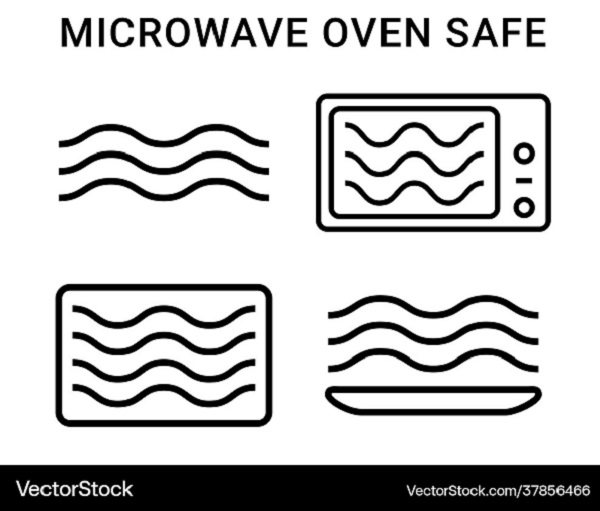
Microwave safe items often show a specific symbol. Look for a microwave icon, usually a small wave or zigzag lines. Some containers also say “microwave safe” in clear text. Plastic containers designed for microwaves usually state this on the label. Avoid items without these marks to prevent melting or harmful chemicals leaching into food.
Recognizing Oven Safe Marks
Oven safe cookware has different symbols than microwave safe ones. Look for an oven icon or words like “oven safe.” Some items list the maximum temperature they can handle. Metal pans, glass, and ceramic often have these marks. Items without oven safe labels should never go in the oven. Checking these labels helps avoid damage or fire hazards.
Credit: ssalloy-steel.com
Practical Tips
Knowing the difference between microwave safe and oven safe cookware can save you from ruined meals and damaged dishes. Practical tips help you choose the right items and avoid costly mistakes. Let’s dive into how to handle your cookware safely and smartly.
Choosing The Right Cookware For Your Appliance
Always check the label or packaging before using cookware in any appliance. Microwave safe dishes usually say so explicitly and are made from materials like glass, ceramic, or certain plastics that won’t melt or spark.
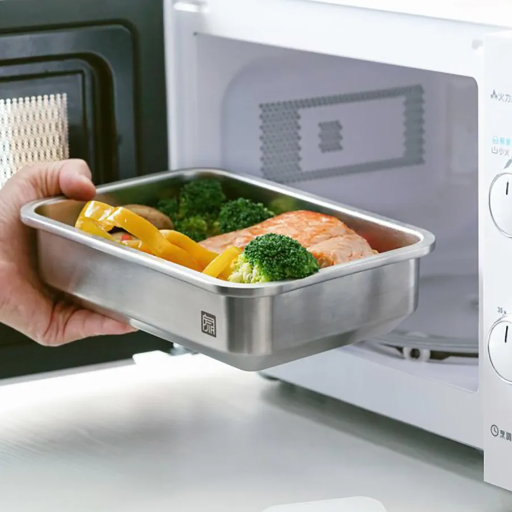
Oven safe cookware can handle high temperatures and is often made of metal, silicone, or heat-resistant glass. You should never put plastic containers meant for microwaves into a hot oven.
Think about your cooking style. Do you often reheat leftovers quickly? Microwave safe containers are perfect. But if you bake or roast, invest in sturdy oven safe dishes.
Avoiding Common Mistakes
Using the wrong cookware can cause fires, toxic fumes, or broken dishes. One common error is heating metal in the microwave, which causes sparks and can damage your appliance.
Don’t assume that because a dish survived the microwave, it’s safe for the oven. Temperature tolerance varies greatly. Glass bowls might crack under oven heat even if they microwave well.
Another mistake is ignoring lids and covers. Some microwave-safe lids trap steam safely, but those same lids may warp or melt in the oven. Always remove plastic covers before baking.
Have you ever tried to warm a frozen meal in a plastic container and ended up with melted sides? That’s a clear sign the container wasn’t meant for the microwave or high heat.
Frequently Asked Questions
Is Microwave Safe The Same As Oven Safe?
No, microwave safe means a container can handle microwave heat. Oven safe means it can withstand higher, dry oven temperatures. They are not interchangeable.
Can I Use Microwave-safe Dishes In A Conventional Oven?
No, microwave-safe dishes may melt or crack in a conventional oven. Always check if the dish is labeled oven safe before use.
What Materials Are Both Microwave And Oven Safe?
Glass, ceramic, and some silicone items can be both microwave and oven safe. Always verify the manufacturer’s instructions for safety.
Why Are Some Containers Microwave Safe But Not Oven Safe?
Microwave-safe containers tolerate microwave radiation but may not handle dry, high heat in ovens. Different heating mechanisms affect material durability.
Conclusion
Microwave safe and oven safe are not the same. Microwaves use quick heat, ovens use slow heat. Materials that work in a microwave may melt in an oven. Always check labels before using any dish. Using the wrong container can cause damage or accidents.
Knowing the difference keeps cooking safe and easy. Choose containers designed for your cooking method. This simple step saves time and prevents problems. Remember, safety in the kitchen matters most.