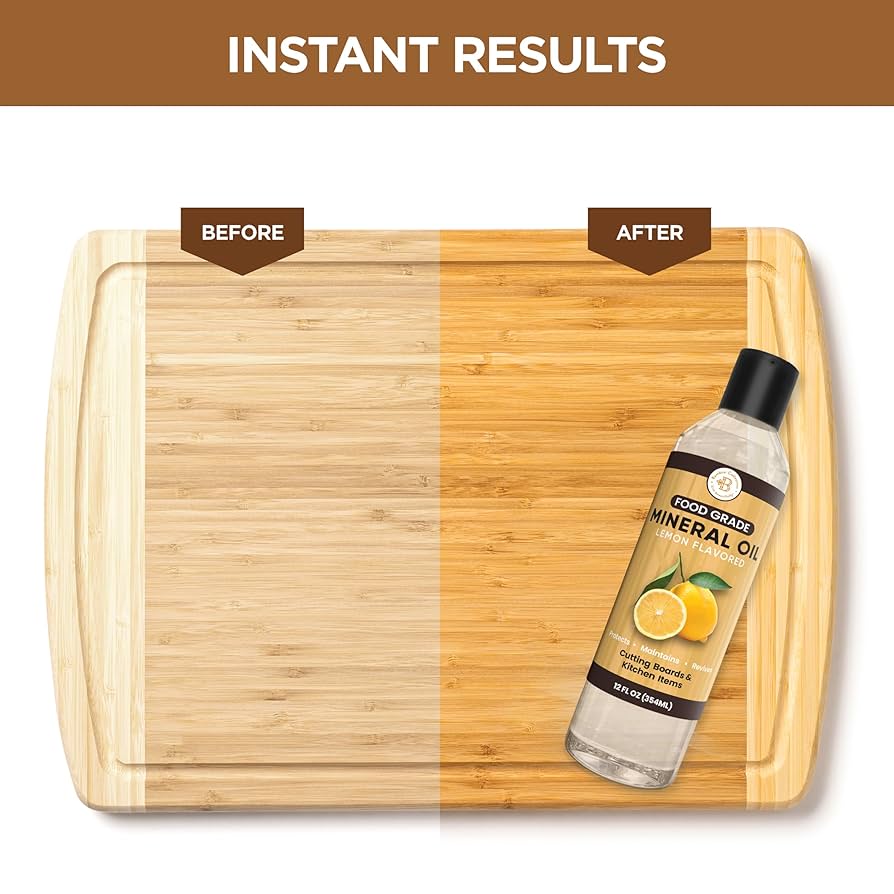
If you use cutting boards often, you probably want to keep them looking fresh and lasting longer. But have you ever wondered if mineral oil is the best choice for treating your cutting board?
You want something that protects your board from cracks and stains without harming your food or your health. You’ll discover the truth about mineral oil and how it can help—or hurt—your cutting board. Keep reading to find out what really works to keep your kitchen tools in top shape.
Benefits Of Mineral Oil For Cutting Boards
Mineral oil is a common choice to care for wooden cutting boards. It helps keep the wood in good shape and lasts longer.
Using mineral oil regularly can protect your cutting board from damage and improve its strength.
Enhances Wood Durability
Mineral oil soaks into the wood, making it stronger and less likely to wear out. It keeps the surface smooth and ready for use.
Prevents Cracking And Warping
Wood can dry out and crack without proper care. Mineral oil stops this by keeping the wood moist and stable.
- Maintains moisture balance in wood
- Reduces chances of splitting or breaking
- Helps the board keep its shape over time
Creates A Water-resistant Barrier
Mineral oil creates a thin layer that blocks water from soaking into the wood. This helps stop stains and damage from liquids.
| Benefit | Effect on Cutting Board |
| Water Resistance | Prevents water absorption and stains |
| Protection | Stops bacterial growth by keeping wood dry |
| Longevity | Extends the life of the board |
How To Apply Mineral Oil Properly
Mineral oil helps protect your cutting board and keep it in good shape. Applying it the right way makes the board last longer and stay safe for food use.
This guide explains how to prepare your cutting board, apply mineral oil correctly, and how often to do it.
Preparing The Cutting Board
Start by cleaning the cutting board well. Use warm water and mild soap to remove all food particles. Dry it fully before applying oil to avoid trapping moisture.
- Wash the board with warm, soapy water
- Rinse and dry with a clean towel
- Let it air dry completely in a vertical position
Step-by-step Application Process
Follow these steps to apply mineral oil evenly and safely on your cutting board.
- Pour a small amount of mineral oil directly on the board surface.
- Use a clean cloth or paper towel to spread the oil evenly.
- Cover all sides and edges to protect the whole board.
- Let the oil soak into the wood for several hours or overnight.
- If the board looks dry, apply a second coat after the first one absorbs.
- Wipe off any extra oil before using the board again.
Frequency Of Oil Treatment
Oiling your cutting board regularly keeps it from drying out and cracking. The frequency depends on how often you use it.
| Use Level | Oil Application Frequency |
|---|---|
| Light Use (1-2 times a week) | Once a month |
| Moderate Use (3-5 times a week) | Every 2 weeks |
| Heavy Use (daily) | Once a week |
Choosing The Right Mineral Oil
Mineral oil helps keep cutting boards smooth and protected. Using the right type is very important for safety and durability.
Not all mineral oils are safe for kitchen use. Learn how to pick the best one for your cutting board.
Food-grade Vs Non-food-grade Oil
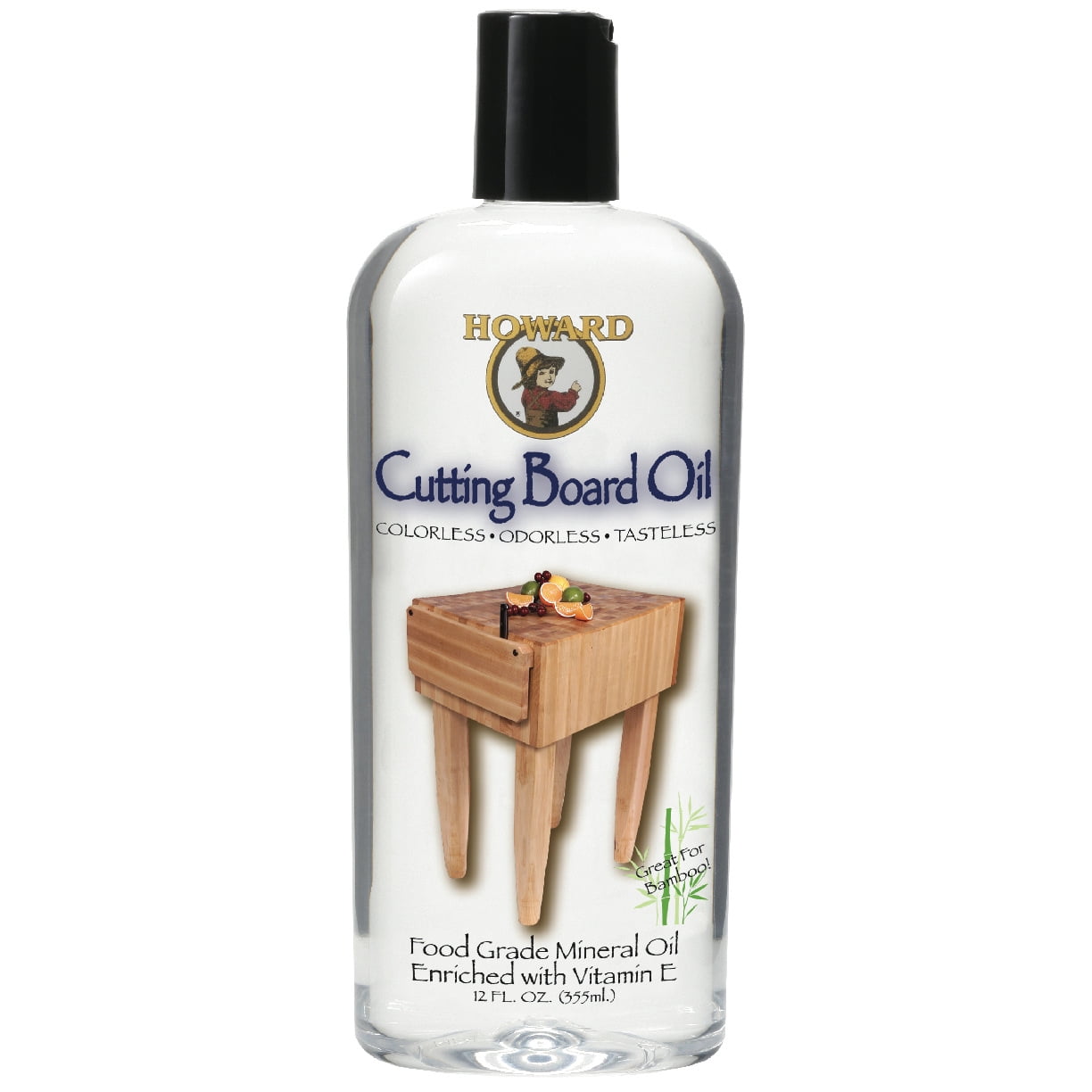
Food-grade mineral oil is safe to use on surfaces that touch food. Non-food-grade oil may contain harmful chemicals. Avoid oils that are not labeled as food-grade.
- Food-grade oil is odorless and tasteless.
- Non-food-grade oil might have additives harmful to health.
- Always check the label to confirm the grade.
Avoiding Harmful Additives
Some mineral oils contain additives that can cause allergic reactions or toxic effects. Choose pure mineral oil without extra chemicals.
| Type of Additive | Risk | What to Do |
| Fragrances | Allergic reactions | Pick fragrance-free oils |
| Preservatives | Possible toxicity | Use pure mineral oil |
| Dyes | Health risks | Avoid colored oils |
Credit: www.walmart.com
Common Mistakes To Avoid
Using mineral oil on cutting boards can keep them in good shape. But many people make mistakes that harm their boards. Avoiding these errors helps your board last longer.
Here are some common mistakes you should watch out for when using mineral oil on your cutting board.
Over-oiling The Board
Applying too much mineral oil can cause problems. The board may feel sticky and attract dirt. Excess oil can also soak into the wood and stay wet inside.
- Use only a small amount each time you oil.
- Let the oil soak in before adding more.
- Wipe off any extra oil with a clean cloth.
Using The Wrong Type Of Oil
Not all oils are safe for cutting boards. Some oils can go rancid and smell bad. Others may harm the wood or food safety.
| Oil Type | Safe for Cutting Boards | Notes |
| Mineral Oil | Yes | Food-grade mineral oil is best. |
| Olive Oil | No | Can go rancid and smell bad. |
| Vegetable Oil | No | Not recommended for wood care. |
| Beeswax | Yes | Often mixed with mineral oil. |
Neglecting Regular Maintenance
Oiling once is not enough. Cutting boards need regular care to stay healthy and safe.
- Oil your board every few weeks or after heavy use.
- Clean the board well before oiling.
- Check for cracks or dry spots and treat them.
Alternative Oils And Treatments
Mineral oil is a common choice for treating cutting boards. It helps protect the wood and keeps it from drying out. Some people look for other oils or treatments to use instead of mineral oil.
This section talks about different oils and blends that can be used to care for cutting boards. Each option has its own benefits and things to watch out for.
Beeswax And Mineral Oil Blends
Beeswax mixed with mineral oil creates a thick, protective finish. This blend helps seal the wood better than mineral oil alone. It also adds a nice shine to the surface of the cutting board.
The beeswax layer makes the board water-resistant. This stops water from soaking into the wood and causing damage. The mineral oil keeps the wood from drying out inside.
- Protects against water damage
- Easy to apply and buff
- Needs to be reapplied regularly
- Natural and food safe
Natural Oils To Consider
Some natural oils can be used to treat cutting boards instead of mineral oil. These include coconut oil, walnut oil, and linseed oil. Each oil has different qualities that affect the wood.
Natural oils soak into the wood and help protect it from cracking. Some have a nice smell and can even help prevent bacteria growth. It is important to use oils that do not go rancid.
- Coconut oil:Solid at room temperature, easy to use
- Walnut oil:Dries hard, good for sealing wood
- Linseed oil:Penetrates deep, but takes time to dry
Pros And Cons Compared To Mineral Oil
Mineral oil is popular because it is cheap and safe. It does not go bad and is easy to apply. Some natural oils and blends offer extra benefits but also have downsides.
Choosing the right treatment depends on your needs. Consider how often you want to reapply and if you want extra protection or natural ingredients.
| Option | Pros | Cons |
|---|---|---|
| Mineral Oil | Safe, inexpensive, long shelf life | Needs frequent reapplication, no sealing |
| Beeswax & Mineral Oil | Water resistant, adds shine | Requires buffing, slightly more effort |
| Natural Oils | Natural, some antibacterial, good smell | May go rancid, some allergenic |

Credit: www.amazon.com
Signs Your Cutting Board Needs Oil
Wooden cutting boards need regular care to stay in good shape. One key step is oiling them with mineral oil. Oiling helps protect the wood from damage.
You can tell when your cutting board needs oil by looking for certain signs. These signs show the board is drying out or getting damaged.
Dryness And Dull Appearance
When your cutting board looks dry or dull, it means the wood is losing its natural oils. The surface feels rough and may not shine like before.
Oiling restores moisture and brings back the board’s natural color and shine. It also keeps the wood smooth and pleasant to use.
Absorbing Liquids Quickly
A cutting board that soaks up water or juice fast needs oil. Without oil, wood absorbs liquids easily, which can cause stains and bad smells.
Applying mineral oil creates a barrier that helps the board repel liquids. This keeps it cleaner and safer for food prep.
Surface Cracks Or Splinters
Small cracks or splinters on the cutting board show the wood is drying out and shrinking. These can make the board unsafe to use and harder to clean.
Regular oiling fills the wood fibers and stops cracks from getting worse. It also helps keep the surface smooth and safe for cutting.

Credit: www.amazon.com
Frequently Asked Questions
What Is Mineral Oil?
Mineral oil is a clear, odorless liquid derived from petroleum. It is commonly used to treat wooden cutting boards. Its main benefit is that it prevents the wood from drying out and cracking. It is food-safe and enhances the board’s longevity by maintaining its moisture.
Is Mineral Oil Food-safe For Cutting Boards?
Yes, mineral oil is food-safe and widely used for cutting boards. It is non-toxic and prevents wood from absorbing food particles and bacteria. Regular application helps maintain the board’s surface, ensuring it remains safe for food preparation and extends its lifespan.
How Often Should I Oil My Cutting Board?
You should oil your cutting board once a month. Regular oiling maintains the wood’s moisture and prevents it from drying out. If your board appears dry or rough, apply mineral oil more frequently. Consistent care enhances the board’s durability and usability.
How To Apply Mineral Oil To Cutting Boards?
To apply mineral oil, pour a small amount onto the board. Use a clean cloth to spread it evenly across the surface. Allow the oil to soak in for a few hours or overnight. Wipe off any excess oil before using the board again.
Conclusion
Mineral oil helps keep cutting boards strong and smooth. It stops wood from drying out and cracking. Using it often can make your board last longer. It also makes cleaning easier by sealing the surface. Just apply a small amount and rub it in well.
Safe and easy care for your kitchen tool. Mineral oil is a simple choice to protect your cutting board. Try it and see the difference yourself.