
Have you ever noticed a musty smell coming from your air conditioner? That could be a sign of mold growing inside your unit.
But is mold in an air conditioner dangerous to you and your family? You might think it’s just a minor nuisance, but the truth could affect your health and comfort more than you realize. You’ll discover why mold in your AC is a problem you can’t ignore and what you can do to protect your home and well-being.
Keep reading to find out how to spot the signs and keep your air clean and safe.
Causes Of Mold Growth In Air Conditioners
Mold can grow inside air conditioners and cause health problems. It happens when certain conditions allow mold to thrive. Understanding these causes helps stop mold growth.
Air conditioners have parts that can stay damp or dirty. These parts create a perfect place for mold to grow. Knowing what causes mold can keep your air clean and safe.
Moisture And Humidity Factors
Mold needs moisture to grow. Air conditioners often have wet areas due to condensation. High humidity in the room makes moisture build up inside the unit.
When moisture stays on coils or drip pans, mold can start growing quickly. Poor drainage can also trap water inside the unit, helping mold spread.
- Condensation on cooling coils
- High indoor humidity levels
- Clogged or slow-draining drip pans
- Standing water inside the unit
Poor Maintenance And Cleaning
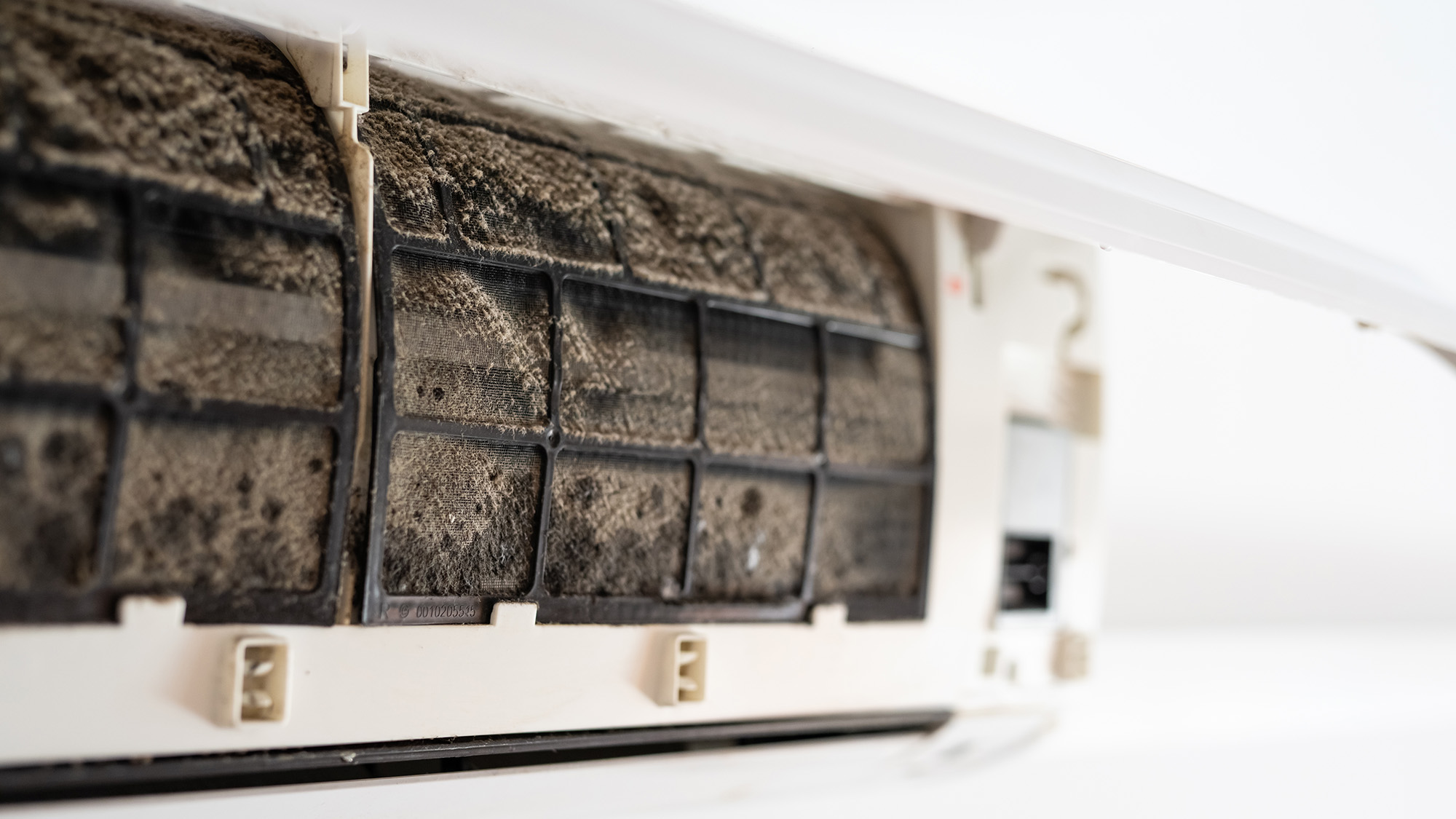
Not cleaning your air conditioner can cause mold growth. Dust and dirt build up on parts and trap moisture. This creates a perfect place for mold to live.
Filters, coils, and drip pans must be cleaned regularly. Skipping maintenance lets mold spores settle and grow inside the unit.
- Dirty air filters collect dust and mold spores
- Neglected coils stay damp and dirty
- Unclean drip pans hold water and debris
- Long gaps between service and cleaning
Airflow And Filter Issues
Poor airflow reduces drying inside the air conditioner. When air does not move well, moisture stays longer on surfaces. This helps mold grow.
Clogged or old filters block air and trap moisture. Good airflow and clean filters keep the unit dry and mold-free.
- Blocked or dirty air filters
- Obstructed vents or ducts
- Inadequate air circulation inside the unit
- Failure to replace filters on time
Common Types Of Mold Found In Ac Units
Mold can grow inside air conditioner units. It happens because of moisture and dust. Some molds are more common in AC systems.
Knowing the types of mold helps you understand the risks. It also guides proper cleaning and maintenance.
Black Mold
Black mold is one of the most dangerous molds found in AC units. It often looks dark green or black. It grows in damp areas inside the system.
This mold can cause breathing problems and allergic reactions. People with asthma or weak immune systems are more at risk.
Cladosporium
Cladosporium is a common mold in air conditioners. It grows on wet surfaces and inside ducts. It appears as green, brown, or black spots.
This mold can trigger asthma attacks and cause skin irritation. It spreads easily through the air when the AC runs.
Penicillium
Penicillium mold grows quickly on materials like insulation and filters. It looks blue or green with a fuzzy texture. It thrives in moist parts of the AC.
This mold can cause allergic reactions and respiratory issues. It may also produce mycotoxins that harm health.
Health Risks Linked To Mold Exposure
Mold in air conditioners can cause health problems. Tiny spores spread in the air and enter your lungs. People can react differently depending on their health.
Understanding the risks helps you stay safe. Mold may trigger breathing issues and worsen some diseases.
Respiratory Problems
Mold spores can irritate your respiratory system. This irritation can cause coughing, sneezing, and sore throat. People with weak lungs may feel worse symptoms.
Allergic Reactions
Many people are allergic to mold spores. Allergic reactions include itchy eyes, runny nose, and skin rashes. These symptoms can be mild or severe.
- Itchy, watery eyes
- Runny or blocked nose
- Sneezing fits
- Skin irritation or rash
- Swelling in some cases
Asthma And Chronic Conditions
Mold can make asthma and other lung diseases worse. It may cause asthma attacks or breathing difficulties. Long-term exposure may harm people with chronic conditions.
| Condition | Effect of Mold Exposure |
| Asthma | Triggers attacks, causes wheezing |
| Chronic Bronchitis | Increases coughing and mucus |
| COPD | Worsens breathing problems |

Credit: www.reddit.com
Signs Mold Is Present In Your Ac System
Mold can grow inside your air conditioner if moisture builds up. It can cause health problems and damage your system.
Knowing the signs of mold helps you act quickly. Watch for smells, spots, and allergy symptoms linked to mold.
Musty Odors
A strong, musty smell is a common sign of mold in your AC. This odor comes from mold spores released into the air.
If you notice this smell when the AC runs, mold likely grows inside the system or ducts. It means moisture is present.
Visible Mold Spots
Check your AC vents and coils for black, green, or white spots. These spots may be mold growing on damp surfaces.
Seeing mold means you should clean the AC and fix leaks. Mold can spread quickly if not removed.
Frequent Allergy Symptoms
People near moldy AC often get sneezing, coughing, or itchy eyes. These allergy symptoms happen because of mold spores in the air.
If symptoms improve when away from home, mold in the AC is likely the cause. This shows the air quality is poor.
Preventing Mold Growth In Air Conditioners
Mold can grow inside air conditioners if moisture builds up. This causes poor air quality and health risks. Keeping the AC clean helps stop mold from growing.
Simple care steps can keep your AC free from mold. These include cleaning, managing humidity, and upgrading parts.
Regular Cleaning Routines
Cleaning your air conditioner often removes dust and moisture. This stops mold spores from settling and growing inside.
- Turn off power before cleaning
- Clean or replace air filters monthly
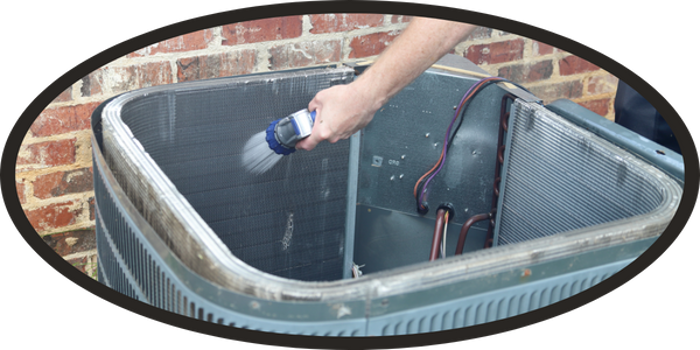
- Wipe down coils and drip pans
- Remove debris from vents and ducts
- Use a mild detergent and water for cleaning
Controlling Indoor Humidity
High humidity inside your home helps mold grow in air conditioners. Keep indoor humidity below 60% to reduce this risk.
| Humidity Level | Effect on Mold Growth |
| Below 40% | Very low chance of mold |
| 40% – 60% | Low chance of mold |
| Above 60% | High chance of mold |
Upgrading Filters And Components
Better filters and parts help keep the air conditioner dry and clean. This lowers mold growth chances.
- Use HEPA or antimicrobial filters
- Check and replace filters every 3 months
- Install a UV light inside the unit to kill mold spores
- Seal leaks in ducts to prevent moisture
Credit: www.tomsguide.com
Safe Mold Removal Techniques
Mold in an air conditioner can cause health problems. It also harms your AC unit and indoor air quality.
Safe mold removal protects your health and keeps your AC working well. Use proper methods to clean mold safely.
Diy Cleaning Tips
Wear gloves and a mask before cleaning mold in your AC. This stops you from breathing in mold spores.
Use a mixture of water and mild detergent to scrub small mold areas. Avoid bleach on some AC parts as it can cause damage.
- Turn off the AC and unplug it before cleaning
- Clean or replace air filters regularly
- Use a soft brush to reach vents and coils
- Dry all cleaned areas completely to stop mold growth
When To Call Professionals
Call a professional if mold covers a large area inside your AC. They have special tools and training for safe removal.
Professionals can check hidden parts of your AC and fix moisture problems. This helps stop mold from coming back.
- Mold covers more than 10 square feet
- You have allergies or breathing issues
- Mold returns after cleaning
- Visible mold inside ducts or deep parts
Using Mold-resistant Products
Choose mold-resistant sprays and coatings for AC parts. These products help prevent mold growth on surfaces.
Use mold-resistant air filters to improve air quality. These filters trap mold spores and keep your home safer.
- Apply mold-resistant sprays on coils and vents
- Install high-quality mold-resistant air filters
- Keep your AC dry to reduce mold risk
Impact Of Mold On Ac Efficiency
Mold can grow inside air conditioners if moisture builds up. This growth affects how well your AC works.
Understanding the impact of mold on AC efficiency helps keep your system running smoothly.
Reduced Airflow
Mold blocks air filters and vents inside the AC. This reduces the amount of air that flows through the system.
Less airflow means the AC cannot cool your space well. It also makes the system work harder than usual.
Increased Energy Consumption
Mold buildup forces the AC to use more power. It tries to maintain the desired temperature with less airflow.
This extra effort raises your electricity bills. The system becomes less energy-efficient over time.
- Mold causes clogged filters and coils
- Clogged parts make the AC work harder
- Hard work increases energy use
- Higher energy use leads to bigger bills
System Damage Risks
Mold can damage important AC parts like coils and fans. It creates a moist environment that speeds up wear and tear.
Damaged parts may cause the system to break down. Repairs can be costly and reduce the AC’s life span.
- Mold causes metal parts to rust
- Rust weakens AC components
- Weakened parts break more often
- Frequent repairs shorten AC lifespan
Credit: www.moldinspectiontexas.com
Frequently Asked Questions
Can Mold In Air Conditioners Cause Health Problems?
Yes, mold in air conditioners can trigger allergies, asthma, and respiratory issues. It releases spores that irritate the lungs and skin.
How Does Mold Grow Inside An Air Conditioner?
Mold grows in damp, warm areas inside the unit. Moisture from condensation creates a perfect environment for mold spores to thrive.
What Are The Signs Of Mold In An Air Conditioner?
Common signs include musty odors, visible black or green spots, and frequent allergy symptoms when the AC runs.
How Can I Prevent Mold Growth In My Air Conditioner?
Regular cleaning, changing filters, and ensuring proper drainage prevent mold. Keeping humidity low also stops mold from developing.
Conclusion
Mold in an air conditioner can cause health problems. It spreads through the air you breathe inside your home. Breathing mold spores may lead to allergies, coughing, or headaches. Cleaning and maintaining your AC regularly helps prevent mold growth. Fix leaks and keep the system dry to avoid mold.
A clean air conditioner means better air quality and comfort. Stay aware of mold risks to protect your health. Simple care keeps your AC safe and your home fresh. Don’t ignore mold signs; act quickly for a healthier space.