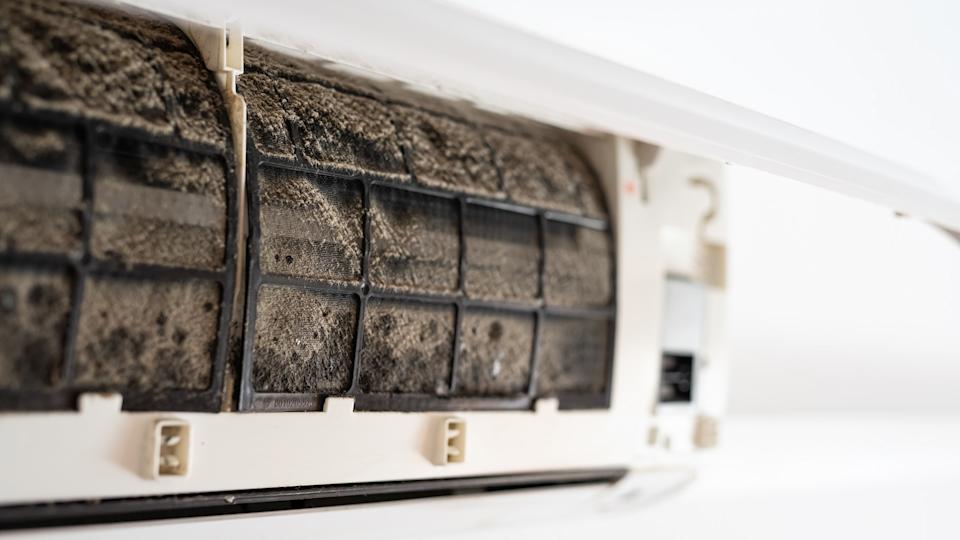
Have you ever noticed a musty smell when you turn on your air conditioner? That smell could be a sign of mold lurking inside your unit.
But is mold in an air conditioner dangerous for you and your family? You might be surprised to learn how this hidden problem can affect your health and your home. Understanding the risks and knowing what to do can save you from bigger issues down the road.
Keep reading to discover why mold in your air conditioner should never be ignored and how you can protect yourself today.
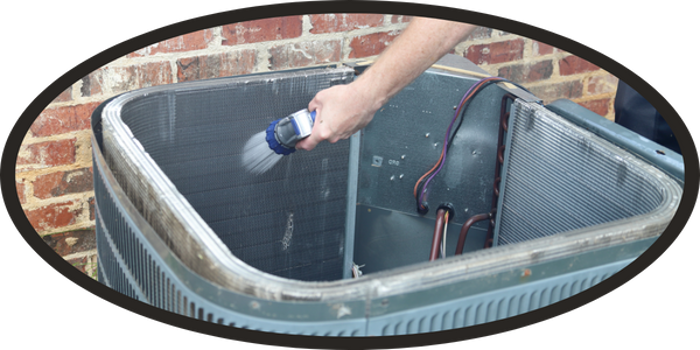
Credit: www.moldinspectiontexas.com
Mold Growth In Air Conditioners
Mold growthin air conditioners is common and can cause health problems. Mold spores spread through the air, triggering allergies and breathing issues. Moisture and dust inside the unit create a perfect place for mold to grow.
| Common Mold Types | Characteristics | Health Effects |
|---|---|---|
| Cladosporium | Black or green patches | Allergies, asthma attacks |
| Aspergillus | Green or yellow color | Respiratory infections |
| Penicillium | Blue or green fuzzy growth | Allergic reactions |
Warm temperatures, high humidity, and poor ventilation help mold grow fast. Dust and dirt inside the AC also feed mold. Regular cleaning and changing filters reduce mold risks.

Credit: www.reddit.com
Health Effects Of Mold Exposure
Mold in air conditionerscan cause several health problems. Breathing in mold spores may lead to respiratory issueslike coughing, wheezing, and shortness of breath. People with asthma might have more frequent attacks.
Many experience allergic reactionssuch as sneezing, runny nose, and itchy eyes. Mold triggers the immune system, causing discomfort and irritation.
Certain groups are more vulnerable. These include young children, elderly people, and those with weak immune systems. They may develop more serious infections or lung problems from mold exposure.
Signs Of Mold In Your Ac Unit
Unusual odorsare a clear sign of mold in your AC unit. A musty or damp smell often means mold is growing inside. This smell may get stronger when the AC runs.
Visible mold spotscan appear on vents, filters, or inside the unit. These spots look like black, green, or white patches. Spotting mold early helps prevent bigger problems.
Reduced air qualityhappens because mold releases tiny spores. These spores travel through the air and can cause allergies or breathing problems. Poor air quality might make you cough or sneeze more often.
Preventing Mold Growth In Air Conditioners
Regular cleaning helps keep your air conditioner mold-free. Change or clean filters often. Wipe down surfaces to remove dirt and moisture. Check for leaks and fix them fast.
Humidity control is key. Aim to keep indoor humidity below 60%. Use a dehumidifier if needed. Dry wet areas quickly to stop mold growth.
Proper ventilation lets fresh air in and moist air out. Use exhaust fans in kitchens and bathrooms. Open windows when weather allows. Good airflow stops mold spores from settling.
Cleaning Mold From Air Conditioners
Cleaning moldfrom air conditioners keeps the air fresh and healthy. Start by turning off the unit and unplugging it for safety. Use a soft brush or cloth to wipe away visible mold on the vents and filters. Soaking the filter in a mix of water and mild detergent helps remove mold deeply. Rinse it well and let it dry fully before reinstalling.
Spray a solution of white vinegar or a commercial mold cleaner on affected areas. Let it sit for 10 minutes to kill mold spores. Wipe clean with a damp cloth. Avoid using bleach as it can damage parts and create harmful fumes. Keep the area dry to stop mold from growing back.
- Wear gloves and a mask during cleaning to avoid breathing spores.
- Check and clean regularly to prevent mold buildup.
- Keep the room well-ventilated and control humidity levels.
Call professionalsif mold is deep inside or covers large areas. They have tools to clean thoroughly and safely. Persistent mold or strange odors also need expert help. Professionals can inspect and fix issues causing mold growth.
Long-term Risks Of Ignoring Mold
Ignoring mold in an air conditioner can cause health problems like allergies and breathing issues. Over time, mold spreads and damages the unit, leading to costly repairs. Regular cleaning helps keep your air safe and your system working well.
Worsening Health Problems
Mold in an air conditionercan cause serious health issues over time. It releases tiny spores that enter the air you breathe. These spores can trigger allergies, asthma, and respiratory problems. People with weak immune systems or lung problems may suffer more. Constant exposure can lead to chronic coughing, sneezing, and irritationin the eyes, nose, and throat. Mold can also make existing health problems worse.
Damage To Ac System
Mold growth inside the air conditioner can cause clogged filters and blocked ducts. This reduces the system’s efficiency and leads to higher energy bills. Over time, mold can cause rust and corrosionof metal parts. The AC may break down more often and need costly repairs or replacement. Ignoring mold can shorten the life of your air conditioner.

Credit: health.yahoo.com
Frequently Asked Questions
What Are The Health Risks Of Mold In Ac?
Mold in air conditioners can cause respiratory problems, allergies, and asthma attacks. It releases spores into the air, which can be inhaled. Prolonged exposure may lead to headaches, dizziness, and fatigue. It is essential to address mold issues promptly to maintain a healthy indoor environment.
How Can I Identify Mold In My Air Conditioner?
You can identify mold by a musty smell and visible black or green spots. Check air vents, filters, and coils for mold growth. If you experience unexplained allergies or respiratory issues, mold may be present. Regular maintenance and inspections can help detect mold early.
Can Mold In Ac Affect Indoor Air Quality?
Yes, mold in air conditioners can significantly impact indoor air quality. Mold spores circulate through the air, leading to health issues. Poor air quality can cause respiratory problems, allergies, and worsen asthma. Regular cleaning and maintenance of your AC unit can help improve air quality.
How Do I Prevent Mold In My Air Conditioner?
Prevent mold by regularly cleaning and maintaining your air conditioner. Replace or clean filters monthly and ensure proper ventilation. Use a dehumidifier to reduce moisture levels. Schedule professional inspections annually to check for mold growth and address any issues promptly.
Conclusion
Mold in an air conditioner can cause health problems. It affects air quality and may trigger allergies or asthma. Regular cleaning helps stop mold growth. Keep your AC dry and well-maintained. Air filters need changing often to catch mold spores.
Don’t ignore musty smells from your unit. Acting quickly protects your home and health. Clean air means better breathing and comfort indoors. Stay aware and take steps to prevent mold. Your air conditioner should cool, not spread mold.