
Have you ever noticed a strange smell or visible spots inside your window air conditioner? That could be mold, and it’s more common than you might think.
But here’s the important question: is mold in your window air conditioner dangerous for you and your family? Understanding the risks and how mold affects your health can help you take the right steps to protect your home. Keep reading to discover what mold really means for your air quality and what you can do to keep your air conditioner safe and clean.

Credit: www.angi.com
Mold Growth In Window Air Conditioners
Mold can grow inside window air conditioners. It happens when moisture stays inside the unit. Mold spores float in the air and settle in damp places.
Mold in air conditioners can cause bad smells. It may also affect air quality and health. Understanding how mold grows helps prevent it.
Common Causes Of Mold Formation
Mold forms when water collects inside the air conditioner. Dust and dirt also help mold grow. A dirty filter can block airflow and trap moisture.
Not cleaning the unit regularly allows mold to build up. Poor drainage means water stays inside longer. These conditions create a perfect home for mold.
- Water buildup from clogged drain or leaks
- Dust and dirt inside the unit
- Dirty or old air filters
- Poor ventilation around the air conditioner
- Long periods of use without cleaning
Conditions That Promote Mold Development
Mold grows best in warm and moist places. Window air conditioners often stay damp inside. This happens because cold air meets warm air.
High humidity in the room helps mold spores grow quickly. Lack of sunlight and poor airflow also promote mold. These conditions make it hard to keep the unit dry.
- Warm temperatures inside the unit
- High indoor humidity levels
- Poor airflow around the air conditioner
- Darkness inside the unit
- Standing water or damp surfaces
Health Risks Linked To Mold Exposure
Mold can grow inside window air conditioners if they are not cleaned well. Mold releases spores into the air. Breathing these spores can cause health problems.
People who breathe in mold spores may feel sick. The risks depend on the amount of mold and a person’s health.
Respiratory Issues And Allergies
Mold spores can irritate the lungs and airways. This can cause coughing, sneezing, and wheezing. Many people develop allergic reactions to mold.
Symptoms include a runny nose, itchy eyes, and skin rashes. People with asthma may have more attacks when exposed to mold.
- Shortness of breath
- Frequent coughing or wheezing
- Allergic rhinitis symptoms
- Worsening asthma symptoms
Potential For Severe Infections
Some types of mold can cause serious infections. These infections may affect the lungs and other organs. People with weak immune systems are at higher risk.
Infections can be hard to treat and may need special medicines. Mold in air conditioners can spread spores that cause these infections.
Impact On Vulnerable Groups
Children, elderly, and people with health problems face greater risks from mold. Their bodies may not fight mold effects well. Mold exposure can cause serious breathing problems in these groups.
It is very important to keep window air conditioners clean to protect these vulnerable groups from mold-related health issues.
Signs Of Mold In Your Air Conditioner
Mold can grow inside window air conditioners if moisture builds up. It may harm your health and damage the unit. Knowing the signs helps you spot mold early.
Watch for visible mold or strange smells. These clues tell you when to clean or call a professional.
Visible Mold Indicators
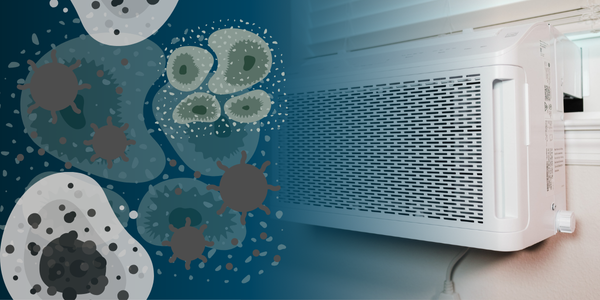
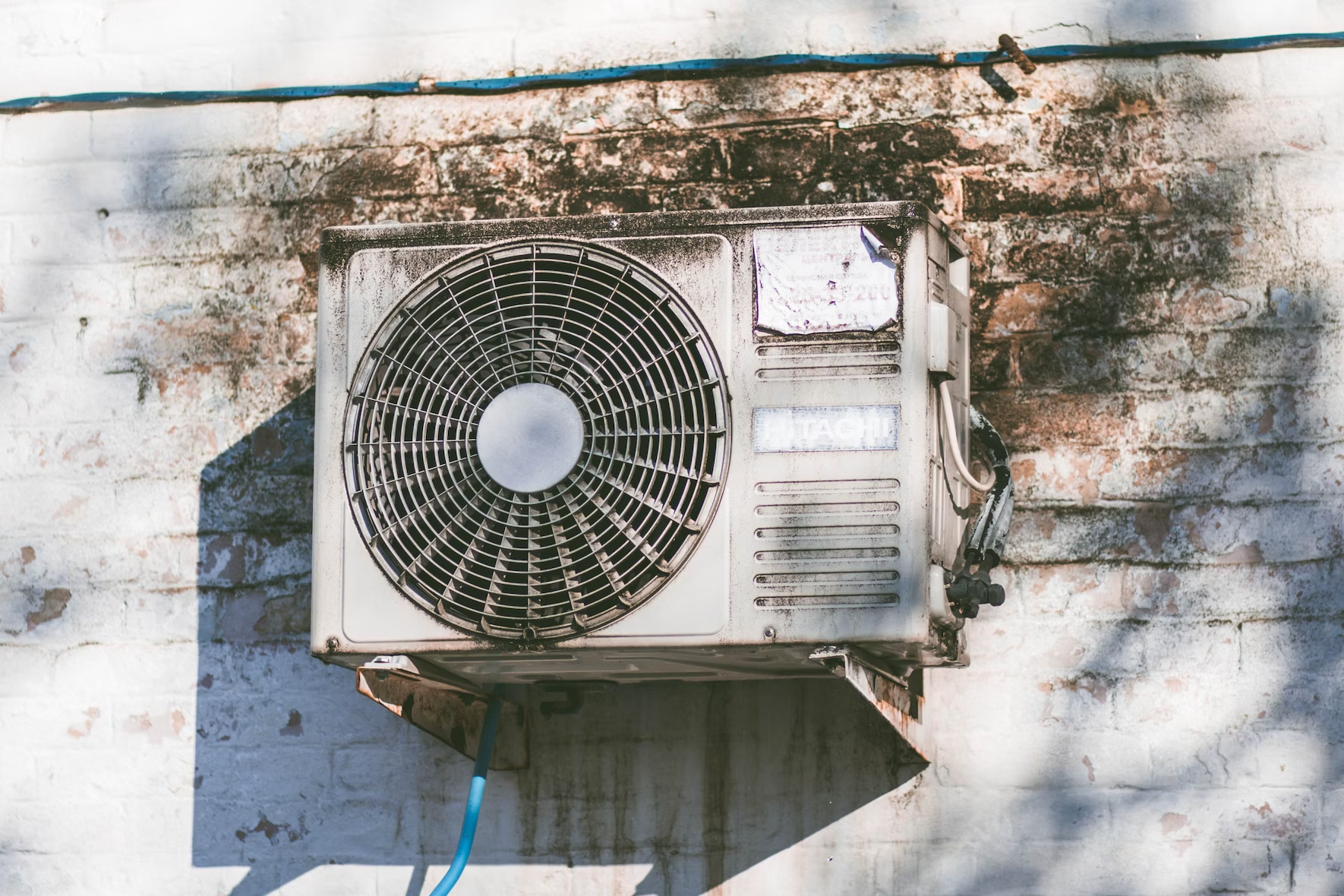
Mold often appears as black, green, or white spots on the air conditioner. Check the vents, filters, and around the water drain.
If you see fuzzy or slimy patches on the unit, this is a clear sign of mold growth. Mold can spread quickly if not treated.
- Black or green spots on vents and filters
- White powdery or fuzzy patches
- Discoloration near water drainage areas
- Visible dirt that won’t wipe away easily
Unusual Odors And Air Quality Changes
Mold inside the air conditioner can cause a musty or damp smell. You might notice this when the unit runs.
Air quality may worsen, causing coughing, sneezing, or headaches. These symptoms show mold spores in the air.
- Musty or earthy smell from the air conditioner
- Increased allergy symptoms indoors
- Stuffy or stale air in the room
- Feeling of irritation in eyes or throat
Credit: www.moldinspectiontexas.com
Preventing Mold In Window Ac Units
Mold can grow inside window air conditioners if moisture builds up. Mold causes bad smells and health problems.
Stopping mold means cleaning the unit often and using it the right way. This keeps your air fresh and safe.
Regular Cleaning And Maintenance Tips
Cleaning your window AC regularly helps stop mold from growing. Dirt and water can trap mold inside the unit.
- Turn off and unplug the AC before cleaning.
- Remove and wash the filter with warm soapy water every month.
- Clean the coils and fins gently with a brush or vacuum.
- Check and clear the drain pan and drain hole to avoid water buildup.
- Dry all parts well before putting the unit back together.
- Use a mold-killing spray safe for AC units if you see mold spots.
Proper Installation And Usage Practices
Installing and using the window AC correctly lowers mold risk. Bad setup can cause water leaks and dampness.
| Practice | Why It Helps |
| Install at a slight tilt | Allows water to drain outside |
| Seal gaps around unit | Prevents humid air from entering |
| Use AC regularly | Keeps air flowing and dry |
| Run fan mode after cooling | Dries moisture inside the unit |
| Keep room humidity low | Reduces mold-friendly dampness |
Removing Mold From Air Conditioners Safely
Mold in window air conditioners can cause health problems. It also reduces air quality in your home.
Cleaning mold safely is important to protect your health and keep the AC working well.
Diy Cleaning Methods
You can remove mold from your air conditioner using simple cleaning steps and safe products.
- Turn off and unplug the air conditioner before cleaning.
- Remove the front cover and take out the filter.
- Wash the filter with warm water and mild soap. Let it dry completely.
- Use a mixture of water and white vinegar to wipe down moldy surfaces.
- Scrub gently with a soft brush or cloth to avoid damage.
- Dry all parts thoroughly to stop mold growth.
- Wear gloves and a mask to protect yourself from spores.
- Repeat cleaning every few weeks during the cooling season.
When To Seek Professional Help
Some mold problems are too big or dangerous to handle alone. Professionals can help safely remove mold in these cases.
| Signs You Need a Professional | Why It Matters |
| Large mold growth inside the unit | May need deep cleaning or part replacement |
| Mold returns quickly after cleaning | Hidden mold or moisture problem |
| Health symptoms worsen near AC | Risk of harmful mold spores in air |
| Unusual smells or leaks from AC | Potential water damage or mold spread |
Credit: dengarden.com
Choosing Mold-resistant Air Conditioners
Mold in window air conditioners can cause health problems. Choosing a mold-resistant unit helps keep your air clean and fresh.
This guide shows what features to look for and which brands focus on mold prevention.
Features To Look For
Look for air conditioners with built-in mold prevention features. These help stop mold growth inside the unit.
- Antimicrobial filters that reduce mold spores
- Self-cleaning systems that dry internal parts
- Easy-to-remove and washable filter designs
- Drainage systems that prevent water buildup
- Sealed components to limit moisture entry
Brands Known For Mold Prevention
Some brands focus on making air conditioners that resist mold. They use special materials and technology.
| Brand | Key Mold-Resistant Feature | Model Examples |
| Brand A | Antimicrobial filter coating | Model A100, A200 |
| Brand B | Self-drying system | Model B50, B75 |
| Brand C | Sealed and washable filters | Model C300, C350 |
Frequently Asked Questions
Can Mold In Window Ac Affect My Health?
Yes, mold in window AC can cause allergies, respiratory issues, and worsen asthma. It releases spores that irritate your lungs and skin. Regular cleaning helps prevent these health risks and keeps your air quality safe and fresh.
How Does Mold Grow In Window Air Conditioners?
Mold grows in window ACs due to moisture buildup from condensation and poor drainage. Warm, damp environments inside the unit provide ideal conditions. Regular maintenance and drying the unit after use stop mold growth effectively.
What Are The Signs Of Mold In Window Ac Units?
Common signs include a musty smell, visible black or green spots, and reduced airflow. You might also notice increased allergy symptoms indoors. Early detection helps prevent mold spread and maintains clean, healthy air.
Is It Safe To Use A Window Ac With Mold?
Using a moldy window AC is not safe. Mold spores circulate in the air and can trigger health problems. Clean or replace the unit promptly to ensure safe, breathable indoor air.
Conclusion
Mold in window air conditioners poses health risks. Breathing moldy air can cause allergies. It irritates eyes and lungs. Regular cleaning is crucial for safety. Use a mild detergent or vinegar solution. Ensure your unit dries completely. Inspect filters and replace them if needed.
Keeping your air conditioner mold-free ensures cleaner air. It also prolongs the unit’s life. A well-maintained unit provides comfort and safety. Don’t ignore signs of mold. Address them promptly for a healthier home environment. Your health and safety matter. Take action today.