
Is your air conditioner making you feel worse instead of cooler? You might not realize it, but your AC could be hiding a health risk right in your home.
If you’ve been sneezing more, feeling tired, or dealing with headaches when the AC is on, it’s time to pay attention. This article will help you spot the signs your air conditioner might be making you sick—and what you can do about it.
Keep reading to protect your health and breathe easier every day.

Credit: www.hurleyanddavid.com
Air Conditioner And Indoor Air Quality
Air conditionershelp move air inside buildings. They cool the airand reduce humidity. But poor air circulation can cause stale, dirty airto build up. This can lead to bad indoor air quality. Proper airflow is important for fresh air and to keep people healthy.
AC systems can carry contaminantsthat affect breathing. Common pollutants include:
- Dustand dirt particles
- Mold sporesfrom damp areas
- Bacteriagrowing on filters or coils
- Pollenbrought in from outside
- Pet dandertrapped inside vents
These contaminants can cause allergies, coughing, or breathing problems. Regular cleaning and filter changes help reduce them. Clean AC systems improve air qualityand make indoor spaces safer.
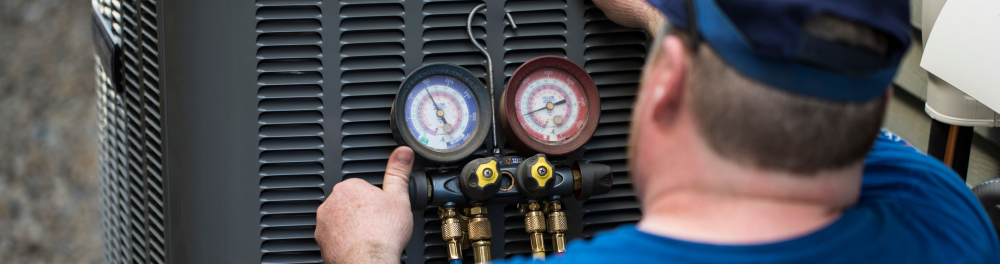
Credit: actionfurnace.ca
Health Issues Linked To Ac Use
Air conditionerscan sometimes cause health problems. Poor maintenance allows dust and mold to build up. These can trigger respiratory problemslike coughing and sneezing. Allergies may also get worse due to airborne particles circulated by AC units.
Skin can become dry and irritatedbecause AC removes moisture from the air. This dryness leads to itching and discomfort, especially for sensitive skin. Using a humidifier can help balance the dryness in rooms with AC.
Some people feel headaches and fatigueafter long exposure to air conditioning. Cold air and poor ventilation might cause tiredness and dizziness. Taking breaks and ensuring fresh air can reduce these symptoms.
Mold And Bacteria Growth In Ac Units
Warm and damp placesinside an AC unit help mold and bacteria grow. Dust and dirt build up in filters and ducts. This creates a perfect home for microbes. Poor maintenance and clogged drains add to the problem. Standing water inside the system is another cause.
Air conditioners that run for long periods without cleaning may spread harmful germs. These microbes can move through the air and reach your lungs.
| Health Risks from Mold Exposure | Symptoms |
|---|---|
| Allergic Reactions | Sneezing, itchy eyes, runny nose |
| Respiratory Issues | Coughing, wheezing, shortness of breath |
| Headaches and Fatigue | Feeling tired, frequent headaches |
| Infections | In rare cases, lung infections |
Preventing Ac-related Health Risks
Regular cleaningand maintenancekeep your AC running well. Dirt and dust can build up inside. This can cause bad airand make you feel sick. Change or clean filters every few months. Check for mold in the system. A clean AC helps reduce allergensand germs.
Using air purifiersand good filters improves indoor air quality. Filters catch dust, pollen,and other tiny particles. Purifiers remove germs and smells. Choose filters with a high Minimum Efficiency Reporting Value (MERV). This helps trap more harmful particles.
- Keep rooms well ventilatedto let fresh air in.
- Open windows sometimes to avoid stale air.
- Use exhaust fans in kitchens and bathrooms.
- Avoid running AC all day without fresh air.
When To Seek Medical Advice
Watch for symptomslike coughing, sneezing, or headaches after using your air conditioner. Some people feel tired or have itchy eyes. These signs might mean the AC is causing problems.
Check if symptoms improve when you leave the room or turn off the AC. Persistent issues need attention. Poor air qualityfrom dirty filters or mold can cause sickness.
- Frequent headaches
- Breathing difficulties
- Skin irritation
- Persistent cough or sore throat
- Allergy-like symptoms
Seek medical advice if symptoms last more than a few days. Doctors can help find the cause and suggest treatment. They may check for allergies or infections linked to air conditioning use.
Professional treatment might include medicines or advice on cleaning your AC unit. Fixing the problem early can prevent more serious health issues.

Credit: www.reddit.com
Frequently Asked Questions
Can Air Conditioners Cause Health Problems?
Air conditioners can cause health problems if not maintained properly. They may spread allergens, mold, and bacteria. Regular cleaning and maintenance can prevent these issues. Ensuring good ventilation and humidity control can also help. If you experience symptoms, consult with a healthcare professional.
Why Does My Ac Make Me Feel Sick?
Your AC might make you feel sick due to poor air quality. This can be caused by mold, bacteria, or dust accumulation. Regular maintenance and filter changes can improve air quality. If symptoms persist, consider consulting a healthcare professional for advice.
How Do I Know If My Ac Has Mold?
Signs of mold in your AC include a musty smell and visible mold growth. You might also notice increased allergy symptoms. Regularly inspect and clean your unit to prevent mold. If you suspect mold, consider hiring a professional for a thorough cleaning.
What Are Common Ac-related Illnesses?
Common AC-related illnesses include respiratory infections, allergies, and headaches. These can occur due to poor air quality or mold. Regular maintenance and cleaning of your AC can help prevent these illnesses. Ensuring proper ventilation is also crucial for maintaining good air quality.
Conclusion
Air conditioners can affect your health if not cleaned well. Dust and mold build up inside and cause breathing problems. Regular maintenance keeps the air fresh and safe. Check filters often and change them on time. Good airflow helps you avoid sickness and stay comfortable.
Pay attention to unusual smells or symptoms. Clean air feels better and helps you breathe easy. Taking simple steps protects your health and your home. Don’t ignore your air conditioner’s role in your wellbeing. Stay alert and act quickly for a healthier space.