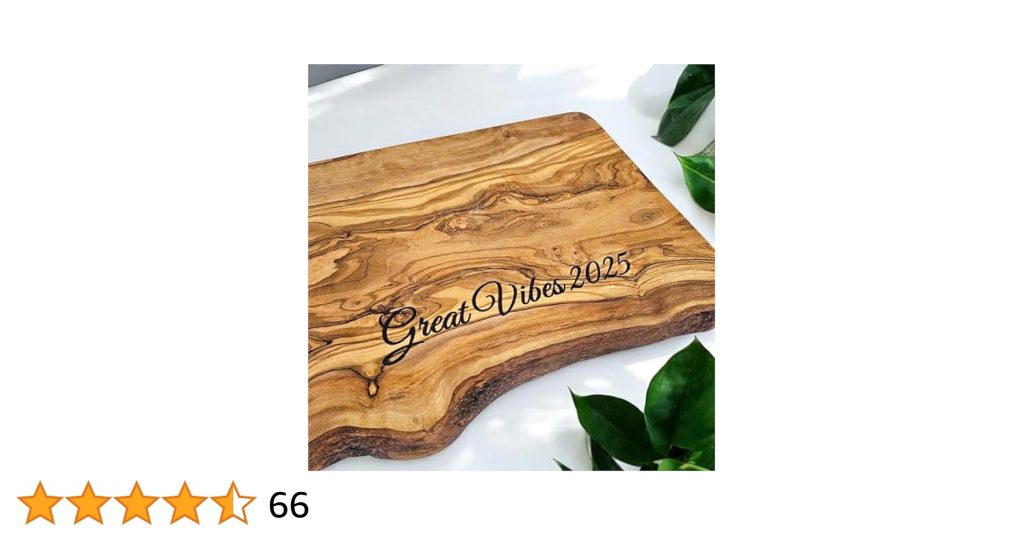
When choosing a cutting board, you want something that’s durable, safe, and looks great in your kitchen. Have you ever wondered if olive wood could be the perfect choice?
Olive wood cutting boards are gaining popularity, but are they really good for your daily cooking needs? You’ll discover the surprising benefits—and a few things to watch out for—so you can decide if olive wood is the right fit for your kitchen.
Keep reading to find out why olive wood might just become your new favorite cutting surface.
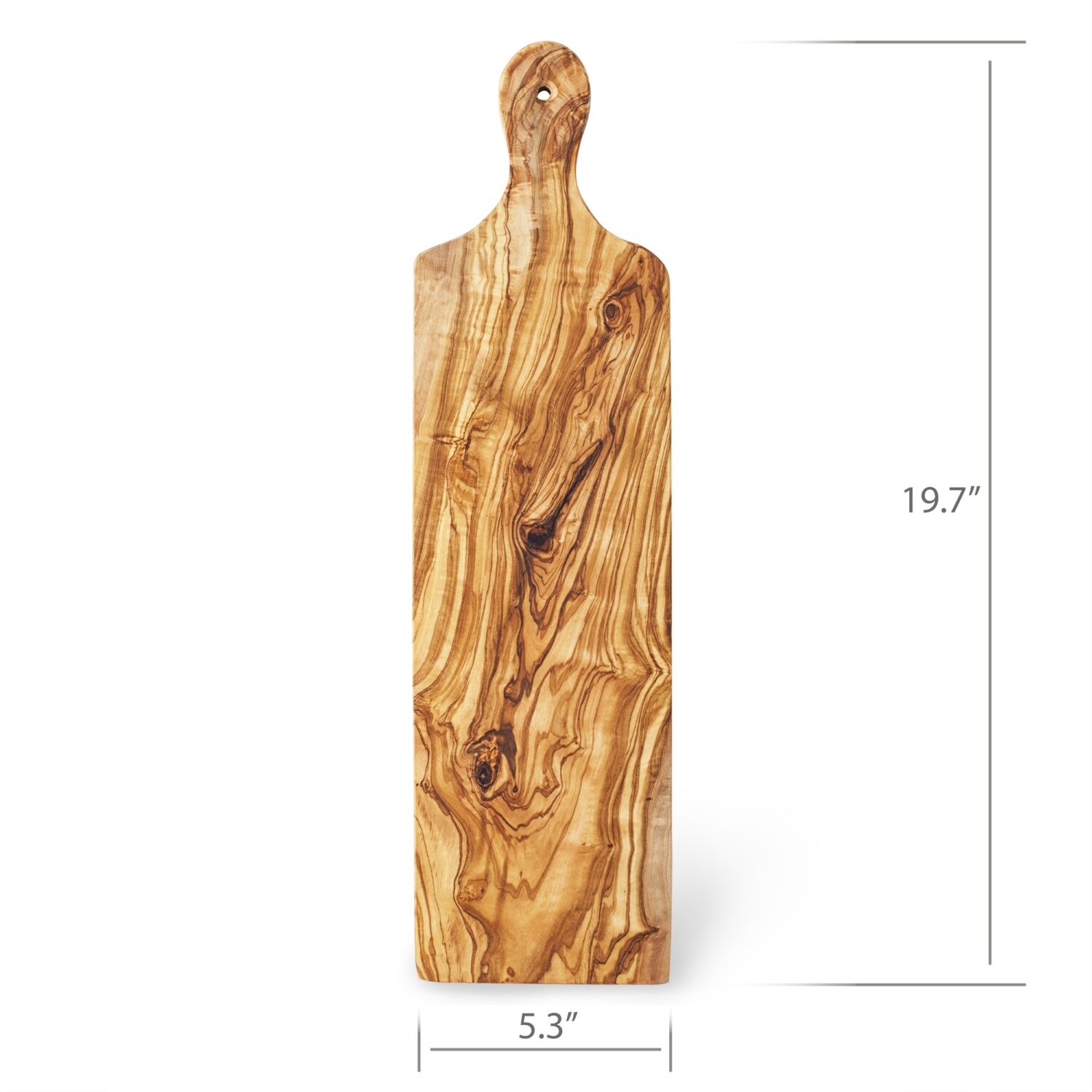
Credit: forest-decor.com
Durability Of Olive Wood
Olive wood is a popular choice for cutting boards. It is known for its strength and beauty. Many people wonder if olive wood lasts long and stays in good shape.
This wood comes from the olive tree, which grows slowly. Slow growth makes the wood dense and tough. This makes olive wood a solid option for kitchen use.
Hardness And Scratch Resistance
Olive wood is quite hard compared to other woods. It can resist many scratches from knives and other kitchen tools. This hardness helps keep the cutting board smooth and safe to use.
Because it resists scratches well, olive wood cutting boards do not get damaged easily. They maintain their surface quality over time, even with regular use.
Water Resistance And Warping
Olive wood has natural oils that help it resist water. This means it does not soak up water quickly. This quality reduces the chance of warping or cracking.
Even with exposure to water, olive wood cutting boards stay stable. Proper care like drying after washing will keep the board in good shape for longer.
Longevity Compared To Other Woods
Olive wood cutting boards often last longer than those made from softer woods. Their hardness and oil content add to their lifespan. They resist damage better than many common woods.
Compared to woods like pine or bamboo, olive wood holds up well. It can handle frequent use without losing strength or beauty. This makes it a smart choice for a cutting board.
Safety For Food Preparation
Olive wood is a popular choice for cutting boards. It is important to know if it is safe for preparing food. This section explains key safety features of olive wood boards.
We look at its natural antibacterial traits, non-toxic nature, and how to keep it clean. These points help you decide if olive wood is good for your kitchen.
Natural Antibacterial Properties
Olive wood has natural oils that fight bacteria. These oils help prevent germs from growing on the surface.
- The tight grain of olive wood makes it hard for bacteria to enter.
- Its natural oils slow down bacteria growth.
- Olive wood surfaces dry quickly, reducing bacteria survival.
Non-toxic And Chemical-free
Olive wood cutting boards do not contain harmful chemicals. They are safe to use with all food types.
| Feature | Benefit |
| No artificial coatings | Safe for direct contact with food |
| Free from toxic chemicals | Prevents food contamination |
| Natural finish | Eco-friendly and healthy |
Maintenance For Hygiene
Keeping your olive wood board clean is easy. Proper care stops bacteria and keeps the board safe.
- Wash the board with warm water and mild soap after use.
- Dry it completely with a towel to avoid moisture build-up.
- Apply food-safe mineral oil regularly to protect the wood.
- Avoid soaking the board in water or putting it in a dishwasher.
Aesthetic Appeal
Olive wood is popular for cutting boards because it looks beautiful. Its natural patterns and colors add charm to any kitchen.
This type of wood brings a warm, natural feel that many people enjoy in their cooking space.
Unique Grain Patterns
Olive wood has very distinct grain patterns. These patterns are swirly and irregular, making each board one of a kind.
- Swirls and waves create natural art
- Grains can be tight or wide
- Patterns change with every cut of wood
Color Variations And Finish
The colors of olive wood range from light cream to rich brown. These shades mix together in interesting ways.
| Color | Description |
| Light Cream | Soft and subtle base color |
| Golden Brown | Warm and inviting tones |
| Dark Brown | Rich and deep accents |
Complementing Kitchen Styles
Olive wood cutting boards fit well in many kitchen designs. Their look matches both modern and traditional styles.
- Rustic kitchens benefit from the natural wood look
- Modern kitchens gain warmth from the wood’s color
- Minimalist kitchens get a touch of texture and pattern

Credit: www.ebay.ca
Care And Maintenance Tips
Olive wood cutting boards need proper care to last long. Good maintenance keeps them strong and beautiful.
Here are some easy tips to clean, oil, and protect your olive wood board from damage.
Cleaning Methods
Clean your olive wood cutting board with warm water and mild soap. Avoid soaking it in water.
- Use a soft sponge or cloth to scrub gently.
- Rinse with warm water right after washing.
- Dry the board quickly with a clean towel.
- Air dry it standing up to prevent moisture buildup.
Oiling And Conditioning
Oiling keeps olive wood boards from drying out and cracking. Use food-safe mineral oil or beeswax.
| How to Oil | Frequency |
| Apply a thin layer with a soft cloth | Once a month or when dry |
| Let oil soak for a few hours | After every deep cleaning |
| Wipe off excess oil | After soaking |
Avoiding Damage And Cracks
Prevent damage by avoiding extreme heat and moisture. Do not use the board as a hot pot holder.
- Do not put olive wood boards in the dishwasher.
- Keep them away from direct sunlight and heat sources.
- Do not leave the board soaking in water.
- Cut only on one side to reduce wear.
- Store in a dry place with good air flow.
Comparing Olive Wood To Other Materials
Olive wood is a popular choice for cutting boards. It has a unique look and strong grain. Many people wonder how it compares to other materials used for cutting boards.
This article compares olive wood with plastic, maple, and bamboo. It also looks at cost and value factors for each type.
Wood Vs Plastic Cutting Boards
Wood cutting boards, like olive wood, are gentle on knives. They last longer and have natural antibacterial properties. Plastic boards are lightweight and easy to clean. They can go in the dishwasher but may get deep cuts over time.
Plastic boards can stain and hold odors. Wood boards need hand washing but avoid harsh chemicals. Olive wood is harder and more durable than many other woods used for cutting boards.
- Wood protects knife edges better than plastic
- Plastic boards are dishwasher safe, wood is not
- Wood has natural antibacterial qualities
- Plastic boards may develop deep grooves easily
Olive Wood Vs Maple And Bamboo
Olive wood has a unique grain and rich color. Maple is a common wood for boards and is very hard. Bamboo is actually grass but is very strong and eco-friendly. Olive wood is denser and often more durable than bamboo.
Maple has a smooth surface and resists bacteria well. Bamboo cuts slower on knives but is less porous than maple. Olive wood combines hardness with beautiful patterns but requires more care to avoid cracking.
- Olive wood has unique, decorative grain patterns
- Maple is hard, smooth, and common for cutting boards
- Bamboo is eco-friendly and less porous
- Olive wood is denser and can last longer with care
Cost And Value Considerations
Olive wood cutting boards often cost more than plastic or bamboo. The wood is rare and takes time to craft. Maple boards are usually less expensive but still durable. Plastic boards are the cheapest but may need replacement sooner.
Higher cost for olive wood may be worth it for long-term use. Its beauty and strength add value. Bamboo offers a good price and eco-friendly option. Consider how often you use your board and what fits your budget.
- Olive wood boards are more expensive but durable
- Maple boards offer good durability at moderate price
- Bamboo boards are affordable and eco-friendly
- Plastic boards are cheapest but wear out faster

Credit: www.sustainablehaus.com
Frequently Asked Questions
Is Olive Wood Safe For Cutting Boards?
Yes, olive wood is safe and non-toxic for cutting boards. Its dense grain naturally resists bacteria and odors. Regular oiling enhances its durability and water resistance, making it a perfect choice for a hygienic kitchen.
How Durable Is Olive Wood For Cutting Boards?
Olive wood is highly durable due to its dense grain. This makes it less prone to scratches and dents. With proper care, an olive wood cutting board can last for many years, providing a reliable surface for food preparation.
Does Olive Wood Resist Water?
Yes, olive wood has natural water resistance. Its dense grain and oil content help repel moisture, preventing warping and cracking. Regularly oiling the board enhances its water resistance and longevity, ensuring it remains in good condition over time.
How To Maintain Olive Wood Cutting Boards?
To maintain olive wood cutting boards, regularly oil them with food-safe mineral oil. Hand wash with mild soap, avoiding soaking, and dry immediately. This care routine keeps the board in top condition, preserving its beauty and functionality.
Conclusion
Olive wood makes a strong and beautiful cutting board. It resists cuts and stays smooth for long. Its natural oils help stop germs from growing. Easy to clean with simple soap and water. The unique grain adds charm to any kitchen.
It feels warm and sturdy in your hands. A good choice for daily cooking tasks. Durable, safe, and easy to care for. Olive wood cutting boards offer both style and function. A smart pick for anyone who loves cooking.