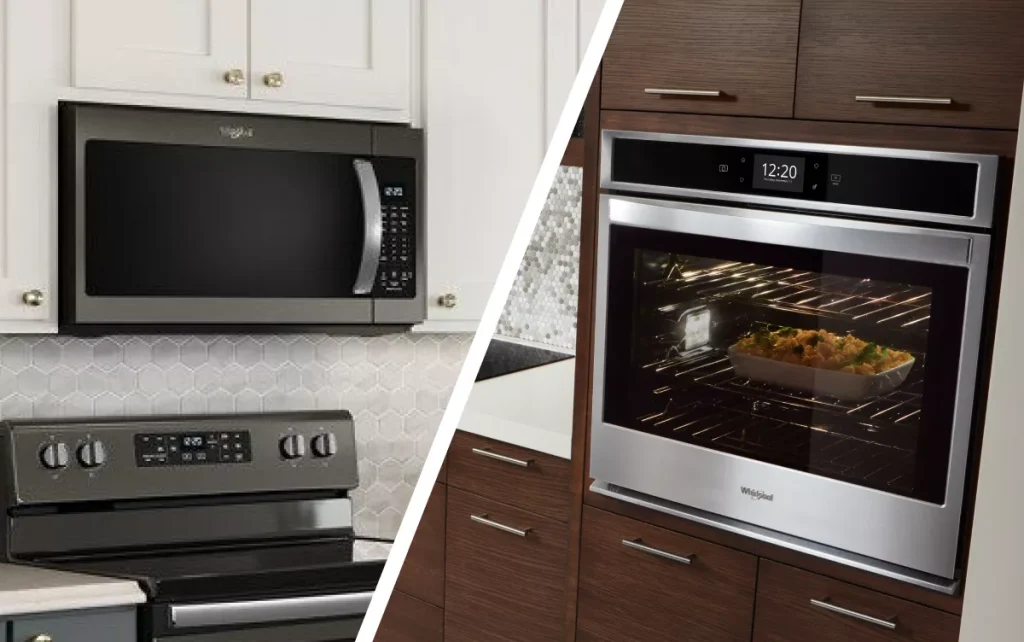
Have you ever found yourself standing in your kitchen, staring at your oven and microwave, and wondering if these two appliances are essentially the same? You’re not alone.
Many people are confused about the differences between an oven and a microwave. You might be pondering if one can replace the other or if each has its own unique purpose. This question is more than just a curiosity; it’s about making the right choice for your cooking needs and lifestyle.
Understanding these differences can save you time, money, and enhance your cooking experience. Ready to uncover the truth about these kitchen essentials? Let’s dive in and explore what sets them apart and how each can serve you in the best way possible.
Basic Functions
Understanding the basic functions of ovens and microwaves can help you decide which appliance suits your cooking needs best. Both devices heat food, but they do so in very different ways. Knowing how each works clarifies why they perform differently with certain dishes and cooking styles.
How Ovens Work
Ovens use conventional heating elements to cook food. These elements heat the air inside the oven chamber, which then cooks the food from the outside in.
The heat surrounds the food, creating a crispy exterior and evenly cooked interior. This is why ovens excel at baking, roasting, and broiling.
Temperature control is key—you can set precise heat levels, which helps with recipes that require slow cooking or browning. Have you noticed how your homemade bread gets that perfect crust in an oven? That’s the result of this dry heat circulation.
Microwave Cooking Process
Microwaves cook food using electromagnetic waves that excite water molecules inside the food. This causes the molecules to vibrate quickly and generate heat from within.
This internal heating cooks food much faster than ovens, especially for reheating or cooking simple meals. However, microwaves don’t brown or crisp food well because they lack a dry heat source.
Think about how your leftovers heat up quickly in a microwave but don’t get crispy like they do in an oven. This difference in heating methods affects texture and taste significantly.
Cooking Methods
Cooking methods vary greatly between an oven and a microwave. Each appliance uses a different way to heat food, affecting taste and texture. Understanding these differences helps choose the right tool for your meal.
Heat Distribution
Ovens heat food by surrounding it with hot air. This process cooks food evenly from outside to inside. The heat moves slowly, allowing browning and crisping on the surface. This is why baked goods and roasted dishes get a golden crust.
Microwaves use electromagnetic waves to excite water molecules inside the food. This creates heat quickly, cooking food from the inside out. The heat spreads unevenly, which may leave cold spots. Microwaves do not brown or crisp food well.
Types Of Food Suitable
- Ovens work best for baking bread, roasting meat, and casseroles.
- They are ideal for dishes needing a crispy or browned finish.
- Microwaves suit reheating leftovers and cooking simple items like vegetables or popcorn.
- They save time but are less effective for complex recipes requiring texture changes.
Time And Efficiency
Time and efficiency are key factors in choosing between an oven and a microwave. Both appliances serve different purposes and impact cooking time and energy use in unique ways. Understanding these differences helps in making smart kitchen decisions.
Cooking Speed
Microwaves cook food much faster than ovens. They use electromagnetic waves to heat food quickly from the inside out. Ovens take longer as they heat the air around the food, then the food itself. This process can take several minutes to hours depending on the dish. Microwaves are ideal for reheating or cooking small meals fast. Ovens work better for baking and roasting where slow and even cooking is needed.
Energy Consumption
Microwaves usually use less energy than ovens. They heat food directly, which reduces wasted heat. Ovens consume more electricity or gas because they heat a larger space. This makes ovens less efficient for small or quick cooking tasks. Using a microwave can save energy and lower utility bills when cooking simple meals. For large meals or baking, ovens remain necessary despite higher energy use.
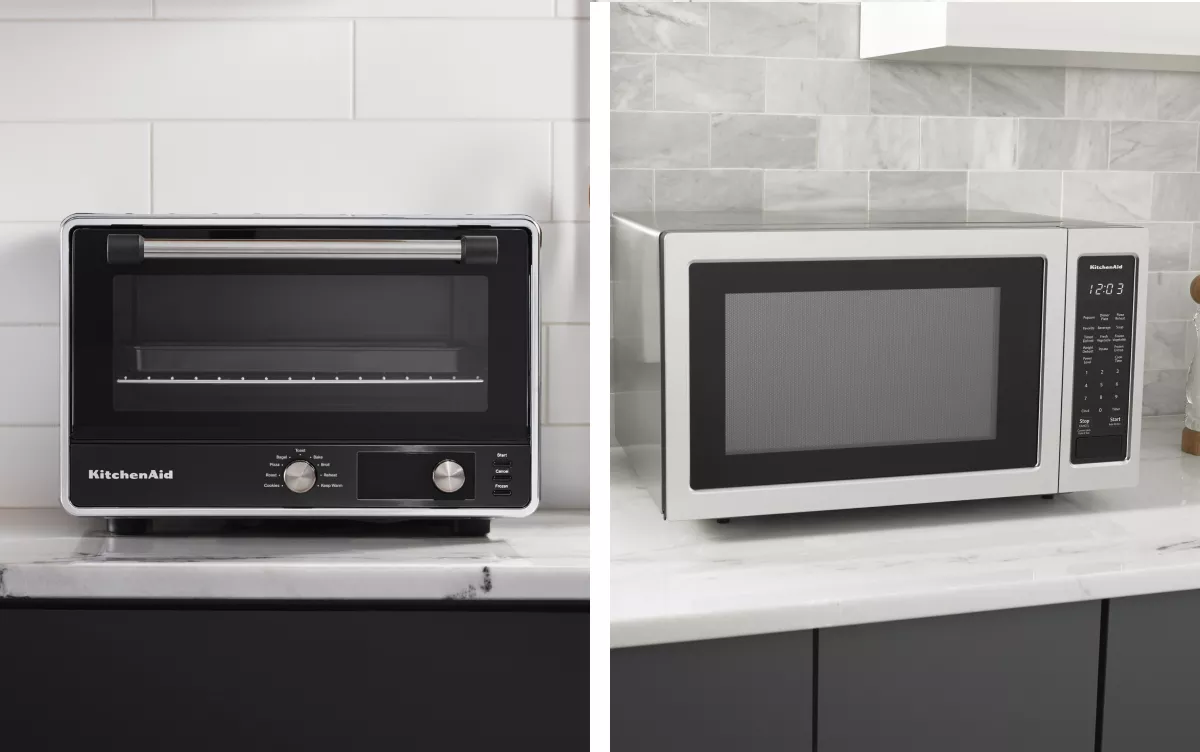
Credit: www.kitchenaid.com
Health And Safety
Understanding health and safety differences between ovens and microwaves is crucial for your daily cooking decisions. Both appliances heat food but do so in distinct ways that affect nutrient content and safety. Knowing these differences helps you choose the best method for your meals and well-being.
Nutrient Retention
Microwaves heat food quickly by using electromagnetic waves, which often helps preserve nutrients better than traditional ovens. Because cooking times are shorter, vitamins like C and B complex are less likely to break down. I noticed that reheating vegetables in the microwave kept their color and crunch, unlike oven baking which sometimes made them soggy and less vibrant.
Ovens use prolonged heat, which can reduce some heat-sensitive nutrients. However, slow roasting can bring out flavors and retain minerals effectively. So, if nutrient retention is your priority, think about the type of food and how long you cook it.
Radiation Concerns
Microwaves use non-ionizing radiation to heat food, which means they do not make food radioactive or unsafe. The radiation only agitates water molecules to generate heat inside the food. Have you ever wondered if standing near a microwave is harmful? Scientific studies show that as long as the microwave door is intact and the appliance is in good condition, there is no risk of radiation exposure.
Ovens don’t use radiation but rely on thermal conduction and convection to cook food. This method is straightforward and doesn’t raise any radiation safety questions. Both appliances are safe when used according to manufacturers’ guidelines.
Design And Features
The design and features of ovens and microwaves play a big role in how they fit into your kitchen and daily routine. While both appliances heat food, their looks and functions differ in ways that affect your cooking experience. Understanding these differences can help you choose the right appliance for your needs.
Size And Build
Ovens generally have a larger size and a more robust build compared to microwaves. They are designed to handle bigger dishes, like whole chickens or multiple trays of cookies. Microwaves are compact and lightweight, making them easy to place on countertops or inside cabinets.
Think about your kitchen space. Do you have room for a bulky oven, or would a smaller microwave suit your lifestyle better? Also, ovens usually have a built-in look or come as freestanding units, while microwaves often come as countertop models or built-in inserts.
Additional Functions
Microwaves offer quick heating and defrosting, perfect for busy days when you need food fast. Many models come with preset cooking modes and sensor technology that adjusts cooking time automatically. Some microwaves even combine grilling or convection features for more versatility.
Ovens provide more cooking options like baking, roasting, broiling, and sometimes even self-cleaning functions. You can control temperature and cooking time with great precision, which is ideal for recipes that need careful attention. Have you ever tried baking bread in a microwave? The results often highlight why ovens remain essential for certain dishes.
Cost And Maintenance
Understanding the cost and maintenance differences between an oven and a microwave can help you decide which appliance suits your kitchen and lifestyle better. Both devices serve the purpose of cooking or heating food, but their price points and upkeep vary significantly. Let’s break down what you can expect in terms of expenses and care, so you can make an informed choice.
Price Range
Ovens generally come with a higher price tag than microwaves. A basic microwave can cost anywhere from $50 to $200, making it budget-friendly for quick heating needs.
In contrast, ovens start around $300 and can go well beyond $2,000 for advanced models. This price difference reflects the oven’s versatility and larger size.
Have you considered how often you cook meals that require baking or roasting? If it’s frequent, investing in an oven might be worth the upfront cost.
Cleaning Tips
Microwaves are usually easier to clean because food splatters tend to be contained inside. Wiping down the interior with a damp cloth after each use can prevent buildup.
Ovens require more effort. You might need to remove racks and use specialized cleaners or self-cleaning functions to handle grease and baked-on spills.
Try placing a bowl of water with lemon slices in your microwave for a few minutes—this loosens grime and leaves a fresh scent. For ovens, regular maintenance prevents the tough scrubbing that comes with neglected spills.
Choosing Between Oven And Microwave
Choosing between an oven and a microwave depends on several factors. Both appliances serve different purposes in the kitchen. Understanding these differences can help pick the right one for your needs. Consider what types of meals you cook and how often you use each device.
Based On Cooking Needs
An oven is ideal for baking, roasting, and slow cooking. It provides even heat, which helps food cook thoroughly. Microwaves heat food quickly, making them perfect for reheating or simple cooking. They are not suitable for browning or crisping food. Choose an oven for complex recipes and a microwave for fast meals.
Space And Budget Considerations
Microwaves are compact and fit well in small kitchens. They use less electricity and cost less than ovens. Ovens require more space and a higher budget. Consider available kitchen space before purchasing. Think about your budget and how much you want to spend on appliances.
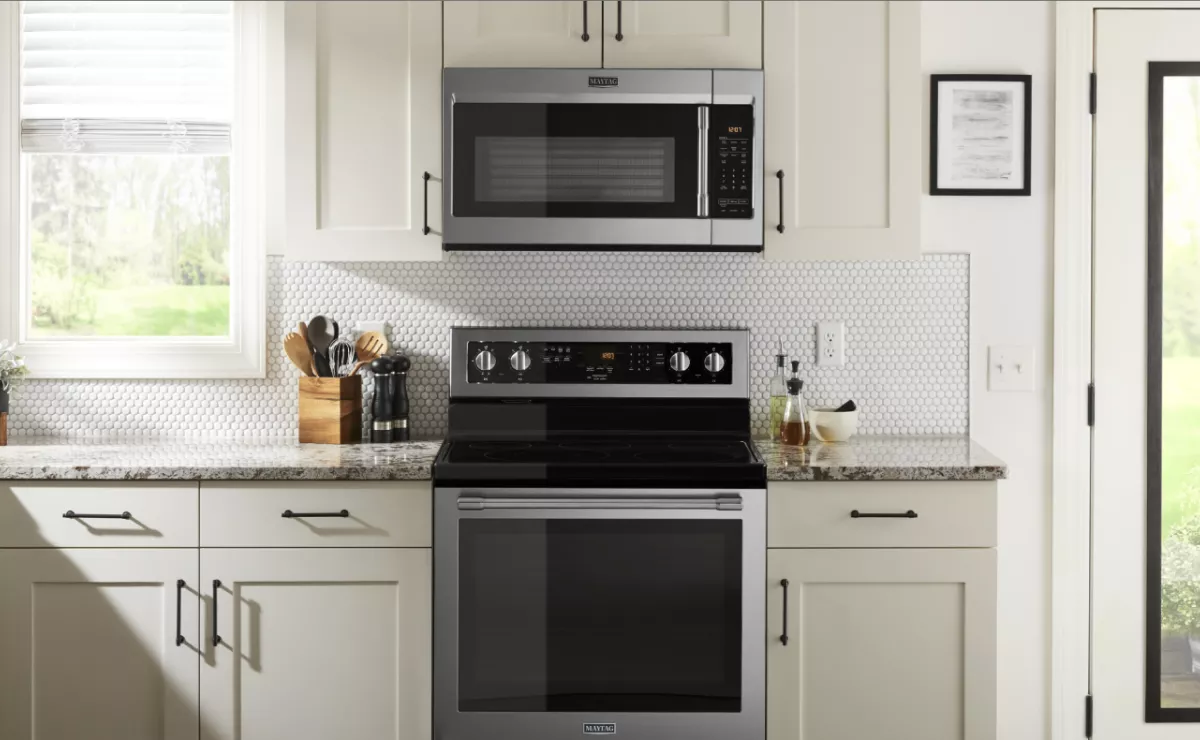
Credit: www.maytag.com

Credit: www.electrolux.com
Frequently Asked Questions
What Is The Main Difference Between Oven And Microwave?
Ovens cook food by heating air around it, while microwaves use electromagnetic waves. Ovens take longer but brown food. Microwaves cook faster and do not brown or crisp food.
Can An Oven Replace A Microwave In Cooking?
Ovens can replace microwaves but may take more time. Microwaves are better for reheating and quick cooking. Ovens are ideal for baking, roasting, and browning.
Are Microwaves Healthier Than Ovens For Cooking?
Both ovens and microwaves are safe and healthy when used properly. Microwaves preserve more nutrients due to faster cooking. Ovens may cause nutrient loss from longer cooking times.
Do Ovens Use More Energy Than Microwaves?
Ovens generally consume more energy because they cook longer and heat larger areas. Microwaves are more energy-efficient for small, quick tasks like reheating food.
Conclusion
Ovens and microwaves serve different cooking needs. Ovens cook food slowly and evenly, while microwaves heat food quickly. Each has unique benefits for different meals. Choosing the right one depends on your cooking style. Understanding their differences helps you use them better.
Both are useful in a modern kitchen. Knowing when to use each saves time and energy. Remember, they are not the same appliance. Use this knowledge to cook smarter and enjoy your food more.