Are you thinking about upgrading your kitchen with a new cutting board? Choosing the right wood is key to making sure your board lasts long and stays safe for food.
Padauk wood has gained attention lately, but is it really a good choice for cutting boards? You’ll discover the surprising benefits and potential downsides of Padauk. By the end, you’ll know exactly if Padauk is the perfect fit for your kitchen needs.
Keep reading to make a smart, confident decision for your next cutting board.
Credit: www.goodshepherdwoodshop.com
Padauk Wood Properties
Padauk wood is popular for making cutting boards. It has many good features that make it useful in the kitchen. This wood is strong and lasts a long time.
We will look at the color and grain patterns, hardness and density, and natural oils and resistance of padauk wood.
Color And Grain Patterns
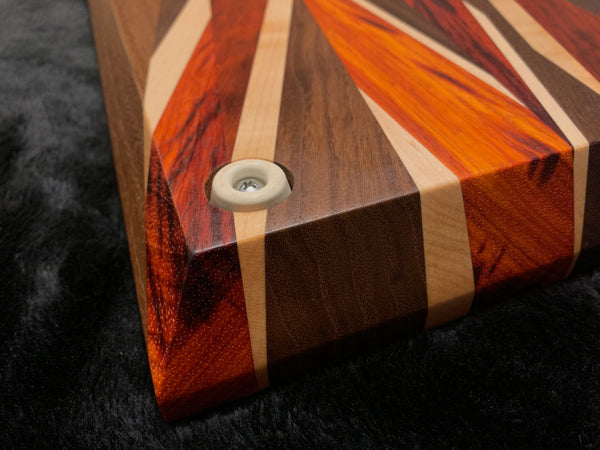
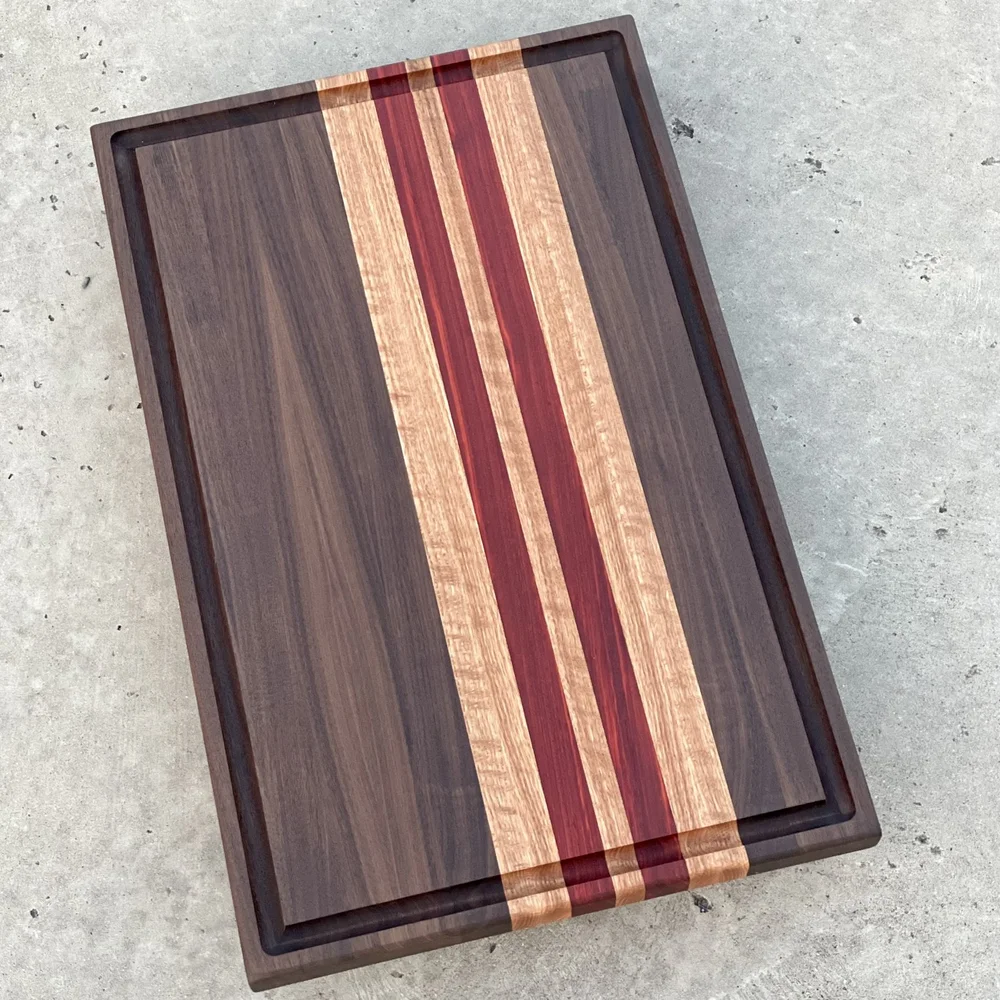
Padauk wood has a bright orange to reddish-brown color. The color can darken a little over time when exposed to air. Its grain is usually straight but can have some waves.
The wood often shows a fine, even texture. This makes cutting boards look attractive and unique.
Hardness And Density
Padauk is a hard and dense wood. It is tough enough to resist cuts and dents from knives. This helps cutting boards stay smooth and safe for long use.
- Janka hardness rating: about 1720 lbf
- Density: around 700-850 kg/m³
- Strong enough for daily kitchen use
Natural Oils And Resistance
Padauk wood contains natural oils that help protect it from water and bacteria. This makes it a good choice for cutting boards that need to stay clean and dry.
The oils also help the wood resist stains and smells. This keeps the cutting board fresh and easy to clean.
Durability For Cutting Boards
Padauk wood is often used for cutting boards due to its strength. Its durability makes it a popular choice in kitchens.
Understanding how padauk handles wear, knife impact, and moisture helps decide if it fits your needs.
Wear And Tear Resistance
Padauk is a dense hardwood. This density helps it resist scratches and dents from daily use.
- Hard surface reduces deep cuts
- Long-lasting appearance
- Handles heavy chopping well
Impact On Knife Edges
Padauk is firm but not too hard on knives. It keeps blades sharper for longer.
| Wood Type | Hardness Level | Knife Edge Impact |
| Padauk | Medium-High | Gentle on knives |
| Maple | Medium | Very gentle |
| Bamboo | High | Can dull blades faster |
Moisture And Warping
Padauk resists water well but needs care. It can warp if left wet too long.
- Wipe dry after washing
- Oil regularly to keep moisture out
- Avoid soaking in water
Aesthetic Appeal
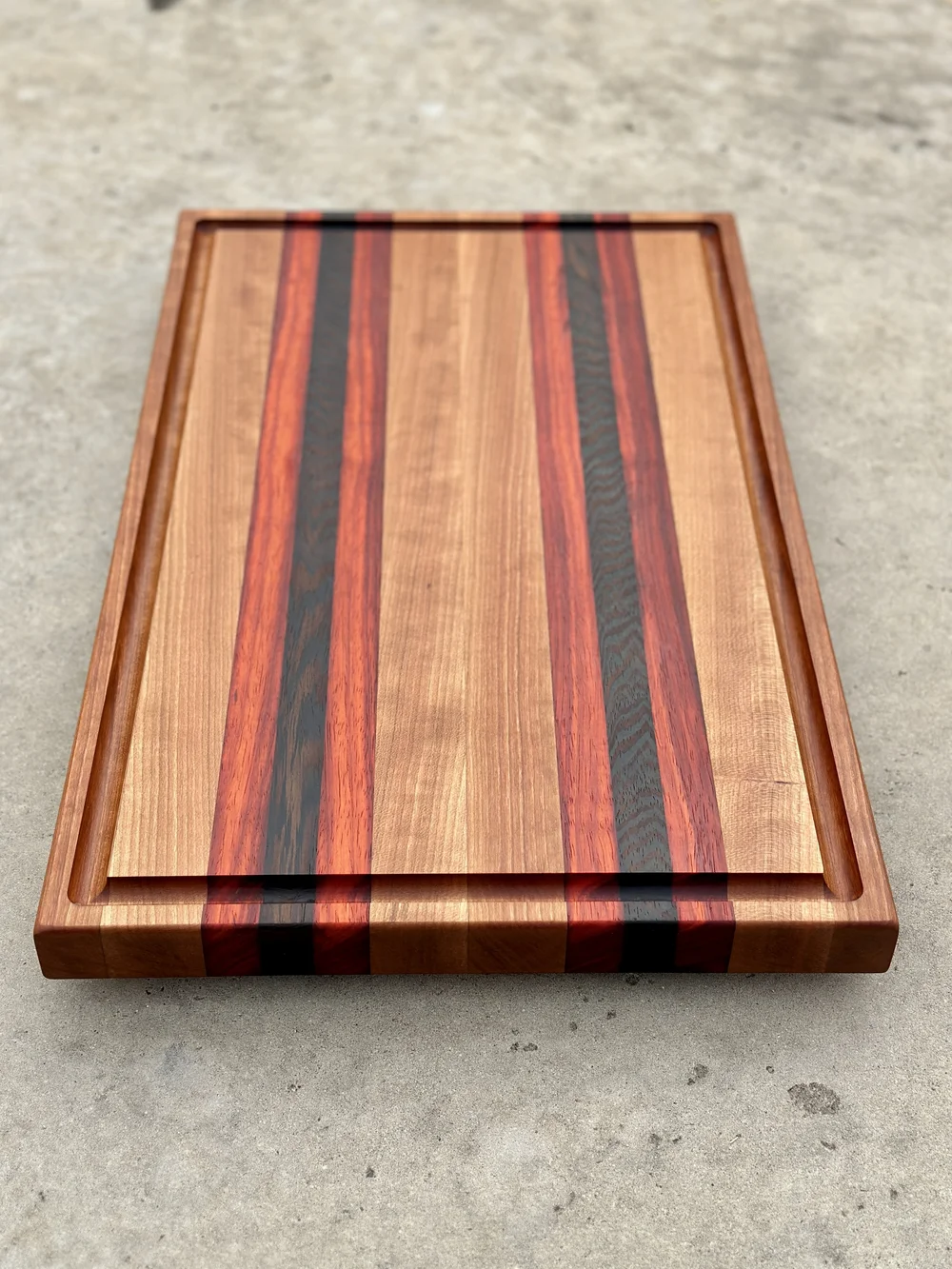
Padauk is a popular wood choice for cutting boards. Its unique look adds charm to kitchens. The wood’s beauty grows with time, making each board special.
This section explores how Padauk’s color changes, finishing methods, and design fits affect its visual appeal.
Unique Color Changes Over Time
Padauk wood starts bright orange-red when freshly cut. Over months, it darkens to a deep reddish-brown. This natural color shift gives cutting boards a rich, warm look.
Sunlight speeds up the color change. Many wood lovers enjoy the aging process because it adds character and uniqueness to each board.
Finishing Techniques
Finishing a Padauk cutting board protects the wood and highlights its colors. Common finishes include oils and waxes that bring out the wood grain.
- Mineral oil keeps the surface smooth and shiny.
- Beeswax adds a soft, natural glow.
- Food-safe finishes ensure the board is safe for kitchen use.
Complementing Kitchen Designs
Padauk cutting boards fit well in many kitchen styles. Their warm colors match wood cabinets, stone countertops, and metal fixtures.
| Kitchen Style | How Padauk Fits |
| Modern | Adds warmth to clean lines |
| Rustic | Enhances natural wood tones |
| Traditional | Complements classic wood finishes |
| Industrial | Softens metal and concrete |
Credit: www.goodshepherdwoodshop.com
Safety Considerations
Padauk wood is popular for cutting boards due to its durability and color. Safety is important when choosing wood for food preparation. This guide covers key safety topics about Padauk wood.
Understanding food safety, allergic reactions, and care can help you use Padauk cutting boards safely in your kitchen.
Food Safety And Toxicity
Padauk wood is generally safe for cutting boards. It does not contain toxic chemicals that can harm food. The wood is naturally hard, which helps resist deep cuts where bacteria can grow.
Still, the surface must be sealed properly. Using food-safe oil finishes protects the wood and stops liquids from soaking in. This reduces bacteria growth and keeps your food safe.
Allergic Reactions And Sensitivities
Some people may have allergies to Padauk wood dust or oils. This can cause skin irritation or breathing issues during cutting board making or sanding.
- Wear a mask when sanding Padauk wood
- Use gloves to avoid skin contact
- Work in a well-ventilated area
- Wash hands after handling raw wood
If you have known wood allergies, test contact carefully before long use.
Maintenance And Cleaning
| Cleaning Step | Description |
|---|---|
| Daily Cleaning | Wash with warm soapy water. Rinse and dry immediately. |
| Deep Cleaning | Use vinegar solution for disinfecting once a week. |
| Oiling | Apply food-safe mineral oil monthly to keep wood sealed. |
| Avoid | Do not soak or put in dishwasher. Avoid harsh chemicals. |
Comparison With Other Woods
Padauk is a popular choice for cutting boards. It has a unique look and good durability. Let’s compare it with other common woods used for cutting boards.
Understanding the differences helps you pick the right wood for your kitchen needs.
Maple Vs. Padauk
Maple is a classic wood for cutting boards. It is light in color and has a tight grain. Padauk is darker and more colorful. Maple is harder and resists knife marks well. Padauk is also hard but can be more brittle. Both woods resist water well but need regular oiling to stay healthy.
Walnut Vs. Padauk
Walnut is a dark, rich wood with a smooth texture. Padauk is bright orange to red. Walnut is softer than Padauk, so it may show cuts faster. Padauk is harder but can crack if not cared for. Walnut is popular for its look and feel, while Padauk stands out for its color and toughness.
Bamboo Vs. Padauk
| Feature | Bamboo | Padauk |
|---|---|---|
| Material Type | Grass (technically) | Hardwood |
| Hardness | Moderate | High |
| Water Resistance | Good with treatment | Good with oiling |
| Appearance | Light color, striped | Bright reddish-orange |
| Environmental Impact | Highly renewable | Less renewable |
Care Tips For Padauk Boards
Padauk is a beautiful hardwood often used for cutting boards. It has a rich color and strong grain. Caring for a Padauk board helps keep it safe and looking nice for a long time.
Good care includes oiling, avoiding damage, and storing it correctly. Each step is simple but important to protect your board.
Oiling And Conditioning
Oiling your Padauk board keeps the wood hydrated and stops it from drying out. Use food-safe oils like mineral oil or beeswax. Apply oil regularly to maintain the wood’s shine and strength.
- Clean the board with warm water and mild soap before oiling.
- Dry the board completely to avoid trapping moisture.
- Apply a thin layer of oil evenly on all surfaces.
- Let the oil soak in for several hours or overnight.
- Wipe off any extra oil with a clean cloth.
- Repeat oiling once a month or as needed.
Avoiding Cracks And Splits
Padauk wood can crack if it dries too fast or if it gets too wet. Avoid sudden changes in temperature or humidity. Use gentle cleaning methods to keep the board safe.
| Cause | Prevention Tip |
|---|---|
| Drying out | Oil the board regularly to keep moisture in. |
| Excess water | Do not soak the board or wash in a dishwasher. |
| Heat exposure | Keep the board away from stoves and direct sunlight. |
Proper Storage Methods
Store your Padauk board in a dry place with good air flow. Keep it standing on its side or flat, but avoid stacking heavy items on top. Proper storage helps prevent warping and damage.
- Keep the board away from heat sources.
- Allow the board to air dry completely before storing.
- Use a stand or rack to store boards upright.
- Do not store the board in a sealed plastic bag.
- Check the board regularly for any signs of damage.

Credit: www.reddit.com
Frequently Asked Questions
Is Padauk Wood Safe For Cutting Boards?
Padauk wood is generally considered safe for cutting boards. It has natural antimicrobial properties and is durable. However, some people may be allergic to it. Always ensure the wood is properly sealed and finished to prevent any potential issues. Regular maintenance will help maintain its safety and longevity.
How Durable Is Padauk For Cutting Boards?
Padauk is highly durable and resistant to wear, making it ideal for cutting boards. Its hardness helps withstand knife marks and prevents deep scratches. With proper care, Padauk cutting boards can last for many years. Regular oiling will enhance its durability and keep it in good condition.
Does Padauk Wood Affect Food Flavor?
Padauk wood does not typically affect food flavor. It has a subtle aroma that does not transfer to food. This makes it a good choice for cutting boards. Ensure the wood is well-finished to prevent any possible flavor alteration from unfinished surfaces.
How Should I Maintain A Padauk Cutting Board?
Maintain a Padauk cutting board by regularly oiling it with food-safe mineral oil. This prevents drying and cracking. Clean it with mild soap and water after use. Avoid soaking the board or using harsh detergents. Proper maintenance ensures its longevity and keeps it looking vibrant.
Conclusion
Padauk makes a strong, durable choice for cutting boards. Its hardness helps resist cuts and scratches over time. The wood’s natural oils protect against water damage. Plus, the rich color adds a warm look to kitchens. It stays smooth with regular oiling and care.
Not the cheapest option, but worth the price for quality. Easy to clean and maintain too. A practical and attractive wood for everyday kitchen use. Consider Padauk if you want a lasting, good-looking cutting board.