Imagine waking up on a frosty winter morning, only to discover that your pipes have frozen overnight. The frustration and potential damage can be overwhelming.
As you search for solutions to prevent this from happening again, you might wonder if PEX pipes are freeze-proof. Are they the winter-proof solution you’ve been seeking, or do they come with their own set of challenges? We’ll unravel the truth about PEX pipes and their ability to withstand freezing temperatures.
By the end, you’ll have the clarity you need to make informed decisions about your plumbing system, ensuring peace of mind during those chilly months. Stay with us as we dive into the cold, hard facts about PEX piping and freezing conditions.
Credit: www.vevor.ca
Pex Pipe Basics
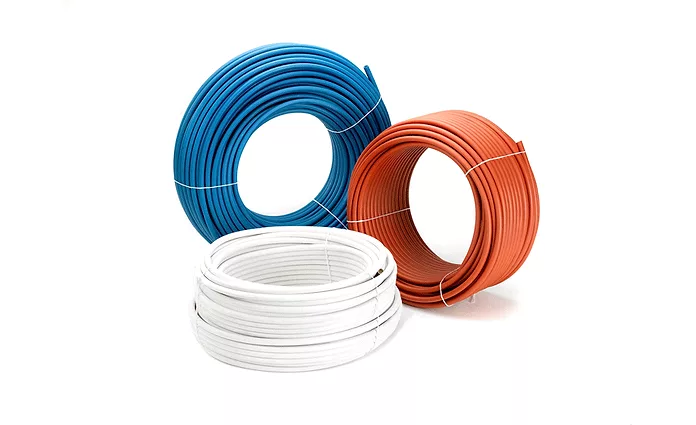
Pex pipe is a popular choice for plumbing because it offers flexibility and durability. Understanding the basics of this material can help you decide if it fits your needs, especially when concerned about freezing conditions. Let’s break down what makes Pex pipe unique and where it’s commonly used.
Material Properties
Pex stands for cross-linked polyethylene, a type of plastic that is both strong and flexible. This flexibility allows the pipe to expand slightly under pressure, which can be helpful if water inside freezes.
The material resists corrosion and scale buildup, unlike metal pipes. It also handles high temperatures and pressures well, making it suitable for hot and cold water systems.
Have you ever felt how rigid metal pipes can be? Pex pipe bends easily, which means fewer joints and less chance of leaks. That can save you time and money during installation.
Common Uses
Pex pipe is widely used in residential plumbing for water supply lines. It’s also popular for radiant floor heating systems due to its heat resistance and flexibility.
Because Pex is easier to install, many homeowners and professionals prefer it for remodeling projects. It can run through walls and floors with minimal disruption.
- Hot and cold water supply lines
- Radiant floor heating
- Snow melting systems
- Hydronic heating systems
Knowing where Pex works best can help you make smarter choices. Could switching to Pex reduce your plumbing headaches, especially in colder climates?
Pex Pipe And Freezing Temperatures
Pex pipe is popular for plumbing and heating systems. It handles cold temperatures better than many other pipes. Understanding how it reacts to freezing helps prevent damage. Pex pipe is flexible, which plays a key role during freezing conditions. But it has limits to how much it can expand without harm.
Flexibility Benefits
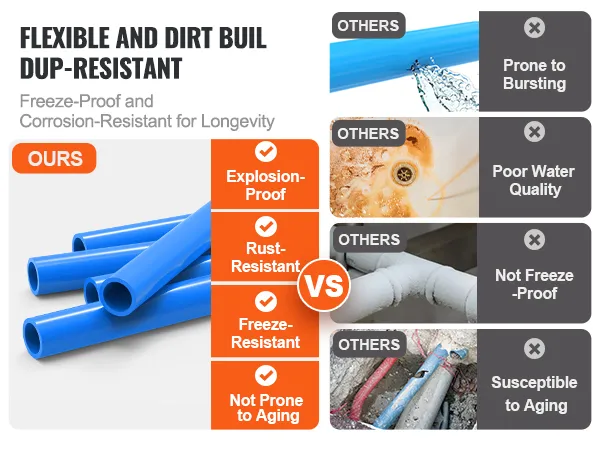
Pex pipe bends easily and stretches slightly under pressure. This flexibility allows it to expand when water inside freezes. Unlike rigid pipes, Pex reduces the chance of bursting. It can absorb the ice expansion better without cracking. This makes Pex a safer choice in cold climates. Still, it’s important to install it properly to maximize this benefit.
Expansion Limits
Even flexible pipes have limits. Pex pipe can expand only so much before it breaks. Extreme freezing can cause the pipe to crack or split. Pipes left exposed to freezing air face the highest risk. Insulation and proper installation reduce the chance of damage. Knowing these limits helps you protect your plumbing system.
Factors Affecting Freeze Resistance
Understanding what affects the freeze resistance of PEX pipe helps protect your plumbing. Several factors influence how well these pipes handle cold temperatures. Proper attention to these can reduce the risk of pipe damage during winter. This section explains the key elements that play a role in freeze resistance.
Installation Practices
Correct installation is vital for freeze resistance. Pipes should not be placed near exterior walls or unheated spaces. Avoid tight bends that can trap water. Leave space for pipe expansion if freezing occurs. Secure pipes to prevent movement that causes stress. Proper installation reduces the chance of cracks and leaks.
Insulation Importance
Insulation shields PEX pipes from cold air. Use foam sleeves or fiberglass wraps around the pipes. Insulation keeps the temperature above freezing longer. It also slows the loss of heat from warm water inside. Cover all exposed sections, especially in attics and basements. Good insulation is a simple way to avoid frozen pipes.
Water Flow Role
Flowing water resists freezing better than standing water. Let faucets drip slowly during extreme cold. Moving water prevents ice formation inside the pipe. Avoid shutting off water completely in winter. Regular flow helps maintain pipe temperature above freezing. This practice supports the freeze resistance of PEX pipes.
Preventing Pex Pipe Freezing
Preventing Pex pipe from freezing is essential in cold climates. Frozen pipes can burst and cause costly damage. Simple steps help keep pipes safe and functional during winter. Proper protection ensures water flows freely, avoiding inconvenience and repairs.
Pipe Insulation Tips
Insulating pipes reduces heat loss and prevents freezing. Use foam sleeves or fiberglass wrap around exposed pipes. Pay close attention to pipes in unheated areas like basements and crawl spaces. Seal gaps where cold air enters near pipes. Insulation keeps pipes warmer for longer periods.
Heat Tape Application
Heat tape warms pipes and prevents ice buildup. Choose heat tape designed for pipe protection. Wrap the tape around the pipe, following the manufacturer’s instructions. Connect the tape to a power source with a built-in thermostat. Heat tape activates automatically when temperatures drop.
Maintaining Water Flow
Allowing water to flow slowly helps prevent freezing. Keep faucets slightly open during freezing weather. Moving water is less likely to freeze inside pipes. Drain outdoor hoses and shut off valves to avoid pipe damage. Regular water movement protects plumbing systems efficiently.
Signs Of Freeze Damage
Freeze damage to PEX pipes can be hard to spot at first. Pipes may look fine outside but suffer inside. Knowing the signs helps catch problems early. Acting fast can save costly repairs and water damage.
Check pipes carefully after cold weather. Look for signs that the pipe material has cracked or weakened. Watch for unusual water flow or drops in pressure. These signs point to freeze damage in your plumbing system.
Visible Cracks
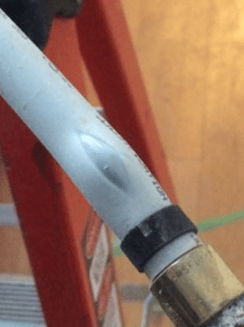
Cracks on the pipe surface are clear signs of freeze damage. PEX pipes may develop small splits or fractures. These cracks often appear near bends or joints. Cold causes the pipe to shrink and crack under pressure.
Inspect pipes closely for any discoloration or rough areas. Cracks may look like thin lines or tiny holes. Even small cracks can cause leaks and worsen over time.
Water Leaks
Leaks often follow freeze damage. Water may drip from cracks or joints weakened by cold. Check under sinks, along walls, and near appliances. Look for damp spots, puddles, or water stains.
Leaks waste water and raise your bills. They can cause mold growth and damage to floors or ceilings. Catching leaks early helps avoid bigger repairs later.
Pressure Drops
Low water pressure inside your home may signal pipe damage. Cracks or leaks reduce the water flow through the pipes. You may notice weak water streams or slow filling of tanks.
Pressure drops can also affect showers, faucets, and appliances. Test water pressure regularly during cold months. Sudden changes often mean a pipe problem caused by freezing.

Credit: garynsmith.net
Repairing Frozen Pex Pipes
Repairing frozen PEX pipes requires quick action to prevent further damage. While PEX is more flexible and resistant to bursting than traditional pipes, it can still crack or weaken if frozen too long. Knowing how to safely thaw and repair these pipes can save you time, money, and frustration.
Thawing Methods
When you notice your PEX pipe is frozen, start by warming it gradually. Avoid using open flames or extreme heat, as these can damage the pipe or cause leaks.
- Use a hairdryer:Move the heat evenly along the pipe, keeping the dryer a few inches away to prevent overheating.
- Apply warm towels:Soak towels in hot water and wrap them around the pipe, replacing as they cool down.
- Use a space heater:Position a heater near the frozen area to raise the ambient temperature gradually.
Have you ever tried rushing the thawing and ended up with a burst pipe? Slow and steady warming is key to avoid that costly mistake.
Replacing Damaged Sections
If you find a crack or leak after thawing, replacing the damaged section is your safest bet. Cutting out the broken part and fitting a new piece restores the pipe’s integrity.
- Turn off the water supply before starting any repair work.
- Use a PEX pipe cutter to make clean, straight cuts on both sides of the damaged section.
- Install PEX fittings and secure them with appropriate clamps or rings.
- Test the repair by slowly turning the water back on and checking for leaks.
Have you prepared your toolkit for such emergencies? Having PEX fittings, clamps, and a pipe cutter ready can make the repair process less stressful when time is critical.
Winter Plumbing Safety Tips
Winter brings a unique set of challenges for your home’s plumbing. Pipes can freeze, burst, and cause costly damage if you’re not careful. Taking a few simple precautions can save you from a headache and unexpected repairs during the cold months.
Protecting Outdoor Faucets
Outdoor faucets are easy targets for freezing temperatures. If left exposed, water inside can freeze and expand, cracking the pipe or faucet itself.
Wrap outdoor faucets with insulated covers or foam sleeves. You can also disconnect garden hoses and drain any remaining water. This small step prevents water from sitting in the pipe and freezing.
Have you checked your outdoor faucets lately? A quick inspection before the first frost can save you from a burst pipe.
Monitoring Unused Spaces
Unused spaces like basements, crawl spaces, and attics often get overlooked. These areas can be cold and drafty, making pipes more vulnerable to freezing.
Keep cabinet doors open under sinks to allow warm air to circulate around pipes. Use a space heater or heat tape in particularly cold spots. Regularly check these areas for signs of frost or leaks.
Could these hidden corners of your home be putting your plumbing at risk? A little attention here goes a long way in preventing damage.
Emergency Preparedness
Even with precautions, emergencies can happen. Knowing what to do quickly can minimize damage.
- Locate your main water shut-off valveso you can stop water flow immediately if a pipe bursts.
- Keep a plumber’s contact information handyfor quick professional help.
- Have basic tools and materialslike pipe insulation, towels, and buckets ready for a temporary fix.
Are you ready to act fast if a pipe freezes or bursts? Preparing ahead means you can respond calmly and effectively.
Credit: www.flowguardgold.com
Frequently Asked Questions
Is Pex Pipe Completely Freeze Proof?
No, Pex pipe is not completely freeze proof. It resists bursting better than metal pipes but can still freeze and crack under extreme cold.
How Does Pex Pipe Handle Freezing Temperatures?
Pex pipe expands slightly when frozen, reducing burst risk. However, prolonged freezing can still damage the pipe, so precautions are necessary.
Can Pex Pipes Burst In Winter?
Yes, Pex pipes can burst if water inside freezes solid. Insulation and proper installation help prevent freezing and bursting in cold weather.
What Makes Pex Pipe Better In Freezing Conditions?
Pex pipe’s flexibility allows it to expand without bursting. This property makes it more freeze-resistant compared to rigid copper or PVC pipes.
Conclusion
Pex pipe resists freezing better than traditional pipes. Its flexibility helps it expand when frozen. Still, it is not fully freeze-proof. Extreme cold can cause damage over time. Proper insulation and heating are key to protection. Avoid leaving water standing in cold pipes.
Taking simple steps can prevent costly repairs. Choose Pex for better freeze resistance in cold climates. Keep your plumbing safe and working all winter.