Have you ever wondered if the food you give your plants could harm you? Plant food is a common household item, but many people don’t know if it’s safe to handle or accidentally ingest.
Understanding whether plant food is poisonous to humans is important for your safety and peace of mind. You’ll discover the truth about plant food toxicity, how to protect yourself and your family, and what to do if exposure happens. Keep reading to learn what every plant lover needs to know.
Credit: www.worldatlas.com
Common Plant Foods In Diet
Many plant foods are part of our daily meals. People eat fruits, vegetables, herbs, spices, nuts, and seeds often. Some plant foods can be poisonous if not prepared right.
This guide looks at common plant foods and their safety for humans. It helps you know which ones to eat carefully or avoid.
Fruits And Vegetables We Eat
Fruits and vegetables are healthy and full of vitamins. Most are safe to eat raw or cooked. Some have parts that can be toxic if eaten in large amounts.
- Apples: Seeds contain small amounts of cyanide.
- Potatoes: Green parts have solanine, which is poisonous.
- Tomatoes: Leaves and stems are toxic, but fruit is safe.
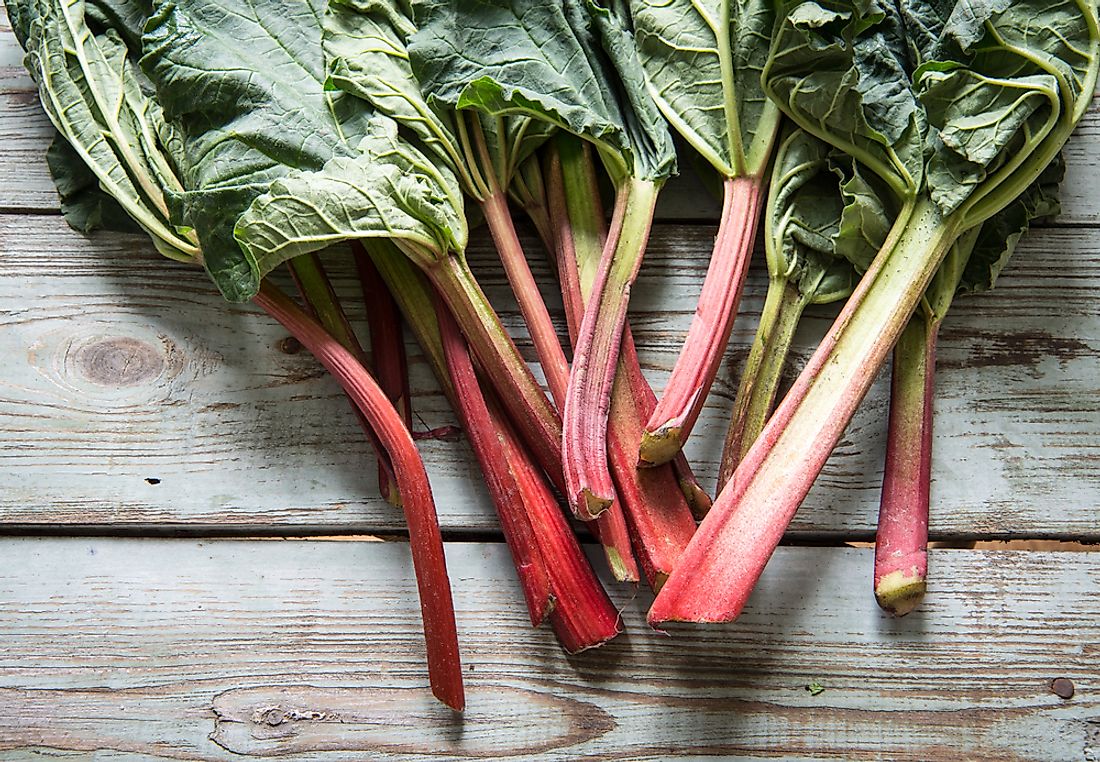
- Rhubarb: Leaves are poisonous, stalks are edible.
- Cherries: Pits contain cyanogenic compounds.
Herbs And Spices Usage
Herbs and spices add flavor to food. Most are safe in small amounts. Some can cause harm if eaten too much or raw.
| Herb/Spice | Common Use | Potential Risk |
| Nutmeg | Flavoring | High doses cause hallucinations |
| Licorice | Sweetener | Can raise blood pressure |
| Chili Peppers | Spice | May irritate stomach in large amounts |
| Bay Leaves | Flavor | Leaves should be removed before eating |
Nuts And Seeds
Nuts and seeds are good sources of fats and protein. Some contain natural toxins. Proper preparation removes these risks.
Examples of nuts and seeds with caution:
- Almonds: Bitter almonds have cyanide; sweet almonds are safe.
- Castor Beans: Very poisonous; never eat raw.
- Flaxseeds: Contain small amounts of cyanide compounds; safe in normal amounts.
- Walnuts: Usually safe but can cause allergies.

Credit: www.yahoo.com
Toxic Components In Plants
Many plants produce chemicals that can harm humans. These toxic components protect plants from being eaten.
Understanding these toxic parts helps us stay safe around certain plants and avoid poisoning.
Natural Plant Defenses
Plants develop toxins as a defense against insects, animals, and microbes. These natural defenses keep plants alive and healthy.
Some toxins cause bad taste or irritation. Others can be deadly if touched or eaten.
Common Poisonous Substances
Plants contain many toxic substances. These can affect the nervous system, digestion, or skin.
- Alkaloids – affect nerves and muscles
- Glycosides – damage the heart
- Oxalates – cause irritation and swelling
- Saponins – can cause stomach pain
- Lectins – interfere with cell function
Examples Of Toxic Plants
| Plant Name | Toxic Component | Effect on Humans |
| Deadly Nightshade | Atropine (Alkaloid) | Blurred vision, rapid heartbeat |
| Castor Bean | Ricin (Protein) | Severe poisoning, organ failure |
| Foxglove | Digitalis (Glycoside) | Heart problems |
| Rhubarb Leaves | Oxalates | Kidney damage, stomach pain |
| Poison Ivy | Urushiol Oil | Skin rash and itching |
Effects Of Plant Toxins On Humans
Some plants have toxins that can affect humans in various ways. These toxins may cause mild to severe reactions. Knowing the effects is important for safety.
Plant toxins can impact human health in different degrees. Symptoms vary based on the plant and the amount ingested.
Mild Reactions And Symptoms
Mild reactions to plant toxins are common and usually not life-threatening. They often include symptoms that are manageable at home.
- Itchy skin or mild rashes
- Upset stomach or nausea
- Minor headaches
Severe Poisoning Cases
Severe cases of plant poisoning can be dangerous. They may require immediate medical attention to prevent serious health issues.
| Symptom | Potential Cause |
| Severe vomiting | Ingestion of toxic berries |
| Breathing difficulty | Allergic reaction |
| Seizures | Exposure to potent plant toxins |
Long-term Health Risks
Long-term exposure to some plant toxins can have lasting effects on health. It is crucial to be aware of these risks for prevention.
- Reduced liver function
- Kidney damage
- Neurological problems
Safe Consumption Practices
Plant food can be safe if handled with care. Knowing how to prepare and choose plants matters. This helps avoid health risks.
Following safe habits protects you from harmful effects. Learn the right steps before eating any plant food.
Proper Preparation Techniques
Preparing plants correctly removes toxins and dirt. Cooking, peeling, or soaking may be needed. Always follow trusted methods.
- Wash plants thoroughly under running water.
- Peel or trim parts that look damaged or bitter.
- Cook plants that are known to have toxins raw.
- Soak some plants in water to reduce bitterness.
- Discard cooking water from certain wild plants.
Identifying Safe Plants
Not all plants are safe to eat. Learning to identify edible plants is very important. Use reliable guides or expert advice.
| Plant | Safe to Eat | Notes |
| Dandelion | Yes | Leaves and flowers edible |
| Foxglove | No | Highly poisonous |
| Wild Garlic | Yes | Strong smell, edible leaves |
| Hemlock | No | Deadly if consumed |
| Stinging Nettle | Yes | Cook to remove sting |
Avoiding Contamination
Plants can carry germs or chemicals. Clean handling and proper storage help avoid contamination.
- Pick plants away from roads and polluted areas.
- Use clean tools and containers for harvesting.
- Wash hands before handling plant food.
- Store plants in cool, dry places to prevent spoilage.
- Avoid mixing edible plants with chemicals or pesticides.
Myths About Plant Food Toxicity
Many people worry that plant foods can be poisonous to humans. This idea comes from old stories and fears. It is important to understand the truth about plant food safety.
This article looks at common myths about plant food toxicity. It compares these myths with scientific facts. It also explores cultural beliefs about eating plants.
Common Misconceptions
Some people think that all wild plants are dangerous to eat. Others believe that plants with bitter tastes are always toxic. Many assume that if animals do not eat a plant, it is unsafe for humans.
- All wild plants are poisonous.
- Bitter plants should never be eaten.
- Plants not eaten by animals are toxic for humans.
- Cooking always removes all toxins from plants.
Scientific Evidence Vs. Myths
Scientists study plant food safety with tests and experiments. They find that many plants are safe when prepared properly. Some plants have natural toxins but only in small amounts. Cooking, soaking, or peeling can reduce these toxins.
| Myth | Scientific Fact |
| All wild plants are poisonous | Many wild plants are safe and nutritious |
| Bitter taste means poison | Some bitter plants are safe when prepared well |
| Animals avoid toxic plants | Animal diets differ; humans can safely eat some avoided plants |
| Cooking removes all toxins | Cooking reduces toxins but some remain in certain plants |
Cultural Beliefs And Practices
Many cultures have stories about poisonous plants. These stories help people avoid unsafe foods. Some cultures use special methods to prepare plants safely. Knowledge about plants passes from one generation to the next.
Here are common cultural practices that reduce plant toxicity:
- Soaking beans overnight to remove harmful chemicals
- Fermenting cassava to reduce cyanide levels
- Boiling leaves multiple times to reduce bitterness and toxins
- Peeling roots and tubers to remove toxic skins
Credit: medium.com
When To Seek Medical Help
Plant food can sometimes be harmful to humans. Knowing when to get medical help is very important. Early treatment can stop serious problems.
This guide helps you see signs of poisoning and what to do next. Acting fast can save lives.
Recognizing Poisoning Symptoms
Symptoms from plant food poisoning vary. They can appear quickly or take time. Watch for these signs after eating or touching plants.
- Nausea and vomiting
- Stomach pain or cramps
- Diarrhea or watery stools
- Dizziness or weakness
- Difficulty breathing or swallowing
- Swelling of lips, tongue, or throat
- Skin rash or irritation
- Confusion or unusual behavior
If you notice any of these symptoms, do not ignore them. Get medical help as soon as possible.
Emergency Steps To Take
Quick action can reduce harm from plant food poisoning. Follow these steps immediately after symptoms appear.
- Stop eating the plant food right away
- Rinse your mouth with water
- Do not try to make yourself vomit unless told
- Call emergency services or poison control
- Keep the plant food package or sample for doctors
- Stay calm and rest while waiting for help
These steps help doctors know what caused the poisoning. Quick help can prevent serious damage.
Treatment Options
Treatment depends on the plant and symptoms. Doctors may give medicines or other care to help.
- Activated charcoal to absorb toxins
- Fluids to prevent dehydration
- Medications to control vomiting or pain
- Oxygen therapy if breathing is hard
- Hospital stay for serious cases
Follow all medical advice and complete the treatment. This helps you recover fully and avoid long-term problems.
Frequently Asked Questions
Can Plant Food Be Toxic To Humans?
Yes, some plant foods contain natural toxins that can harm humans if ingested in large amounts. Proper cooking and preparation often reduce these risks.
Which Common Plant Foods Are Poisonous To Humans?
Common poisonous plant foods include raw kidney beans, rhubarb leaves, and elderberries. Consuming these without proper preparation can cause illness.
How To Safely Consume Plant Foods?
Always cook plant foods thoroughly and avoid eating unknown wild plants. Proper washing and peeling also reduce the risk of toxins.
What Symptoms Indicate Plant Food Poisoning?
Symptoms include nausea, vomiting, diarrhea, and stomach pain. Severe cases may cause dizziness or difficulty breathing and require medical attention.
Conclusion
Plant food can be harmful if eaten in large amounts. Some plants have poisons to protect themselves. Always check what you eat from plants. Eating the right parts in small amounts is usually safe. Keep plant food away from children and pets.
Knowing which plants are safe helps avoid risks. Stay careful and enjoy nature without danger.