
Have you ever wondered if the plant food you use at home could be harmful to your dog? As a pet owner, keeping your furry friend safe is a top priority.
But with so many products around, it’s easy to miss potential dangers. Plant food might seem harmless, but could it actually be toxic to your dog? Keep reading to discover the truth, so you can protect your pet and avoid any unexpected risks.
This information could make all the difference for your dog’s health and happiness.
Credit: www.humboldt.ca
Common Plant Foods Toxic To Dogs
Some plant foods that are safe for humans can be harmful to dogs. Knowing which plants pose risks helps keep pets safe. This guide covers common toxic fruits, vegetables, nuts, and seeds.
Dogs may eat plants out of curiosity or hunger. Owners should learn which foods to avoid giving their dogs. Early knowledge can prevent health problems.
Fruits That Pose Risks
Some fruits contain substances that are toxic to dogs. Seeds, pits, and peels can cause serious issues. Avoid giving these fruits to your dog.
- Grapes and raisins can cause kidney failure.
- Cherries have cyanide in their pits.
- Avocado contains a toxin called persin.
- Currants can cause vomiting and diarrhea.
- Apple seeds contain cyanide and should be removed.
Dangerous Vegetables
Some vegetables are harmful if eaten by dogs. They may cause stomach upset or more serious effects. Keep these vegetables away from your dog.
- Onions and garlic can damage red blood cells.
- Rhubarb leaves contain toxins affecting the kidneys.
- Raw potatoes have solanine, which is toxic.
- Tomato leaves and stems contain harmful alkaloids.
- Chives can cause digestive problems and anemia.
Toxic Nuts And Seeds
Nuts and seeds can be dangerous for dogs. Some cause choking, while others have toxins. Avoid feeding these nuts and seeds to your dog.
- Macadamia nuts cause weakness and vomiting.
- Walnuts may cause stomach upset and tremors.
- Almonds can cause blockages and upset stomach.
- Black walnut can be toxic and cause seizures.
- Fruit seeds like peach or plum pits contain cyanide.

Credit: parade.com
How Plant Toxins Affect Dogs
Many common plants contain toxins that can harm dogs. These toxins can cause health problems if dogs eat or chew on these plants. Dogs may not understand the danger and might be attracted to the plants.
Plant toxins affect dogs in different ways. Some toxins cause mild issues like stomach upset. Others can lead to serious damage to organs or even death. It is important to know the risks and signs of poisoning.
Symptoms Of Poisoning
Signs of poisoning vary depending on the plant and amount eaten. Early symptoms often include digestive problems. Some symptoms appear quickly, while others may take hours.
- Vomiting and diarrhea
- Drooling or excessive thirst
- Weakness or lethargy
- Loss of appetite
- Shaking or seizures
- Difficulty breathing
- Swollen mouth or face
If you see these symptoms after your dog contacts a plant, contact a vet immediately. Quick treatment can save your dog’s life.
Potential Long-term Effects
Some plant toxins cause damage that lasts long after the first symptoms. Organ damage may develop over time. This can affect your dog’s quality of life.
Long-term effects depend on the toxin type and how fast your dog got help. Some dogs may recover fully, but others may face ongoing health problems.
- Kidney or liver damage
- Nerve damage causing weakness
- Chronic digestive issues
- Changes in behavior or activity
- Increased risk of infections
Why Dogs Are Vulnerable To Certain Plants
Many plants are harmless to humans but can be toxic to dogs. Understanding why dogs are sensitive to certain plants is important for pet owners. Dogs explore the world with their mouths, making them more likely to ingest harmful substances.
Unlike humans, dogs cannot always digest certain plant compounds. This can make them sick. Pet owners need to be aware of which plants are dangerous for their dogs.
Differences In Digestion
Dogs have different digestive systems than humans. Their stomachs and intestines are not built to process plant materials. This makes it hard for them to break down some plant compounds.
Some plants contain fibers and chemicals that dogs cannot digest. These can cause stomach pain, vomiting, or diarrhea in dogs.
- Dogs lack certain digestive enzymes
- Plants with high fiber are hard for dogs to digest
- Some plant toxins affect dogs but not humans
Sensitivity To Specific Compounds
Dogs are sensitive to certain compounds found in plants. These compounds can be toxic and cause severe reactions. For example, some plants have chemicals that affect a dog’s nervous system.
Even small amounts of these compounds can make a dog sick. It is important for pet owners to know which plants contain these dangerous chemicals.
- Saponins in some plants cause vomiting
- Oxalates can lead to kidney problems
- Certain alkaloids affect a dog’s heart rate
Safe Plant Foods For Dogs
Many dog owners worry if plant foods are safe for their pets. Some plants can be harmful, but many fruits and vegetables are good for dogs.
Feeding safe plant foods can add nutrients and variety to your dog’s diet. Always introduce new foods slowly and watch for reactions.
Dog-friendly Fruits
Fruits can be healthy treats for dogs. They provide vitamins and natural sugars in small amounts. Avoid fruits with pits or seeds that can cause harm.
- Apples (without seeds)
- Blueberries
- Bananas
- Watermelon (seedless)
- Pears (without seeds)
- Strawberries
Give fruits in small pieces to prevent choking. Remove any seeds or cores before feeding.
Vegetables That Are Beneficial
Vegetables add fiber and vitamins to a dog’s meal. Most dogs enjoy crunchy vegetables as snacks. Cooked or raw vegetables are usually safe.
- Carrots
- Green beans
- Sweet potatoes (cooked)
- Cucumbers
- Pumpkin (plain, cooked)
- Peas
Always serve vegetables in bite-size pieces. Avoid onions, garlic, and other toxic vegetables.
What To Do If Your Dog Eats Toxic Plants
Dogs sometimes chew on plants without knowing if they are safe. Some plants contain poisons that can hurt your dog.
It is important to act quickly if your dog eats a toxic plant. Knowing what to do can save your dog’s life.
Immediate Steps To Take
First, remove your dog from the area where the plant is. Check your dog’s mouth for any plant pieces and remove them carefully.
Try to identify the plant your dog ate. This information will help the vet give the right treatment.
- Keep your dog calm and still
- Do not make your dog vomit unless the vet says to
- Collect a sample or take a photo of the plant
- Note any symptoms like vomiting or drooling
When To Contact A Veterinarian
Call your veterinarian right away if your dog ate a toxic plant. Early treatment can prevent serious health problems.
Contact the vet if you see signs like vomiting, diarrhea, weakness, or difficulty breathing. These may mean your dog needs urgent care.
- After eating a toxic plant, contact the vet immediately
- Watch for symptoms such as shaking or drooling
- Follow the vet’s instructions carefully
- Take your dog to the clinic if advised
Preventing Plant Food Poisoning
Plant food can be harmful to dogs if they eat it. Some plant foods have chemicals that can make dogs sick. It is important to keep plant food away from pets.
Preventing plant food poisoning helps keep your dog safe and healthy. You can take simple steps to protect your dog at home.
Safe Storage Practices
Store plant food in places where dogs cannot reach it. Use containers with tight lids to stop spills and smells. Keep plant food in high cabinets or locked rooms.
- Use sealed containers to store plant food
- Keep plant food out of reach of dogs
- Clean up any spilled food right away
- Do not leave plant food bags open
Educating Family Members
Tell everyone in your home about the risks of plant food to dogs. Teach children not to feed plant food to pets. Make sure guests know to keep plant food away from dogs.
- Explain the dangers of plant food to dogs
- Ask family members to keep plant food secure
- Remind guests not to give dogs plant food
- Post signs or notes near plant food storage
Myths About Dogs And Plant Foods
Many people worry about feeding plants to dogs. Some plants can be harmful, but not all plant foods are toxic. Understanding the truth helps keep dogs safe.
This guide clears up myths about dogs and plant foods. It shows facts and common mistakes people make.
Common Misconceptions
Some think all plant foods are dangerous to dogs. This is not true. Many fruits and vegetables are safe and healthy for dogs to eat in moderation.
Another myth says dogs should never eat any plants. Dogs can digest some plants well. Some plant foods even provide vitamins and fiber.
- Chocolate and grapes are toxic to dogs
- Carrots and green beans are safe and healthy
- Onions and garlic can harm dogs
- Not all plant foods are created equal
Separating Fact From Fiction
It is important to know which plants are harmful. Some plants cause mild upset, others cause serious harm. Always check before giving plants to dogs.
Feeding dogs safe plant foods in small amounts can be part of a balanced diet. Avoid plants known to be toxic and watch for any signs of illness.
- Safe plant foods: apples (no seeds), blueberries, pumpkin
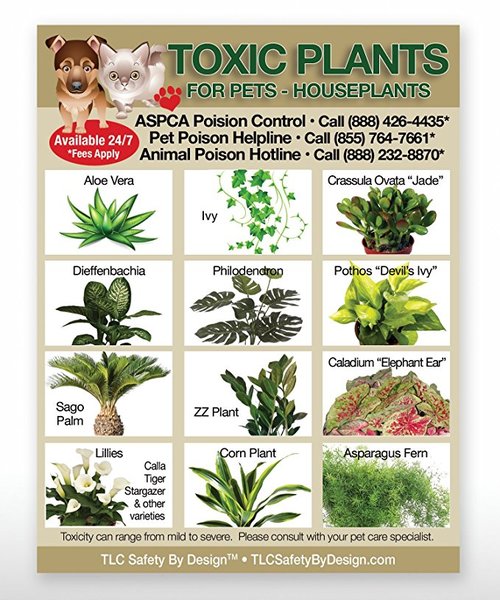
- Toxic plants: lilies, azaleas, sago palms
- Watch for vomiting, diarrhea, or lethargy after eating new plants
- Consult a vet if you suspect poisoning

Credit: www.thespruce.com
Frequently Asked Questions
Is Plant Food Harmful To Dogs If Ingested?
Yes, many plant foods contain chemicals that can be toxic to dogs. Symptoms vary from mild digestive upset to severe poisoning. Immediate veterinary care is recommended if your dog eats plant food.
What Are Common Toxic Ingredients In Plant Food For Dogs?
Common toxic ingredients include fertilizers, pesticides, and certain plant extracts. These substances can cause vomiting, diarrhea, or neurological issues. Always check product labels and keep plant food out of your dog’s reach.
How Can I Prevent My Dog From Eating Toxic Plant Food?
Store plant food securely in high or locked cabinets. Train your dog to avoid plants and garden areas. Supervise outdoor activities to reduce accidental ingestion risks.
What Should I Do If My Dog Eats Plant Food?
Contact your veterinarian immediately. Provide details about the product ingested and your dog’s symptoms. Prompt action improves treatment success and reduces health risks.
Conclusion
Plant food can be harmful to dogs if eaten in large amounts. Always keep plant fertilizers out of your pet’s reach. Watch your dog closely during gardening or plant care times. If you notice any strange behavior or sickness, contact a vet quickly.
Protect your dog by choosing pet-safe products whenever possible. Keeping your pet safe starts with good habits at home. Simple steps can prevent serious health problems. Stay alert, stay safe.