Have you ever wondered if the food you feed your plants could be harmful to you? You might have seen those colorful bags labeled “plant food” and asked yourself, “Is this toxic to humans?”
Whether you have kids, pets, or simply want to keep your home safe, knowing the truth about plant food is important. You’ll discover what’s inside plant food, how it can affect your health, and simple steps you can take to protect yourself and your loved ones.
Keep reading—what you learn here could make a big difference in your safety at home.

Credit: www.yahoo.com
Plant Food Ingredients
Plant food often contains various ingredients to support plant growth. These ingredients help plants get the nutrients they need. Some ingredients can be harmful to humans if not handled properly.
Understanding these ingredients helps you stay safe around plant food. It also shows why plant food is not meant for human consumption.
Common Nutrients In Plant Food
Plant food usually contains key nutrients that plants require. These include nitrogen, phosphorus, and potassium. These elements help plants grow strong and healthy.
- Nitrogen (N) – helps leaves grow green and lush
- Phosphorus (P) – supports root and flower development
- Potassium (K) – strengthens plants and improves disease resistance
Additional Chemicals And Additives
Besides nutrients, plant food may contain other chemicals. These include fillers, stabilizers, and preservatives. Some may be toxic if swallowed by humans or pets.
| Ingredient | Purpose | Human Toxicity |
| Urea | Nitrogen source | Can cause stomach irritation |
| Ammonium nitrate | Nitrogen source | Toxic if ingested |
| Herbicides | Weed control | Highly toxic |
| Inert fillers | Bulk and texture | Usually low toxicity |
Why Plant Food Is Toxic To Humans
Plant food contains chemicals in high concentrations. These chemicals can harm human organs. Eating or touching plant food can cause skin, eye, or stomach problems.
- Stomach pain and nausea from ingestion
- Skin irritation on contact
- Eye damage if splashed
- Poisoning in severe cases
Common Types Of Plant Food
Plant food helps plants grow strong and healthy. It provides nutrients plants need to live.
There are many types of plant food. Some are natural, and some are made in factories.
Nitrogen Fertilizers
Nitrogen is a key nutrient for plants. It helps leaves grow green and strong.
Common nitrogen fertilizers include ammonia, urea, and nitrate compounds. They are often powder or liquid.
Phosphorus Fertilizers
Phosphorus helps plants develop roots and flowers. It is important for energy transfer in plants.
Examples are superphosphate and bone meal. These come in powder or granules.
Potassium Fertilizers
Potassium helps plants resist disease and survive dry weather. It improves fruit and flower quality.
Potassium chloride and potassium sulfate are common types. They are usually in crystal form.
Organic Plant Food
Organic plant food comes from natural sources like compost and manure. It adds nutrients slowly.
It improves soil health and helps plants grow naturally. It is safe for humans if used properly.
Micronutrient Fertilizers
Plants also need small amounts of micronutrients like iron, zinc, and copper. These help many plant functions.
Micronutrient fertilizers are often added in chelated form. They prevent nutrient deficiencies in plants.
Potential Toxicity In Humans
Plant food can contain chemicals that might be harmful to people. Some natural substances in plants can cause sickness if eaten in large amounts.
It is important to understand which parts of plants or plant foods can be toxic and how they affect human health.
Chemical Components
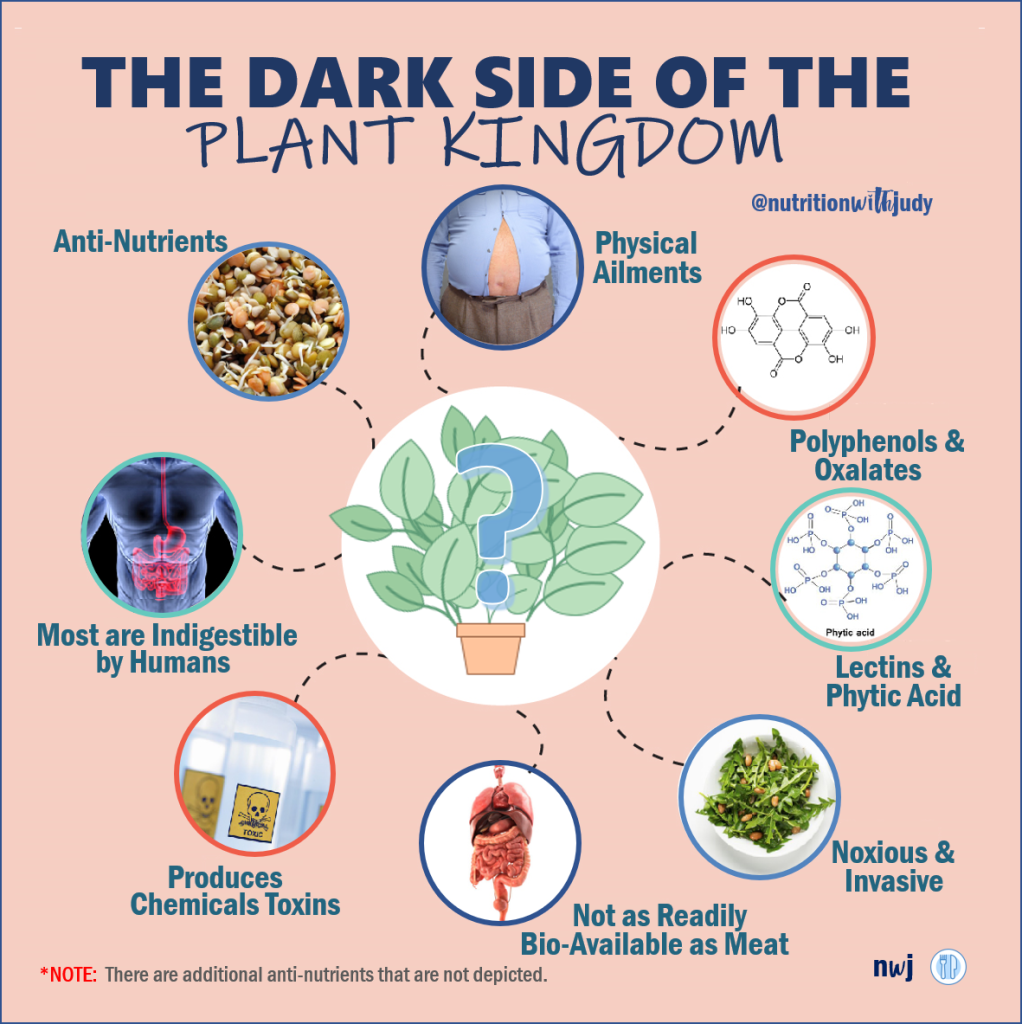
Many plants have natural chemicals like alkaloids, glycosides, and oxalates. These chemicals protect plants but can be harmful to humans.
- Alkaloids can affect the nervous system and cause dizziness or nausea.
- Glycosides may release toxins when digested, harming the heart or other organs.
- Oxalates can cause kidney stones and irritation in the mouth or throat.
Health Risks And Symptoms
| Risk | Common Symptoms |
| Allergic Reactions | Rashes, swelling, itching |
| Digestive Issues | Nausea, vomiting, diarrhea |
| Neurological Effects | Dizziness, headaches, confusion |
| Organ Damage | Heart problems, kidney pain |

Credit: medium.com
Accidental Ingestion
Plant food is made to help plants grow. It often contains chemicals that can harm people if swallowed. Accidental ingestion means eating plant food by mistake.
This can happen at home, school, or work. Knowing what to do is important to stay safe.
Common Scenarios
Accidental ingestion usually happens with children or pets. They may find plant food bags or liquids attractive. Sometimes adults swallow it by mistake, too.
- Children eating fertilizer pellets or granules
- Pets licking spilled liquid plant food
- Adults mistaking plant food for drink or medicine
- Gardeners touching plant food then putting fingers in mouth
Immediate Actions
If someone swallows plant food, act quickly. Check how much was eaten and what type it is. Call poison control or emergency services right away.
Do not make the person vomit unless a doctor says to. Give water if the person is awake and not having seizures. Keep the plant food container to show to medical staff.
- Call poison control or emergency number immediately
- Do not induce vomiting without professional advice
- Give small sips of water if conscious
- Keep the product packaging for reference
- Watch for symptoms like nausea, stomach pain, or difficulty breathing
Long-term Exposure Concerns
Plant food contains nutrients that help plants grow. Some ingredients in plant food can be harmful to humans. Long-term exposure means contact over weeks or years.
People who work with plant food may face risks from constant contact. It is important to understand these risks for safety.
Chemical Ingredients And Their Effects
Many plant foods have chemicals like fertilizers and pesticides. These chemicals can build up in the body. Long-term exposure may cause health problems.
- Skin irritation or rashes
- Respiratory issues such as coughing or asthma
- Headaches and dizziness
- Possible damage to organs
Risk For Children And Sensitive Groups
Children and people with weak immune systems are more at risk. Even small amounts of toxins can affect their health. Careful handling and storage are very important.
Safety Measures To Reduce Exposure
| Safety Measure | Description |
| Use gloves and masks | Protect skin and lungs from chemicals |
| Store plant food safely | Keep away from children and pets |
| Wash hands after use | Prevent accidental ingestion or skin contact |
| Follow product instructions | Use the right amount and avoid overuse |
Safety Measures
Plant food can be harmful to humans if not handled carefully. It is important to follow safety steps. These steps help avoid health risks and accidents.
Understanding how to store and use plant food safely keeps your home and family protected. Use simple rules to reduce dangers.
Proper Storage
Store plant food in a cool, dry place away from children and pets. Keep it in its original container with the label intact.
- Seal containers tightly after use
- Place plant food on high shelves or locked cabinets
- Keep away from food and water sources
- Do not mix different chemicals in one container
Safe Handling Practices
Wear gloves and protective clothing when handling plant food. Avoid breathing in dust or fumes from the product.
| Safe Handling Tips | Why It Matters |
| Wear gloves | Protect skin from irritation |
| Use mask if dusty | Prevent inhaling harmful particles |
| Wash hands after use | Remove any residues |
| Do not eat or drink while handling | Avoid accidental ingestion |
Alternatives To Chemical Plant Food
Chemical plant food can be harmful to humans and the environment. Many people look for safer options to feed their plants.
Natural and organic alternatives help plants grow without toxic effects. These options support healthy soil and plants.
Natural Fertilizers
Natural fertilizers come from plants, animals, or minerals. They release nutrients slowly and improve soil quality.
Examples include compost, manure, and bone meal. These help plants grow strong and healthy without chemicals.
- Compost adds organic matter and nutrients
- Manure provides nitrogen and other minerals
- Bone meal supplies phosphorus for roots
- Seaweed fertilizer offers trace minerals
Organic Gardening Solutions
Organic gardening avoids synthetic chemicals. It uses natural methods to keep plants healthy and pests away.
Techniques include crop rotation, companion planting, and using beneficial insects. These keep the garden balanced and safe.
- Crop rotation prevents soil nutrient loss
- Companion plants improve growth and pest control
- Beneficial insects reduce harmful pests
- Mulching keeps soil moist and weed-free
Credit: dengarden.com
Frequently Asked Questions
Is Plant Food Toxic If Ingested By Humans?
Plant food can be toxic if ingested in large amounts. Some contain harmful chemicals or fertilizers. Always keep plant food away from children and pets to avoid poisoning risks.
What Symptoms Indicate Plant Food Poisoning In Humans?
Symptoms include nausea, vomiting, diarrhea, and stomach pain. Severe cases may cause dizziness or difficulty breathing. Seek medical help immediately if poisoning is suspected.
Can Small Amounts Of Plant Food Harm Humans?
Small accidental ingestion usually causes mild symptoms or none. However, it depends on the plant food’s ingredients. Always read labels and avoid consumption to stay safe.
How To Safely Handle Plant Food At Home?
Wear gloves and avoid direct contact when handling plant food. Store it in a secure place away from food and children. Follow instructions carefully for safe use.
Conclusion
Plant food is not meant for human consumption. Eating it can cause health problems. Many plant foods contain chemicals that protect plants but harm people. Always keep plant food away from children and pets. Read labels carefully before use. Stay safe by using plant food only as directed.
Knowing the risks helps prevent accidents. Protect your family and yourself by being cautious. Safe use matters most when handling any plant product.