Are you worried about a strange bump on the bottom of your foot? You might be dealing with a plantar wart.
But here’s the big question: is a plantar wart contagious? Knowing the answer can protect you and the people around you from unwanted spread. You’ll discover how plantar warts spread, what makes them contagious, and simple steps you can take to stop them in their tracks.
Keep reading—your feet and your health will thank you.

Credit: www.apexhospitals.com
What Is Plantar Wart
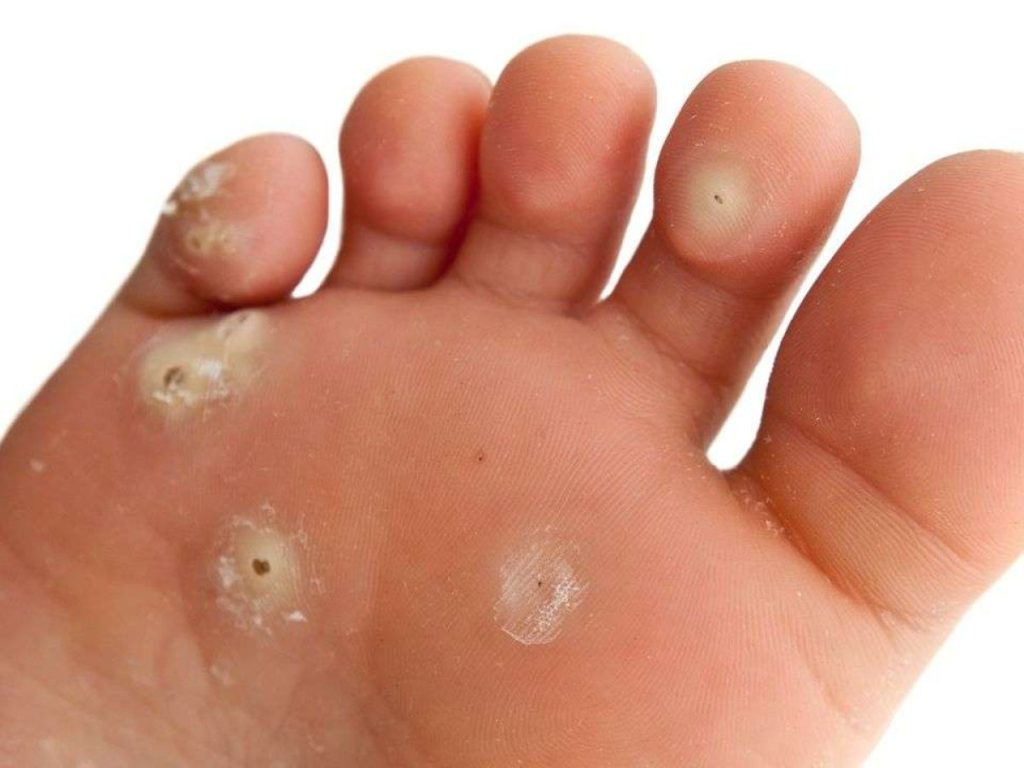
Plantar warts are small growths that appear on the soles of the feet. They are caused by a virus called human papillomavirus (HPV).
These warts can be painful and make walking uncomfortable. They often have a rough surface and may have tiny black dots inside.
Causes Of Plantar Wart
Plantar warts happen when the HPV virus enters the skin through small cuts or breaks. The virus grows in the outer layer of the skin.
- Walking barefoot in public places like pools or locker rooms
- Having cuts or wounds on the feet
- Touching warts on other people or on yourself
Symptoms Of Plantar Wart
Plantar warts usually have these signs:
- Small, grainy growths on the foot sole
- Black pinpoints inside the wart
- Pain or tenderness when walking or standing
- Thickened skin over the wart
Plantar warts can spread from one person to another or to other parts of the body. The virus spreads through direct contact or by touching surfaces with the virus.
| Method of Spread | Description |
| Direct Contact | Touching a wart on another person’s skin |
| Indirect Contact | Walking barefoot on infected floors or surfaces |
| Self-Inoculation | Touching and spreading warts on your own feet |
Credit: www.doctutorials.com
Causes Behind Plantar Warts
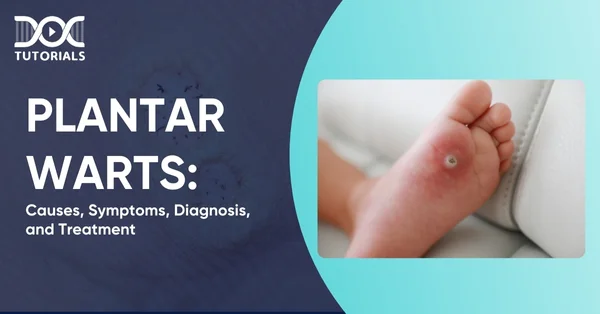
Plantar warts are small growths that appear on the soles of the feet. They are caused by a virus that infects the skin.
Understanding what causes plantar warts can help prevent them from spreading or coming back.
Human Papillomavirus (hpv)
Plantar warts happen because of a virus called Human Papillomavirus or HPV. This virus enters the skin through small cuts or cracks.
Once inside, the virus causes the skin to grow quickly, forming a hard bump known as a wart.
Walking Barefoot In Public Areas
Walking barefoot in places like swimming pools or locker rooms can spread the virus. These areas are often wet and help the virus survive.
The virus can enter the skin easily when you do not wear shoes or slippers in these places.
Weakened Immune System
People with weak immune systems are more likely to get plantar warts. Their bodies cannot fight off the virus well.
Illness, stress, or certain medicines can lower your immune defenses, making it easier for the virus to cause warts.
Skin Injuries Or Cuts On The Feet
Small cuts or broken skin on your feet give the virus a way in. The virus cannot enter healthy, unbroken skin easily.
Even tiny wounds from tight shoes or rough surfaces can let the virus infect your skin.
Direct Contact With The Virus
You can catch plantar warts by touching someone who has the virus or touching surfaces they have touched.
The virus spreads through direct skin contact or by sharing shoes, socks, or towels.
How Plantar Warts Spread
Plantar warts are small growths that appear on the heels or other weight-bearing areas of your feet. They are caused by a virus and can spread from person to person.
Understanding how they spread helps in preventing them. Let’s explore the common ways plantar warts are transmitted.
Direct Contact
Direct contact with a wart can transfer the virus to your skin. This makes it easy for the virus to spread if you touch a wart and then touch another part of your body.
Shared Surfaces
Plantar warts often spread in communal areas. These include showers, locker rooms, and swimming pools. The virus thrives in warm, moist environments.
- Avoid walking barefoot in public showers
- Use flip-flops in locker rooms
- Keep feet dry and clean
Contaminated Objects
Objects like towels or shoes can carry the virus. If shared, they can transfer the virus from one person to another.
| Object | Risk Level |
| Towel | High |
| Shared Shoes | Medium |
| Yoga Mats | Low |
Weakened Immune System
A person with a weakened immune system is more likely to get plantar warts. This includes people with certain health conditions or those undergoing specific treatments.
Risk Factors For Contagion
Planter’s wart is a skin infection caused by the human papillomavirus (HPV). It spreads easily through direct contact.
Knowing the risk factors can help you avoid catching or spreading planter’s wart to others.
Direct Skin Contact
The most common way planter’s wart spreads is through direct skin contact with an infected person. Touching the wart can transfer the virus.
Sharing Personal Items
Using items like towels, shoes, or socks from someone with planter’s wart raises the chance of catching the virus.
- Sharing towels in locker rooms
- Wearing someone else’s shoes
- Using unclean socks or foot coverings
Walking Barefoot In Public Areas
Places like pools, gyms, and showers are common spots for the virus. The virus thrives on moist surfaces.
| Public Area | Risk Level |
| Public Pools | High |
| Gym Locker Rooms | High |
| Shared Showers | Medium |
| Home Floors | Low |
Weakened Immune System
People with weak immune systems get planter’s wart more easily. The body cannot fight the virus well.
- Chronic illness
- Medications that suppress immunity
- Stress and poor nutrition
Signs You Might Have A Plantar Wart
Plantar warts are small growths that appear on the soles of your feet. They are caused by a virus and can be uncomfortable. Knowing the signs helps you spot them early.
These warts often look different from other skin problems. They can cause pain when you walk or stand. Pay attention to changes on your feet to catch plantar warts fast.
Appearance Of The Wart
A plantar wart usually shows up as a small, rough lump on the foot. It may have tiny black dots inside. These dots are actually small blood vessels that have clotted.
Pain Or Discomfort
Plantar warts can cause pain or tenderness. You might feel discomfort when walking or standing. The pain comes from the wart pressing into the foot.
Changes In Skin Texture
The skin over a plantar wart often becomes thick or callused. This happens because of pressure on the wart. The area may look different from the surrounding skin.
Common Locations On The Foot
- Heel
- Ball of the foot
- Under the toes
- Arch of the foot
How To Tell A Plantar Wart From Other Foot Problems
| Feature | Plantar Wart | Callus |
| Surface | Rough with tiny black dots | Thick and smooth |
| Pain | Yes, when pressed | Usually no |
| Size | Small and round | Larger, irregular |
| Location | Weight-bearing areas | Pressure spots |
Preventing Transmission
Planter’s warts can spread from person to person. They also spread through contact with surfaces. Taking steps to avoid this helps keep others safe.
Good hygiene and care can lower the chance of spreading planter’s warts. It is important to protect your skin and keep the area clean.
Avoid Direct Contact
Do not touch someone else’s wart. Avoid picking at your own wart. This stops the virus from moving to other parts of your body or other people.
Covering the wart with a bandage can protect others. Change the bandage if it gets wet or dirty.
Keep Feet Clean And Dry
Wash your feet daily with soap and water. Dry them well, especially between the toes. Moist skin lets the virus grow and spread easily.
Wear clean socks every day. Change socks if they get sweaty. This helps stop the virus from spreading.
Avoid Walking Barefoot In Public
Public places like pools, gyms, and locker rooms often have the virus on floors. Wear flip-flops or sandals to protect your feet.
Using footwear prevents the virus from entering small cuts or breaks in your skin.
Do Not Share Personal Items
Do not share shoes, socks, towels, or socks with others. These items can carry the virus and spread the wart.
- Use your own towel after bathing
- Keep your shoes and socks personal
- Clean shared surfaces with disinfectant
Treat Warts Promptly
Start treatment as soon as you notice a wart. Early care reduces the chance of spreading the virus to others.
Follow instructions from your healthcare provider or use over-the-counter wart treatments carefully.
Treatment Options
Planters warts are common skin growths caused by a virus. They can be uncomfortable and may spread if not treated. Many treatment options exist to help remove them safely.
Choosing the right treatment depends on the wart’s size, location, and how long it has been there. Some treatments you can do at home, while others need a doctor’s help.
Over-the-counter Treatments
Many people start by using medicines from a drugstore. These treatments usually contain salicylic acid, which helps dissolve the wart slowly.
- Apply the solution or patch daily
- Soak the foot in warm water before application
- Use a pumice stone to remove dead skin gently
- Continue treatment for several weeks
Cryotherapy
This treatment freezes the wart using liquid nitrogen. It causes the wart tissue to die and fall off after a few days.
Doctors usually perform cryotherapy. It may require several visits to fully remove the wart.
Prescription Medications
If over-the-counter options do not work, a doctor may prescribe stronger medicines. These include creams with stronger acids or immune system boosters to fight the virus.
Surgical And Laser Treatments
In some cases, doctors remove warts by cutting them out or using laser therapy. These methods remove the wart quickly but may cause some discomfort.
| Treatment Type | How It Works | Pros | Cons |
| Over-the-Counter | Salicylic acid softens wart | Easy to use at home | Slow results |
| Cryotherapy | Freezing wart with liquid nitrogen | Effective for many warts | May need multiple visits |
| Prescription Medications | Stronger acid or immune boosters | More powerful than OTC | Possible side effects |
| Surgical/Laser | Cutting or burning wart | Fast removal | Pain and scarring risk |

Credit: swfacenter.com
When To Seek Medical Help
Planters wart can be contagious and spread on the skin. Most warts go away without treatment. Sometimes, medical help is needed to avoid problems.
It is important to know when to see a doctor. This helps prevent the wart from spreading or getting worse.
If The Wart Causes Pain Or Discomfort
See a doctor if the wart hurts when you walk or stand. Pain can mean the wart is pressing on nerves or skin.
A doctor can suggest treatments to ease pain and help the wart heal faster.
When The Wart Spreads Or Multiplies
If you notice more warts appearing around the foot or other body parts, get medical advice. Warts can spread through skin contact.
- Multiple warts may need stronger treatment
- Early care stops further spreading
- A doctor can check for other skin problems
If The Wart Changes In Appearance
Contact a doctor if the wart changes color, shape, or bleeds. These changes can signal infection or other issues.
Doctors can examine the wart and decide if a biopsy or special treatment is needed.
When Home Treatments Do Not Work
If the wart does not improve after weeks of home care, see a healthcare provider. Some warts need stronger or different treatments.
A doctor may use freezing, laser, or prescription medicine to remove the wart safely.
If You Have A Weakened Immune System
People with weak immune systems should see a doctor about warts. The body may not fight the virus well alone.
Medical care helps prevent serious infections or spreading in these cases.
Frequently Asked Questions
Is Plantar Wart Contagious To Others?
Yes, plantar warts are contagious. They spread through direct contact with the wart or contaminated surfaces. Walking barefoot in public places increases the risk. Proper hygiene and covering the wart can help prevent transmission.
How Do Plantar Warts Spread?
Plantar warts spread via human papillomavirus (HPV). The virus enters through small cuts or breaks in the skin. Sharing towels or shoes can also transmit the virus. Moist, warm environments like pools and locker rooms promote spread.
Can You Get Plantar Warts From Walking Barefoot?
Walking barefoot in public places like gyms or pools increases the risk of plantar warts. The virus thrives in warm, damp areas. Wearing protective footwear can reduce the chance of infection significantly.
How Long Are Plantar Warts Contagious?
Plantar warts remain contagious as long as the virus is active. This can last from months to years without treatment. Covering warts and maintaining foot hygiene reduce the risk of spreading the virus.
Conclusion
Planter’s warts can spread from person to person. Touching the wart or sharing shoes increases risk. Keeping feet clean and dry helps prevent infection. Avoid walking barefoot in public places like pools or gyms. Treating warts early stops them from spreading further.
Protect your feet and limit contact with warts. Stay aware and take simple steps to avoid contagion. Preventing spread keeps your skin healthy and comfortable.