Are you tired of finding your favorite plastic containers warped or discolored after a run through the dishwasher? You’re not alone.
Many people wonder if their plastic items are truly dishwasher safe, or if they’re unintentionally causing damage. This is a common concern, and understanding it can save you money and hassle. Imagine preserving the longevity of your kitchenware, while also ensuring your family’s safety from harmful chemicals.
This article will unravel the mysteries surrounding plastics and dishwashers, empowering you to make informed decisions with confidence. Ready to discover the truth about your dishwasher’s impact on plastic? Read on to unlock the secrets and safeguard your kitchenware.
Plastic Types And Dishwasher Safety
Understanding the types of plastics used in your kitchenware is key to knowing if they can safely go in the dishwasher. Different plastics handle heat and water pressure differently, which affects their durability and safety. Let’s look closely at these plastics and how you can spot the ones that stand up to your dishwasher’s cleaning cycle.
Common Plastics Used In Kitchenware
Several plastics show up regularly in kitchen items. Here are the most common ones:
- Polypropylene (PP):Widely used in containers and lids, it’s known for its heat resistance.
- Polyethylene (PE):Found in cutting boards and storage bags, it’s flexible but less heat-resistant.
- Polycarbonate (PC):Often used in reusable water bottles, it’s strong but can degrade under heat.
- Polystyrene (PS):Used in disposable plates and cups, it melts easily and is not dishwasher safe.
Knowing these types helps you guess how your plastic items might behave in the dishwasher. Have you ever noticed some containers warping after washing? That’s a clue about the plastic type.
How Different Plastics React To Heat
Not all plastics handle heat the same way. High dishwasher temperatures can cause some plastics to warp, crack, or even release harmful chemicals.
Polypropylene, for example, usually withstands dishwasher heat well. But polyethylene may soften or lose shape after repeated washes.
Polycarbonate can break down over time, especially if exposed to hot water regularly. Polystyrene, on the other hand, tends to melt or deform immediately under dishwasher heat.
Ask yourself: Is your plastic item labeled to handle hot water? If not, you might risk damaging it or exposing yourself to unwanted chemicals.
Identifying Dishwasher-safe Plastics
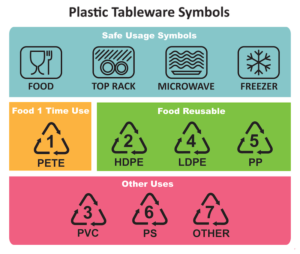
Most plastic kitchenware includes symbols to help you identify if they are dishwasher safe.
Look for a dishwasher-safe icon, which usually looks like a plate or glass with water droplets or waves.
Recycling codes also offer clues:
| Recycling Code | Plastic Type | Dishwasher Safety |
|---|---|---|
| 1 (PETE) | Polyethylene Terephthalate | Generally not dishwasher safe |
| 2 (HDPE) | High-Density Polyethylene | Usually safe on top rack |
| 4 (LDPE) | Low-Density Polyethylene | Not recommended for dishwasher |
| 5 (PP) | Polypropylene | Typically dishwasher safe |
| 6 (PS) | Polystyrene | Not dishwasher safe |
Checking these markings before loading plastics into your dishwasher can save you money and hassle. Next time you’re about to toss a plastic container in the dishwasher, take a quick look at these symbols. It might make all the difference.

Credit: www.reddit.com
Risks Of Washing Plastic In Dishwashers
Washing plastic items in dishwashers carries certain risks. These risks can affect both the plastic items and the dishwasher itself. Understanding these dangers helps protect your kitchenware and appliance.
Warping And Melting Issues
Plastic is sensitive to high heat. The dishwasher’s hot water and drying cycles can cause plastic to warp or melt. Thin or low-quality plastics face the highest risk. Warped plastic loses its shape and may no longer fit or function properly. Melting can create a sticky mess and ruin the item.
Chemical Leaching Concerns
Some plastics release harmful chemicals when heated. These chemicals can mix with your dishes and food. Prolonged exposure to heat increases this risk. This can be a health concern, especially for food containers and baby bottles. Choosing plastics labeled dishwasher safe can reduce this problem.
Damage To Dishwasher Components
Melted plastic can stick to dishwasher parts. This can clog filters and spray arms. It may also damage the heating element. Cleaning melted plastic from inside the dishwasher is difficult. Such damage can reduce the dishwasher’s efficiency and lifespan.
Safe Dishwasher Practices For Plastic Items
Washing plastic items in the dishwasher can be tricky if you want to keep them in good shape. Plastics vary widely, and not all withstand dishwasher heat or detergents well. Understanding how to handle these items properly helps avoid warping, fading, or chemical leaching.
Placement Tips Inside The Dishwasher
Where you place plastic items in your dishwasher makes a big difference. Put plastics on the top rack only. The top rack is farther from the heating element, so it’s less likely to expose your items to intense heat.
Make sure plastic cups and containers face downward or sideways to let water drain easily. Avoid crowding; overcrowded items can block water flow and cause uneven cleaning. Have you noticed your plastic lids getting misshapen after a wash? That’s often from placing them too close to the heating element or wedged in tight spots.
Choosing The Right Cycle And Temperature
Heat can damage plastic, so choosing a gentle cycle with lower temperatures is best. Select a “plastic” or “light wash” setting if your machine has one. These use cooler water and gentler sprays that protect delicate plastics.
High heat cycles may seem thorough but risk melting or warping your items. If your dishwasher doesn’t have a plastic setting, opt for a quick or eco cycle instead. Could lowering temperature and cycle time extend the life of your favorite plastic containers? It’s worth trying.
Using Mild Detergents
Strong detergents can degrade plastic surfaces, causing dullness or cracks over time. Use mild, phosphate-free detergents formulated for delicate dishware. These are less likely to harm plastics or leave residues.
Consider detergents labeled “safe for plastics” or those designed for baby bottles and toys. Avoid using too much detergent, as excess soap can build up and affect plastic’s appearance. Have you ever noticed a filmy layer on your plastic after washing? That often comes from detergent overuse or harsh chemicals.
Alternatives To Dishwasher Cleaning
Plastic items are often not safe for dishwashers because heat and detergent can cause damage. Choosing other cleaning methods helps keep plastics in good shape longer. These alternatives ensure thorough cleaning without the risks of the dishwasher.
Hand Washing Techniques
Hand washing plastic items gently cleans without high heat. Use warm water and mild soap for best results. Scrub with a soft sponge to avoid scratches. Focus on corners and crevices where dirt hides. Rinse well to remove all soap residue. Dry with a clean towel or air dry to prevent water spots.
Using Cleaning Solutions For Plastics
Special cleaning solutions can remove stains and odors from plastic. Mix a small amount of baking soda with water to create a paste. Apply the paste to stained areas and let sit for a few minutes. Rinse thoroughly to remove the paste. Vinegar diluted with water also works well to disinfect and deodorize. Avoid harsh chemicals that may damage the plastic surface.
Maintaining Plastic Durability
Maintaining the durability of your plastic items goes beyond just knowing if they are dishwasher safe. How you store and handle these items plays a significant role in extending their life. Small habits can make a big difference in keeping your plastics looking new and functioning well over time.
Proper Storage And Handling
Storing plastic items properly can prevent warping and cracking. Keep them away from direct sunlight and extreme temperatures, which can weaken the material.
Stack plastic containers carefully to avoid pressure points that might cause dents or breaks. Avoid overfilling shelves or drawers where these items are kept.
Handling plastics gently, especially when wet or hot, reduces the risk of accidental damage. Have you noticed how a quick drop can sometimes ruin a favorite plastic bowl? Treating them with care helps avoid those moments.
Avoiding Stains And Odors
Plastic tends to absorb colors and smells from certain foods, which can be frustrating. To combat this, rinse plastic containers immediately after use instead of letting food residue sit.
Use baking soda or a mixture of vinegar and water to remove stubborn odors. Simply soak the plastic item for a few hours, then wash as usual.
Consider lining containers with parchment paper when storing strongly colored or scented foods. This simple trick can protect the plastic and keep it looking fresh longer.

Credit: www.amazon.ca

Credit: teckwrapcraft.com
Frequently Asked Questions
Is All Plastic Dishwasher Safe?
Not all plastic is dishwasher safe. Check the product label for dishwasher-safe symbols. Some plastics can warp or melt in high heat.
How To Identify Dishwasher-safe Plastics?
Look for a dishwasher-safe symbol, usually a plate or glass with water droplets. Also, check for recycling codes 1, 2, 4, and 5, which are often dishwasher safe.
Can Dishwasher Damage Plastic Containers?
Yes, high heat and strong detergents can warp or discolor some plastics. Avoid putting non-dishwasher-safe plastic in the dishwasher to prevent damage.
What Temperature Is Safe For Plastic In Dishwashers?
Plastic rated dishwasher safe can usually handle temperatures up to 140°F (60°C). Avoid placing plastics on the bottom rack near heating elements to prevent melting.
Conclusion
Plastic can be dishwasher safe, but it depends on the type. Check the label or manufacturer’s instructions before washing. Some plastics may melt or warp in high heat. Use the top rack to keep plastic items safe. Avoid strong detergents that can damage plastic surfaces.
Taking these steps helps your plastic last longer and stay clean. Always stay cautious to protect your dishes and dishwasher. Simple care makes a big difference for plastic items. Keep your kitchen safe and your plastic looking good.