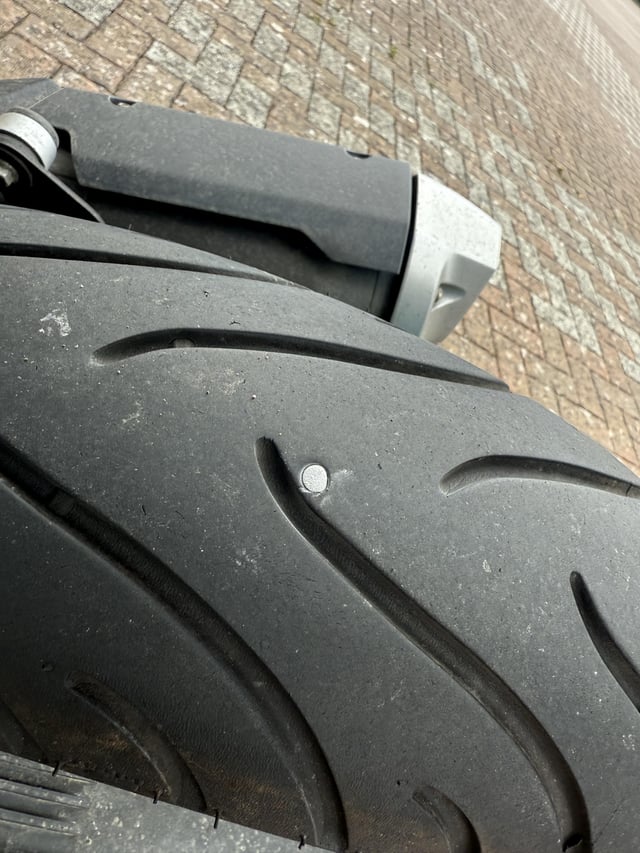
Have you ever faced a sudden flat tire while riding your motorcycle and wondered if plugging it is a safe fix? You’re not alone.
When your tire gets punctured, the quick solution might seem like plugging it yourself or at a repair shop. But is this really safe for you and your bike? Understanding the risks and benefits can save you from unexpected dangers on the road.
Keep reading to find out everything you need to know about motorcycle tire plugs and how to keep your rides safe.

Credit: www.reddit.com
Risks Of Plugging Motorcycle Tires
Plugging a motorcycle tire is a common quick fix for small punctures. It might seem safe at first. But this method can cause serious risks to your tire and riding safety.
Understanding these risks helps you decide if plugging is the right choice. Below, we explore the possible damage and safety concerns.
Potential Damage To Tire Structure
Plugging a tire can harm its internal structure. The plug may not seal the hole completely. This leaves the tire weak at the puncture point.
- Plug can tear or stretch the tire layers inside.
- Repeated plugs weaken the tire’s strength.
- Damage may lead to sudden tire failure.
- Cannot fix sidewall or large punctures safely.
Impact On Tire Performance
Tire plugs change how the tire performs on the road. They may cause uneven pressure inside the tire. This affects grip and balance while riding.
| Performance Aspect | Effect of Plugging |
| Traction | Reduced due to uneven pressure |
| Handling | Less stable in corners |
| Air Retention | Possible slow leaks |
| Ride Comfort | Vibrations from uneven tire surface |
Safety Concerns On High Speeds
High speeds increase risks of tire failure after plugging. The plug may come loose or the tire may rupture. This can cause loss of control and accidents.
- Plugged tires may overheat at high speeds.
- Risk of sudden air loss increases with speed.
- Handling issues become more dangerous on highways.
- Manufacturers often warn against plugging for fast riding.
Credit: www.gl1800riders.com
When Plugging Is Acceptable
Plugging a motorcycle tire can be a quick fix for some punctures. It is not always safe or recommended. Knowing when it is okay helps keep you safe on the road.
This guide explains the types of punctures that can be plugged, the condition of the tire needed, and the difference between temporary and long-term fixes.
Suitable Puncture Types
Not all punctures can be safely plugged. Small holes caused by nails or screws are usually okay to plug. Large cuts or sidewall damage are not safe for plugging.
- Small punctures in the tread area
- Holes less than 6 mm (about 1/4 inch)
- Punctures caused by sharp objects
- Not suitable for sidewall or shoulder damage
Tire Condition Requirements
The tire must be in good shape before plugging. Old, worn, or damaged tires should not be repaired with plugs. The tire must have enough tread and no other defects.
| Tire Condition | Plugging Allowed? |
| Good tread depth | Yes |
| Minor tread damage | Yes, if small puncture |
| Worn tread or cracks | No |
| Sidewall damage | No |
| Multiple punctures close together | No |
Temporary Vs Long-term Solutions
Plugging is often a temporary fix. It can get you home or to a repair shop. For a safe long-term fix, a professional patch or tire replacement is better.
- Temporary plugs stop air loss quickly
- Do not rely on plugs for long rides
- Professional repair uses patches from inside
- Replace the tire if damage is severe
Proper Plugging Techniques
Plugging a motorcycle tire can be a quick way to fix small punctures. It is important to follow proper techniques to ensure safety and tire durability. Using the right tools and steps can help you do the job correctly.
Below, you will find the necessary tools, a clear process, and common mistakes to avoid when plugging a motorcycle tire.
Tools Needed For Plugging
- Tire plug kit (with plugs and insertion tool)
- Reamer tool to clean and widen the hole
- Rubber cement or vulcanizing glue
- Pliers to remove any object inside the tire
- Air compressor or pump to refill the tire
- Utility knife to trim excess plug material
Step-by-step Plugging Process
- Locate the puncture by inflating the tire and listening for air or using soapy water to find bubbles.
- Remove the object causing the puncture with pliers.
- Use the reamer tool to clean and widen the hole for better plug adhesion.
- Apply rubber cement or vulcanizing glue to the plug and insertion tool.
- Push the plug into the hole using the insertion tool until only a small amount remains outside.
- Pull the insertion tool out, leaving the plug in place to seal the hole.
- Trim the excess plug material flush with the tire surface using a utility knife.
- Inflate the tire to the recommended pressure and check for leaks.
Common Mistakes To Avoid
| Mistake | Why to Avoid | How to Fix |
|---|---|---|
| Plugging large or sidewall punctures | Sidewall plugs rarely hold and can cause blowouts | Replace the tire if the damage is on the sidewall or is too big |
| Not cleaning or reaming the hole | Poor adhesion leads to plug failure | Always use the reamer tool to prepare the hole |
| Using plugs without glue | Plugs may not seal properly and leak air | Apply rubber cement or vulcanizing glue for better sealing |
| Failing to check for leaks after repair | Leaking tires can cause accidents | Inflate and inspect the tire carefully for air loss |
Alternatives To Plugging
Plugging a motorcycle tire is a quick fix but not always the safest. There are other ways to repair or replace a tire. These methods can offer better safety and longer tire life.
This guide covers three alternatives to plugging: using patch kits, tire replacement options, and professional repair services.
Using Patch Kits
Patch kits seal punctures from the inside of the tire. They work well for small holes and provide a strong, lasting repair.
- Remove the tire from the rim
- Locate and clean the puncture area
- Apply the patch with adhesive
- Allow time to dry before remounting
Tire Replacement Options
Sometimes a tire cannot be safely repaired. In these cases, replacing the tire is the best choice.
| Type | When to Use | Cost |
| New Tire | Severe damage or old tire | Higher |
| Used Tire | Short-term or budget option | Lower |
| Retreaded Tire | Limited use, not common for motorcycles | Medium |
Professional Repair Services
Experts can assess tire damage and suggest the safest repair. They use special tools and techniques that are hard to do at home.
Benefits of professional service:
- Accurate damage assessment
- Safe and reliable repairs
- Warranty on work done
- Proper tire balancing and installation
Safety Tips After Repair
Repairing a motorcycle tire with a plug can save time and money. Still, it is important to follow safety tips after the repair. Proper care helps keep you safe on the road.
After fixing a tire, you must monitor it closely and take precautions. This guide covers key steps to keep your motorcycle tire safe post-repair.
Monitoring Tire Pressure
Check your tire pressure daily after repair. A plugged tire can lose air if not sealed well. Use a reliable gauge to measure pressure when the tire is cold.
- Check pressure before every ride
- Keep pressure within the manufacturer’s recommended range
- Look for sudden drops in pressure
- Refill air as needed to maintain safe levels
Regular Inspections
Inspect the repaired tire often. Look closely at the plug area and the whole tire surface. Early signs of problems can include cracks, bulges, or loose plugs.
| Inspection Point | What to Look For |
| Plug Area | Loose or worn plug, air bubbles |
| Tire Surface | Cracks, cuts, or worn tread |
| Sidewalls | Bulges or soft spots |
| Valve Stem | Leaks or damage |
Riding Precautions Post-repair
After repairing your tire, ride carefully. Avoid high speeds and rough roads for some time. This helps the plug settle and reduces risk of sudden failure.
- Ride slowly for the first 50 miles
- Avoid sharp turns or hard braking
- Stay off wet or slippery surfaces
- Listen for strange sounds or vibrations
- Stop and check the tire if you feel unstable

Credit: www.reddit.com
Frequently Asked Questions
Is Plugging A Motorcycle Tire A Safe Repair?
Plugging a motorcycle tire can be safe if done correctly on the tread area. Avoid plugs on sidewalls as they are unsafe. Always inspect the tire after plugging and consider a professional repair for reliability and safety.
How Long Does A Tire Plug Last On Motorcycles?
A properly installed tire plug can last the tire’s lifespan. However, it depends on road conditions and riding habits. Regularly check the plug area for leaks or damage to ensure ongoing safety.
Can I Ride Immediately After Plugging A Motorcycle Tire?
Yes, you can usually ride shortly after plugging a tire. Ensure the plug is secure and the tire holds air. Avoid high speeds initially and monitor tire pressure frequently for safety.
When Should I Replace A Plugged Motorcycle Tire?
Replace a plugged tire if the damage is extensive or near the sidewall. Also, replace if the plug leaks or if the tire shows other wear signs. Safety is paramount; err on the side of caution.
Conclusion
Plugging a motorcycle tire can be a safe option. Always ensure proper technique and tools. This method offers a quick fix for small punctures. Regular inspection is crucial for ongoing safety. Tire plugs are temporary solutions, not permanent ones. Replace the tire for long-term peace of mind.
Consult a professional if unsure about the process. Safety should always be your top priority. Proper care extends your tire’s life. Keep your rides safe and enjoyable.