Ever found yourself wondering if you can toss that polypropylene container into your dishwasher without a second thought? You’re not alone.
With so many different types of plastics in our everyday lives, it can be tricky to know which ones are safe for the dishwasher and which ones aren’t. But don’t worry; you’re about to uncover the truth about polypropylene and its dishwasher compatibility.
Imagine the ease of not having to hand wash every single piece of plastic! Stay with me, and by the end of this article, you’ll feel confident in your kitchen decisions, saving you time and ensuring your items last longer. Let’s dive in and demystify this common kitchen query.
Polypropylene Basics
Understanding the basics of polypropylene can help you decide if it’s the right material for your kitchenware. This plastic is everywhere, but knowing what makes it unique will guide you in caring for your items properly. Let’s dive into what polypropylene really is and why it’s so popular.
Material Properties
Polypropylene is a type of plastic known for its toughness and flexibility. It can handle heat up to about 160°C (320°F), which means it won’t easily melt or warp during everyday use. Its resistance to chemicals and moisture makes it a reliable choice for containers and utensils.
One interesting thing I noticed with polypropylene is how lightweight it feels, yet it’s surprisingly durable. It doesn’t absorb water, so your dishes dry quickly without any soggy spots. Have you ever wondered why some plastic containers don’t hold odors or stains? Polypropylene’s smooth surface helps with that.
Common Uses
You’ll find polypropylene in many kitchen items, from food storage containers to reusable water bottles. Its heat resistance allows it to go in the microwave and sometimes the dishwasher, but this depends on the item’s design. It’s also used in packaging, automotive parts, and even textiles.
When I switched to polypropylene containers for meal prep, I appreciated how they didn’t crack or discolor after multiple washes. But not all polypropylene products are created equal—some are dishwasher safe, while others aren’t. This makes you think: how do you tell which ones will last in your dishwasher?
Dishwasher Safety Factors
Understanding dishwasher safety factors helps protect your polypropylene items. The dishwasher uses heat, water, and detergents that may affect plastics differently. Knowing how polypropylene reacts to these elements ensures your items stay safe and last longer.
Heat Resistance
Polypropylene can handle moderate heat. Most dishwashers reach temperatures between 120°F and 160°F. Polypropylene usually withstands these without warping. However, very high heat or prolonged exposure might soften or deform the plastic.
Check the item’s temperature rating before washing. Avoid placing polypropylene near the heating element. Use lower heat settings if available to protect your items.
Chemical Exposure
Dishwasher detergents contain strong chemicals. These can break down some plastics over time. Polypropylene resists many chemicals but may weaken with harsh detergents.
Choose mild detergents to reduce damage. Avoid bleach or abrasive cleaners on polypropylene. Rinse items well to remove detergent residues after washing.
Durability Considerations
Repeated dishwasher cycles can affect polypropylene durability. The plastic may become brittle or dull after many washes. This depends on the quality and thickness of the item.
Hand washing extends polypropylene life. Inspect items regularly for cracks or warping. Replace damaged polypropylene to avoid leaks or contamination.
Polypropylene And Heat
Understanding how polypropylene reacts to heat is key when deciding if it’s safe to put in your dishwasher. This plastic is popular for its durability and versatility, but heat exposure can affect its shape and safety. Let’s dig into what happens to polypropylene under heat and how dishwasher temperatures play a role.
Melting Point
Polypropylene has a melting point around 160 to 170°C (320 to 338°F). This means it can handle quite a bit of heat before it starts to melt or deform. However, melting point isn’t the only factor that matters; softening can occur at lower temperatures, causing warping or loss of shape.
Have you noticed your plastic containers warping after a few washes? That’s because the heat from the dishwasher can reach levels close to polypropylene’s softening point, which is often between 100 and 130°C (212 to 266°F).
Effect Of Dishwasher Temperatures
Most dishwashers operate between 45°C to 75°C (113°F to 167°F)during wash cycles, but the drying cycle can get hotter, sometimes reaching 80°C (176°F) or more. Polypropylene usually withstands these temperatures without melting, but repeated exposure can cause gradual damage.
- Repeated heat cycles may cause brittleness or slight warping over time.
- High heat drying cycles can speed up wear and tear.
- Dishwasher detergents combined with heat can also affect polypropylene’s integrity.
If you care about your plastic items lasting longer, consider using a lower heat setting or avoiding the drying cycle altogether. Do you really want your favorite container to lose its shape after just a few washes?
Credit: www.temu.com
Cleaning Polypropylene Items
Polypropylene is a common plastic in many household items. Cleaning these items correctly keeps them in good shape. Proper cleaning prevents damage and maintains their look. Some polypropylene items handle dishwashers well, but others need care. Understanding how to clean polypropylene helps extend its life.
Recommended Dishwasher Settings
Use low heat or gentle cycle settings in the dishwasher. High heat can warp or melt polypropylene items. Place items on the top rack to avoid direct heat exposure. Avoid strong detergents that may cause fading or damage. Check item labels to confirm dishwasher safety before washing.
Hand Washing Tips
Use warm water and mild soap for hand washing. Avoid abrasive scrubbers that can scratch the surface. A soft sponge or cloth works best for cleaning. Rinse thoroughly to remove all soap residue. Dry items with a soft towel to prevent water spots.
Signs Of Damage
Polypropylene is a common plastic used in kitchenware. It can handle dishwasher heat, but damage may still occur. Signs of damage help identify if your polypropylene items need replacement.
Check your items regularly for changes in shape, color, or texture. These changes often mean the plastic is weakening. Early detection prevents further problems.
Warping
Warping happens when heat distorts the shape of polypropylene. The item may look bent or twisted. Warping affects how well the item fits or functions.
Warping often occurs from high dishwasher temperatures or long washing cycles. Avoid placing polypropylene near heating elements. Warped items should not be used for food storage.
Discoloration
Discoloration shows as fading or dark spots on the plastic. It can be yellowing or dullness after many washes. Discoloration signals plastic degradation from heat or detergent.
Discolored polypropylene might lose its strength. It also may absorb odors or stains more easily. Replace items that look heavily discolored to stay safe.
Cracking
Cracking appears as small lines or breaks on the surface. It often starts at stress points or edges. Cracks make the plastic brittle and unsafe for use.
Cracks let bacteria hide and can cause leaks. Avoid using cracked polypropylene for food or drink. Check items carefully after each dishwasher cycle.

Credit: www.amazon.ca
Tips For Prolonging Polypropylene Lifespan
Extending the lifespan of your polypropylene items can save you money and reduce waste. Simple daily habits can make a big difference in how long these plastics stay durable and functional. Let’s look at some practical tips to keep your polypropylene products in great shape.
Avoiding High Heat
Polypropylene can handle heat, but extreme temperatures cause it to warp or weaken over time. Avoid placing polypropylene containers on the top rack of the dishwasher if your machine uses very hot water. Instead, opt for a gentle or low-heat cycle to protect the material.
Have you noticed your plastic containers losing their shape after a few washes? That’s usually the heat breaking down the plastic. Keeping your dishwasher settings cooler helps maintain the original form and strength of polypropylene.
Using Gentle Detergents
Harsh detergents can erode polypropylene’s surface, making it look worn and feel rough. Choose mild, fragrance-free dish soaps that clean effectively without aggressive chemicals. These gentle detergents prevent your items from becoming brittle or discolored.
Try swapping your usual detergent for a gentler option and observe the difference. Your polypropylene dishes and containers will stay clearer and last longer with less surface damage.
Proper Storage
Storing polypropylene items correctly keeps them safe from damage and extends their usability. Avoid stacking heavy objects on top, which can cause cracks or dents. Instead, store them in a dry, cool place away from direct sunlight to prevent fading and brittleness.
Think about how you arrange your kitchen cupboards or pantry. Does your polypropylene storage have enough space to avoid pressure or bending? Giving your items room to breathe helps them maintain their shape and function for years.
Alternatives To Polypropylene
Choosing alternatives to polypropylene can enhance your dishwashing experience. Some materials offer better durability and safety under high heat. Exploring other dishwasher-safe options helps protect your kitchenware and health.
Other Dishwasher Safe Plastics
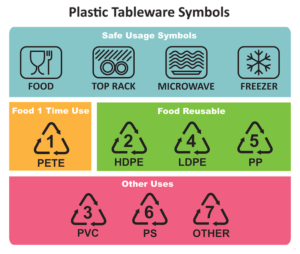
Several plastics handle dishwasher cycles well. Look for plastics labeled with recycling codes 1, 2, 4, or 5. These include:
- Polyethylene terephthalate (PET or PETE)
- High-density polyethylene (HDPE)
- Low-density polyethylene (LDPE)
- Polypropylene (PP) with high heat resistance
These plastics resist warping and cracking during washing. Always check the product label to confirm dishwasher safety.
Glass And Metal Options
Glass and metal provide durable dishwasher-safe alternatives. Glassware resists stains and odors easily. Metals like stainless steel offer long-lasting strength.
- Tempered glass is less likely to shatter in the dishwasher.
- Stainless steel does not rust or degrade with washing.
- Both materials withstand high temperatures effectively.
Choosing glass or metal reduces plastic use and adds a sleek look to your kitchen.

Credit: www.amazon.ca
Frequently Asked Questions
Is Polypropylene Safe To Clean In A Dishwasher?
Yes, polypropylene is generally dishwasher safe. It can withstand typical dishwasher temperatures without warping or melting, making it convenient for everyday cleaning.
Can Dishwasher Heat Damage Polypropylene Items?
Dishwasher heat rarely damages polypropylene. This plastic has a high melting point, so normal dishwasher cycles usually won’t cause damage or deformation.
How To Identify Dishwasher-safe Polypropylene Products?
Look for a dishwasher-safe symbol or check product labels. Manufacturers often mark polypropylene items as dishwasher safe for consumer convenience.
Does Dishwasher Detergent Affect Polypropylene Durability?
Most dishwasher detergents do not harm polypropylene. However, harsh or abrasive detergents may cause surface wear over time, so mild detergents are recommended.
Conclusion
Polypropylene can usually go in the dishwasher safely. It holds up well under normal dishwasher heat. Still, check the item’s label for dishwasher instructions. Avoid very high heat settings to keep it strong. Over time, some wear may happen, but it lasts long.
Hand washing is a good choice for delicate pieces. Keep your kitchen items clean and safe with these tips. Polypropylene works well for everyday use and easy cleaning. Simple care helps your dishes stay in great shape.