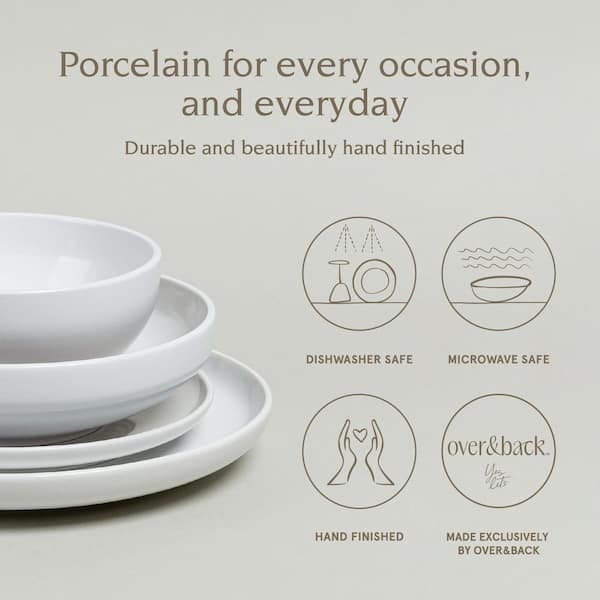
Are you wondering if your beautiful porcelain dishes can withstand the dishwasher’s powerful jets? You’re not alone.
Many people are unsure about how to properly care for their delicate dinnerware without sacrificing convenience. Imagine the horror of opening your dishwasher to find your cherished porcelain pieces cracked or faded. It’s a nightmare you’d rather avoid, right? Understanding whether porcelain is dishwasher safe can save you time, money, and heartache.
This article will unravel the mystery and provide you with straightforward answers. Stick around, and by the end, you’ll feel confident in making the right choice for your porcelain treasures.
Credit: www.amazon.com
Porcelain And Dishwashers
Porcelain dishes have a classic look and feel that many people love. These items often come in beautiful designs. People wonder if porcelain is safe to clean in dishwashers. Knowing how porcelain reacts to dishwashers helps keep your dishes in good shape.
What Makes Porcelain Unique
Porcelain is a type of ceramic made from fine clay. It is fired at very high temperatures. This process makes porcelain hard and strong. Porcelain is also non-porous, so it does not absorb water. Its smooth surface makes it ideal for dishes and cups. Porcelain often has a shiny, glass-like finish called glaze. This glaze protects the surface and adds beauty.
Common Dishwasher Concerns
Dishwashers use hot water and strong detergents to clean. These conditions may affect porcelain in some cases. The high heat can cause crazing, which looks like tiny cracks on the surface. Detergents may dull the glaze over time. Some porcelain pieces have gold or silver decorations. These metallic parts can fade or peel in the dishwasher.
To keep porcelain safe:
- Place items carefully to avoid bumps.
- Use a gentle or porcelain cycle if available.
- Avoid very high temperatures.
- Hand wash decorated or old porcelain.

Credit: www.amazon.ca
Safe Porcelain Types
Not all porcelain is created equal when it comes to dishwasher safety. Some types can handle the heat and water pressure, while others may chip or fade. Knowing which porcelain varieties are safe helps protect your favorite dishes and saves you from costly replacements.
Durable Porcelain Varieties
Some porcelain types are made to last and can withstand dishwasher cycles without damage. Bone china, for example, is a popular durable option known for its strength and translucency. It usually resists chipping and cracking, making it a smart choice for everyday use.
Another strong option is vitrified porcelain. This type is fired at very high temperatures, creating a hard, non-porous surface. It is less likely to absorb water or stains, which means it holds up well in a dishwasher.
Have you noticed how some plates feel heavier or thicker? That weight often means the porcelain is more robust and likely dishwasher safe. Paying attention to these qualities can guide you in selecting safe porcelain for your kitchen.
Identifying Dishwasher-safe Marks
Always check for dishwasher-safe symbols on your porcelain items. These marks are usually found on the bottom of plates, bowls, or cups. A simple icon of a dishwasher or water droplets often indicates safe use in dishwashers.
If there is no mark, consider the brand and product details. Many manufacturers list dishwasher safety on their packaging or websites. This small step can save you from damaging valuable pieces.
When in doubt, test with care. You might wash a single item on a gentle cycle to see how it fares. This cautious approach helps you avoid surprises and keeps your porcelain looking great longer.
Risks Of Dishwasher Use
Using a dishwasher for porcelain items carries certain risks. Porcelain is delicate and can suffer damage from rough handling inside the machine. The high heat and strong detergents used in dishwashers may affect the surface and structure of porcelain. Understanding these risks helps protect your fine dishes and keeps them looking new longer.
Potential Damage To Porcelain
Porcelain can chip or crack during a dishwasher cycle. Items may knock against each other or the dishwasher walls. Small impacts cause visible damage on fragile edges. Fine porcelain with hand-painted details is especially vulnerable. Repeated dishwasher use may wear down the glaze, making items look dull.
Effects Of Heat And Detergents
Dishwasher heat can cause porcelain to expand and contract quickly. This thermal shock leads to cracks or crazing on the surface. Strong detergents strip away protective layers and fade painted designs. Some detergents contain harsh chemicals that react with porcelain materials. Over time, these effects reduce the beauty and strength of porcelain dishes.
Tips For Dishwasher Cleaning
Cleaning porcelain in your dishwasher needs a little care to keep it looking its best. You want to avoid chips, cracks, or dull finishes that can happen with improper washing. Here are some practical tips that can make your dishwasher cleaning more effective and safe for your porcelain items.
Loading Porcelain Properly
Place porcelain pieces securely in the dishwasher to prevent movement during the cycle. Avoid stacking or overcrowding; give each item enough space to avoid contact with other dishes.
Use the top rack for delicate porcelain items since the bottom rack faces more intense water pressure. Make sure handles or edges don’t touch other dishes to prevent scratches or chips.
Have you noticed how a small shift can cause a crack? Securing your porcelain well can save you from costly replacements.
Choosing The Right Cycle And Detergent
Select a gentle or porcelain-specific cycle if your dishwasher has one. High-temperature or heavy-duty cycles can be too harsh and cause damage over time.
Use mild, phosphate-free detergents designed for delicate dishes. Strong detergents with harsh chemicals can erode the glaze or cause discoloration.
Think about the last time you used a powerful detergent on your fine china—did it leave any marks? Switching to a gentle detergent often solves that problem instantly.
Handwashing Porcelain
Handwashing porcelain is often the safest way to protect its delicate finish and intricate designs. Although many porcelain items claim to be dishwasher safe, frequent exposure to harsh detergents and high temperatures can dull their shine or cause tiny cracks. Taking the time to handwash your porcelain ensures it stays vibrant and intact for years.
Best Practices For Gentle Cleaning
Start by rinsing your porcelain piece with warm water to remove loose dirt. Avoid soaking it for long periods, as this can weaken the glaze. Use a soft cloth or sponge to gently clean the surface without scrubbing too hard.
Be careful around painted or gilded areas; these can wear off if treated roughly. Dry your porcelain immediately with a soft towel to prevent water spots and keep the surface smooth. Have you noticed how small habits like quick drying can make a big difference in keeping your porcelain looking new?
Tools And Products To Use
Choose mild dish soap free from abrasives and harsh chemicals. A non-scratch sponge or a microfiber cloth works best to avoid scratches. Avoid steel wool or rough brushes that can damage the finish.
For stubborn stains, try a paste made from baking soda and water applied gently with a soft cloth. Never use bleach or strong solvents, as they can eat away the glaze. What cleaning product has surprised you by being both gentle and effective on your porcelain?
Maintaining Porcelain Shine
Maintaining the shine of porcelain requires gentle care and smart habits. Porcelain’s smooth surface can lose its glow without proper attention. Protecting its brightness makes your dishes look new longer. Small daily actions help keep the porcelain radiant and attractive.
Avoiding Stains And Discoloration
Porcelain can stain easily from strong colors and acids. Avoid letting coffee, wine, or tomato sauce sit on it too long. Rinse or wash items soon after use. Do not use harsh chemicals or abrasive cleaners. These can dull or scratch the surface. Use mild soap and soft cloths for cleaning. Avoid metal scrubbers or rough pads.
Regular Care Routines
Clean porcelain gently after every use. Use warm water and a soft sponge for washing. Dry with a soft towel to prevent water spots. Store porcelain items carefully to avoid chips or cracks. Avoid stacking heavy objects on top. Occasional polishing with a porcelain-safe cleaner restores the shine. Regular care keeps your porcelain dishes looking their best.

Credit: gdrollin.en.made-in-china.com
Frequently Asked Questions
Is Porcelain Safe To Use In The Dishwasher?
Yes, most porcelain items are dishwasher safe. However, hand-painted or antique pieces may require gentle hand washing to avoid damage.
Can Dishwasher Damage Porcelain Dishes?
Dishwashers can cause chipping or fading on delicate porcelain. Use a gentle cycle and avoid high heat to protect your dishes.
How To Wash Porcelain In A Dishwasher Safely?
Place porcelain items securely, use mild detergent, and choose a gentle cycle with low heat to maintain their finish and durability.
Are All Porcelain Types Dishwasher Safe?
Not all porcelain is dishwasher safe. Check manufacturer guidelines, especially for hand-painted or vintage porcelain, to prevent damage during cleaning.
Conclusion
Porcelain can be safe in the dishwasher with care. Use gentle settings and avoid high heat. Hand washing works best for delicate pieces. Watch for cracks or fading after washing. Taking simple steps keeps porcelain looking new. Enjoy your dishes without worry or damage.
Choose the right method for each item. Clean porcelain stays beautiful for years to come.