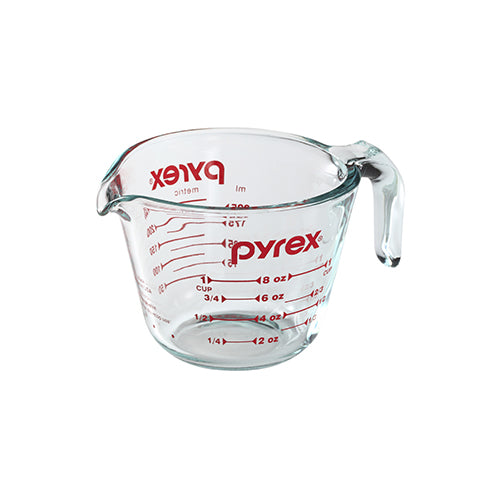
Are you wondering if your Pyrex measuring cup is safe to use in the microwave? You’re not alone.
Many people rely on Pyrex for accurate measurements and durable glassware, but when it comes to heating food or liquids, safety is a top concern. Using the wrong container in the microwave can lead to accidents or damage. You’ll discover the truth about Pyrex measuring cups and microwave safety.
Keep reading to learn how to protect your kitchen and get the best use out of your Pyrex.

Credit: www.amazon.com
Pyrex Material Basics
Pyrex is a brand of glassware used in kitchens. It is known for its durability and heat resistance.
People often ask if Pyrex measuring cups are safe to use in microwaves. Knowing the material helps answer this question.
Types Of Pyrex Glass
Pyrex glass comes in two main types: borosilicate and soda-lime glass. Each type has different features.
Borosilicate glass is strong against heat changes. Soda-lime glass is less resistant but cheaper to make.
- Borosilicate glass: used in older Pyrex products
- Soda-lime glass: used in newer Pyrex products
- Borosilicate handles rapid temperature changes better
- Soda-lime glass is common in everyday kitchenware
Heat Resistance Properties
Pyrex glass can handle high heat without breaking. It withstands heat from ovens and microwaves.
Borosilicate glass resists heat shocks better than soda-lime glass. This means it can go from cold to hot quickly.
- Pyrex is safe for microwave use if not damaged
- Do not use Pyrex with sudden extreme temperature changes
- Always check for cracks before microwaving
- Follow manufacturer instructions for best use
Microwave Safety Features
Microwaves heat food using electromagnetic waves. These waves cause water molecules in food to move and create heat.
Not all containers are safe for microwaves. Some materials can break, melt, or release harmful chemicals.
How Microwaves Affect Glass
Glass is usually safe in the microwave, but it depends on the type. Some glass can crack or shatter from heat changes.
Rapid heating or cooling causes stress in glass. This can lead to breakage if the glass is not made for microwave use.
- Glass with cracks or chips may break easily
- Thick glass handles heat better
- Not all glass types resist thermal shock
Pyrex And Microwave Compatibility
Pyrex is made from tempered glass. It is designed to handle heat changes better than regular glass.
Most Pyrex measuring cups are safe to use in the microwave. They can handle heat without breaking or melting.
- Pyrex can withstand quick temperature changes
- It does not release harmful chemicals
- Always check for any cracks before microwaving
- Follow the manufacturer’s instructions for safety
Common Misconceptions
Many people wonder if Pyrex measuring cups are safe to use in microwaves. There are several ideas about whether Pyrex can break or cause problems when microwaved.
Understanding the truth helps you use Pyrex safely and avoid unnecessary worry.
Myths About Pyrex Breaking
Some believe Pyrex breaks easily in the microwave. This is not always true. Pyrex is made from special glass that handles heat well.
Breaking usually happens if the glass faces sudden temperature changes or has pre-existing cracks. Microwaving alone does not cause Pyrex to break.
- Pyrex does not shatter from microwave heat alone
- Sudden cold to hot changes may cause breakage
- Damaged or old Pyrex is more likely to crack
- Using metal lids or foil causes sparks and damage
Safe Usage Tips
To keep your Pyrex measuring cup safe in the microwave, follow simple steps. Avoid rapid temperature changes and check for damage before use.
Use microwave-safe lids or covers and never use metal parts. Stir liquids during heating to avoid hot spots.
- Inspect Pyrex for cracks or chips before microwaving
- Do not pour cold liquids into hot Pyrex suddenly
- Use microwave-safe covers to prevent splatters
- Avoid metal lids or foil in the microwave
- Stir liquids halfway through heating to spread heat
User Experiences
Many people want to know if Pyrex measuring cups are safe to use in the microwave. Users have tested this product in different ways. Their experiences help others decide how to use Pyrex safely.
This section shares real-life microwave tests and customer reviews. It shows how Pyrex measuring cups perform in microwaves.
Real-life Microwave Tests
Some users heated water and sauces in Pyrex measuring cups inside microwaves. They watched for cracks, heat spots, or melting. Most Pyrex cups stayed strong and safe.
A few tests showed the glass gets very hot. Users recommend using oven mitts to avoid burns. Some found lids or plastic parts are not microwave safe.
- Pyrex glass did not crack or break under normal heating.
- The measuring cup got hot but stayed intact.
- Plastic lids melted or warped in some tests.
- Users advised removing lids before microwaving.
Customer Reviews Summary
Customers mostly say Pyrex measuring cups work well in microwaves. They like that the glass is strong and clear. Many say the cups handle heat without damage.
Some users warn to be careful with plastic parts. They suggest removing lids and handles before heating. Overall, users trust Pyrex for microwave use but follow safety tips.
- Strong glass resists microwave heat.
- Plastic lids often not microwave safe.
- Handle cups carefully as glass gets hot.
- Many use Pyrex safely for heating liquids and food.
Alternatives To Pyrex Measuring Cups
Pyrex measuring cups are popular for cooking and baking. Some people wonder if they are safe for microwave use. If you want other options, there are many microwave-safe materials to choose from.
This guide explains safe materials for microwaves and tips for measuring ingredients in microwaves.
Microwave-safe Materials
Choose materials that do not melt, crack, or release harmful chemicals in microwaves. Here are common microwave-safe options:
- Glass:Tempered or borosilicate glass works well in microwaves.
- Ceramic:Most ceramics are safe if they have no metal parts or paint.
- Silicone:Flexible and heat-resistant, great for measuring tools.
- Plastic:Only use plastic labeled microwave-safe to avoid melting.
- Stainless Steel:Avoid in microwaves as it can cause sparks.
Best Practices For Measuring In Microwaves
Measuring ingredients correctly helps you cook safely and get good results. Follow these tips when using microwaves.
| Tip | Why It Matters |
|---|---|
| Use microwave-safe containers | Prevents damage and chemical leaks |
| Check for cracks or chips | Damaged containers can break in microwave |
| Do not overfill measuring cups | Prevents spills and uneven heating |
| Stir liquids before measuring temperature | Ensures even heat distribution |
| Avoid metal or decorated containers | Metal causes sparks and fire risk |
Credit: pyrexhome.com
Credit: pyrexhome.com
Frequently Asked Questions
Can Pyrex Measuring Cups Go In The Microwave?
Yes, Pyrex measuring cups are microwave safe. They are made from heat-resistant glass that can withstand microwave temperatures. Always check for any damage before use to ensure safety. Use caution when handling, as the glass can become hot during microwaving.
Is It Safe To Heat Liquids In Pyrex?
Yes, it’s safe to heat liquids in Pyrex measuring cups. They are designed for both hot and cold liquids. Ensure the cup is not damaged, as cracks can cause breakage. Always allow the cup to cool before handling to avoid burns.
Can Pyrex Cups Shatter In The Microwave?
While rare, Pyrex can shatter if exposed to sudden temperature changes. Avoid placing a cold Pyrex cup in a hot microwave. Inspect the cup for cracks before use. Proper handling and following instructions can prevent shattering.
Are All Pyrex Products Microwave Safe?
Most Pyrex products are microwave safe, including measuring cups. However, always check the manufacturer’s guidelines. Some older Pyrex items may not be suitable for microwave use. Use caution and follow care instructions to ensure safety.
Conclusion
Pyrex measuring cups can usually go in the microwave safely. They handle heat well, but avoid sudden temperature changes. Always check for cracks or chips before use. Use the cup only as directed by the manufacturer. This helps keep your kitchen safe and your food heated evenly.
Choosing the right tools makes cooking easier and safer. Keep these tips in mind for best results. Safe cooking starts with smart choices.