Are you thinking about making your own cutting board or choosing the perfect wood for your kitchen? You might have heard about red oak as an option, but is it really a good choice?
Picking the right wood can affect how long your cutting board lasts and how safe it is for your food. You’ll discover the surprising facts about red oak, its strengths and weaknesses, and whether it’s the right fit for your kitchen needs.
Keep reading to find out what makes a cutting board truly great—and if red oak makes the cut.
Properties Of Red Oak
Red oak is a popular wood type used for cutting boards. It has unique properties that affect its performance in kitchens. Understanding these features helps to know if red oak suits your needs.
This section explains the grain and texture, hardness and durability, and porosity and absorption of red oak. These factors matter for cutting board use.
Grain And Texture
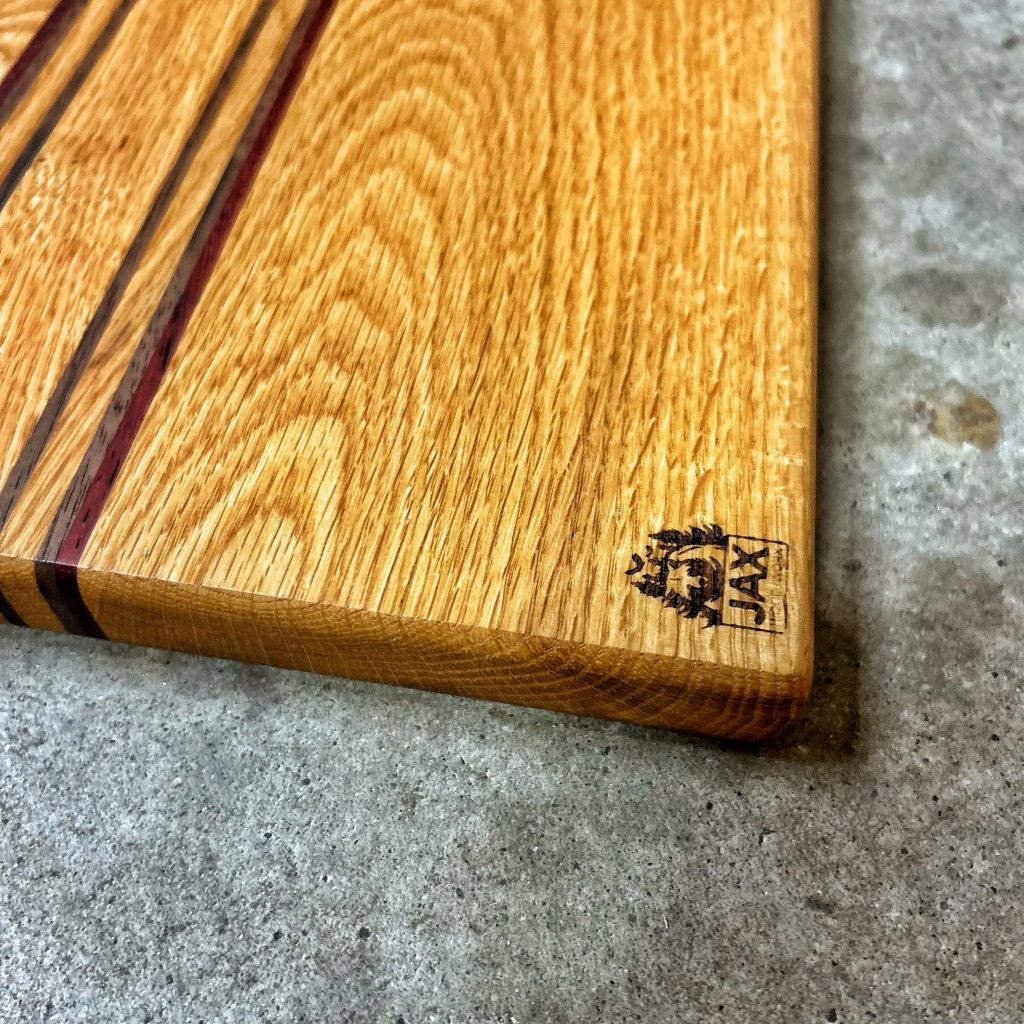
Red oak has an open grain pattern with a coarse texture. Its grain is straight but can show some rays and flecks. The surface feels rougher than some other woods.
- Open grain means visible pores on the surface
- Coarse texture gives a natural look
- Grain pattern adds character to the wood
Hardness And Durability
Red oak is moderately hard, making it durable enough for cutting boards. It resists dents and scratches better than softwoods but is softer than some hardwoods like maple.
| Wood Type | Janka Hardness (lbs) |
|---|---|
| Red Oak | 1290 |
| Hard Maple | 1450 |
| Black Walnut | 1010 |
Porosity And Absorption
Red oak is highly porous, which means it absorbs liquids easily. This can lead to staining and bacteria growth if not sealed well. Proper finishing helps protect the wood.
- High porosity means open pores on the surface
- Absorbs water and oils quickly
- Needs regular sealing to prevent damage
- Can harbor bacteria if not cleaned properly

Credit: jaxwoodworx.ca
Durability For Cutting Boards
Red oak is a popular wood choice for cutting boards. Its durability makes it a strong option for kitchen use.
This wood can handle daily cutting tasks without wearing down quickly. Let’s explore how red oak performs in key durability areas.
Resistance To Knife Marks
Red oak has a coarse grain and moderate hardness. This means it resists knife marks better than softwoods.
Still, its open pores can show cuts more easily than tighter-grained woods like maple.
Longevity Under Regular Use
Red oak can last for years if you care for it well. Regular oiling helps prevent drying and cracking.
- Clean the board after each use
- Apply mineral oil monthly
- Avoid soaking in water
- Keep it away from extreme heat
Comparison With Other Woods
| Wood Type | Hardness (Janka) | Grain Texture | Durability |
|---|---|---|---|
| Red Oak | 1290 | Coarse, Open | Good |
| Maple | 1450 | Fine, Closed | Very Good |
| Walnut | 1010 | Fine, Closed | Moderate |
| Cherry | 950 | Fine, Closed | Moderate |
Safety Considerations
Red oak is a popular wood for cutting boards, but safety is key. This section covers important points about using red oak safely in your kitchen.
Knowing how red oak affects food safety helps you keep your kitchen clean and healthy.
Food Safety And Hygiene
Red oak has a coarse grain that can trap food particles. This makes cleaning harder than some other woods.
It is important to clean red oak boards well after each use to avoid germs.
- Wash with hot, soapy water immediately after use
- Rinse and dry thoroughly
- Avoid soaking the board for long periods
- Use separate boards for raw meat and vegetables
Potential For Bacterial Growth
Because red oak is porous, it can hold moisture inside. Moisture helps bacteria grow.
| Factor | Risk Level | Advice |
|---|---|---|
| Porosity of red oak | High | Seal the board well and dry quickly |
| Cleaning frequency | Medium | Clean after each use |
| Use of separate boards | Low | Prevent cross-contamination |
Non-toxic Finishes And Treatments
Choose food-safe oils and finishes for red oak boards. Some chemicals can be harmful if they touch food.
- Use mineral oil, which is safe and easy to apply
- Avoid varnishes or finishes with harmful chemicals
- Reapply oil regularly to keep the wood sealed
- Check product labels for food safety

Credit: jaxwoodworx.ca
Maintenance Tips
Red oak is a popular wood for cutting boards because it is strong and durable. To keep your red oak cutting board in good shape, proper care is important.
Regular maintenance helps prevent damage and keeps the board looking fresh for a long time.
Cleaning Techniques
Clean your red oak cutting board right after use. Use warm water and mild soap. Avoid soaking the board in water. Dry it well with a towel to stop moisture from soaking in.
- Wash with warm, soapy water
- Rinse and dry immediately
- Do not put in dishwasher
- Use a soft sponge, not a scrub brush
Oiling And Conditioning
Oiling keeps the wood from drying out and cracking. Use food-safe mineral oil or a special cutting board oil. Apply oil evenly, let it soak, then wipe off the extra.
| Type of Oil | Benefits | How Often |
| Mineral Oil | Protects wood, non-toxic | Once a month |
| Beeswax Conditioner | Seals and adds shine | Every 2-3 months |
| Coconut Oil (Refined) | Natural and safe | Once a month |
Avoiding Warping And Cracking
Keep your cutting board dry and flat to avoid warping. Do not leave it near heat or in direct sunlight. Store it standing up or flat in a cool place.
- Dry board immediately after washing
- Do not soak in water
- Keep away from heat sources
- Store in a dry, cool area
Alternative Wood Options
Red oak is a popular wood, but it is not always the best for cutting boards. Choosing the right wood affects durability and food safety. Many people look for woods that resist moisture and cuts.
Here are some common alternative woods. Each has unique traits that make it good for cutting boards.
Maple
Maple is a dense and hard wood. It has a fine grain that resists deep cuts. This helps keep the board smooth. It also does not absorb much moisture, reducing bacteria growth.
Walnut
Walnut is a dark wood with a rich color. It is strong and durable but softer than maple. This helps protect knife edges. Walnut boards often have a smooth finish and natural resistance to bacteria.
- Durability: Medium to high
- Color: Dark brown
- Grain: Fine and straight
- Maintenance: Requires oiling to stay smooth
- Best use: Cutting and serving boards
Bamboo
Bamboo is a grass but often used like wood. It is very hard and eco-friendly. Bamboo boards are light and resist water well. They can be harder on knives than wood boards.
| Wood Type | Hardness | Water Resistance | Knife Friendly |
|---|---|---|---|
| Maple | High | Medium | Yes |
| Walnut | Medium | Medium | Yes |
| Bamboo | Very High | High | No |
Credit: cariboublock.com
Frequently Asked Questions
Is Red Oak Suitable For Cutting Boards?
Red oak is not ideal for cutting boards. It has an open grain that absorbs moisture, which can harbor bacteria. It’s also less durable compared to hardwoods like maple or walnut. For safety and longevity, it’s better to choose a wood with a closed grain.
How Durable Is Red Oak For Kitchen Use?
Red oak is moderately durable but not the best choice for cutting boards. Its porous nature makes it susceptible to warping and cracking. For high kitchen durability, it’s advisable to opt for a more durable, closed-grain wood like maple or walnut.
Can Red Oak Cutting Boards Be Sanitized Easily?
Sanitizing red oak cutting boards is challenging due to their open grain. The porous nature allows bacteria and moisture to seep in. This makes it harder to clean thoroughly. Opt for a closed-grain wood for easier sanitation and reduced bacteria risk.
Does Red Oak Warp Easily With Moisture?
Yes, red oak tends to warp with moisture exposure. Its open grain structure absorbs water, leading to potential warping and cracking. For cutting boards, choose a wood that resists moisture and maintains its shape, such as maple or walnut.
Conclusion
Red oak can work well for cutting boards. It has a strong, sturdy feel. The wood is easy to clean and maintain. It might wear faster than hardwoods like maple. Still, it offers good value and style. Choose red oak if you want a unique look.
Keep your board dry and oiled to last longer. Overall, red oak is a solid choice for many cooks. Durable, attractive, and practical—all in one wood.