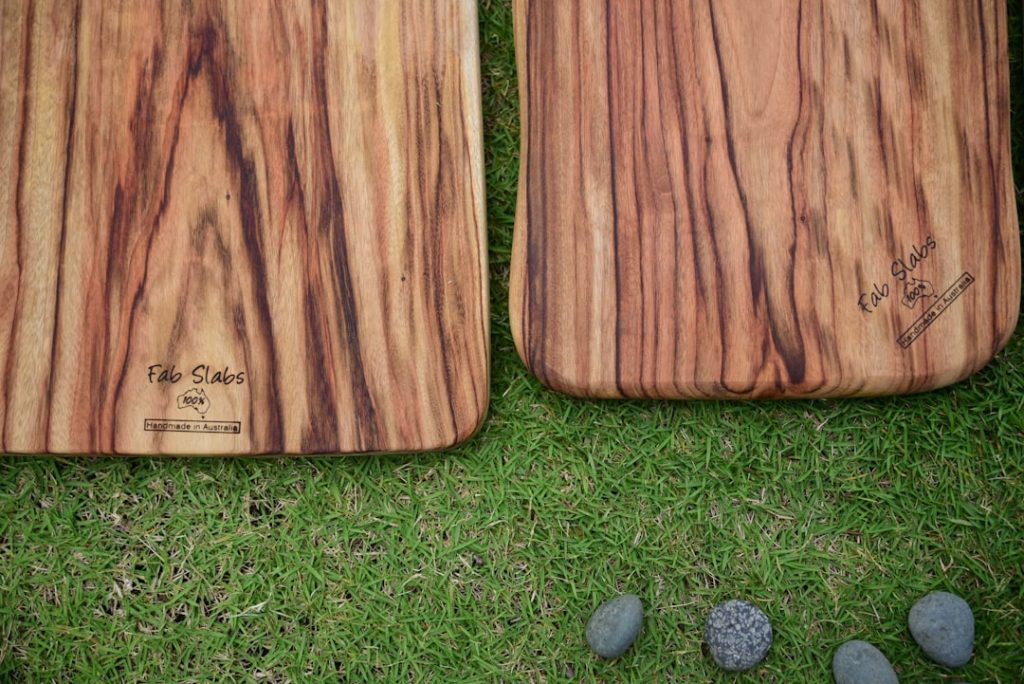
When choosing a cutting board, you want something that lasts, feels good in your hands, and keeps your kitchen safe. Have you ever wondered if rubberwood could be the perfect fit for your cutting board needs?
You might be surprised by how this material stands out from the usual options. Keep reading to discover whether rubberwood is the smart choice that could change the way you prepare your meals every day.
Rubberwood Basics
Rubberwood is a popular material used in furniture and kitchen items. It comes from rubber trees that no longer produce latex. This wood is known for being sturdy and affordable.
Many people wonder if rubberwood is good for cutting boards. Understanding its origin and uses helps answer this question.
Origin And Source
Rubberwood comes from the Pará rubber tree, scientifically called Hevea brasiliensis. These trees grow mainly in Southeast Asia, including Thailand and Malaysia. After about 25 to 30 years, the trees stop producing latex and are cut down for wood.
- The wood is a byproduct of the rubber industry
- It is harvested only after latex production ends
- Using this wood helps reduce waste
- Rubberwood is eco-friendly because it uses recycled trees
Common Uses
Rubberwood is used in many household and commercial products. Its strength and smooth surface make it a good choice for various items.
| Product | Reason for Use |
| Furniture | Strong and affordable |
| Flooring | Durable and attractive grain |
| Kitchen Utensils | Non-toxic and easy to clean |
| Cutting Boards | Hard surface but can show knife marks |

Credit: www.amazon.com
Durability Factors
Rubberwood is a popular choice for cutting boards. Its durability makes it a strong contender for kitchen use. This article explores its durability factors.
Understanding its hardness and resistance to wear is key. These factors determine how well it holds up over time.
Hardness And Strength
Rubberwood is known for its good strength. It can withstand daily cutting tasks without much damage. This makes it a reliable material for cutting boards.
The hardness of rubberwood helps prevent knife marks. This keeps the board looking new longer. It is not as hard as some other woods, but it balances hardness and ease of use.
- Moderate hardness prevents deep cuts
- Strong enough for regular use
- Balances durability and knife care
Resistance To Wear And Tear
Rubberwood resists wear and tear effectively. It holds up well to frequent washing and drying. This makes it a low-maintenance option for busy kitchens.
The wood’s natural resistance to shrinking and warping adds to its durability. This feature ensures that the cutting board maintains its shape over time.
| Feature | Benefit |
| Resistance to shrinking | Maintains shape |
| Low maintenance | Easy to clean |
| Durable finish | Long-lasting appearance |
Safety For Food Prep
Rubberwood is a popular choice for cutting boards. It is important to know if it is safe for food preparation. Safety means no harmful chemicals and less chance for germs.
This wood comes from rubber trees after they stop producing latex. It is eco-friendly and used in many kitchen tools. Let’s see why rubberwood is safe for cutting boards.
Non-toxic Properties
Rubberwood is free from toxic chemicals. It does not release harmful substances into food. This makes it safe to use for cutting fruits, vegetables, and meat.
Most rubberwood boards are treated with safe finishes. These finishes protect the wood without adding bad chemicals. This helps keep your food healthy.
Bacterial Resistance
Rubberwood has natural properties that reduce bacteria growth. Its tight grain makes it harder for germs to hide inside the wood. This helps keep the board clean.
Cleaning rubberwood cutting boards is easy. Use warm water and mild soap. Dry well to stop bacteria from growing on the surface.
Eco-friendly Benefits
Rubberwood is a popular choice for cutting boards because it is eco-friendly. It comes from rubber trees that no longer produce latex. Using this wood helps reduce waste.
This wood offers a sustainable way to make kitchen items without harming forests. It supports green living by using natural materials responsibly.
Sustainable Harvesting
Rubberwood is harvested after the rubber tree’s latex has been fully used. This means the tree is not cut down just for wood. Instead, it is used after its main purpose ends.
- Trees are grown mainly for latex production.
- Wood is collected only after latex yield stops.
- This method reduces the need to cut down new trees.
- It helps maintain forest balance and biodiversity.
Recycling And Waste Reduction
Using rubberwood for cutting boards supports recycling natural resources. It turns old trees into useful products instead of letting them go to waste.
| Benefit | Details |
| Reduces Wood Waste | Utilizes trees after latex production ends |
| Supports Recycling | Transforms old wood into kitchen tools |
| Less Landfill | Prevents discarded wood from piling up |
| Eco-Friendly Production | Requires fewer new trees to be cut down |
Maintenance And Care
Rubberwood cutting boards need regular care to stay in good shape. Proper maintenance helps keep them clean and strong.
Taking care of your rubberwood board will make it last longer and look better over time.
Cleaning Tips
Clean your rubberwood cutting board after every use. Use warm water and mild soap to wash it.
Dry the board with a towel right after washing. Avoid soaking it in water to prevent damage.
- Use a soft sponge or cloth for cleaning
- Do not put the board in the dishwasher
- Remove stains with lemon juice and salt
- Sanitize occasionally with vinegar or diluted bleach
Longevity Enhancements
Apply food-safe mineral oil to your rubberwood board regularly. This keeps the wood from drying out and cracking.
Store the board in a dry place away from direct sunlight. Avoid extreme heat or cold to protect the wood.
- Oil the board once a month or as needed
- Use a clean cloth to rub the oil evenly
- Let the oil soak in overnight, then wipe off excess
- Do not use vegetable or cooking oils for treatment
Comparison With Other Woods
Choosing the right wood for cutting boards matters for durability and safety. Rubberwood is popular but how does it compare with other woods?
This section looks at Rubberwood against Maple and Bamboo. Each wood has strengths and weaknesses for kitchen use.
Maple Vs. Rubberwood
Maple is a classic choice for cutting boards. It is hard and has a tight grain that resists bacteria. Rubberwood is also hard but less dense.
| Feature | Maple | Rubberwood |
|---|---|---|
| Hardness | High | Moderate |
| Grain Tightness | Tight | Looser |
| Durability | Long-lasting | Good |
| Resistance to Bacteria | High | Moderate |
| Price | Higher | Lower |
Maple offers better resistance to cuts and germs. Rubberwood is softer but more affordable. Both woods are safe if cared for properly.
Bamboo Vs. Rubberwood
Bamboo is a fast-growing grass often used for cutting boards. It is eco-friendly and very hard. Rubberwood is a hardwood from rubber trees.
- Hardness:Bamboo is harder than Rubberwood.
- Eco Impact:Bamboo grows quickly and renews fast.
- Maintenance:Rubberwood needs oiling to stay smooth.
- Weight:Bamboo boards tend to be lighter.
- Appearance:Bamboo has a striped look; Rubberwood is pale and uniform.
Bamboo is harder and lighter, good for cutting sharp knives. Rubberwood feels softer but is still durable. Both are good for kitchen use.
Cost And Availability
Rubberwood is a popular choice for cutting boards because it balances cost and quality. Understanding its price and how easy it is to find helps buyers make smart decisions.
This section covers the price range of rubberwood cutting boards and how widely available they are in the market.
Price Range
Rubberwood cutting boards are generally affordable compared to other hardwood boards. Their price depends on size, thickness, and brand.
| Size | Approximate Price |
| Small (8″ x 10″) | $10 – $20 |
| Medium (12″ x 18″) | $20 – $35 |
| Large (18″ x 24″) | $35 – $50 |
Market Accessibility
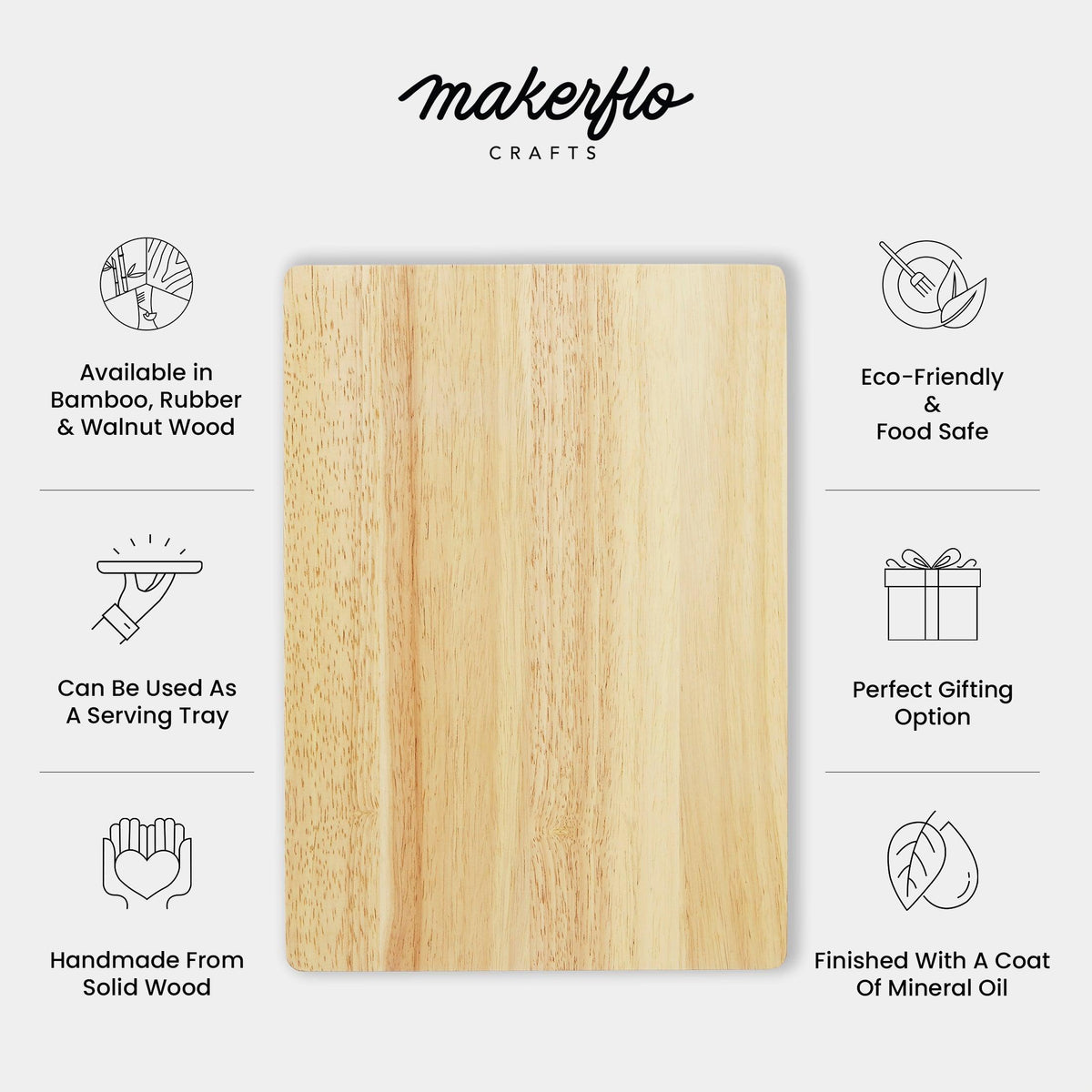
Rubberwood is easy to find in many stores and online. It is common because it comes from rubber trees that no longer produce latex.
- Available at major kitchenware stores
- Sold on popular online marketplaces
- Offered by many cutting board brands
- Often stocked in eco-friendly product shops
Credit: makerflo.com
User Experiences
Many people use rubberwood cutting boards in their kitchens. They share their thoughts on how well these boards work. These experiences help others decide if rubberwood is a good choice.
This section shows what customers and experts say about rubberwood cutting boards. It covers common opinions and useful details.
Customer Reviews
Customers often say rubberwood boards look nice and feel strong. They like the smooth surface for cutting fruits and vegetables. Many find the boards easy to clean and maintain.
Some users notice small dents or scratches after regular use. They say the boards can last a long time if cared for properly. Many also mention the boards are lighter than other wood types.
- Nice appearance with a light color
- Strong and durable for everyday use
- Easy to clean with mild soap and water
- Prone to small scratches over time
- Lighter than hardwood cutting boards
- Needs regular oiling to keep wood healthy
Expert Opinions
Experts say rubberwood is a good option for cutting boards. The wood is dense enough to resist deep cuts. It is less porous than softwoods, so it holds less bacteria.
They recommend oiling the board often to prevent drying and cracking. Experts also note that rubberwood comes from a sustainable source, which helps the environment.
- Dense wood that resists deep cuts
- Less porous, reducing bacteria growth
- Needs regular oiling to stay strong
- Environmentally friendly and sustainable
- Good balance of hardness and weight

Credit: www.amazon.com
Frequently Asked Questions
Is Rubberwood Safe For Kitchen Cutting Boards?
Yes, rubberwood is safe for cutting boards. It is non-toxic, durable, and naturally resistant to bacteria, making it ideal for kitchen use.
How Durable Is Rubberwood For Cutting Boards?
Rubberwood is moderately durable. It withstands daily cutting tasks well but may show wear faster than hardwoods like maple or walnut.
Does Rubberwood Resist Knife Marks Well?
Rubberwood has moderate resistance to knife marks. It is softer than hardwoods, so it may show cuts more easily over time.
Is Rubberwood Eco-friendly For Cutting Boards?
Yes, rubberwood is eco-friendly. It is sourced from rubber trees after their latex production ends, reducing waste and promoting sustainability.
Conclusion
Rubberwood makes a solid choice for cutting boards. It is strong and gentle on knives. The wood resists water better than many other woods. Cleaning and caring for it is quite easy. It also offers a smooth surface to work on.
Rubberwood cutting boards last long with proper care. They blend well in most kitchens, too. Overall, rubberwood balances durability and usability well. It suits daily kitchen tasks without much hassle. Consider rubberwood if you want a reliable, affordable cutting board.