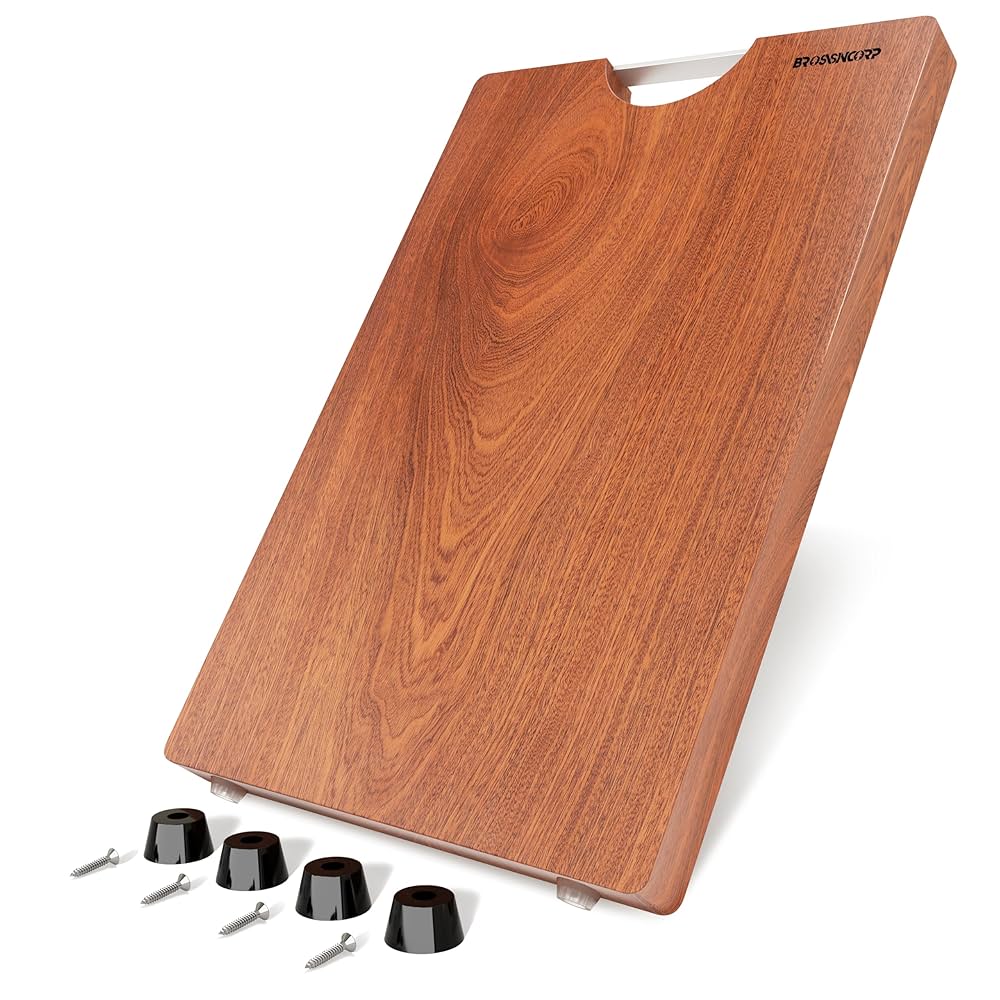
Are you thinking about making your next cutting board from Sapele wood? You might wonder if it’s the right choice for your kitchen.
Choosing the perfect wood matters because it affects how your cutting board looks, lasts, and feels when you use it. You’ll discover the true qualities of Sapele and whether it’s a smart option for your cutting board. Keep reading to find out what makes Sapele stand out—and if it fits your cooking needs perfectly.
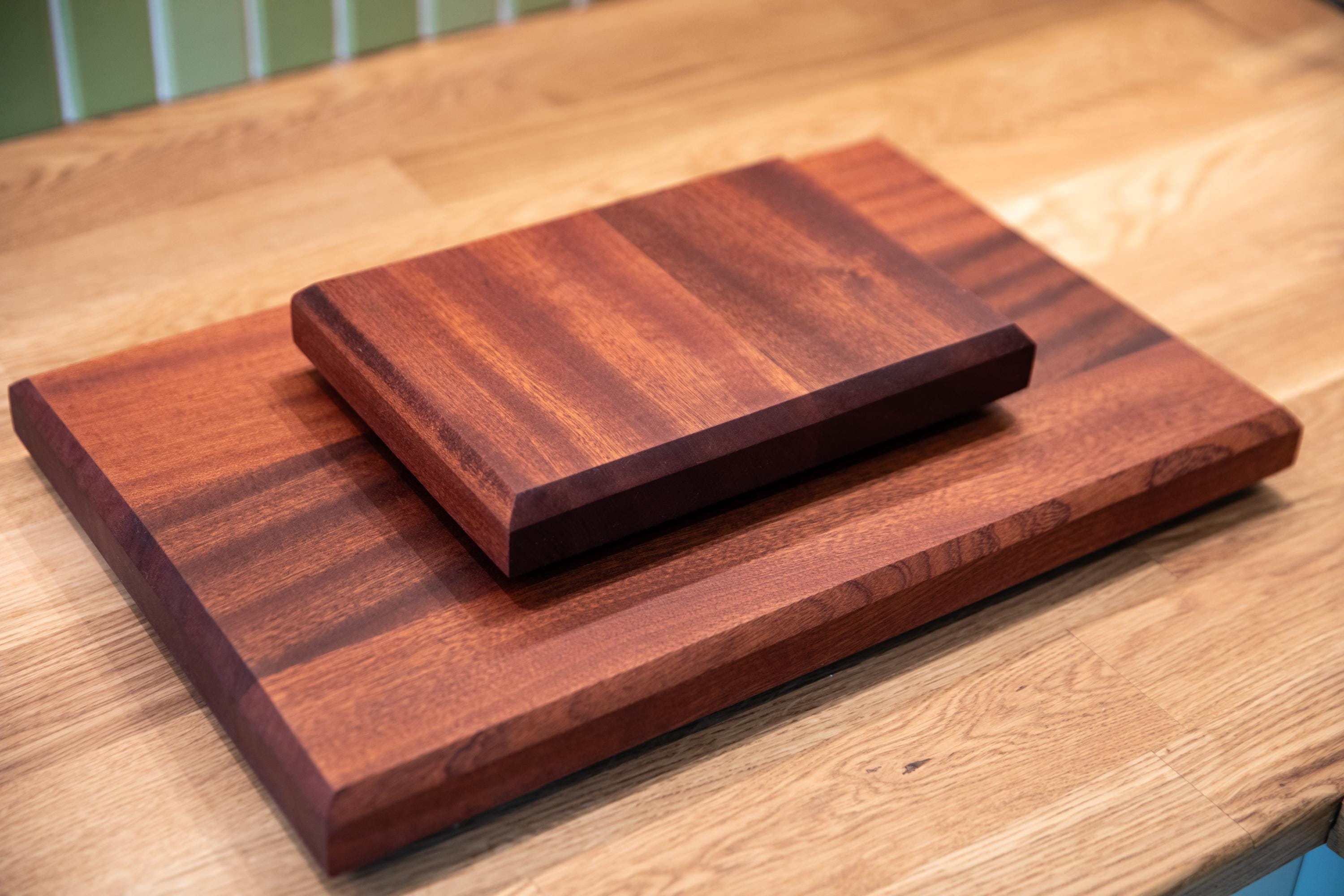
Credit: www.etsy.com
Properties Of Sapele Wood
Sapele wood is a popular choice for many wood projects. It is often used for furniture, flooring, and cutting boards. Its properties make it interesting for kitchen use.
This wood comes from a tropical hardwood tree found in Africa. It has unique features that affect how well it works for cutting boards.
Durability And Hardness
Sapele wood is known for its good durability. It is hard enough to resist dents and scratches from knives. This hardness helps cutting boards last longer.
The wood’s hardness is similar to that of mahogany. This level of hardness keeps the board stable and strong during heavy use in the kitchen.
- Janka hardness rating around 1,410 lbf
- Resists knife marks well
- Strong and durable for daily use
Grain And Appearance
Sapele has a fine and even grain pattern. Its texture is smooth, making it pleasant to touch. The wood also has an attractive reddish-brown color.
The grain often shows a ribbon-like pattern. This feature adds beauty to cutting boards. The natural shine improves with polishing.
- Fine and interlocked grain
- Reddish-brown to dark brown color
- Polishes to a smooth, shiny finish
Natural Resistance To Moisture
Sapele wood has good natural resistance to moisture. This helps prevent warping and cracking in wet conditions. It is suitable for kitchen environments.
The wood does not soak up water easily. This feature helps keep cutting boards sanitary and stable. It also reduces the chance of mold or rot.
- Good resistance to water damage
- Less prone to warping or cracking
- Supports long-term kitchen use
Sapele Compared To Other Woods
Sapele is a popular choice for cutting boards. It has unique qualities that make it worth comparing to other woods. Understanding these differences helps in choosing the right wood for your kitchen.
This article compares Sapele with Maple, Walnut, and Bamboo. Each wood has its own strengths and weaknesses. We look at durability, appearance, and care needs.
Sapele Vs Maple
Sapele is harder than Maple, making it more resistant to dents. Its reddish-brown color stands out compared to Maple’s light cream tone. Maple is easier to find and usually cheaper. Both woods are safe for food contact and resist bacteria well.
Sapele Vs Walnut
| Feature | Sapele | Walnut |
| Color | Reddish Brown | Dark Brown |
| Hardness | Harder | Softer |
| Grain Pattern | Interlocking | Straight |
| Cost | Moderate | Higher |
| Maintenance | Moderate | Moderate |
Sapele’s grain is more interlocked, which can make it more durable. Walnut has a smooth feel and a rich color but dents easier. Walnut is often seen as more elegant but costs more.
Sapele Vs Bamboo
- Sapele is a hardwood; Bamboo is a grass product.
- Sapele is denser and heavier than Bamboo.
- Bamboo grows faster and is more eco-friendly.
- Bamboo cutting boards are easier to clean and lighter.
- Sapele offers better resistance to knife marks.
Bamboo is popular for being sustainable. Sapele provides a classic wood look and more hardness. Choosing between them depends on your needs for weight and maintenance.
Safety For Food Preparation
Sapele wood is a popular choice for cutting boards. It offers durability and a nice look. But safety for food use is very important.
This article explains if Sapele is safe for food preparation. It covers non-toxic qualities, allergen risks, and hygiene care.
Non-toxic Qualities
Sapele is a hardwood with natural oils that resist water. It does not contain harmful chemicals. This makes it safe to use with food.
The wood does not release toxins or bad smells when cut or cleaned. It is also free from synthetic finishes that could be unsafe.
Allergen Considerations
Some people may be allergic to certain wood dusts. Sapele dust can cause mild irritation for sensitive individuals. But solid wood cutting boards rarely cause allergies.
To reduce risk, avoid breathing sawdust when sanding or cutting the wood. The finished board is unlikely to cause allergic reactions.
- Sapele dust may irritate skin or lungs
- Solid boards are safe once finished
- Keep dust away during woodworking
Maintenance For Hygiene
Proper care keeps Sapele cutting boards clean and safe. Wash boards with warm water and mild soap after use. Avoid soaking the wood to prevent damage.
Regular oiling with food-safe mineral oil helps protect the wood. This prevents cracks and bacteria buildup. Dry the board well before storing.
- Wash with mild soap and water
- Do not soak or leave wet
- Oil regularly with food-safe mineral oil
- Dry completely before storage
Design And Style Benefits
Sapele wood offers great design and style benefits for cutting boards. Its warm color and grain add charm to any kitchen.
This wood type is not only strong but also visually appealing, making it a popular choice for stylish kitchen tools.
Aesthetic Appeal In Kitchens
Sapele has a rich reddish-brown color that brightens kitchen spaces. Its fine grain patterns create a smooth, elegant look.
The wood’s natural shine adds a touch of luxury without needing extra finishes.
Customization Options
Sapele wood is easy to shape and carve, allowing various cutting board designs. You can create unique edges and patterns.
- Different board shapes: round, rectangular, or oval
- Varied thickness for durability or lightness
- Engraving custom names or designs
- Mixing with other woods for contrast
Aging And Patina
Over time, Sapele wood develops a lovely patina. The color deepens, and the grain becomes more pronounced.
| Time Period | Appearance Change |
| New | Bright reddish-brown with fine grain |
| 6 months | Warmer tone, slight darkening |
| 1 year+ | Rich deep color, enhanced grain texture |
Care Tips For Sapele Cutting Boards
Sapele is a strong and beautiful wood for cutting boards. It has a rich color and smooth texture. Proper care helps keep your board looking great and lasting longer.
Cleaning, oiling, and avoiding damage are important steps. These care tips will protect your Sapele cutting board from wear and tear.
Cleaning Techniques
Clean your Sapele cutting board right after use. Use warm water and mild soap. Avoid soaking it in water to prevent warping.
Dry the board with a clean towel. Stand it upright to air dry fully before storing.
- Use a soft sponge or cloth
- Do not use harsh chemicals or bleach
- Never put the board in a dishwasher
- Remove stains with lemon and salt if needed
Oiling And Conditioning
Oiling keeps the wood hydrated and prevents cracking. Use food-safe mineral oil or a special cutting board conditioner.
Apply oil evenly across the surface. Let it soak for a few hours or overnight. Wipe off any extra oil before use.
- Oil your board once a month or when it looks dry
- Use a clean, soft cloth for application
- Do not use vegetable or olive oil as they can go rancid
Avoiding Damage
Avoid cutting on the board with very sharp or serrated knives that can leave deep marks. Use both sides to spread wear evenly.
Keep the board away from extreme heat or direct sunlight. This can cause the wood to crack or warp.
- Do not soak or submerge in water
- Store in a dry, cool place
- Use a separate board for raw meat to prevent stains and bacteria
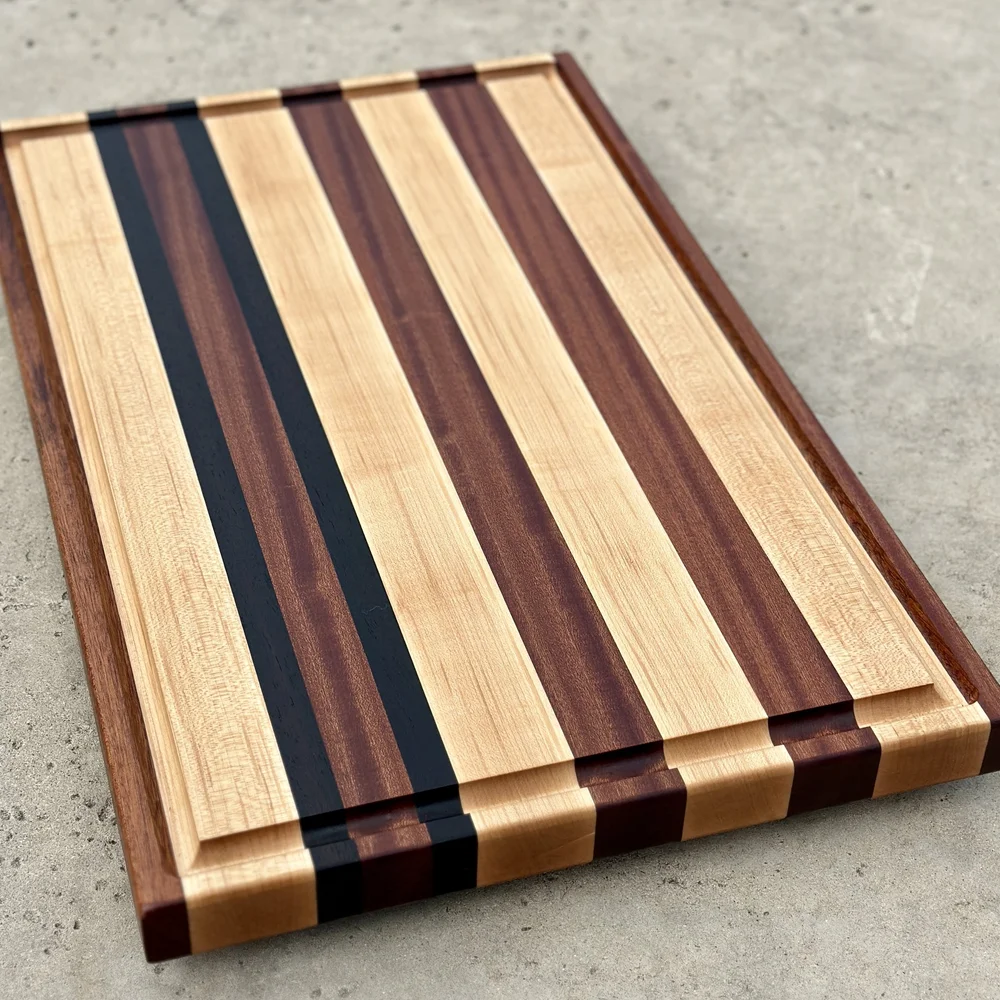
Credit: www.goodshepherdwoodshop.com
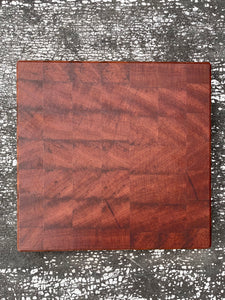
Credit: 3dotwood.com
Frequently Asked Questions
Is Sapele Durable For Cutting Boards?
Yes, Sapele is durable and resistant to wear, making it suitable for cutting boards. Its hardness protects against knife marks, ensuring longevity. Additionally, it has a tight grain structure that minimizes absorption of moisture, reducing the risk of bacterial growth.
This makes Sapele a reliable choice for kitchen use.
Does Sapele Wood Have Antibacterial Properties?
While Sapele itself does not have inherent antibacterial properties, its tight grain structure helps reduce moisture absorption. This limits bacterial growth compared to more porous woods. It’s important to regularly clean and maintain any cutting board to ensure hygiene and longevity, regardless of the wood type used.
How Does Sapele Compare To Other Woods?
Sapele is harder and more durable than many common woods like pine and oak. It offers a rich, attractive appearance similar to mahogany. Its resistance to wear and moisture makes it a popular choice for cutting boards. However, it may be more expensive than softer alternatives due to its quality.
Is Sapele Safe For Food Preparation?
Yes, Sapele is safe for food preparation when properly finished and maintained. Its dense grain structure resists moisture, reducing bacterial growth. Regular cleaning and oiling help maintain its safety and longevity. Always ensure that the cutting board is free from cracks and damage to avoid contamination during food preparation.
Conclusion
Sapele is a strong and attractive wood for cutting boards. It resists scratches and holds up well over time. Its natural beauty adds charm to any kitchen. Cleaning Sapele boards is easy and safe. They offer good durability without high cost.
Choose Sapele if you want a reliable, stylish cutting board. It fits well in both busy and calm kitchens. A smart choice for those who value quality and looks. Simple care keeps the board working for years. Sapele cutting boards make food prep enjoyable and smooth.