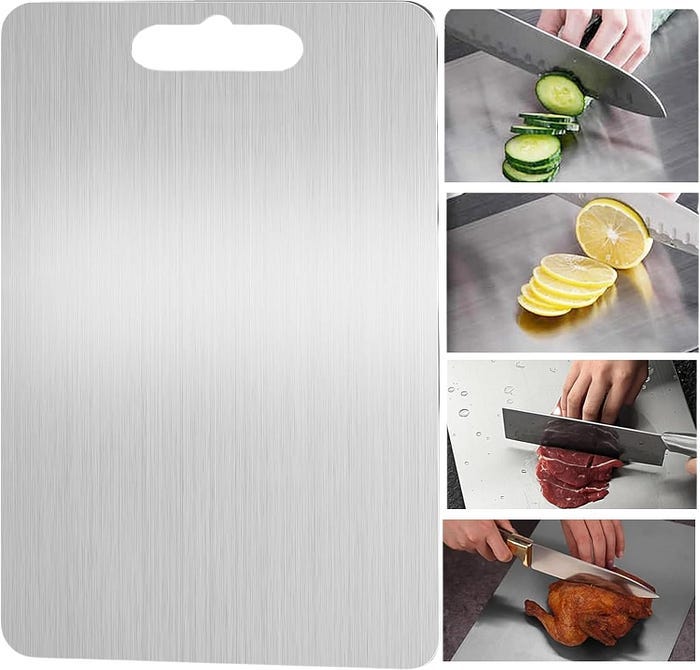
Choosing the right cutting board can change the way you cook every day. You might be wondering: is stainless steel or titanium better for your cutting board?
Both materials sound strong and durable, but which one will truly meet your needs? You’ll discover the surprising differences between stainless steel and titanium cutting boards. By the end, you’ll know exactly which option fits your kitchen style, keeps your knives sharp, and makes your food prep easier.
Keep reading to find the perfect match for your cooking space.
Material Properties
Choosing the right material for cutting boards affects their performance and lifespan. Stainless steel and titanium are popular metals used for this purpose. Each has unique properties to consider.
This article looks at durability, corrosion resistance, and weight to help you understand which metal suits cutting boards best.
Durability Comparison
Both stainless steel and titanium offer strong durability. Stainless steel is known for its hardness and resistance to scratches. Titanium is lighter but also very strong and less prone to bending.
- Stainless steel resists dents and impacts well.
- Titanium has a high strength-to-weight ratio.
- Titanium resists deformation under heavy use.
- Stainless steel can be more prone to surface scratches.
Corrosion Resistance
Corrosion resistance is important to keep cutting boards safe and clean. Both metals handle moisture well but differ in their resistance levels.
| Material | Corrosion Resistance | Common Issues |
|---|---|---|
| Stainless Steel | High | May rust if damaged or exposed to salt for long |
| Titanium | Very High | Rarely corrodes, even in harsh environments |
Weight And Handling
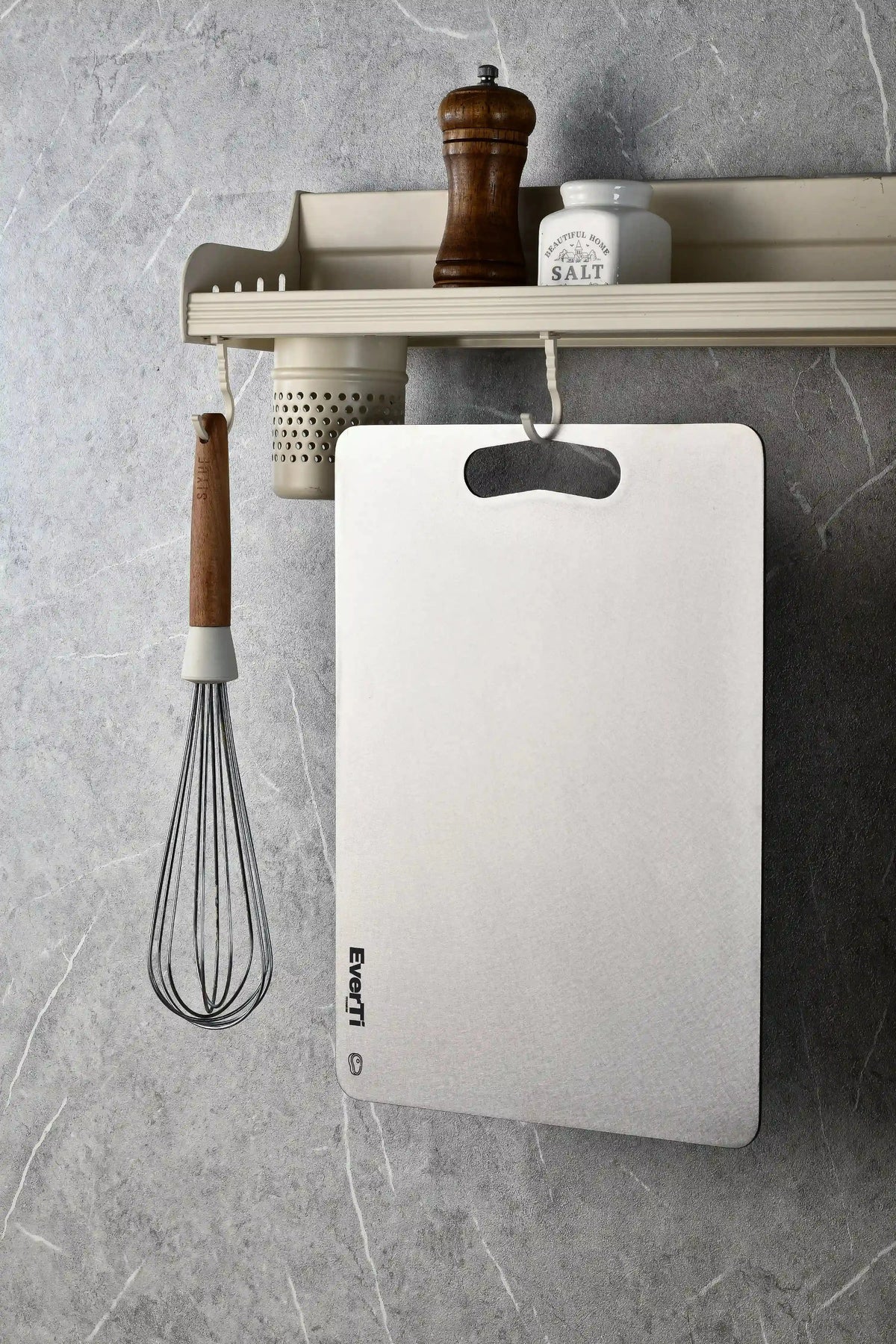
Weight affects how easy it is to use and move cutting boards. Titanium is much lighter than stainless steel, which can make handling easier.
- Titanium cutting boards are easier to lift and carry.
- Stainless steel boards feel heavier and more solid.
- Lighter boards reduce fatigue during long use.
Credit: everti.com.au
Cutting Performance
Choosing between stainless steel and titanium for cutting boards affects how well you cut. Cutting performance depends on many factors like sharpness, impact on knives, and surface texture.
This guide looks at these details to help you understand which material works better for cutting tasks.
Sharpness And Edge Retention
Stainless steel cutting boards usually keep their smooth surface longer. This helps maintain sharp cuts and keeps knives sharper for more time.
Titanium boards are very hard but can wear down faster. Their surface may lose sharp edges quicker than stainless steel.
- Stainless steel offers steady sharpness over time
- Titanium can have quick edge wear
- Both need proper care to keep cutting well
Impact On Knife Blades
Cutting boards must protect knife blades from damage. Stainless steel boards are gentle and cause less blade dulling.
Titanium boards are harder and may dull knives faster. This can mean more frequent sharpening for blades.
- Stainless steel reduces blade wear
- Titanium is tougher but harsher on knives
- Choose a board that fits your knife care routine
Surface Texture Effects
Surface texture changes how cutting feels and performs. Stainless steel has a smooth texture that helps clean cuts.
Titanium surfaces can be rougher or uneven. This may slow cutting and affect precision.
- Smooth stainless steel aids in clean slicing
- Rough titanium may cause uneven cuts
- Surface finish matters for cutting ease
Hygiene And Maintenance
Choosing between stainless steel and titanium cutting boards depends on hygiene and maintenance. Both materials offer unique features that affect cleanliness and care.
Understanding how each material handles cleaning, bacteria, stains, and odors helps you pick the best option for your kitchen.
Ease Of Cleaning
Stainless steel cutting boards clean easily with soap and water. Titanium boards also clean well but need gentle care to keep their surface smooth.
- Stainless steel resists scratches and can handle scrubbing.
- Titanium is strong but can scratch if cleaned roughly.
- Both materials do not absorb water or food particles.
- Dishwasher safe options are common with stainless steel.
- Titanium often requires hand washing to keep its finish.
Bacterial Resistance
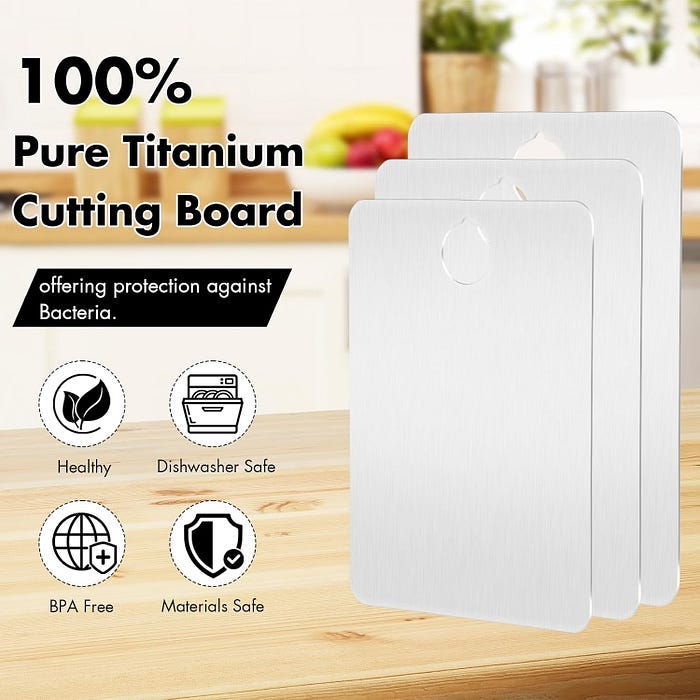
Both stainless steel and titanium resist bacteria well. Their non-porous surfaces prevent germs from hiding in cracks or pores.
| Material | Bacterial Resistance | Surface Type |
| Stainless Steel | High | Non-porous, smooth |
| Titanium | High | Non-porous, smooth |
Stain And Odor Prevention
Stainless steel does not stain or hold odors. It stays neutral after cutting foods like garlic or onions.
Titanium also resists stains and odors but may need extra care after strong-smelling foods.
Tips to prevent stains and odors:
- Clean boards immediately after use.
- Use mild soap and warm water.
- Avoid harsh chemicals that can damage surfaces.
- Dry boards fully before storage.
- Occasionally sanitize with vinegar or baking soda.
Cost And Availability
Choosing between stainless steel and titanium cutting boards depends on cost and availability. These factors affect what you buy and how long it lasts.
Both materials have different prices and are found in different places. Understanding these can help you decide.
Price Differences
Stainless steel cutting boards cost less than titanium ones. Stainless steel is common and cheaper to produce.
Titanium boards are more expensive because titanium metal costs more. The production process is also costlier.
- Stainless steel boards are budget-friendly
- Titanium boards have a higher price tag
- Price depends on size and thickness too
Market Accessibility
Stainless steel cutting boards are easy to find in many stores. They are popular and widely produced.
Titanium cutting boards are rare. Few shops sell them because titanium is less common for kitchen tools.
- Stainless steel boards are in many markets
- Titanium boards are limited to specialty shops
- Online stores offer both but titanium is costly
Longevity Vs Investment
Titanium cutting boards last much longer than stainless steel boards. They resist scratches and dents well.
Stainless steel boards may need replacing sooner. The initial lower cost might balance out over time.
- Titanium boards offer longer use and durability
- Stainless steel boards cost less upfront
- Think about how long you want the board to last
Environmental Impact
Choosing the right material for cutting boards affects the environment. Stainless steel and titanium both have unique impacts. Understanding these helps make eco-friendly choices.
This section compares stainless steel and titanium based on sustainability factors, recyclability, and manufacturing footprint.
Sustainability Factors
Both metals are durable and last long, reducing waste from frequent replacements. Titanium is lighter, which can lower transportation emissions. Stainless steel is widely used and easy to maintain.
Recyclability
Recycling metal saves energy and reduces mining impacts. Stainless steel and titanium are both recyclable. Here is a comparison of their recyclability:
- Stainless Steel:Highly recyclable, collected in most recycling programs.
- Titanium:Also recyclable but less commonly processed due to cost.
- Energy Use:Recycling stainless steel uses less energy than producing new metal.
- Titanium Recycling:Saves significant energy but requires specialized facilities.
Manufacturing Footprint
| Material | Energy Used in Production | Carbon Emissions | Resource Extraction Impact |
| Stainless Steel | Moderate | Medium | High (Iron and Chromium mining) |
| Titanium | High | High | High (Titanium ore mining and processing) |
Titanium production requires more energy and causes higher carbon emissions than stainless steel. Mining for both metals affects ecosystems but titanium extraction is more intensive.
Credit: medium.com
User Preferences
Choosing between stainless steel and titanium for cutting boards depends on what users want. Each metal offers different benefits.
Users think about how they will use the board and how it fits their kitchen style.
Common Uses And Applications
Stainless steel cutting boards are strong and good for heavy tasks. They resist stains and are easy to clean.
Titanium boards are lighter and resist corrosion well. Users like them for outdoor use or travel.
- Stainless steel is popular in professional kitchens
- Titanium is chosen for camping and portable kitchens
- Both metals work well with sharp knives
Aesthetic Appeal
Stainless steel has a shiny, polished look that fits modern kitchens. It can show fingerprints easily.
Titanium offers a unique gray or matte finish. It looks sleek and less common in homes.
- Stainless steel looks bright and clean
- Titanium has a subtle, modern color
- Both metals can match stainless steel appliances
Feedback From Professionals
Chefs say stainless steel boards are very durable and easy to sanitize. They last long in busy kitchens.
Some pros like titanium for its light weight and resistance to rust. They find it handy for travel chefs.
- Stainless steel is preferred for heavy daily use
- Titanium is valued for portability and corrosion resistance
- Both metals support safe food preparation
Credit: medium.com
Frequently Asked Questions
What Are The Benefits Of Titanium Cutting Boards?
Titanium cutting boards are lightweight yet highly durable, making them easy to handle. They resist corrosion and maintain their appearance over time. Their non-reactive nature means they won’t affect food flavor. Additionally, titanium is hypoallergenic, making it safe for sensitive users.
Why Choose Stainless Steel For Cutting Boards?
Stainless steel cutting boards offer excellent durability and corrosion resistance. They are easy to clean and maintain, ensuring hygiene. Their sleek appearance fits modern kitchens. Stainless steel surfaces are also non-porous, preventing bacterial growth and ensuring food safety.
How Does Material Affect Cutting Board Longevity?
The material directly impacts a cutting board’s durability and lifespan. Stainless steel is robust and long-lasting, while titanium offers superior strength and resistance to wear. Choosing the right material ensures your cutting board withstands regular use without degrading quickly.
Which Material Is More Scratch-resistant?
Titanium is generally more scratch-resistant compared to stainless steel. Its surface maintains a smooth finish even after frequent use. This property ensures that titanium cutting boards retain their appearance and functionality over time, making them ideal for heavy-duty kitchen tasks.
Conclusion
Choosing between stainless steel and titanium depends on your needs. Stainless steel is strong, easy to clean, and affordable. Titanium is lighter, more durable, but usually costs more. Both materials resist rust and last a long time. Think about how you use your cutting board every day.
Durability, weight, and price all matter. Pick the one that fits your kitchen style and budget best. Either way, you get a sturdy cutting board that can handle your cooking tasks well. Simple and practical choices win in the kitchen.