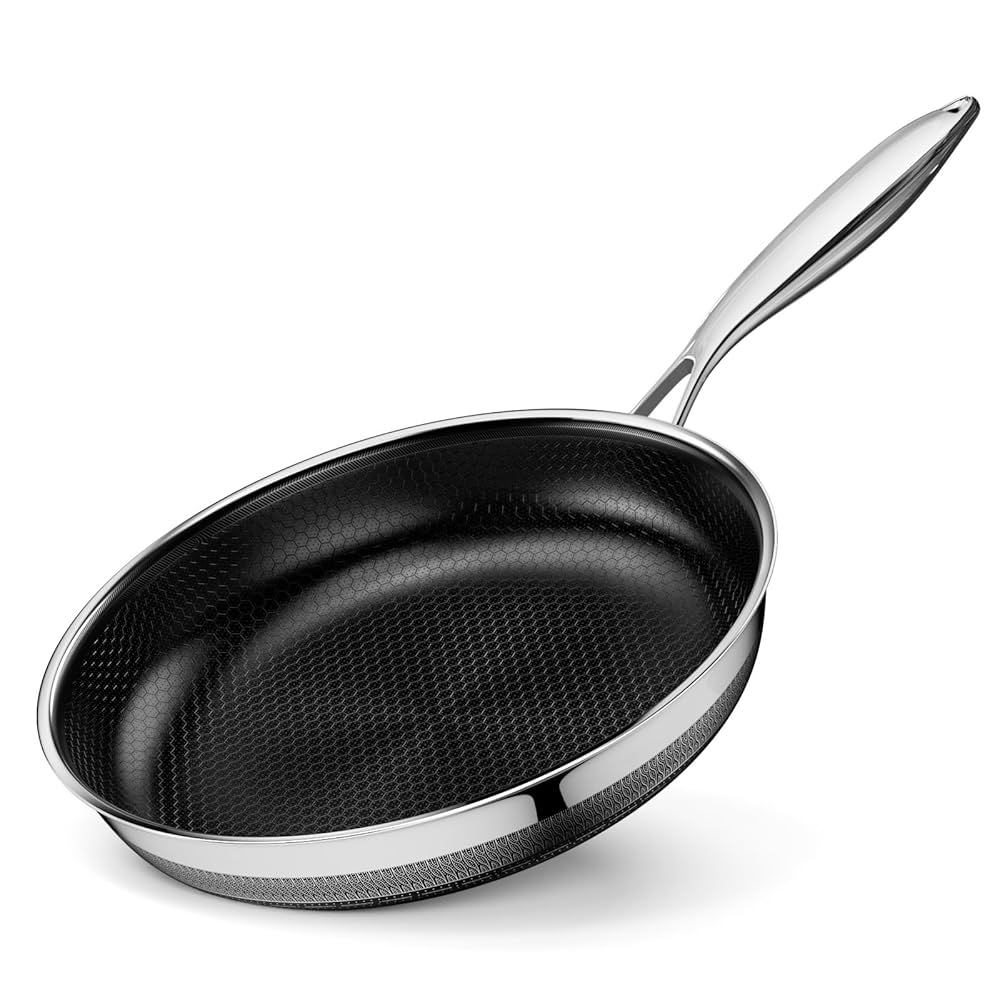
Are you tired of food sticking to your pans and making cooking a frustrating mess? You’ve probably heard that stainless steel pans aren’t non-stick, but is that really true?
Understanding how stainless steel works can change the way you cook and clean. You’ll discover the surprising facts about stainless steel pans and how you can make them work almost like non-stick cookware. Keep reading to learn simple tips that will transform your cooking experience and help you get the best from your pans every time.
How Stainless Steel Pans Work
Stainless steel pans are popular for cooking many types of food. They do not have a non-stick coating like some other pans.
Understanding how these pans work helps to use them well and cook better meals.
Material Properties
Stainless steel is a strong metal made from iron, chromium, and other elements. It does not rust easily and can handle high heat.
- Durable and resistant to scratches
- Does not react with acidic or alkaline foods
- Easy to clean and maintain
Heat Distribution
Stainless steel alone does not spread heat evenly. Many pans add layers of aluminum or copper inside the base to fix this.
| Material Layer | Heat Conductivity | Purpose |
| Stainless Steel | Low | Durability and corrosion resistance |
| Aluminum | High | Even heat distribution |
| Copper | Very High | Quick and even heat spread |
Surface Characteristics
The surface of stainless steel pans is smooth but not non-stick. Food may stick if the pan is too cold or dry.
Tips to reduce sticking:
- Preheat the pan before adding oil or food
- Use enough oil or butter to coat the surface
- Cook on medium heat, not too hot
- Let food release naturally before flipping or stirring
Credit: www.kitchenessentials.ca
Non-stick Features In Stainless Steel
Stainless steel pans are popular for cooking. Many wonder if they have non-stick properties.
This article explains how stainless steel can act like a non-stick surface under certain conditions.
Natural Non-stick Effects
Stainless steel pans do not have a chemical non-stick coating. Still, they can show natural non-stick effects.
These effects depend on the pan’s surface and cooking temperature. A smooth surface reduces food sticking.
Seasoning Stainless Steel
Seasoning a stainless steel pan improves its non-stick qualities. This process creates a thin, protective layer.
- Heat the pan until hot but not smoking
- Pour a small amount of oil and spread it evenly
- Let the oil heat until it starts to smoke
- Turn off the heat and let the pan cool
- Wipe out excess oil with a paper towel
Seasoning fills tiny pores on the pan’s surface. This reduces food from sticking during cooking.
Oil And Fat Role
| Role | Explanation |
| Prevent Sticking | Oil creates a barrier between food and pan surface. |
| Improve Heat Transfer | Fat helps distribute heat evenly on the pan. |
| Add Flavor | Oils and fats enhance taste and texture of food. |
| Reduce Burning | Fat lowers the chance of food burning on the pan. |
Common Misconceptions
Many people wonder if stainless steel pans are non-stick. This idea comes from confusion about their cooking surface. Stainless steel is different from traditional non-stick pans.
This article clears up common myths about stainless steel pans. It explains how they compare to non-stick pans, why food sticks, and how to care for them.
Comparing To Traditional Non-stick Pans
Stainless steel pans do not have a non-stick coating like Teflon pans. They use a smooth metal surface that heats evenly. Non-stick pans have a special layer that prevents food from sticking easily.
| Feature | Stainless Steel Pans | Traditional Non-Stick Pans |
| Surface | Metal, no coating | Coated with non-stick material |
| Stick Resistance | Depends on heat and oil | Usually very resistant |
| Durability | Very durable, resists scratches | Coating can wear off |
| Care | Requires proper heating and oil | Gentle cleaning needed |
Sticking Causes
Food sticks on stainless steel when the pan is not hot enough or without enough oil. Proteins bond with the metal if cooked too soon. Proper heating forms a natural barrier that helps release food.
- Heat the pan before adding oil
- Use enough oil or butter
- Avoid moving food too early
- Cook at the right temperature
Maintenance Myths
Some people think stainless steel pans need special cleaning or seasoning like cast iron. This is not true. They can be cleaned with regular dish soap and a scrubber. Avoid harsh steel wool to keep the surface smooth.
- Wash with warm, soapy water after each use
- Use a non-abrasive sponge to remove stuck food
- For tough stains, try baking soda paste
- Dry pans immediately to prevent water spots

Credit: www.amazon.ca
Tips To Prevent Food From Sticking
Stainless steel pans are popular for cooking but food often sticks to them. This can make cooking and cleaning hard.
Using the right techniques helps keep food from sticking to stainless steel pans. This guide shows easy tips.
Proper Heating Techniques
Heat the pan before adding oil or food. A hot pan helps create a natural barrier.
To check if the pan is ready, sprinkle a few drops of water. If they dance or evaporate fast, the pan is hot enough.
- Start on medium heat, not high
- Allow the pan to warm for 1-2 minutes
- Avoid adding cold food directly to the pan
Using The Right Oils
Oils help prevent food from sticking by forming a slick layer on the pan. Use oils with high smoke points.
Some good oils for stainless steel pans include canola, vegetable, and avocado oil. Avoid butter at high heat.
- Add oil only after the pan is hot
- Swirl oil to coat the entire surface
- Use enough oil to cover the cooking area
Cooking Methods
Choose cooking methods that reduce sticking. Avoid moving food too soon after placing it in the pan.
Let the food form a crust before flipping or stirring. This helps release it naturally from the pan.
- Sear meat on medium heat without moving it for a few minutes
- Use a spatula to gently lift food when ready
- Cook vegetables in batches to avoid crowding the pan
When To Choose Stainless Steel Over Non-stick
Choosing the right pan affects how well your food cooks. Stainless steel pans offer unique benefits. They are often a better choice than non-stick pans in many cases.
This guide explains when stainless steel pans are the best option. It covers durability, health, and cooking styles.
Durability And Longevity
Stainless steel pans last much longer than non-stick pans. They resist scratches and dents. This makes them a smart buy for frequent cooking.
- Do not chip or peel easily
- Withstand high heat without damage
- Can be scrubbed hard without worry
- Often come with warranties
Health And Safety
Stainless steel pans do not release chemicals when heated. This can be safer for your health. Non-stick coatings may wear off over time and cause concern.
| Feature | Stainless Steel | Non-Stick |
| Chemical Release | None | Possible if scratched |
| Surface Wear | Resistant | Coating can peel |
| Cleaning Method | Can use scrubbers | Needs gentle care |
Cooking Versatility
Stainless steel pans work well for many cooking methods. They can handle searing, frying, boiling, and baking. Non-stick pans are best for gentle cooking.
- Can use metal utensils without damage
- Safe for oven use at high temperatures
- Good heat distribution for even cooking
- Ideal for browning and deglazing

Credit: www.amazon.ca
Cleaning And Care For Stainless Steel Pans
Stainless steel pans are popular for cooking because they are durable and versatile. Proper cleaning and care help keep these pans in great condition for a long time.
Knowing how to remove stuck food, avoid damage, and maintain shine will make your pans look and work better every day.
Removing Stuck Food
Food can sometimes stick to stainless steel pans after cooking. To clean stuck food, fill the pan with warm water and a little dish soap. Let it soak for 15 to 30 minutes.
Use a soft sponge or a non-abrasive scrubber to gently remove the stuck bits. Avoid using steel wool, which can scratch the surface.
- Soak pan in warm soapy water
- Use soft sponge or plastic scrubber
- Avoid harsh scrubbers like steel wool
- Rinse and dry thoroughly after cleaning
Avoiding Damage
Stainless steel pans are strong but can get damaged if not handled properly. Avoid dropping pans or banging them on hard surfaces. This can cause dents or warping.
Use wooden or silicone utensils to protect the pan’s surface. Avoid using metal tools that can scratch or mark the pan.
- Do not drop or bang pans
- Use wooden or silicone utensils
- Do not use metal scrubbers
- Do not overheat empty pans
Maintaining Shine
Stainless steel pans can lose their shine after heavy use. To keep them bright, clean the pans regularly with a mix of baking soda and water. This helps remove stains and discoloration.
Dry pans completely after washing to avoid water spots. You can also polish the surface with a soft cloth to restore its shine.
- Clean with baking soda paste for stains
- Dry pans fully after washing
- Polish with a soft cloth
- Avoid harsh chemical cleaners
Frequently Asked Questions
Are Stainless Steel Pans Naturally Non-stick?
Stainless steel pans are not naturally non-stick. They require proper preheating and oiling to prevent sticking. High-quality stainless steel pans offer excellent heat distribution. This helps in achieving a non-stick effect. Proper cooking techniques can enhance the non-stick performance.
How Do I Make Stainless Steel Pans Non-stick?
To make stainless steel pans non-stick, preheat the pan well. Add a small amount of oil or butter. This creates a barrier between the food and the pan. Cooking at the right temperature also helps in preventing sticking.
Do Stainless Steel Pans Require Special Cleaning?
Stainless steel pans don’t require special cleaning but need care to maintain shine. Use warm soapy water and a soft sponge. For tough stains, a mixture of baking soda and water works well. Avoid abrasive cleaners to prevent scratches.
Can Stainless Steel Pans Handle High Heat?
Yes, stainless steel pans can handle high heat without warping. They are ideal for searing and browning. High heat enhances their cooking performance and flavor. Always allow the pan to cool before washing to prevent warping.
Conclusion
Stainless steel pans are not truly non-stick. Food can stick if the pan is too cold or dry. Using oil and warming the pan helps prevent sticking. These pans heat evenly and last a long time. They need care but offer good cooking results.
Choose stainless steel for durability and flavor, not for non-stick ease. Cooking with them improves with practice and patience. Give it time, and you’ll enjoy cooking more.