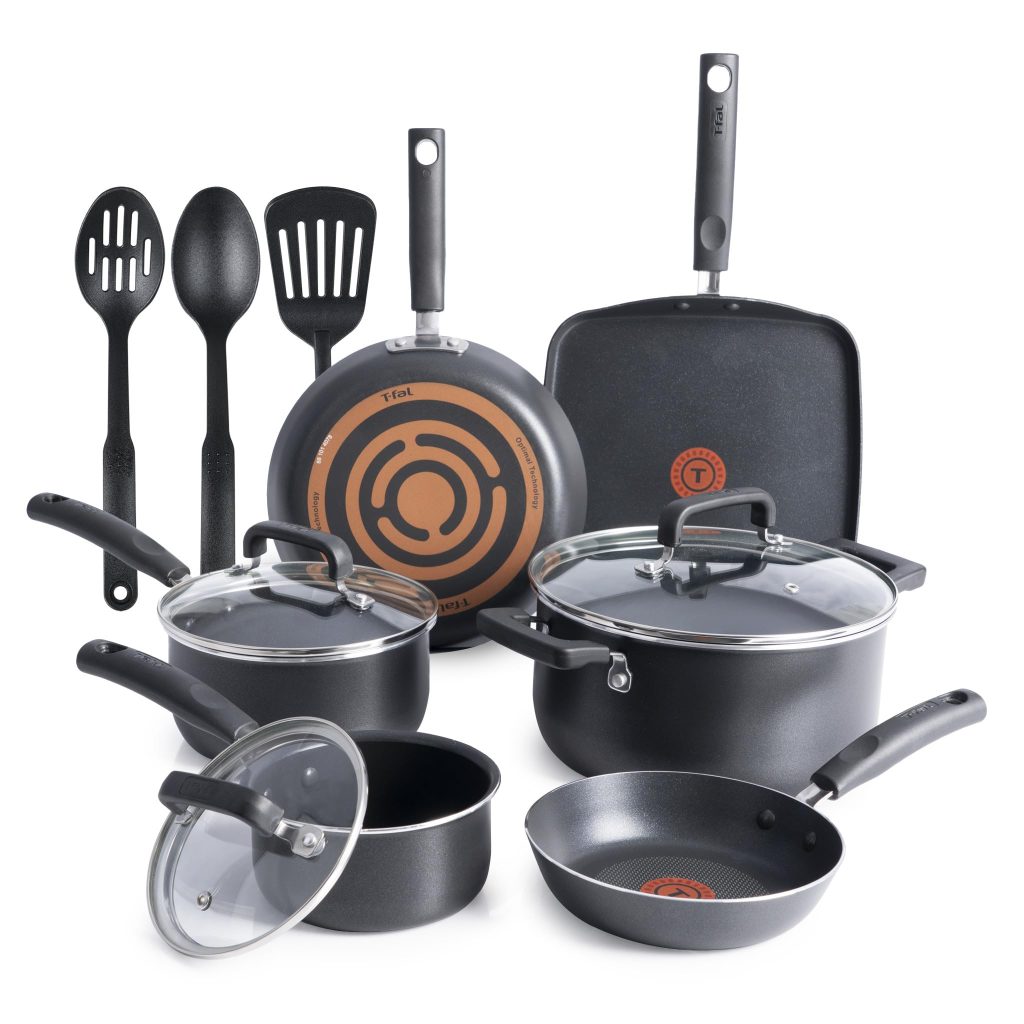
Are you worried about the safety of your cookware? If you’ve been using or thinking about using T Fal non-stick pans, you probably want to know if they are truly safe for you and your family.
You might have heard mixed opinions and felt unsure about the chemicals or coatings involved. This article will clear up the confusion and give you the facts you need to make a confident choice. Keep reading to discover what makes T Fal non-stick pans safe or risky, and how you can protect your health while cooking.
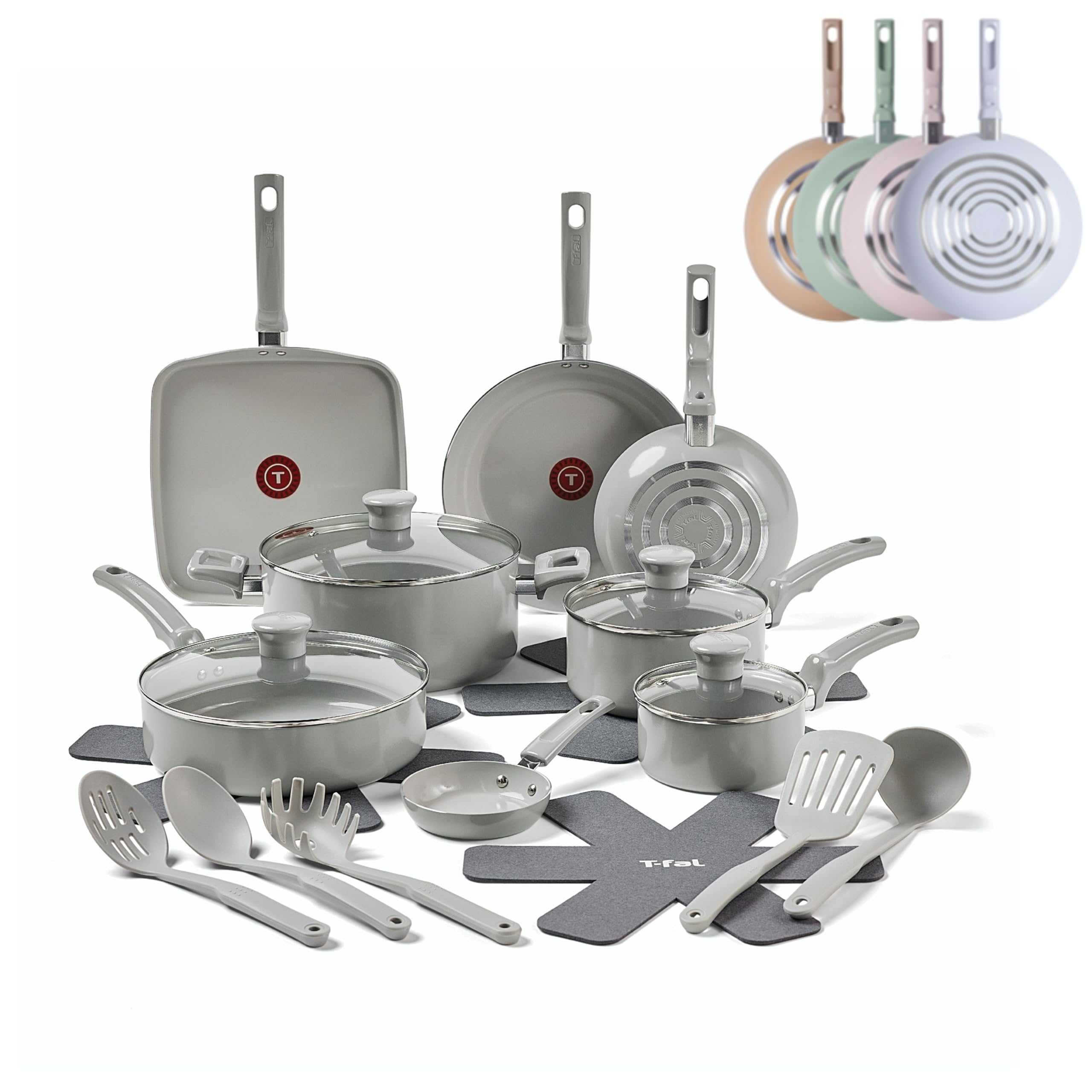
Credit: www.amazon.ca
T Fal Non Stick Coating
T Fal non stick coating is popular for easy cooking and cleaning. It helps food not stick to pans.
This coating is designed to be safe for everyday use in kitchens. Many people wonder about its safety.
Materials Used
The main material in T Fal non stick coating is polytetrafluoroethylene, known as PTFE. It is a type of plastic.
PTFE is non-reactive and heat resistant. It creates a smooth surface that stops food from sticking.
- Polytetrafluoroethylene (PTFE)
- Protective ceramic or titanium layers in some models
- Aluminum or stainless steel base for the cookware
Manufacturing Process
The manufacturing process starts with cleaning the pan surface. This helps the coating stick well.
Then, the PTFE coating is sprayed or rolled onto the pan. It is heated to bond the coating tightly.
- Surface preparation by cleaning and roughening
- Applying base coat to improve adhesion
- Applying the non stick PTFE layer
- Heating or curing to set the coating
- Applying extra layers for durability if needed
Health Considerations
Many people use T Fal non-stick cookware for easy cooking and cleaning. It is important to know if these pans are safe for health. This guide looks at health concerns linked to T Fal non-stick coatings.
This article covers chemical safety and potential risks of using T Fal non-stick products. Understanding these can help you make safe choices in the kitchen.
Chemical Safety
T Fal non-stick pans often use polytetrafluoroethylene (PTFE) coatings. PTFE is safe under normal cooking temperatures. It does not react with food or release harmful chemicals if used properly.
- Avoid heating pans above 500°F (260°C) to prevent breakdown of the coating.
- Do not use metal utensils that can scratch and damage the non-stick surface.
- Replace pans if the coating peels or chips to avoid ingestion of particles.
Potential Risks
Heating T Fal pans too high may release fumes that can cause flu-like symptoms called “polymer fume fever.” These fumes are harmful mainly to birds and sensitive individuals.
| Risk | Cause | How to Avoid |
| Polymer fume fever | Overheating PTFE | Cook below 500°F, ventilate kitchen |
| Coating ingestion | Scratched or peeling surface | Use wooden utensils, replace damaged pans |
| Bird harm | Fumes from overheated pans | Keep birds out of kitchen during cooking |
Durability And Performance
T Fal non-stick cookware is popular for its easy cleaning and cooking features. Understanding its durability and performance helps users know what to expect.
Two key factors affect T Fal’s safety and lifespan: scratch resistance and heat tolerance. These factors determine how well the cookware holds up over time.
Scratch Resistance
T Fal uses a special coating that protects the surface from scratches. This helps keep food from sticking and extends the cookware’s life.
- Use wooden or silicone utensils to avoid damage
- Avoid cutting food directly on the cookware
- Clean gently with soft sponges, not abrasive pads
Heat Tolerance
T Fal non-stick pans can handle heat well, but very high temperatures may harm the coating. Using the right heat level keeps the pan safe.
| Heat Level | Effect on T Fal Coating |
| Low to Medium | Safe and effective cooking |
| High (up to 500°F) | Short-term use is okay |
| Very High (above 500°F) | May damage coating quickly |
Proper Use And Care
T Fal non-stick pans are popular for easy cooking and cleaning. Using and caring for them properly keeps the coating safe and long-lasting.
Follow simple rules for cleaning and handling to avoid damage and keep your pans working well.
Cleaning Tips
Always clean T Fal non-stick pans gently. Harsh scrubbing can ruin the coating. Use mild soap and soft sponges for washing.
- Let the pan cool before washing to avoid warping.
- Use warm water and mild dish soap.
- Clean with a soft cloth or sponge only.
- Avoid steel wool or abrasive scrubbers.
- Dry the pan completely before storing.
Avoiding Damage
Protect the non-stick surface by careful handling. Avoid high heat and sharp tools that can scratch the pan.
| Action | Why Avoid |
|---|---|
| Using metal utensils | Scratches and damages non-stick coating |
| Cooking on very high heat | Coating may break down faster |
| Stacking pans without protection | Leads to surface scratches |
| Cleaning in dishwasher often | Harsh detergents reduce coating life |
Comparing Alternatives
T Fal non-stick pans are popular for easy cooking and cleaning. Still, many people wonder if they are safe. Looking at other options can help you decide what fits your kitchen best.
We will compare T Fal non-stick pans with ceramic coatings, cast iron, and stainless steel cookware. Each type has its strengths and weaknesses.
Ceramic Coatings
Ceramic-coated pans use a layer of ceramic material to prevent food from sticking. They do not contain chemicals like PTFE or PFOA found in some non-stick coatings.
- Heat resistance is higher than many non-stick pans.
- They are free from toxic chemicals.
- Coating can wear off faster with rough use.
- Cleaning is usually easy but may require gentle handling.
- Works well for medium to low heat cooking.
Cast Iron And Stainless Steel
Cast iron and stainless steel pans offer durability and versatility. They do not have a chemical coating, so there is no risk of harmful fumes.
| Type | Pros | Cons |
|---|---|---|
| Cast Iron | Excellent heat retention, can last decades, adds iron to food | Heavy, needs seasoning, not dishwasher safe |
| Stainless Steel | Durable, non-reactive, dishwasher safe | Food can stick without oil, heats unevenly |

Credit: www.amazon.ca
Expert Recommendations
Many people ask if T Fal non-stick pans are safe. Experts say they are safe when used right. The coating is made to prevent food from sticking and to make cleaning easy.
Using non-stick pans properly helps keep them safe and lasts longer. It is important to know how to cook safely and when to replace the pans.
Safe Cooking Practices
Use medium or low heat when cooking with T Fal non-stick pans. High heat can damage the coating and release harmful fumes.
Avoid using metal utensils that can scratch the surface. Use wooden, silicone, or plastic tools instead. Do not heat an empty pan for a long time.
- Cook on low to medium heat
- Use non-metal utensils
- Do not overheat empty pans
- Hand wash gently with a soft sponge
When To Replace Non Stick Pans
Replace your T Fal pan if the non-stick coating is peeling, flaking, or scratched deeply. Damaged pans can release toxic particles into food.
Also, if food starts sticking more than usual, it is time to get a new pan. Proper care can extend the life, but all non-stick pans wear out eventually.
- Peeling or flaking coating
- Deep scratches or damage
- Food sticks despite proper use
- Pan warps or changes shape

Credit: www.amazon.ca
Frequently Asked Questions
Is T Fal Non-stick Coating Safe?
T Fal non-stick coatings are generally safe when used correctly. They are made without PFOA, a harmful chemical. However, overheating can cause the coating to break down. Always use medium to low heat. Avoid metal utensils to prevent scratching the surface.
Proper care ensures safety and longevity.
Can T Fal Pans Cause Health Issues?
T Fal pans are unlikely to cause health issues if used properly. They are designed to be PFOA-free, reducing health risks. Avoid using them on high heat to prevent degradation. Follow the manufacturer’s instructions for safe use. Regular inspections for scratches can help maintain their safety.
Are T Fal Products Pfoa-free?
Yes, T Fal products are PFOA-free, ensuring safer cooking. This means they do not contain this potentially harmful chemical. Opting for PFOA-free cookware minimizes health risks. T Fal’s commitment to safety is reflected in their product design. Always check product labels for confirmation.
How To Maintain T Fal Non-stick Pans?
Maintain T Fal non-stick pans by avoiding metal utensils and high heat. Use wooden or silicone tools to prevent scratches. Hand wash with mild soap and a soft sponge. Avoid abrasive cleaners that can damage the coating. Proper care extends the lifespan of your cookware.
Conclusion
T Fal non-stick pans offer a safe cooking option for most kitchens. Their coating reduces the need for extra oil or butter. Proper care helps keep the non-stick surface intact and safe. Avoid overheating to prevent damage and possible risks.
Choosing T Fal means easier cooking and cleaning. Overall, these pans provide convenience without many health concerns. Simple maintenance makes them last longer and stay safe. Consider your cooking habits to get the best results. Safe cooking should always be a priority in every home.