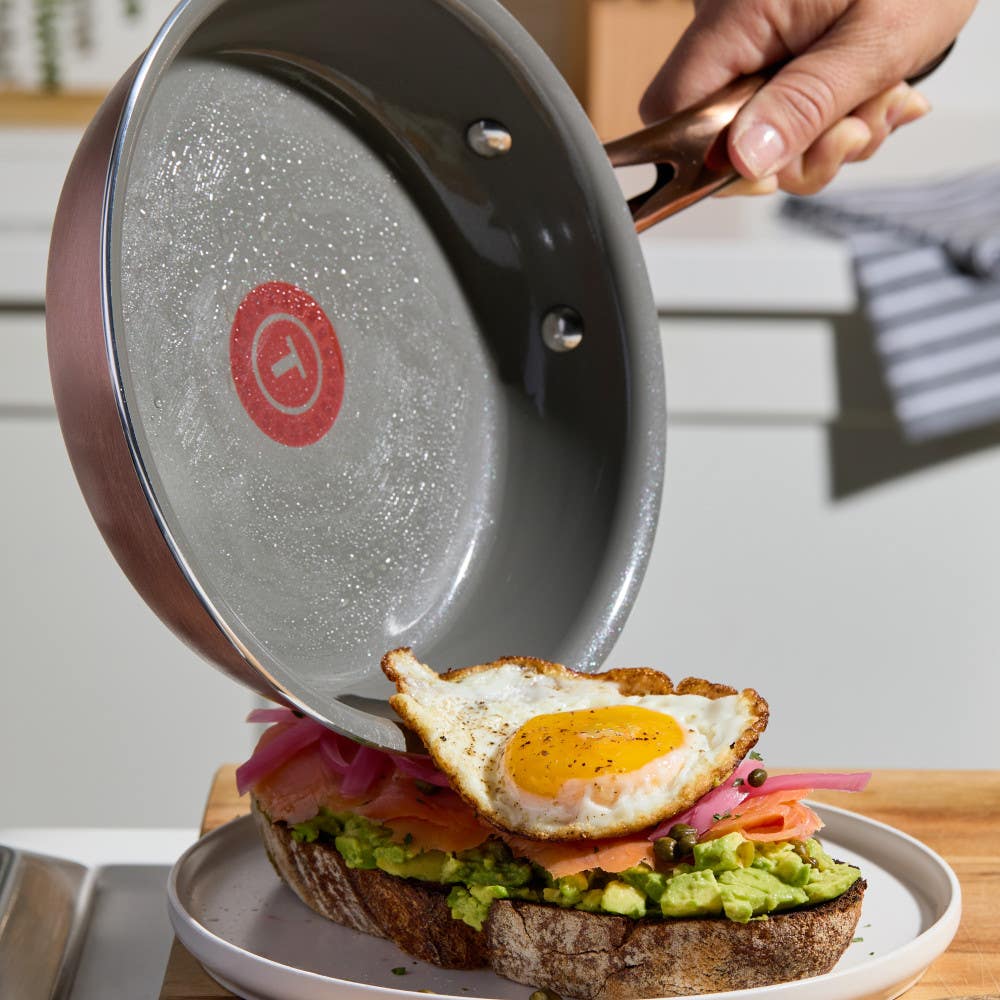
Are you curious about what makes your T-Fal cookware special? You might have heard the term “Teflon” tossed around and wondered if T-Fal products really use it.
Understanding this can help you make smarter choices for your kitchen and health. You’ll discover the truth behind T-Fal and Teflon, so you know exactly what you’re cooking with every day. Keep reading to find out what sets T-Fal apart and how it affects your cooking experience.

Credit: www.t-fal.com
T-fal Teflon Basics
T-Fal cookware often uses Teflon coating to prevent food from sticking. This makes cooking and cleaning easier. Understanding how Teflon works helps you use T-Fal products better.
This guide explains what Teflon coating is and how T-Fal applies it to their cookware.
What Is Teflon Coating
Teflon is a brand name for a non-stick coating made from polytetrafluoroethylene (PTFE). It creates a smooth surface that stops food from sticking. This coating is heat resistant and easy to clean.
- Made from a synthetic polymer called PTFE
- Provides a non-stick surface on cookware
- Resistant to high cooking temperatures
- Helps reduce the need for cooking oil
- Easy to clean after use
How T-fal Uses Teflon
T-Fal applies Teflon coating to many of its pots and pans. The coating is layered carefully to make it durable and safe. This helps the cookware last longer and cook more evenly.
| Feature | Benefit |
| Multi-layer Teflon coating | Improves scratch resistance |
| Even heat distribution | Prevents hot spots while cooking |
| Safe at moderate temperatures | Works well for everyday cooking |
| Easy food release | Makes cleaning quick and simple |
Health Concerns
T-Fal cookware often uses a coating called Teflon. Many people worry about its safety. This section explains health concerns linked to Teflon.
Understanding the risks helps you decide if T-Fal products are safe for your kitchen.
Potential Risks Of Teflon
Teflon is made from a chemical called PTFE. When heated very high, it can break down. This releases fumes that might cause flu-like symptoms.
These symptoms include coughing, chest tightness, and fever. This condition is sometimes called “Teflon flu” or polymer fume fever.
- Overheating Teflon pans above 500°F (260°C) is risky
- Birds are very sensitive to fumes from overheated Teflon
- Regular cooking at normal temperatures is generally safe
Chemical Exposure Explained
Teflon coatings contain chemicals called PFOA and PFAS. These chemicals helped make Teflon non-stick. PFOA is now mostly removed from new Teflon products.
Long-term exposure to these chemicals may cause health problems. Some studies link them to cancer, liver damage, and hormone issues.
- PFOA was a concern but is mostly phased out in T-Fal products
- PFAS chemicals persist in the environment and the body
- Using Teflon pans with care lowers chemical risks
Common Myths
Teflon cookware often faces many myths and concerns. People worry about safety, especially regarding cancer and heat use.
This article clears up common myths about Teflon and its safety in cooking.
Teflon And Cancer Link
Many believe Teflon causes cancer. This fear mainly comes from older studies on chemical exposure. Modern Teflon coatings are safe when used correctly.
- Teflon itself is not cancer-causing.
- Problems arise only if coatings are overheated beyond recommended temperatures.
- Proper use and care prevent harmful effects.
- No clear evidence links normal Teflon use to cancer.
Teflon Safety At High Heat
Heating Teflon pans too high can cause the coating to break down. This releases fumes that may irritate lungs. It is important to follow temperature guidelines.
| Temperature | Effect on Teflon | Safety Advice |
|---|---|---|
| Under 500°F (260°C) | Safe, no fumes | Use normally |
| 500°F – 660°F (260°C – 350°C) | Coating may start to break down | Avoid heating empty pans |
| Above 660°F (350°C) | Fumes released, coating damaged | Do not leave pan unattended on high heat |

Credit: www.t-fal.com
Safe Usage Tips
T-Fal Teflon cookware is popular for easy cooking and cleaning. Use it carefully to keep it safe and last longer.
Follow these tips about cooking temperatures and care to avoid damage and health risks.
Proper Cooking Temperatures
Do not heat T-Fal Teflon pans above medium heat. High heat can break down the non-stick coating.
- Use low to medium heat settings for cooking.
- Avoid preheating an empty pan on high heat.
- Cook food thoroughly but gently to protect the coating.
- Stop using the pan if the coating peels or looks damaged.
Maintenance And Care
Proper cleaning and storage keep your T-Fal Teflon cookware working well for years.
| Care Tip | Details |
| Cleaning | Use soft sponges and mild detergent. Avoid abrasive pads. |
| Drying | Wipe dry immediately to prevent water spots and damage. |
| Storage | Stack pans with soft cloth or paper between them. |
| Utensils | Use wooden, silicone, or plastic tools to avoid scratches. |
Alternatives To Teflon
Teflon is a popular non-stick coating used in cookware. Some people look for other options because of health or environmental concerns. There are several alternatives that work well in the kitchen.
This guide explores two main alternatives: non-Teflon coatings and natural cookware options. Each offers unique benefits for cooking and safety.
Non-teflon Coatings
Non-Teflon coatings provide a non-stick surface without using the chemicals in Teflon. These coatings can be safer and more durable.
- Ceramic coatings: Made from natural minerals, they resist scratching and heat well.
- Enamel coatings: These are glass-like layers baked onto metal, easy to clean and non-toxic.
- Anodized aluminum: This process hardens the aluminum surface to prevent sticking and damage.
- Silicone coatings: Used in bakeware, they offer non-stick properties without chemicals.
Natural Cookware Options
Natural cookware uses materials that do not need coatings. These options are often long-lasting and chemical-free.
| Cookware Type | Key Benefits | Care Tips |
| Cast iron | Excellent heat retention, can last decades | Season regularly to keep non-stick surface |
| Stainless steel | Durable, non-reactive, good for browning | Use oil to prevent sticking |
| Copper | Heats quickly and evenly | Requires polishing to avoid tarnish |
| Ceramic | Natural non-stick when uncoated | Avoid sudden temperature changes |

Credit: www.t-fal.com
Regulations And Standards
T-Fal Teflon cookware meets strict regulations worldwide. These rules ensure safety for daily use. They protect users from harmful substances and unsafe materials.
Understanding these regulations helps buyers trust the product. They also show how T-Fal keeps quality high and risks low.
Safety Guidelines Worldwide
Different countries have safety standards for non-stick coatings like Teflon. These standards limit chemicals such as PFOA and PFOS. They also set rules for heat resistance and durability.
- European Union bans harmful perfluorinated chemicals in cookware.
- United States requires FDA approval for food contact materials.
- Japan enforces strict limits on chemical emissions during use.
- Australia regulates coatings for safe temperature ranges.
T-fal’s Compliance Measures
T-Fal follows all global safety rules to keep products safe. The company tests cookware regularly to meet these standards. It also uses certified materials that pass strict checks.
| Compliance Area | T-Fal Measures |
|---|---|
| Chemical Safety | Uses PFOA-free coatings approved by authorities |
| Heat Resistance | Ensures coatings withstand high cooking temperatures |
| Durability | Performs quality tests for long-lasting use |
| Certification | Maintains international safety certifications |
Frequently Asked Questions
What Is T-fal Teflon Made Of?
T-Fal Teflon is made of a non-stick coating known as polytetrafluoroethylene (PTFE). PTFE is a synthetic fluoropolymer used for its non-stick properties. It’s designed to resist high temperatures and prevent food from sticking to the surface, making cooking and cleaning easier.
Is T-fal Teflon Safe To Use?
Yes, T-Fal Teflon is safe when used correctly. It’s free from PFOA, a harmful chemical found in older non-stick coatings. Ensure not to overheat it beyond 500°F to prevent potential safety concerns. Always follow manufacturer guidelines for optimal safety and performance.
How To Care For T-fal Teflon Cookware?
To care for T-Fal Teflon, use wooden or silicone utensils. Avoid metal tools to prevent scratching. Hand wash with mild detergent and a soft sponge to maintain its non-stick properties. Avoid high heat and always follow the manufacturer’s cleaning and usage instructions for longevity.
Can T-fal Teflon Be Used In The Oven?
T-Fal Teflon cookware is generally oven safe up to 350°F. However, always check specific product guidelines for temperature limits. Handles and lids may have different heat tolerances. Avoid using it under a broiler as extreme heat can damage the non-stick coating.
Conclusion
T-Fal cookware often uses non-stick coatings similar to Teflon. These coatings help food cook without sticking and make cleaning easy. Many people trust T-Fal for everyday cooking needs. Still, always check the product details to know the exact material. Using cookware safely is important to keep your kitchen healthy.
Choose what fits your cooking style best. Remember, good care makes your pans last longer and work better.