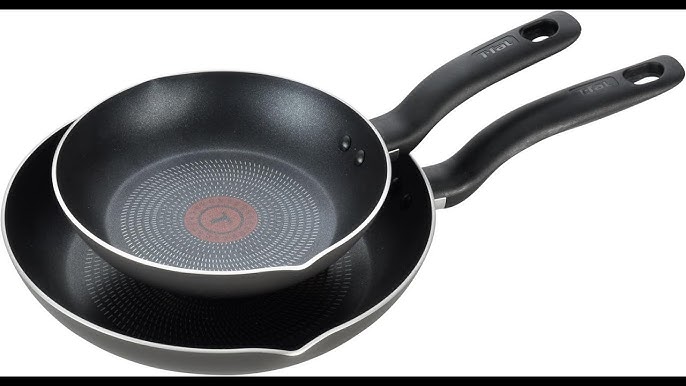
Are you worried about the safety of your cookware? You might have heard people ask, “Is T Fal toxic?”
It’s a question that matters because what you cook in can affect your health. You want to be sure your pans are safe and won’t release harmful chemicals into your food. Keep reading to find out the truth about T Fal cookware and what you should know before using it every day.
Your health and peace of mind are worth it.

Credit: www.amazon.ca
T Fal Brand Overview
T Fal is a well-known brand that makes kitchen tools and cookware. The brand is famous for its non-stick pans and pots.
People often ask if T Fal products are safe to use. This overview explains the brand and its safety features.
History Of T Fal
T Fal started in France in 1956. It grew to become one of the top cookware brands worldwide.
The brand focuses on making cooking easier and safer. It uses technology to improve its products.
T Fal cookware often uses aluminum with a non-stick coating. Some products have stainless steel parts too.
The non-stick coating helps food cook without sticking. It also makes cleaning easier.
- Aluminum for good heat distribution
- Non-stick coating for easy cooking
- Stainless steel for durability
Safety And Toxicity Concerns
Some people worry about chemicals in non-stick coatings. T Fal uses PFOA-free coatings in many products.
PFOA is a chemical once used in non-stick pans. It can be harmful at high levels over time.
- T Fal non-stick pans are mostly PFOA-free
- Using cookware as directed reduces risks
- Do not overheat empty pans
Product Range And Features
T Fal offers many products like frying pans, saucepans, and pressure cookers. Each has features for easy cooking.
Some products have heat indicators to show when the pan is ready to cook. Others have ergonomic handles for comfort.
- Non-stick frying pans
- Hard-anodized cookware
- Pressure cookers and steamers
- Heat indicator technology
Materials Used In T Fal Products
T Fal uses different materials to make its cookware. These materials help with cooking and cleaning.
Knowing the materials helps you understand if T Fal products are safe or not.
Nonstick Coatings
T Fal mostly uses nonstick coatings to stop food from sticking. These coatings make cooking easier.
The common coating is PTFE, also called Teflon. It is safe if you use it right and do not heat it too much.
- PTFE prevents food from sticking
- It works well at medium cooking temperatures
- Overheating can cause fumes, so avoid very high heat
- T Fal often adds a ceramic layer for durability
Metal Components
The metal parts of T Fal products include aluminum and stainless steel. These metals help with heat and strength.
Aluminum heats up fast and spreads heat evenly. Stainless steel adds durability and prevents rust.
- Aluminum core for quick, even heating
- Stainless steel handles for safety and strength
- Some models use stainless steel bases for stability
Common Toxicity Concerns
T Fal cookware often raises questions about safety and toxicity. Understanding the chemicals involved helps clear confusion. This article explains common concerns about T Fal’s materials.
We focus on chemical exposure risks and details about PFOA and PTFE. Knowing these facts helps you decide how safe your cookware is for daily use.
Chemical Exposure Risks
T Fal pans use non-stick coatings that can release harmful chemicals if overheated. High heat may break down these coatings and cause fumes. These fumes can irritate lungs and cause flu-like symptoms in rare cases.
- Avoid heating empty pans on high heat.
- Use low to medium heat settings during cooking.
- Replace cookware if coating starts to peel or chip.
- Ensure good kitchen ventilation when cooking.
Pfoa And Ptfe Explained
PTFE is the chemical that creates the non-stick surface on T Fal pans. It is stable and safe under normal cooking temperatures. PFOA was once used in making PTFE but is now mostly removed due to health concerns.
| Term | Meaning | Safety Notes |
| PTFE | Polytetrafluoroethylene | Safe below 260°C (500°F), non-reactive |
| PFOA | Perfluorooctanoic acid | Linked to health risks, mostly phased out |
Health Impact Studies
T Fal is a popular cookware brand known for its non-stick pans. Many people ask if T Fal is toxic and what health effects it may have. Scientists have done studies to understand the health impact of T Fal products.
This article looks at the main health impact studies related to T Fal cookware. It explains what the research shows about safety and risks.
Chemical Composition And Safety
T Fal pans usually have a coating made of polytetrafluoroethylene (PTFE), also called Teflon. This chemical helps food not to stick to the pan. Studies check if PTFE can release harmful substances.
Research shows that PTFE is stable at normal cooking temperatures. It does not break down or release toxic chemicals if the pan is used properly. High heat above 500°F can cause it to release fumes, which may irritate the lungs.
Potential Health Risks
Some studies focus on the risks from fumes released when overheated. These fumes can cause flu-like symptoms called “polymer fume fever.” This condition is usually temporary and clears up quickly.
- Fumes are more likely if the pan is empty and heated very high
- Proper ventilation reduces any risk
- Using medium or low heat keeps the pan safe
- Damaged or scratched pans may release more particles
Long-term Exposure Studies
Scientists also study long-term exposure to the chemicals in T Fal coatings. These studies check if PTFE or related chemicals cause cancer or other diseases over time.
| Study Type | Result | Notes |
| Animal Studies | No cancer risk at normal use | High doses tested, not typical for cooking |
| Human Studies | No clear link to cancer | Limited data but no evidence of harm |
| Occupational Exposure | Some lung irritation in factory workers | High exposure, different from home use |
Recommendations For Safe Use
Experts give advice on how to use T Fal pans safely. Following these tips can reduce any health risks.
- Do not heat empty pans on high heat
- Use low to medium heat for cooking
- Replace pans if the coating is scratched or peeling
- Ensure good kitchen ventilation
- Do not use metal utensils that can damage the coating
Safe Usage Tips
T Fal cookware is popular for its non-stick surface. Using it safely helps keep your food healthy. Follow simple steps to avoid any risks.
Proper care and correct cooking methods extend the life of your T Fal pans. This guide covers safe cooking temperatures and cleaning tips.
Proper Cooking Temperatures
Using T Fal cookware at the right temperature prevents damage and reduces chemical risks. Do not overheat pans without food inside.
- Cook on low to medium heat for best results.
- Avoid heating empty pans above 500°F (260°C).
- Use a thermometer to check food cooking temperatures.
- Remove food promptly to prevent burning or smoke.
Maintenance And Cleaning
Proper cleaning keeps T Fal pans safe and effective. Avoid harsh tools that can scratch the surface.
| Cleaning Tip | What to Do | What to Avoid |
|---|---|---|
| After Use | Wash with warm soapy water | Do not use steel wool or rough scrubbers |
| Stubborn Stains | Soak in warm water before cleaning | Avoid abrasive powders and harsh chemicals |
| Drying | Dry immediately with a soft cloth | Do not leave wet to prevent rust on metal parts |

Credit: www.youtube.com
Alternatives To T Fal Cookware
T Fal cookware sometimes raises questions about safety and toxicity. Many people look for safer options. Choosing the right cookware can help avoid harmful chemicals in your kitchen.
This guide explores two popular alternatives to T Fal cookware. These options provide durability and health benefits for cooking.
Ceramic Cookware
Ceramic cookware uses a non-stick coating made from natural materials. It does not release toxic fumes when heated. Ceramic pans distribute heat evenly and are easy to clean.
- Free from PTFE and PFOA chemicals
- Good heat retention
- Scratch-resistant surface
- Environmentally friendly production
- Safe for high-temperature cooking
Stainless Steel Options
Stainless steel is a strong and non-reactive metal. It does not leach chemicals into food. Many chefs prefer stainless steel for searing and browning.
| Feature | Ceramic Cookware | Stainless Steel Cookware |
|---|---|---|
| Toxicity Risk | Low | None |
| Durability | Moderate | High |
| Heat Conductivity | Good | Excellent |
| Maintenance | Gentle cleaning needed | Dishwasher safe |
| Non-stick Quality | Yes | No (requires oil) |

Credit: www.amazon.ca
Frequently Asked Questions
Is T Fal Cookware Safe To Use?
T Fal cookware is generally considered safe for cooking. It is made with non-toxic materials and follows safety standards. However, it’s important to avoid overheating or scratching the non-stick surface to maintain safety.
Does T Fal Contain Harmful Chemicals?
T Fal cookware is free from harmful chemicals like PFOA. It uses PTFE for its non-stick coating, which is safe when used correctly. Ensure not to use it at very high temperatures to avoid risks.
Can T Fal Cause Health Issues?
When used properly, T Fal cookware doesn’t pose health risks. It’s important to follow usage instructions. Overheating or damaging the non-stick surface might release fumes, so use it at recommended temperatures.
How Should I Care For T Fal Cookware?
To extend the life of T Fal cookware, avoid metal utensils and high heat. Clean it with a soft sponge and mild detergent. Proper care ensures its non-stick surface remains intact and safe for cooking.
Conclusion
T Fal cookware is generally safe for everyday use. It does not release harmful chemicals when used correctly. Avoid overheating to keep it in good condition. Regular cleaning helps maintain its non-stick surface. Many people trust T Fal for cooking meals.
Choosing the right cookware matters for health and safety. Always follow the manufacturer’s instructions carefully. Cook with confidence and enjoy your food.