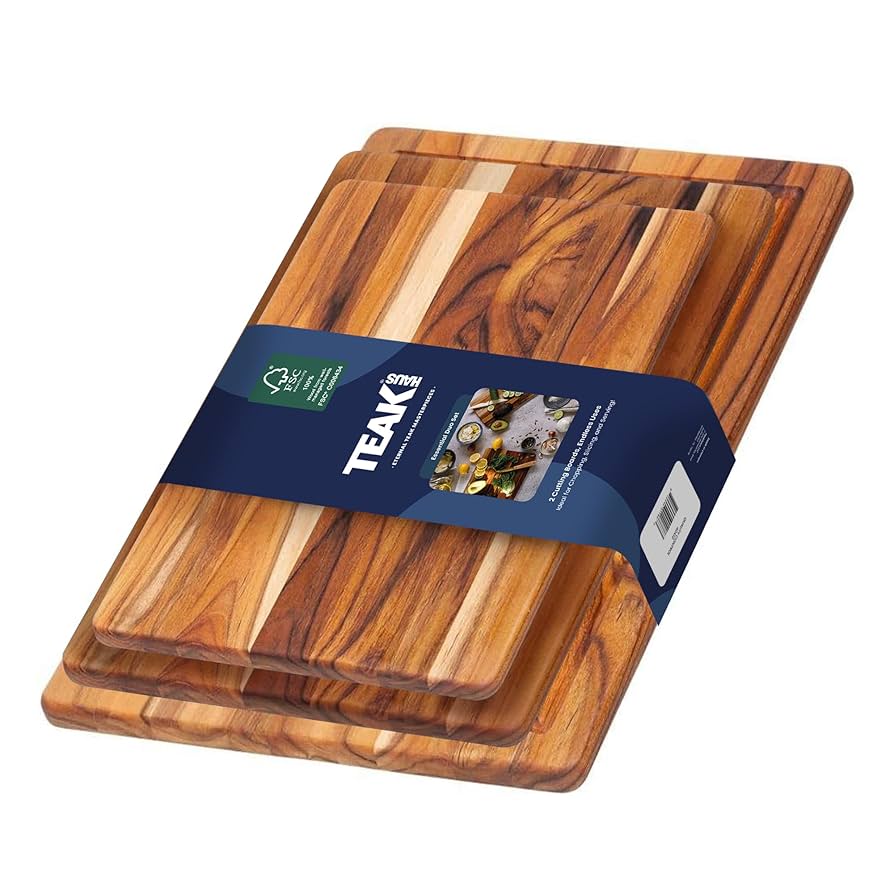
Are you wondering if teak is the right wood for your next cutting board? Choosing the perfect wood isn’t just about looks—it’s about durability, safety, and how it handles your daily kitchen tasks.
Teak has a reputation for being strong and water-resistant, but does it stand up to the wear and tear of chopping and slicing? You’ll discover what makes teak unique, how it compares to other woods, and whether it’s the smart choice for your cutting board.
Keep reading to find out if teak is really the best fit for your kitchen needs.
Teak Wood Properties
Teak wood is a popular choice for cutting boards. Its unique properties make it stand out among other woods. Understanding these features helps to know if it suits your kitchen needs.
This article highlights three main properties of teak wood: durability and hardness, natural oils and water resistance, and grain and texture.
Durability And Hardness
Teak wood ranks high in durability. It can resist dents and scratches from regular knife use. Its hardness protects the board from deep cuts that spoil other woods.
Because teak is strong, a cutting board made from it lasts longer. It can handle daily kitchen tasks without falling apart or warping.
Natural Oils And Water Resistance
Teak wood contains natural oils that help protect it from water damage. These oils make the wood less likely to absorb moisture.
- Prevents wood from swelling or cracking
- Reduces the risk of mold and bacteria growth
- Keeps the cutting board hygienic and safe for food
- Requires less frequent oiling compared to other woods
Grain And Texture
| Aspect | Description |
|---|---|
| Grain | Straight and tight, helps resist knife marks |
| Texture | Smooth but slightly coarse, good for grip |
| Appearance | Golden brown color that darkens with age |
| Maintenance | Easy to clean and maintain with regular oiling |

Credit: www.amazon.com
Safety For Food Use
Teak wood is a popular choice for cutting boards. Its safety for food use depends on several factors. This article looks at key points about teak and food safety.
Understanding the non-toxic nature, resistance to bacteria, and maintenance helps you decide if teak is right for your kitchen.
Non-toxic Characteristics
Teak wood contains natural oils that make it safe for food contact. These oils help keep the wood from drying out and cracking. Teak does not release harmful chemicals when cut or washed.
Resistance To Bacteria
Teak’s dense grain and natural oils reduce bacteria growth. It is less likely to absorb water and food juices. This helps keep the board cleaner and safer for food preparation.
- Natural oils act as a barrier to germs
- Hard surface limits bacteria hiding spots
- Less absorption means less chance for bacteria growth
- Easy to clean with soap and water
Maintenance And Hygiene
Proper care keeps teak cutting boards safe and long-lasting. Regular cleaning and oiling help maintain the wood’s protective qualities.
| Care Step | Details |
| Cleaning | Wash with mild soap and warm water after use |
| Drying | Dry immediately to prevent warping |
| Oiling | Apply food-grade mineral oil monthly to keep wood hydrated |
| Storage | Store in a dry place away from direct sunlight |
Teak Vs Other Woods
Teak is a popular wood for cutting boards due to its durability and natural oils. Comparing it to other woods helps you choose the best material.
This article looks at how teak stands against maple, bamboo, and walnut for kitchen use.
Comparison With Maple
Maple is a common choice for cutting boards because it is hard and has a fine grain. Teak is harder and has natural oils that resist water.
- Maple is less oily, so it needs more oil treatment.
- Teak resists moisture better due to its oils.
- Both woods are gentle on knives.
- Teak has a richer color that can hide stains.
Comparison With Bamboo
Bamboo is a fast-growing grass often used for cutting boards. It is hard but can be rough on knives. Teak is wood and offers a smoother surface.
| Feature | Teak | Bamboo |
|---|---|---|
| Hardness | High | Medium |
| Knife Friendly | Yes | No |
| Water Resistance | Excellent | Moderate |
| Maintenance | Low | High |
| Eco-Friendliness | Moderate | High |
Comparison With Walnut
Walnut is known for its dark color and smooth texture. It is softer than teak and maple, making it easier on knives but less durable.
Here are key points to consider for walnut and teak:
- Walnut is softer and can show knife marks faster.
- Teak’s hardness makes it last longer.
- Both resist bacteria well when maintained properly.
- Walnut has a cooler tone; teak is warmer in color.
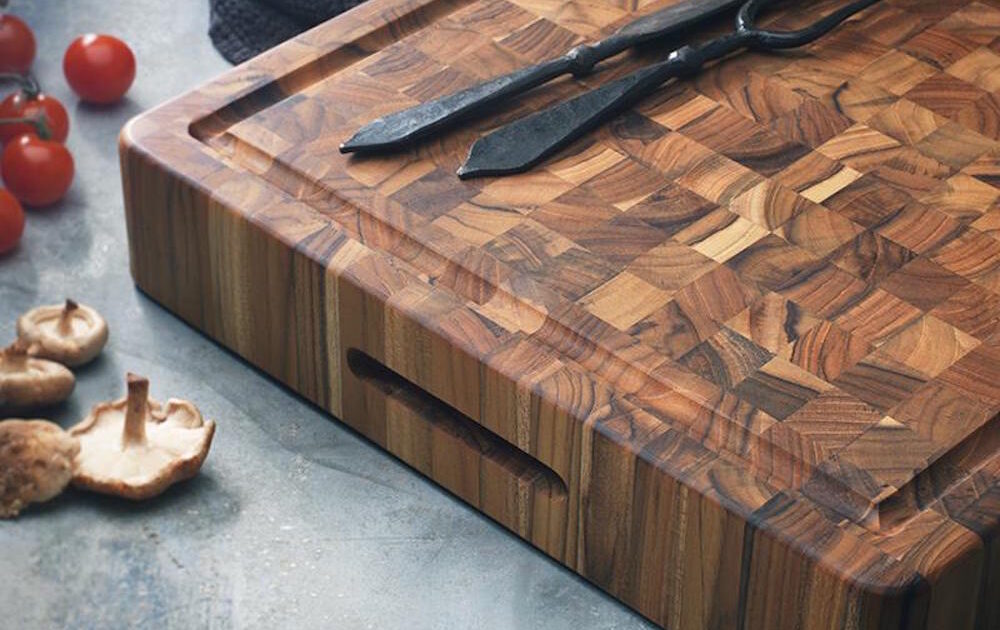
Credit: www.organicauthority.com
Care Tips For Teak Cutting Boards
Teak is a strong wood often used for cutting boards. Taking care of it can keep it looking good and lasting long.
Proper care helps avoid cracks and stains on your teak cutting board. Follow these tips to keep it in top shape.
Cleaning Methods
Clean your teak cutting board after each use to prevent bacteria. Use warm water and mild soap for best results.
Do not soak the board or put it in a dishwasher. This can damage the wood and cause it to warp.
- Wash with warm, soapy water
- Rinse well and dry with a cloth
- Do not soak or use a dishwasher
- Allow to air dry standing up
Oiling And Conditioning
Oiling your teak cutting board keeps the wood from drying out. Use food-safe mineral oil or teak oil for conditioning.
Apply oil evenly and let it soak in. Wipe off any extra oil to avoid sticky surfaces.
- Apply oil once a month or when wood looks dry
- Use a clean cloth to spread the oil
- Let the oil soak for several hours or overnight
- Wipe off excess oil with a dry cloth
Avoiding Damage
Avoid cutting on the same spot to prevent deep grooves. Use both sides of the board to spread wear evenly.
Keep your board away from extreme heat and moisture. These can cause cracks or warping in the wood.
- Rotate the board regularly for even wear
- Do not expose to direct sunlight or heat
- Keep the board dry when not in use
- Avoid harsh knives that can gouge the surface
Environmental Impact
Teak wood is popular for making cutting boards. It looks nice and lasts a long time. The environmental impact of teak wood matters for many buyers.
Using wood that is grown and harvested responsibly helps protect forests and wildlife. It also keeps the air and water clean.
Sustainability Of Teak Wood
Teak trees grow mostly in tropical areas. Some teak comes from natural forests, but many come from plantations. Plantations can be good if managed well.
Sustainable teak means it is grown without harming the environment. This helps keep forests healthy and supports animals living there.
- Plantations reduce pressure on natural forests
- Good forest management protects soil and water
- Replanting trees keeps forests growing
Certification And Sourcing
Certification shows if teak wood is from a trusted source. It proves the wood is harvested legally and responsibly.
Look for marks like FSC or PEFC. These labels mean the wood meets strict environmental rules. They help buyers choose eco-friendly products.
- FSC stands for Forest Stewardship Council
- PEFC means Programme for the Endorsement of Forest Certification
- Certified wood supports healthy forests and fair worker conditions

Credit: choppingboards.in
Frequently Asked Questions
What Makes Teak Suitable For Cutting Boards?
Teak is ideal for cutting boards due to its durability and natural oils. These oils help resist moisture and bacteria. Its dense grain prevents knife marks. Teak’s resilience ensures long-lasting use. Additionally, its beautiful appearance adds elegance to any kitchen.
Does Teak Wood Resist Water Damage?
Yes, teak wood is naturally resistant to water damage. Its high oil content prevents water absorption. This property reduces the risk of warping and cracking. It’s an excellent choice for kitchens with frequent moisture exposure. Proper maintenance enhances its water resistance.
Is Teak Cutting Board Easy To Maintain?
Teak cutting boards are relatively easy to maintain. Regular cleaning with mild soap and water suffices. Occasionally oiling the board preserves its natural oils. This practice prevents drying out and cracking. Avoid soaking in water to maintain its durability.
Are Teak Cutting Boards Knife-friendly?
Teak cutting boards are knife-friendly due to their medium hardness. This characteristic minimizes wear on knife edges. The dense grain prevents deep knife cuts, ensuring a smooth surface. Regular use doesn’t significantly dull knives. Teak is an excellent choice for frequent cutting tasks.
Conclusion
Teak wood offers great durability and natural resistance to water. It stays strong even after many uses. Its smooth surface is gentle on knives. Cleaning teak boards is simple and quick. This wood also resists bacteria well. Teak cutting boards last a long time with care.
They add a warm, natural look to any kitchen. Overall, teak is a smart choice for cutting boards. Practical and beautiful, it fits everyday cooking needs.