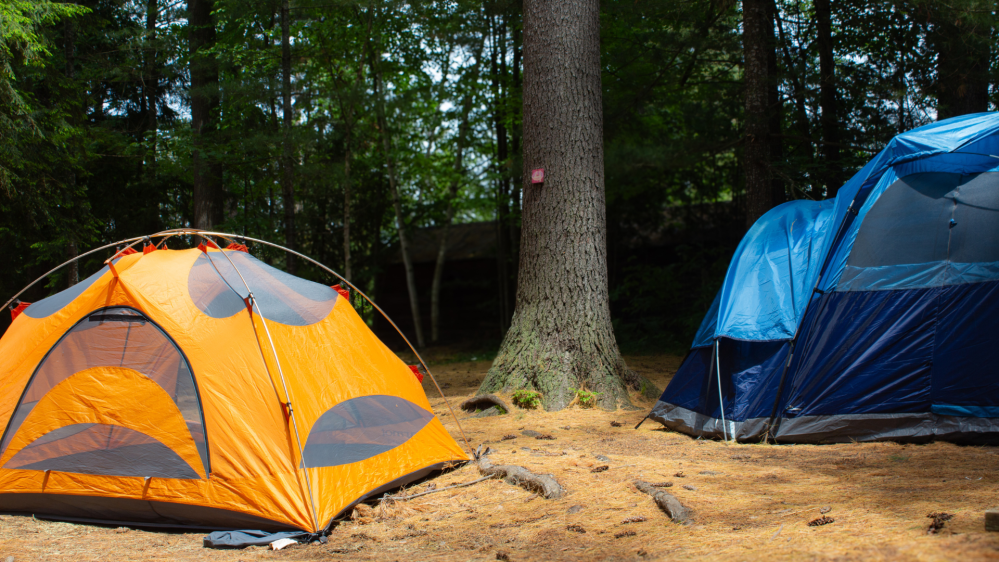
Is tent camping safe? This is a question that might linger in your mind as you prepare for your next adventure in the great outdoors.
You may wonder if sleeping under the stars is a thrilling escape or a risky leap into the unknown. Whether you’re a seasoned camper or a curious beginner, understanding the safety aspects of tent camping is crucial to making the most of your outdoor experience.
In this blog post, we’ll uncover the truth about tent camping safety and provide tips to ensure your nights in nature are as secure as they are exhilarating. Stick with us, and you’ll gain the confidence to embrace the wild with peace of mind.
Assessing Camping Risks
Tent camping is fun but comes with risks. Knowing these risks helps you stay safe. You can enjoy nature and avoid problems.
Check the area and prepare for what might happen. This guide looks at common camping risks to watch for.
Wildlife Encounters
Wild animals can be curious or dangerous. It is important to keep your distance and store food safely. Avoid feeding animals to prevent risks.
- Keep food in sealed containers
- Do not approach or feed wild animals
- Make noise to alert animals of your presence
- Know what animals live in the area
- Carry bear spray if allowed
Weather Hazards
Weather changes can cause dangers like storms or cold nights. Check the forecast and pack clothes for all conditions. A good tent protects you from rain and wind.
| Weather Hazard | Precautions |
| Heavy Rain | Use waterproof tent and rain gear |
| Strong Winds | Secure tent stakes and choose sheltered spots |
| Cold Temperatures | Bring warm clothing and sleeping bags |
| Heat | Stay hydrated and wear light clothing |
Terrain Challenges
Rough ground can cause trips or falls. Choose flat, clear areas for your tent. Avoid places near cliffs or unstable soil.
Here are tips to handle terrain safely:
- Look for level ground to pitch your tent
- Clear rocks and sharp objects before setting up
- Avoid camping near steep slopes or loose soil
- Check for flood risks if near rivers or streams
Credit: creators.yahoo.com
Choosing A Safe Campsite
Choosing a safe campsite is important for a good tent camping trip. A safe site helps protect you from weather and wildlife.
Look carefully at the area before setting up your tent. This keeps you safe and comfortable.
Location Selection
Pick a flat area to place your tent. Avoid spots near cliffs or steep slopes. Check the ground for sharp rocks or roots that can damage your tent or hurt you.
Proximity To Water
Camping close to water is convenient but can be risky. Stay at least 200 feet away from lakes, rivers, or streams. This distance helps you avoid flooding and bugs.
- Reduces risk of flash floods
- Lowers bug problems
- Keeps water clean for drinking
- Prevents soil erosion near water
Avoiding Hazards
| Hazard | What to Do |
|---|---|
| Dead Trees | Do not camp under dead or loose branches |
| Animal Trails | Avoid areas with animal tracks or droppings |
| Low-Lying Areas | Do not camp in valleys or dry riverbeds |
| Steep Slopes | Choose flat ground to prevent sliding |
Check your site for signs of hazards before setting up. Remove sharp objects and clear debris. Always trust your instincts if a spot feels unsafe.
Tent Setup Tips
Setting up your tent correctly keeps you safe and comfortable outdoors. This guide shares simple tips for a good tent setup.
Follow these steps to make sure your tent stands firm and protects you from the weather.
Proper Tent Pitching
Choose a flat area free of rocks and sharp objects. Clear debris from the spot before pitching your tent.
- Lay out the tent footprint or tarp to protect the base.
- Spread the tent body evenly over the area.
- Assemble poles and insert them into the tent sleeves or clips.
- Raise the tent and secure poles to keep it upright.
- Tighten the tent fabric to avoid sagging.
Securing The Tent
Use stakes and guy lines to hold the tent steady. This prevents it from blowing away in strong winds.
| Securing Method | Tip |
|---|---|
| Stakes | Push stakes at a 45-degree angle away from the tent. |
| Guy Lines | Tighten lines and tie them to nearby trees or rocks. |
| Extra Weight | Use heavy objects inside the tent corners if stakes are not possible. |
Weatherproofing
Keep your tent dry and warm by adding layers and sealing openings. Check the forecast and prepare accordingly.
- Use a rainfly to cover the tent and block rain.
- Seal tent seams with waterproof tape.
- Keep the tent door closed during rain or wind.
- Ventilate slightly to reduce inside moisture.
- Clear snow or leaves from the tent roof regularly.
Campfire Safety
Campfires add warmth and light to your camping experience. They also need careful attention to stay safe.
Knowing how to prepare, manage, and put out fires helps prevent accidents and wildfires.
Fire Pit Preparation
Choose a clear spot away from trees and bushes. Use a designated fire pit if possible to contain the fire.
- Clear leaves and sticks around the pit for at least 10 feet.
- Dig a shallow pit to hold the fire safely.
- Keep water and a shovel nearby to control the fire.
- Do not build fires under low branches or on dry grass.
Managing Flames
Keep the fire small and manageable. Large flames can spread sparks and cause danger.
| Action | Reason |
| Use small sticks and dry wood | They burn safely without large sparks |
| Never leave fire unattended | Fire can spread quickly without control |
| Keep children and pets away | They may get too close and risk burns |
| Do not throw flammable liquids | It causes dangerous flare-ups |
Extinguishing Fires
Put out campfires completely before leaving or sleeping. A fire that looks out can still burn underground.
- Pour water slowly over the fire to cool all embers.
- Stir ashes with a stick or shovel to expose hot spots.
- Add more water and stir until no steam or heat remains.
- Feel the area with the back of your hand to check for warmth.
- Never bury a fire; it can keep burning underground.
Food Storage And Wildlife
Keeping food safe while tent camping helps protect you and the animals. Wildlife can be curious and attracted to smells. Proper food storage keeps animals away from your campsite.
Good food storage also stops animals from getting hurt. It reduces risks for both campers and wildlife. Learning safe ways to store food is important for camping in nature.
Using Bear Canisters
Bear canisters are hard containers that hold food and trash. They keep smells inside and animals outside. Using one helps stop bears and other animals from finding your food.
Make sure to close the canister tightly. Store it away from your tent. Place it on flat ground or hang it if needed. This keeps your food safe and your campsite clean.
Hanging Food
Hanging food is a way to keep it out of reach from animals. Use a rope to hang your food bag from a tree branch. The bag should be high and far from the trunk.
- Hang food at least 10 feet off the ground
- Keep it 4 feet away from the tree trunk
- Use a sturdy bag that does not tear easily
- Choose a branch strong enough to hold the weight
This method helps prevent bears and smaller animals from reaching your food. It is important to follow the right steps to keep food safe.
Avoiding Attractants
Keep items with strong smells away from your tent. This includes food, trash, toothpaste, and soap. These smells can attract wildlife to your campsite.
- Store food and trash in sealed containers or bags
- Clean dishes and cooking gear after use
- Do not leave food scraps on the ground
- Use unscented personal care items if possible
Keeping your campsite clean lowers the chance of animal visits. It helps protect both you and the wildlife nearby.
Credit: creators.yahoo.com
Personal Safety Measures
Tent camping can be a fun way to enjoy nature. Staying safe is very important during your trip.
Taking the right safety steps helps you avoid problems and stay prepared for emergencies.
First Aid Essentials
Always carry a first aid kit when camping. It should have basic supplies to treat small injuries.
Knowing how to use the items in your kit can help you act fast in case of an accident.
- Bandages and antiseptic wipes
- Pain relievers and allergy medicine
- Tweezers and scissors
- Insect sting relief
- Emergency contact information
Communication Devices
Bring a phone or radio to stay in touch with others. Good communication can save lives.
Check that your devices work in the camping area. Keep extra batteries or chargers ready.
- Fully charged mobile phone
- Portable power bank
- Two-way radios for no signal areas
- Whistle for signaling help
Traveling In Groups
Camping with friends or family is safer than going alone. Groups can watch out for each other.
Plan your route and stay close to the group. Make sure everyone knows what to do in emergencies.
- Assign a group leader
- Agree on meeting points
- Share emergency plans
- Keep an eye on each other
Emergency Preparedness
Tent camping can be safe if you prepare for emergencies. Knowing what to do helps protect you and your group.
Being ready means checking weather, planning how to leave, and having the right gear. These steps keep you safe in the wild.
Weather Alerts
Weather can change fast when camping. Check weather alerts before and during your trip. This helps you avoid storms and dangerous conditions.
Use a weather app or a portable weather radio. These tools keep you updated on rain, wind, or temperature drops.
- Check forecasts daily
- Listen for storm warnings
- Have a plan for bad weather
Evacuation Plans
Know how to leave your campsite fast if needed. Plan your route to safety before you set up your tent.
Share the plan with everyone in your group. Practice what to do if an emergency happens. This cuts down on panic.
- Find the nearest exit paths
- Mark safe spots like ranger stations
- Decide on a meeting place outside danger
Survival Gear
Bring gear that helps you stay safe in an emergency. This gear can help you survive if you get lost or hurt.
Include items that help with shelter, fire, water, and first aid. Pack light but cover basic needs.
- Flashlight and extra batteries
- First aid kit
- Water filter or purification tablets
- Fire starter tools like matches or lighters
- Emergency blanket or tarp
- Whistle to signal for help
Credit: www.battlbox.com
Frequently Asked Questions
Is Tent Camping Safe For Beginners?
Yes, tent camping is safe for beginners with proper preparation. Choose a safe campsite, bring essential gear, and follow safety guidelines. Always inform someone about your trip and check weather conditions before camping.
How To Stay Safe From Wildlife While Tent Camping?
Store food securely away from your tent to avoid attracting animals. Use bear-proof containers if necessary. Make noise when hiking to alert wildlife. Keep a safe distance and never feed animals.
What Are The Top Safety Tips For Tent Camping?
Check weather forecasts and prepare for sudden changes. Set up your tent on flat, dry ground. Keep a first aid kit handy. Use a flashlight at night and stay aware of your surroundings.
Can Tent Camping Be Safe During Bad Weather?
Tent camping can be safe in bad weather with proper gear. Use a waterproof tent and rainfly. Avoid camping in flood-prone areas and secure your tent against strong winds. Always monitor weather updates.
Conclusion
Tent camping can be safe with the right planning and care. Choose a good campsite and check the weather before you go. Keep your food stored well to avoid animals. Always carry a first aid kit and know basic safety tips.
Stay aware of your surroundings and follow park rules. Camping brings fun and fresh air but respect nature and stay alert. Safety depends on you. Enjoy your adventure with confidence and smart choices.