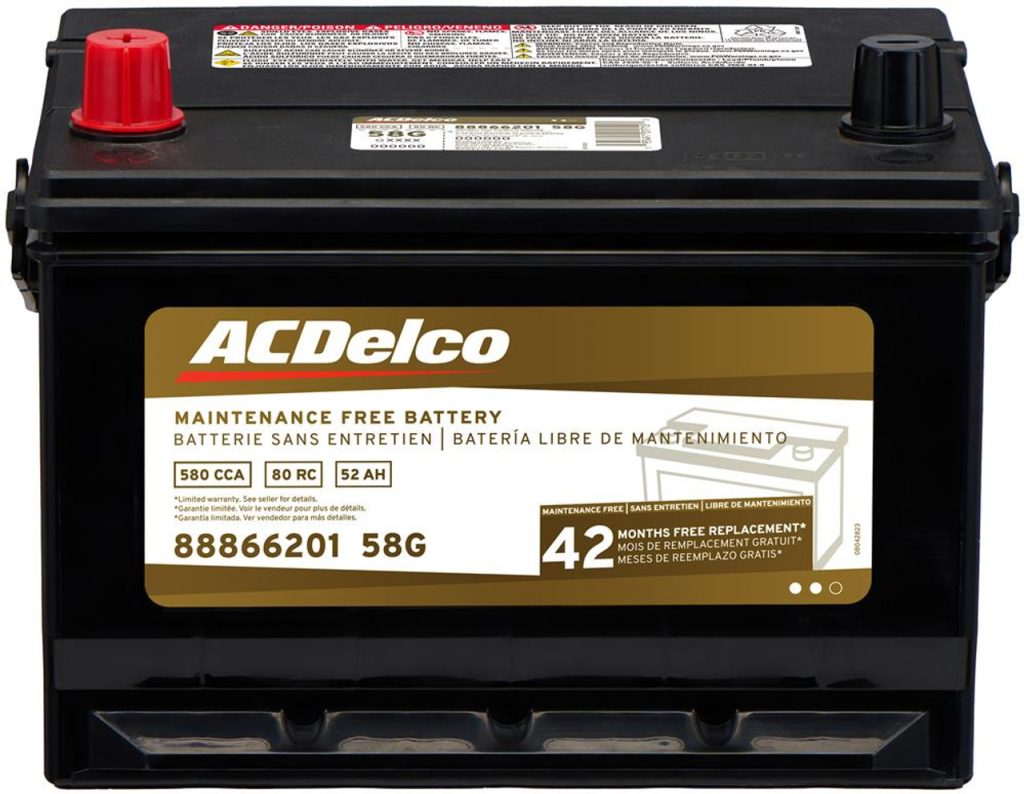
Are you worried about the longevity of your car battery? You’re not alone.
Many car owners face unexpected battery issues, often wondering if a replacement is covered under warranty. Understanding your car’s warranty can save you time, money, and frustration. Imagine the relief of knowing whether your potential expenses are covered before problems arise.
This article will unravel the mystery surrounding car battery warranties and provide you with the clarity you need. Dive in to discover if your car battery is protected, giving you peace of mind on the road ahead.

Credit: www.autodoc.co.uk
Car Battery Warranty Basics
Car batteries come with warranties that protect you from defects. These warranties cover problems caused by faulty parts or poor workmanship.
Knowing the warranty details helps you decide if a battery replacement or repair is free. It also shows what damage or wear is not covered.
Types Of Car Battery Warranties
There are different types of warranties for car batteries. The main types include free replacement, prorated, and limited warranties.
Free replacement warranties give a new battery if the old one fails within a set time. Prorated warranties refund part of the battery cost based on usage. Limited warranties cover only specific issues or parts.
- Free Replacement:Battery is replaced at no cost during warranty period.
- Prorated Warranty:Partial refund depending on how long the battery was used.
- Limited Warranty:Covers specific defects or damages only.
Standard Warranty Periods
Most car battery warranties last between 12 and 36 months. The time depends on the battery type and brand.
Some warranties have a free replacement period followed by a prorated period. This means you get a full replacement early on, then a partial refund later.
| Warranty Type | Duration | Coverage |
|---|---|---|
| Free Replacement | 6 to 24 months | Full battery replacement if it fails |
| Prorated | 12 to 36 months | Partial refund based on usage |
| Limited | Varies | Specific defects or damages covered |
What Warranty Typically Covers
Car batteries are an important part of your vehicle. Warranties help protect you if the battery stops working properly.
It is useful to know what types of problems are usually covered by a car battery warranty. This helps you understand your rights.
Manufacturing Defects
Warranties usually cover problems caused by manufacturing defects. These are faults that happen during the making of the battery.
- Faulty materials used in the battery
- Errors in the battery assembly
- Defective internal components
- Leaks or damage from poor sealing
If a manufacturing defect causes the battery to fail, the warranty often pays for repair or replacement.
Performance Issues
Some warranties also cover performance problems. These include when the battery does not hold charge or loses power too fast.
| Issue | Warranty Coverage |
|---|---|
| Battery fails to start the car | Usually covered if not caused by misuse |
| Battery drains quickly | Covered if caused by defects, not external factors |
| Reduced battery life | May be covered during warranty period |
Common Exclusions In Battery Warranties
Car batteries often come with warranties to protect buyers. These warranties cover defects in materials and workmanship. Not all issues are covered, though.
It is important to know what is not covered. Many warranties exclude damage caused by normal use or other factors.
Wear And Tear
Wear and tear means damage from regular use over time. Batteries lose capacity as they age. This natural decline is not covered by warranties.
Signs of wear include reduced power and shorter battery life. These happen even if the battery is working properly.
Improper Use
Improper use means using the battery in the wrong way. This can cause damage not covered by warranty.
Examples of improper use include:
- Installing the battery incorrectly
- Using wrong charging methods
- Short circuits or electrical faults caused by misuse
- Physical damage like cracks or leaks
Environmental Damage
Environmental damage happens from outside conditions. Most warranties exclude damage from weather or chemicals.
Common environmental causes include:
- Extreme heat or cold
- Water or moisture exposure
- Corrosion from road salt or chemicals
- Damage from accidents or impacts
How To Check Your Battery Warranty
Car batteries often come with a warranty. This warranty protects you if the battery fails early. Checking your battery warranty helps you know your rights and options.
This guide explains how to check your battery warranty. Follow simple steps to find the warranty details.
Reading The Warranty Document
Your battery warranty document has important information. It shows what is covered and for how long. Read it carefully to understand your coverage.
Look for these key details in the document:
- Warranty length in months or years
- Types of problems covered
- Conditions that void the warranty
- Instructions to claim the warranty
Contacting The Manufacturer
If you have questions, contact the battery maker. They can confirm warranty status and help with claims. Use the contact details on the warranty paper or the battery label.
When calling or emailing, have this information ready:
- Battery model and serial number
- Date of purchase
- Place of purchase
- Details about any problems
Steps To Claim Battery Warranty
Car batteries sometimes come with a warranty to protect buyers. Knowing how to claim this warranty saves money. Follow simple steps to get your battery replaced or repaired.
Claiming a battery warranty requires preparation and clear communication. Being ready helps you avoid delays and confusion.
Gathering Necessary Documents
Before claiming the warranty, collect all important papers. These prove your purchase and battery condition.
Common documents include receipts, warranty cards, and your vehicle’s service records. Keep them safe to show the dealer.
- Original purchase receipt or invoice
- Battery warranty certificate
- Vehicle service history showing battery checks
- Identification documents like driver’s license
Dealing With Dealers And Retailers
Contact the place where you bought the battery or car first. They can guide you through their warranty process.
Explain the battery issue clearly and show your documents. Ask about the next steps and expected time for service.
- Call or visit the dealer or retailer
- Present the collected documents
- Describe the problem with the battery
- Follow their instructions for inspection or replacement
- Keep copies of all communications and receipts
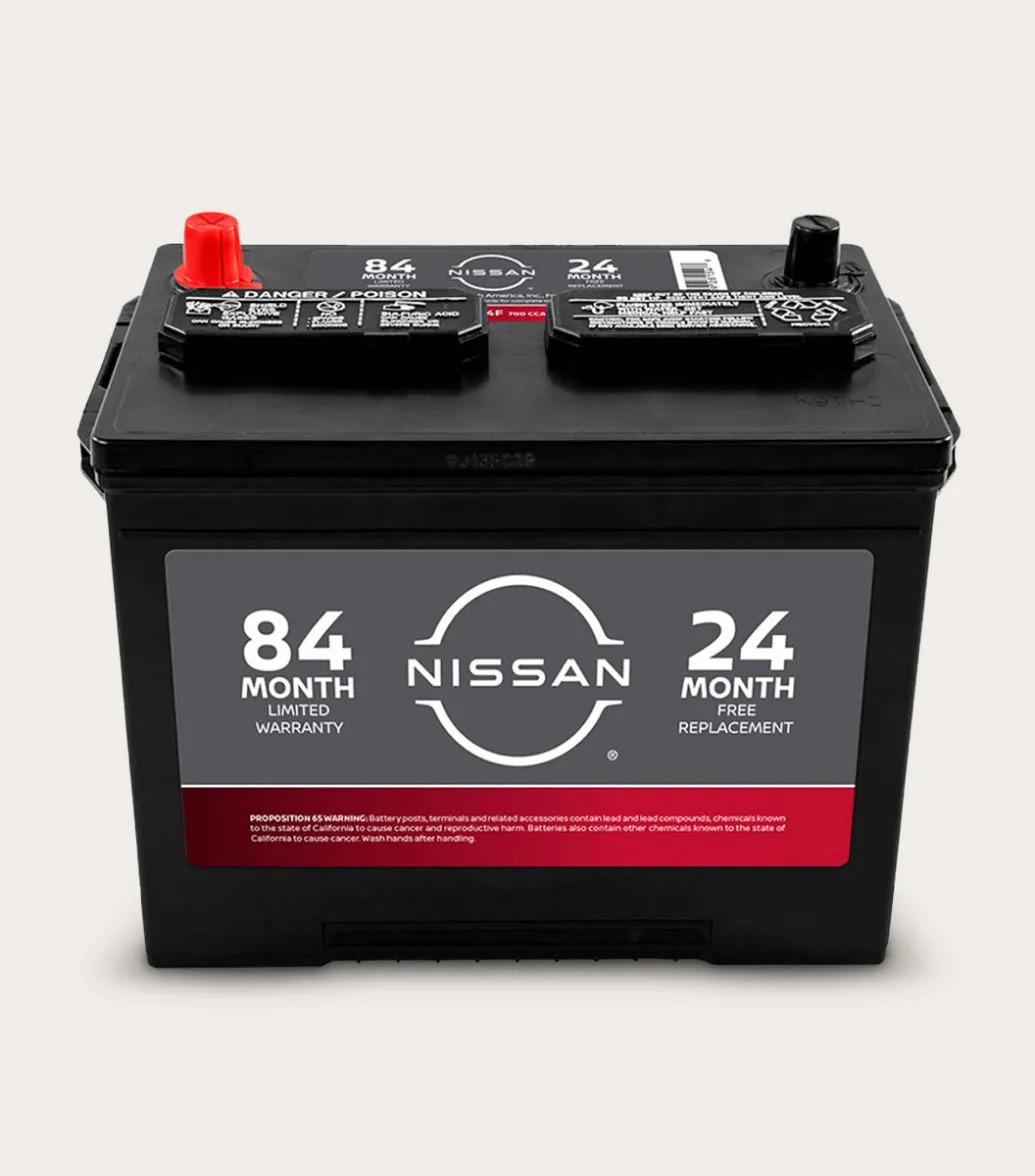
Credit: www.worldcarnissan.net
Tips To Extend Your Battery’s Life
Your car battery works hard every day. Taking care of it helps avoid problems. Simple habits can make your battery last longer.
Learn how to keep your battery healthy with regular checks and smart usage. These tips save money and reduce trouble.
Regular Maintenance
Check your battery often for signs of wear. Clean the terminals to prevent corrosion. Tighten any loose connections to ensure good contact.
- Inspect battery terminals every month
- Clean corrosion with a baking soda mix
- Tighten cables to avoid power loss
- Check battery fluid levels if accessible
- Test battery voltage regularly
Avoiding Battery Drain
Battery drain happens when devices run without the engine on. Turn off lights, radios, and chargers before leaving your car. Short trips can also drain the battery.
| Cause | Effect on Battery |
| Leaving lights on | Drains battery quickly |
| Using accessories without engine | Reduces battery charge |
| Frequent short drives | Stops full battery recharge |
| Faulty charging system | Leads to battery failure |
When To Consider Battery Replacement
Your car battery powers the engine and electrical systems. It wears out over time.
Knowing when to replace your battery saves you from unexpected breakdowns.
Signs Of Battery Failure
Watch for these signs to know if your battery needs replacement soon.
- The engine cranks slowly or struggles to start.
- Dashboard warning lights turn on, especially the battery icon.
- Electrical parts like lights or radio work weakly or erratically.
- Corrosion appears on battery terminals or cables.
- The battery case looks swollen or bloated.
- Car battery is older than three to five years.
Cost Vs. Warranty Benefits
Compare the cost of replacing your battery with what your warranty covers.
| Factor | Battery Replacement Cost | Warranty Coverage |
| Battery Price | $50 to $200 | Usually covered if under warranty period |
| Labor Charges | $20 to $100 | May or may not be covered |
| Warranty Period | N/A | Often 2 to 5 years |
| Conditions | N/A | Must meet usage and maintenance rules |
Credit: autopartia.com
Frequently Asked Questions
Is A Car Battery Usually Covered Under Warranty?
Yes, car batteries are often covered under a limited warranty. Coverage depends on the manufacturer and vehicle type. Typically, warranties last 2 to 3 years or a set mileage. Always check your vehicle’s warranty booklet for specific battery coverage details.
How Long Does Car Battery Warranty Last?
Car battery warranties generally last between 2 to 5 years. The duration varies by brand and battery type. Some warranties offer prorated coverage after the initial full warranty period. Check your battery or vehicle warranty documents for exact time frames.
What Does A Car Battery Warranty Typically Cover?
A car battery warranty usually covers defects in materials and workmanship. It does not cover damage from improper installation or external factors. Replacement or repair is provided if the battery fails within the warranty period due to manufacturing faults.
Can I Claim Warranty For A Dead Car Battery?
Yes, you can claim warranty if your battery dies within the warranty period. Proof of purchase and proper maintenance records may be required. Contact the dealer or manufacturer to initiate the claim process for a replacement or repair.
Conclusion
Car battery warranties vary by brand and dealer. Most cover defects, not damage from misuse. Always check your warranty terms carefully. Keep your battery clean and maintained for best results. Regular checks help avoid unexpected failures. Knowing what is covered saves money and stress.
Stay informed to protect your car’s power source. Remember, good care extends battery life and warranty benefits.