Have you ever spotted a fuzzy caterpillar crawling on your trees and wondered if it could be harmful? When it comes to the Eastern Tent Caterpillar, many people ask the same question: Is it poisonous?
Knowing the answer is important for your safety and peace of mind, especially if you have kids, pets, or spend time gardening. You’ll discover the truth about this common insect and learn how to handle it the right way. Keep reading to protect yourself and your loved ones from any unexpected surprises.
Credit: owlcation.com
Eastern Tent Caterpillar Basics
The Eastern Tent Caterpillar is a common insect found in North America. People often wonder if it is poisonous or harmful.
This caterpillar lives in tents made of silk in trees. It is important to know its features, habitat, and life cycle.
Physical Features
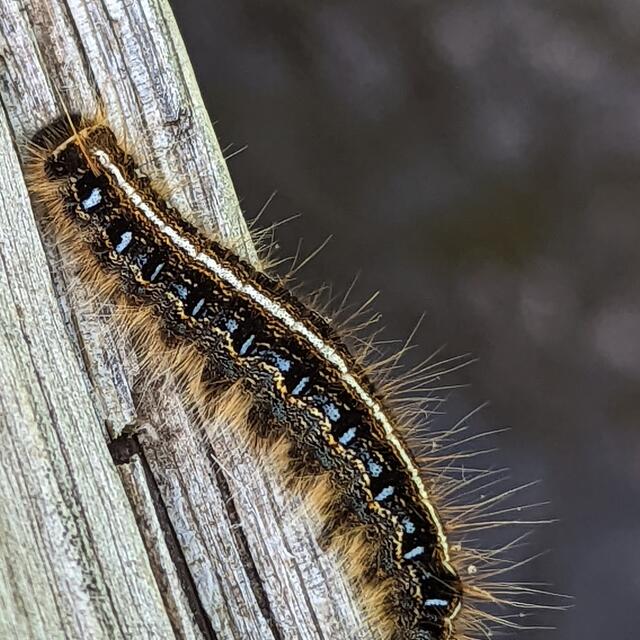
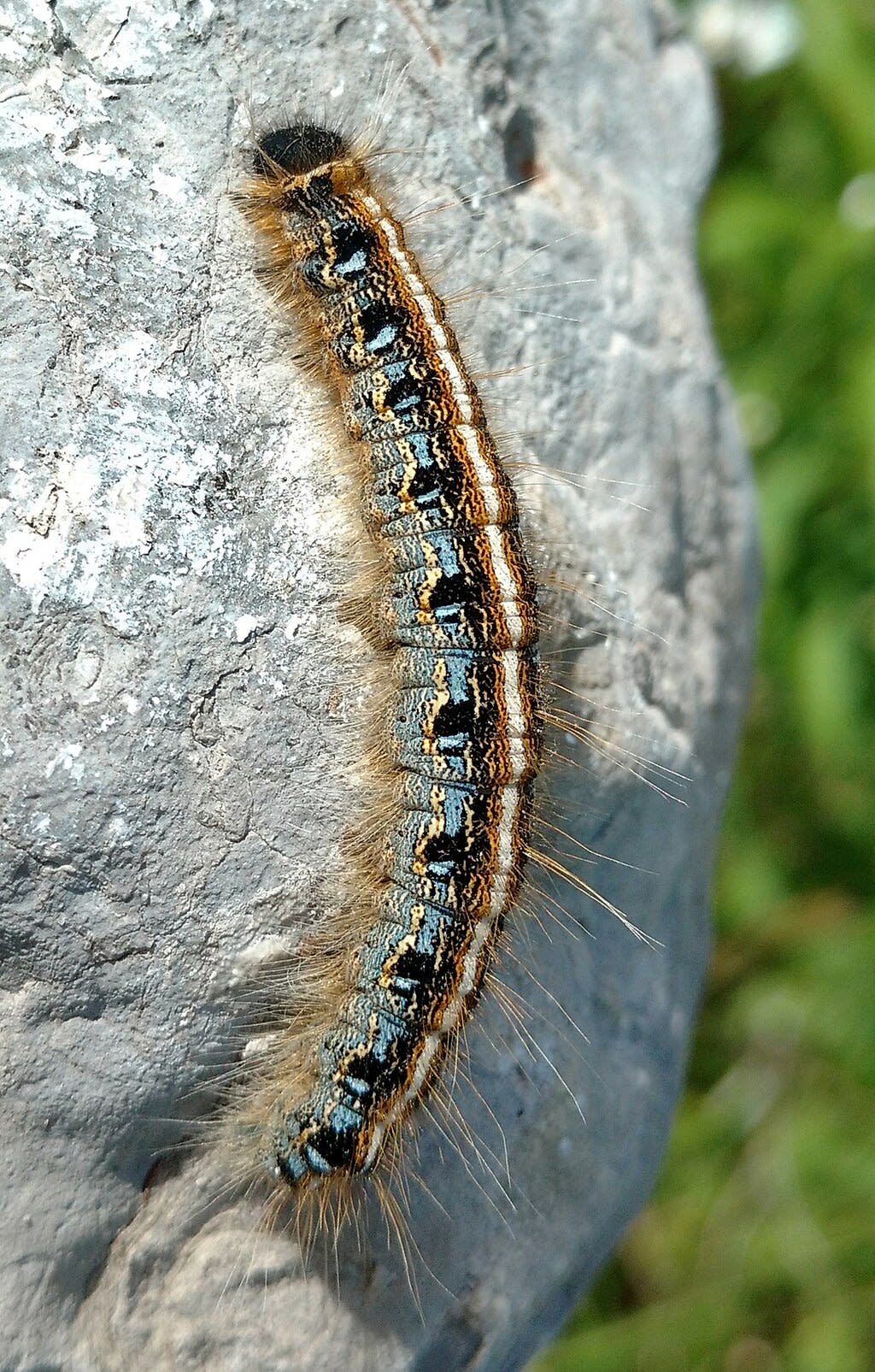
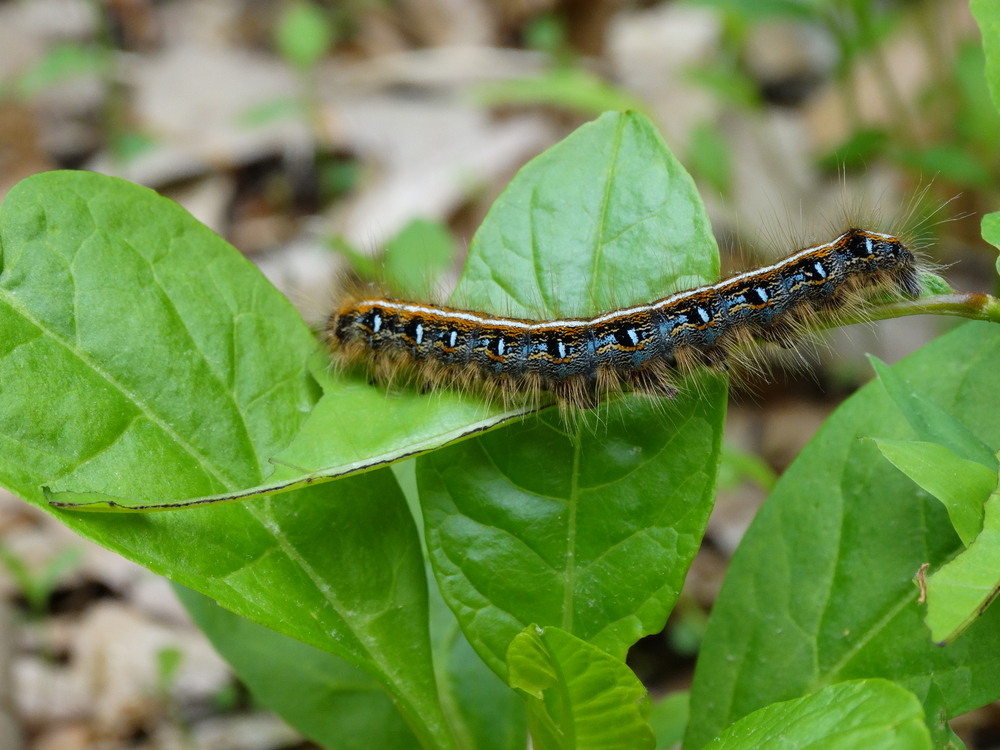
The Eastern Tent Caterpillar has a hairy body with blue and black colors. It has a white stripe down its back with spots.
The caterpillar grows up to 2 inches long. Its hairs can cause mild skin irritation if touched.
- Body length: up to 2 inches
- Color: blue, black, and white stripe
- Hairy body that can irritate skin
Habitat And Distribution
Eastern Tent Caterpillars live mostly in eastern North America. They prefer deciduous trees like cherry and apple.
These caterpillars build silk tents in tree branches to live and protect themselves. They are often found near forests and suburban areas.
- Found in eastern North America
- Live on cherry, apple, and other trees
- Build silk tents in tree branches
- Common in forests and suburbs
Life Cycle Stages
The life cycle has four main stages: egg, larva, pupa, and adult moth. The tent caterpillar is the larva stage.
Eggs hatch in early spring. Caterpillars grow quickly and build tents. After several weeks, they become pupae and then moths.
- Eggs hatch in spring
- Larvae live in silk tents
- Pupae form cocoons on branches
- Adult moths emerge to lay eggs
Credit: www.brodybrotherspestcontrol.com
Toxicity Myths And Facts
The Eastern Tent Caterpillar is a common insect found on trees in North America. Many people wonder if these caterpillars are poisonous or harmful. This article clears up myths and shares facts about their toxicity.
Knowing the truth helps keep you and your pets safe. Read on to learn about effects on humans and animals and to correct common misunderstandings.
Are They Poisonous To Humans?
Eastern Tent Caterpillars are not poisonous to humans. They do not have venom or toxins that cause serious harm. Touching them may cause mild skin irritation or rash in some people.
It is best to avoid handling them with bare hands if you have sensitive skin. Washing hands after contact is a good practice.
Effects On Pets And Animals
Pets like dogs and cats may be curious about these caterpillars. Eating many can cause stomach upset or mild poisoning symptoms. Horses and livestock can also be affected if they eat large amounts.
- Symptoms include vomiting, diarrhea, and drooling.
- Severe reactions are rare but possible.
- If your pet shows signs of illness, contact a vet.
Common Misconceptions
| Myth | Fact |
|---|---|
| They are deadly poisonous to humans. | They are harmless to humans except mild irritation. |
| All caterpillars sting and inject venom. | Eastern Tent Caterpillars do not sting or bite. |
| Pets cannot be harmed by eating them. | Pets can get sick if they eat many caterpillars. |
Allergic Reactions And Safety
The Eastern Tent Caterpillar is common in many areas. People often ask if it is poisonous or dangerous. While it is not venomous, it can cause allergic reactions in some individuals.
Understanding the symptoms and safety tips helps reduce risks. This guide covers skin irritations, ways to prevent contact, and first aid advice.
Skin Irritations And Symptoms
Contact with the caterpillar’s hairs can cause skin problems. Most common symptoms include redness and itching. Some people may develop a rash or swelling. In rare cases, more severe allergic reactions occur.
- Redness around the contact area
- Itching or burning sensation
- Small raised bumps or rash
- Swelling in sensitive skin
- Difficulty breathing (rare)
Preventive Measures
It is best to avoid touching the Eastern Tent Caterpillar. Wear gloves and long sleeves when near them. Keep children and pets away from infested trees. Regularly check yards for nests and remove them safely.
- Wear protective clothing outdoors
- Do not handle caterpillars with bare hands
- Keep windows and doors closed near nests
- Trim trees to reduce caterpillar habitats
- Use caution when removing tents
First Aid Tips
| Symptom | First Aid Action |
|---|---|
| Redness and itching | Wash skin with soap and water |
| Rash or bumps | Apply cold compress to reduce swelling |
| Swelling | Use antihistamine cream if needed |
| Severe reaction (breathing trouble) | Seek emergency medical help immediately |
Removing caterpillar hairs from skin quickly helps. Avoid scratching the affected area. If symptoms worsen, see a doctor.

Credit: www.boston25news.com
Impact On Trees And Gardens
The Eastern Tent Caterpillar is a common insect found in many trees. People often wonder if it is poisonous and how it affects plants.
This caterpillar can harm trees and gardens by eating leaves. Understanding its behavior helps protect plants better.
Feeding Habits
Eastern Tent Caterpillars eat the leaves of many trees. They prefer cherry, apple, and crabapple trees.
They build silk tents in tree branches and feed around these tents during the day. Their feeding can last several weeks.
Damage To Plants
These caterpillars can strip leaves from trees, causing stress to the plants. Leaf loss reduces the tree’s ability to make food.
Young trees and small plants suffer more damage. Severe infestations can weaken trees and slow their growth.
- Leaves become skeletonized or completely eaten
- Tree growth slows down after heavy feeding
- Repeated attacks may cause long-term harm
Control And Management
Remove tents by hand in early spring to lower caterpillar numbers. Destroy the tents to stop them from growing.
Use insecticides if caterpillar numbers are high. Natural predators like birds and wasps also help control them.
- Prune branches with tents early in the season
- Apply insecticides carefully following instructions
- Encourage birds and beneficial insects in your garden
Natural Predators And Benefits
The Eastern Tent Caterpillar is a common insect found in North America. Many people wonder if it is poisonous. This caterpillar is not harmful to humans. It plays an important role in nature.
Natural predators help keep the Eastern Tent Caterpillar population under control. These predators also help balance the ecosystem. The caterpillar provides food for many animals.
Role In The Ecosystem
Eastern Tent Caterpillars are a food source for many birds and insects. They help recycle nutrients by feeding on tree leaves. This feeding can help trees grow new leaves stronger.
These caterpillars also help pollinate some plants as they move. Their tents provide shelter for small animals and insects. This creates a small habitat in the forest.
Predators Of Eastern Tent Caterpillars
Many animals eat Eastern Tent Caterpillars. Birds are the main predators. Some wasps and flies also attack them. These predators stop caterpillars from damaging too many trees.
- Birds like robins and blue jays
- Parasitic wasps that lay eggs inside caterpillars
- Predatory flies that hunt caterpillars
- Small mammals such as shrews
Balancing Their Population
Predators keep the Eastern Tent Caterpillar numbers balanced. This helps protect trees from too much leaf damage. When predators are low, caterpillar numbers can grow fast.
Natural weather changes also affect caterpillar survival. Cold or wet weather can reduce their numbers. This balance helps maintain healthy forests and gardens.
Frequently Asked Questions
Are Eastern Tent Caterpillars Poisonous To Humans?
No, Eastern Tent Caterpillars are not poisonous to humans. They do not produce venom or toxins harmful to people. However, their hairs can cause mild skin irritation in sensitive individuals.
Can Eastern Tent Caterpillars Harm Pets Or Animals?
Eastern Tent Caterpillars are generally not poisonous to pets or animals. Some animals may avoid them due to their hairs, but serious harm is rare.
What Should I Do If I Touch An Eastern Tent Caterpillar?
If you touch one, wash the area with soap and water. Avoid rubbing your eyes or face. Use antihistamine cream if irritation occurs.
Why Do Eastern Tent Caterpillars Form Silk Tents?
They build silk tents for protection and communal living. The tents help them stay safe from predators and harsh weather.
Conclusion
The Eastern Tent Caterpillar is not poisonous to humans. It may cause mild skin irritation for some people. These caterpillars mainly feed on tree leaves. They do not pose a serious health risk. Watching them can be interesting and educational.
Take care when handling to avoid any itching. Nature has many curious creatures like this one. Understanding them helps us live safely together. Stay calm if you see them in your yard. They will not harm your family or pets.