Have you ever wondered if the exhaust from your air conditioner could be harmful to you or your family? When your AC is running, it releases hot air outside, but is that all there is to it?
Understanding what comes out of your air conditioner and whether it poses any risks is important for your health and safety. Keep reading to discover the truth about AC exhaust and learn how to keep your home safe and comfortable.

Credit: www.reddit.com
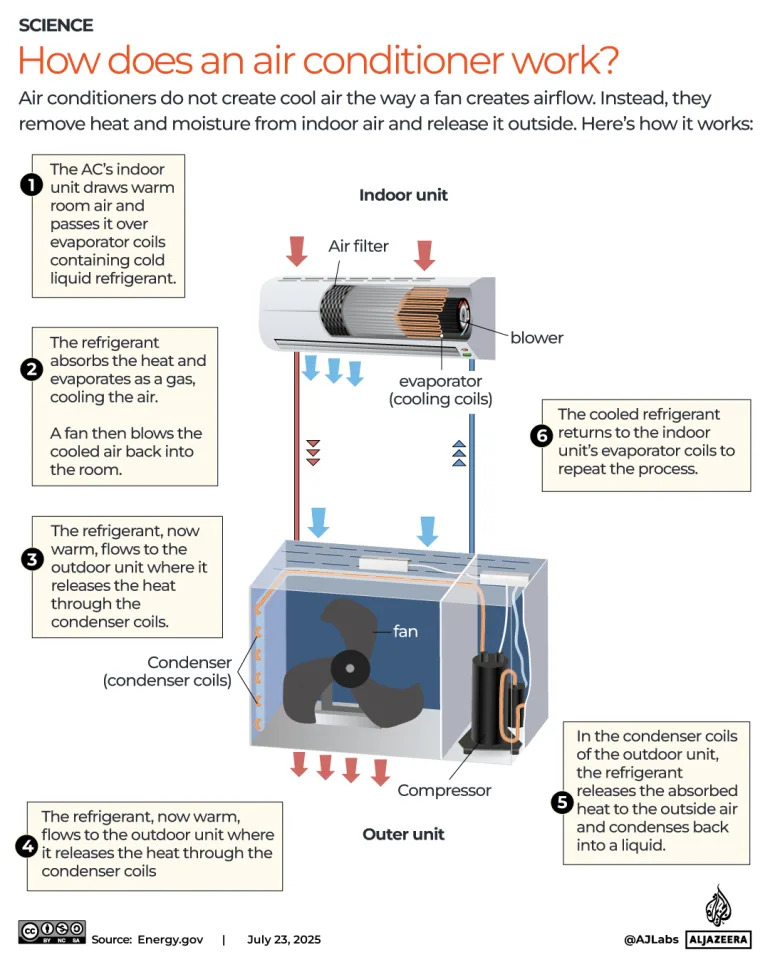
How Air Conditioners Work
Air conditioners cool indoor spaces by moving heat outside. They use a special system to remove warm air and replace it with cooler air.
This process involves several parts working together to keep your home comfortable during hot days.
Cooling Cycle Basics
The cooling cycle moves heat from inside your home to the outside air. It uses a loop of refrigerant that changes between liquid and gas.
- The refrigerant absorbs heat inside the house.
- It becomes a warm gas and flows outside.
- The heat leaves the refrigerant and moves to the outdoor air.
- The refrigerant cools back into a liquid.
- The cycle starts again to keep your home cool.
Role Of Refrigerants
Refrigerants carry heat through the air conditioner. They evaporate and condense at low temperatures to move heat efficiently.
| Refrigerant Property | Function |
| Low boiling point | Allows heat absorption at room temperature |
| Non-toxic | Safe to use indoors |
| Non-flammable | Reduces fire risk |
| Environmental impact | Modern refrigerants have less harm to ozone |
Heat Exchange Process
The heat exchange happens in two parts: the evaporator and the condenser. They help transfer heat out of your home.
How heat moves in the system:
- Warm indoor air passes over the evaporator coil.
- The refrigerant inside the coil absorbs heat.
- The cooled air blows back into the room.
- The refrigerant carries heat to the condenser coil outside.
- Heat leaves the refrigerant and moves to the outside air.
Types Of Air Conditioner Exhaust
Air conditioners release exhaust in different ways. This exhaust can affect indoor and outdoor air quality.
Understanding the types of exhaust helps us know if they are harmful or safe.
Indoor Air Exhaust
Some air conditioners push warm air or odors back inside the room. This is called indoor air exhaust.
It may carry dust, allergens, or small amounts of gases if the system is not clean or well-maintained.
Outdoor Unit Emissions
The outdoor unit of an air conditioner releases hot air as exhaust. This air comes from inside your home.
This exhaust is mostly warm air and does not contain harmful gases if the unit works well.
- Hot air released outside
- No harmful chemicals in normal operation
- May increase outdoor temperature near the unit
Condensate Drainage
Air conditioners remove moisture from the air. This water is called condensate and drains outside or indoors.
Condensate is usually clean water but can carry mold or bacteria if the drain is dirty.
- Water drains from the air conditioner
- Usually safe but can cause mold if not cleaned
- Needs proper drainage to avoid damage
Common Misconceptions About Ac Exhaust
Many people worry about the exhaust from air conditioners. Some think it is harmful or toxic. This article looks at the facts to clear up common misunderstandings.
Understanding what AC exhaust really is helps us see if it poses any risk. We will explain key points and separate myths from reality.
Is Ac Exhaust Toxic?
AC exhaust is mostly warm air and water vapor. It comes from the heat that the air conditioner removes from inside your home.
This exhaust does not contain harmful chemicals or smoke. The refrigerant inside the AC is sealed and does not leak during normal use.
Difference Between Exhaust And Emissions
| Term | Meaning | Example |
| Exhaust | Air or gas released after a process | Warm air from an AC unit |
| Emissions | Pollutants released into the air | Smoke from a car engine |
AC exhaust is not the same as emissions from cars or factories. It does not pollute the air or cause health problems.
Myths Vs Reality
- Myth:AC exhaust contains dangerous chemicals.
- Reality:It is mostly harmless warm air and water vapor.
- Myth:Exhaust from AC units causes air pollution.
- Reality:AC exhaust does not pollute like vehicle emissions.
- Myth:The refrigerant leaks out with the exhaust.
- Reality:Refrigerant stays sealed inside the AC system.
Knowing these facts helps reduce fear about AC exhaust. It is safe and not a health threat under normal use.

Credit: fischerheating.com
Potential Health Risks
Air conditioners are common in homes and offices. Their exhaust can sometimes cause health issues. Understanding these risks helps keep indoor air safe.
This article covers three main risks: refrigerant leaks, indoor air quality, and mold or bacteria growth. Each can affect your health in different ways.
Impact Of Refrigerant Leaks
Refrigerants are chemicals inside air conditioners. If they leak, they can harm your health. Some refrigerants may cause dizziness, headaches, or breathing problems.
- Exposure to leaked refrigerant can irritate eyes and skin.
- High levels may cause nausea or difficulty breathing.
- Certain refrigerants can affect the heart and nervous system.
- Long-term exposure might increase risk of serious health issues.
Indoor Air Quality Concerns
Air conditioner exhaust can lower indoor air quality. It can bring dust, chemicals, and tiny particles inside your home. Poor air quality can cause coughing, allergies, and asthma attacks.
| Pollutant | Possible Health Effect |
|---|---|
| Dust and allergens | Trigger allergies and sneezing |
| Volatile organic compounds (VOCs) | Cause headaches and dizziness |
| Carbon monoxide (from faulty units) | Lead to fainting or worse |
| Particulate matter | Worsen lung diseases |
Mold And Bacteria Growth
Moisture from air conditioners can help mold and bacteria grow. These germs spread through the air and cause health problems. People with weak immune systems or asthma are at higher risk.
- Mold spores can cause allergic reactions and breathing issues.
- Bacteria may lead to infections or flu-like symptoms.
- Dirty filters and vents increase the chance of contamination.
- Regular cleaning helps reduce these health risks.
Environmental Considerations
Air conditioners release exhaust that can affect the environment. This exhaust includes heat and gases from refrigerants. Understanding these effects helps us use air conditioners wisely.
We will look at the impact of refrigerants, energy use, and how to handle old units safely.
Global Warming Potential Of Refrigerants
Refrigerants are chemicals that cool the air inside an AC. Some refrigerants trap heat in the atmosphere. This makes global warming worse.
New types of refrigerants have less impact on the planet. It is important to use these safer options and avoid leaks.
Energy Consumption And Emissions
Air conditioners use electricity to cool buildings. Producing this electricity often creates pollution. The more energy an AC uses, the more emissions it causes.
Using energy-efficient air conditioners helps reduce harmful emissions. It also lowers electricity bills and saves resources.
Proper Disposal And Recycling
Old air conditioners contain refrigerants and metals that can harm the environment. Throwing them away improperly can release dangerous gases.
Recycling and safe disposal prevent pollution. It also recovers valuable materials for reuse.
- Take old AC units to certified recycling centers
- Ensure refrigerants are captured before disposal
- Follow local rules for electronic waste

Credit: greenleafair.com
Safety Measures And Best Practices
Exhaust from an air conditioner can contain harmful substances. It is important to follow safety measures to protect your health. Best practices help reduce any risk from exhaust gases.
Regular care and attention keep your air conditioner safe and efficient. Learn how to maintain your system, detect leaks, and improve ventilation in your space.
Regular Maintenance Tips
Cleaning and checking your air conditioner often reduces dangers from exhaust. Dust and dirt can block airflow and cause leaks.
- Clean or replace filters every 1-3 months
- Inspect the exhaust vent for blockages
- Check the refrigerant levels regularly
- Schedule professional maintenance once a year
- Keep the outdoor unit free from debris
Detecting And Handling Leaks
Leaks in an air conditioner can release harmful gases. Early detection helps avoid health risks and damage to the system.
| Leak Sign | Action to Take |
| Unusual odors near unit | Turn off AC and call technician |
| Sudden drop in cooling | Check for refrigerant leaks |
| Visible oil or moisture | Inspect seals and pipes |
| Hissing sounds | Locate leak and repair quickly |
Improving Ventilation
Good airflow helps remove exhaust and keeps indoor air clean. Proper ventilation lowers the chance of harmful gas buildup.
Ways to improve ventilation include:
- Open windows or doors when possible
- Use exhaust fans in rooms with AC units
- Keep vents clear of furniture or curtains
- Install air purifiers with HEPA filters
When To Seek Professional Help
Air conditioner exhaust can sometimes cause health and safety problems. Knowing when to call a professional can keep you safe. This guide helps you spot issues and choose the right expert.
Ignoring signs of trouble can lead to bigger problems. Learn how to act fast and get the right help.
Signs Of Malfunction
Watch for unusual signs that show your air conditioner’s exhaust may be dangerous. These signs mean you should get professional help quickly.
- Strange smells like burning or gas leaks
- Yellow or flickering exhaust flames
- Excessive moisture or water near the unit
- Unusual noises such as banging or hissing
- Sudden increase in energy bills
- Frequent breakdowns or poor cooling
Choosing Certified Technicians
Pick technicians with the right licenses and experience. Certified experts know how to handle air conditioner exhaust safely.
| Qualification | Why It Matters |
| Licensed HVAC Technician | Ensures proper repair and safety |
| Experience with Exhaust Systems | Knows how to spot hidden dangers |
| Good Customer Reviews | Shows trust and reliability |
| Offers Safety Inspections | Prevents future problems |
Emergency Response Steps
Take quick action if you notice dangerous exhaust signs. Follow these steps to stay safe until help arrives.
- Turn off the air conditioner immediately
- Open windows and doors for fresh air
- Do not use open flames or electrical switches
- Evacuate the area if you smell gas or fumes
- Call emergency services if you feel sick
- Contact a certified technician for inspection
Frequently Asked Questions
Is Air Conditioner Exhaust Harmful To Health?
No, the exhaust from air conditioners is mainly hot air. It does not contain harmful gases or pollutants. Proper ventilation ensures it poses no health risks.
Does Ac Exhaust Release Toxic Gases?
Air conditioners do not emit toxic gases through exhaust. They expel warm air resulting from heat exchange, which is safe for humans and the environment.
Can Ac Exhaust Cause Pollution?
AC exhaust contributes minimally to pollution. The warm air released does not contain pollutants, but the energy source powering the AC may impact the environment.
How To Reduce Ac Exhaust Heat Safely?
To reduce AC exhaust heat, ensure proper outdoor unit placement. Use shading and maintain unit cleanliness for efficient heat dissipation and lower environmental impact.
Conclusion
Air conditioner exhaust is mostly safe and not harmful to breathe. It mainly releases warm air and small amounts of water vapor. Proper ventilation helps keep indoor air fresh and clean. Regular maintenance ensures the unit works well and stays safe.
Knowing how your air conditioner works can ease concerns. Stay aware and take simple steps to protect your home air quality. Clean air feels better and helps everyone stay healthy.