Ever wonder how your kitchen appliances work together? You might be surprised to learn that your garbage disposal and dishwasher could be connected.
This connection isn’t just a random plumbing quirk—it’s a clever design that can make your life a lot easier. Imagine running your dishwasher without worrying about food particles clogging the drain. Sounds convenient, right? We’ll dive into how this connection works and why it matters to you.
You’ll discover not only how these appliances team up to keep your kitchen running smoothly, but also how to maintain them effectively. So, if you’ve ever been curious about the inner workings of your kitchen or want to avoid a plumbing headache, keep reading. You’re about to learn something that could save you time, money, and hassle in the long run.

Credit: kitchencrust.com
How Garbage Disposals Work
Garbage disposals make kitchen cleanup easier by grinding food waste into tiny particles. These devices fit under the sink and connect to the drain system. They help reduce clogs and keep your kitchen smelling fresh. Understanding how they work clarifies their role in waste management.
Basic Mechanism
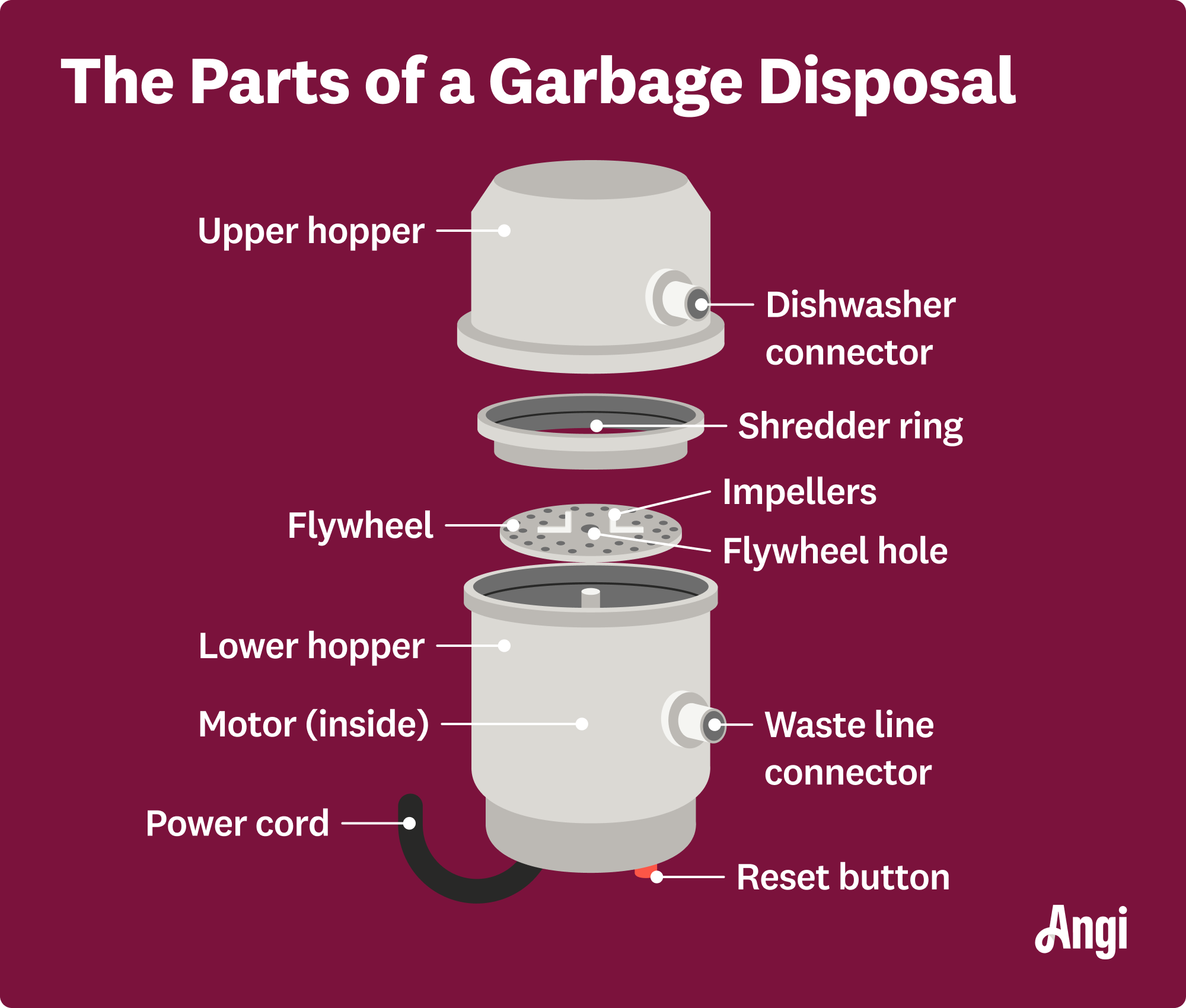
A garbage disposal uses a motor to spin a grinding plate. Food waste enters through the sink drain. The spinning plate breaks food into small pieces. These pieces then wash down the drain with water. The device does not have sharp blades but uses centrifugal force to grind. This process prevents large chunks from clogging pipes.
Common Uses In Kitchens
- Grinding vegetable scraps and fruit peels
- Disposing of small bones and soft food leftovers
- Reducing waste sent to landfills
- Keeping kitchen sinks free from food blockages
Garbage disposals improve kitchen hygiene and convenience. They work quietly and efficiently with regular water flow. Proper use extends the device’s life and prevents damage.

Credit: www.homedepot.com
Dishwasher Drainage Basics
Understanding dishwasher drainage is key to knowing if your garbage disposal connects to your dishwasher. Drainage basics help you spot issues early and keep your kitchen running smoothly. You might be surprised how a small clog or wrong setup can cause big problems.
How Dishwashers Drain Water
Dishwashers push out dirty water through a drain hose after each wash cycle. This hose usually leads to your home’s plumbing system, often connecting to the garbage disposal or directly to the sink drain. The water flows out thanks to a pump inside the dishwasher, which forces it through the hose and into the drain.
Some dishwashers have a built-in air gap or a loop in the drain hose to prevent dirty water from flowing back. This setup stops contamination and keeps your dishwasher clean. If you’ve ever noticed water backing up into your dishwasher, it could be due to a missing or improperly installed air gap.
Importance Of Proper Drainage
Proper drainage prevents water from pooling inside your dishwasher or kitchen sink. Standing water can cause bad smells, mold, and even damage your dishwasher’s motor. It also stops food scraps from clogging your pipes or disposal.
If your dishwasher isn’t draining well, you might see water left at the bottom after a cycle. This can mean a clog, a kinked hose, or an incorrect connection between the dishwasher and garbage disposal. Have you checked your drain hose lately? Simple fixes like clearing a clog or adjusting the hose can save you from expensive repairs.
Connection Between Garbage Disposal And Dishwasher
Understanding the connection between your garbage disposal and dishwasher can save you a lot of hassle during kitchen maintenance. These two appliances often share plumbing components, which can affect how they function together. Knowing how they are linked helps you troubleshoot issues and make smarter decisions about repairs or upgrades.
Typical Plumbing Setup
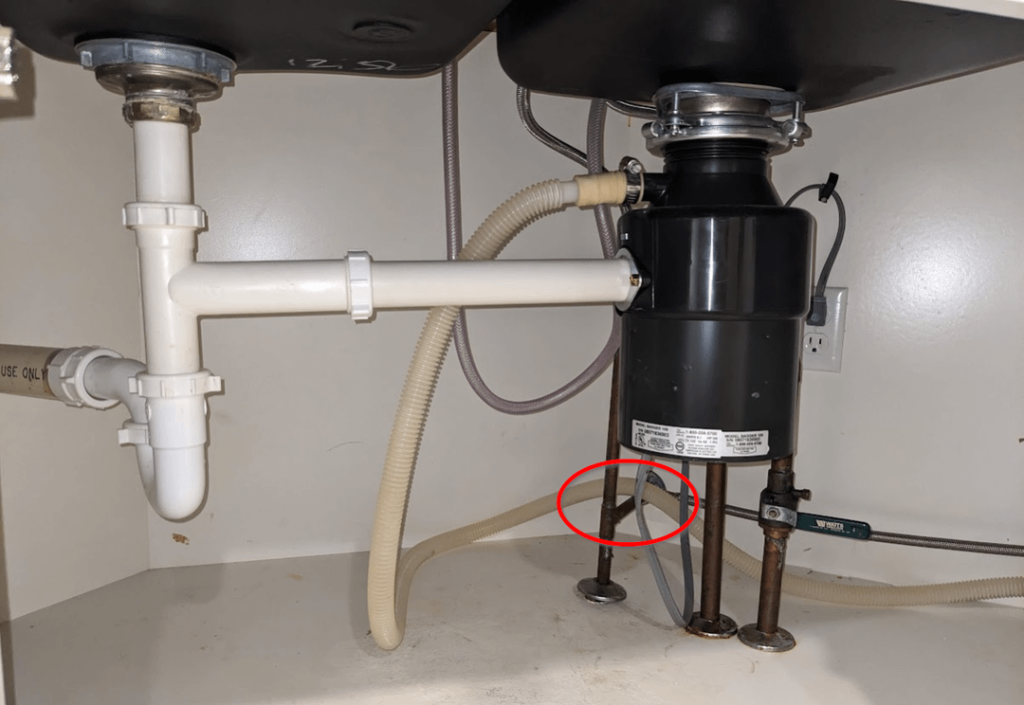
In most kitchens, the dishwasher drains through a small hose that connects directly to the garbage disposal. This hose attaches to a special inlet on the disposal unit. When the dishwasher finishes its cycle, the dirty water flows into the disposal before heading down the drain.
This setup allows the disposal to grind up leftover food particles from both the sink and dishwasher. Without this connection, dishwasher waste would flow straight into the drain pipes, increasing the risk of clogs. Have you ever wondered why your dishwasher sometimes gurgles or drains slowly? The shared plumbing setup often plays a role.
Why They Are Often Linked
Linking the dishwasher to the garbage disposal is practical and efficient. It ensures that food scraps rinsed from dishes get properly ground up, preventing blockages further down the line. This connection also simplifies the plumbing by using one drain outlet instead of separate ones.
From my experience, disconnecting the dishwasher hose from the disposal can cause water to back up, leading to leaks or odors under the sink. Plus, the disposal’s grinding action reduces the chance of pipe clogs caused by food debris from the dishwasher. Have you checked if your dishwasher hose is securely attached to the disposal? It might be the key to smoother kitchen cleanup.
Benefits Of Connecting To The Garbage Disposal
Connecting your dishwasher to the garbage disposal offers several practical advantages that can enhance your kitchen’s functionality. It streamlines waste management and helps keep your sink area cleaner. Let’s look at how this simple connection can make a real difference in your daily routine.
Improved Drainage
When your dishwasher drains into the garbage disposal, food particles are ground up before entering the plumbing. This prevents large debris from causing blockages in the drain pipes. You’ll likely notice water drains faster, reducing the chance of standing water or slow sink drainage.
I once had a dishwasher that drained directly into the sink drain without a disposal. It often clogged, forcing me to call a plumber. After connecting it to the garbage disposal, these drainage issues disappeared almost immediately.
Preventing Clogs
Garbage disposals grind food waste into tiny pieces, which are easier to flush through your pipes. This reduces the risk of tough clogs forming in your dishwasher’s drain hose or kitchen plumbing. Without this connection, leftover food can build up and cause backups.
Think about the last time you scraped plates into the sink. Without a disposal, bits of food can get stuck and lead to clogs. Connecting your dishwasher to the disposal helps avoid these frustrating plumbing problems.
Ease Of Maintenance
With the dishwasher linked to the disposal, you have a centralized point for managing food waste and drainage. This setup simplifies cleaning and troubleshooting if a problem arises. Instead of checking multiple spots, you can focus on the disposal unit to keep things running smoothly.
Plus, running the disposal regularly keeps both the disposal and dishwasher drains fresh and clear. It’s a small step that can save you time and effort on maintenance tasks down the line.
Potential Issues With The Connection
The connection between a garbage disposal and a dishwasher is common in many kitchens. This setup helps drain water and food waste efficiently. Yet, this connection can cause some problems that affect both appliances.
Issues in this area may lead to leaks, clogs, or poor dishwasher performance. Understanding these problems helps keep your kitchen running smoothly and avoids costly repairs.
Common Problems
- Clogged drain hose causing water backup in the dishwasher.
- Leaks at the connection point leading to water damage.
- Garbage disposal jams affecting dishwasher drainage.
- Improper installation causing bad odors or drainage issues.
- Broken or loose hose clamps leading to leaks or disconnection.
How To Troubleshoot
- Check for visible leaks under the sink and around hoses.
- Run the garbage disposal to clear any blockages.
- Inspect the hose connection between the dishwasher and disposal.
- Tighten or replace hose clamps if they are loose or damaged.
- Clean the dishwasher drain filter to improve water flow.
- Ensure the air gap or high loop is properly installed to prevent backflow.
Installation Tips And Best Practices
Installing a garbage disposal connected to your dishwasher requires careful attention to detail. Getting the connections right ensures smooth operation and prevents leaks or clogs. Here are some installation tips and best practices to help you achieve a reliable setup.
Proper Fittings And Seals
Using the correct fittings is crucial when connecting your garbage disposal to the dishwasher drain. You need a dishwasher inlet on the disposal unit that matches your dishwasher’s drain hose size. Make sure to remove the knockout plug inside this inlet before attaching the hose.
Sealing these connections properly is just as important. Use high-quality hose clamps to secure the hose tightly. A loose seal can cause water leaks or let food particles escape, leading to unpleasant odors or damage.
Check for rubber gaskets or washers included with your disposal or hose kit. These small parts create water-tight seals and should never be skipped. If you notice any worn or damaged seals during installation, replace them immediately.
Professional Vs Diy Installation
Deciding between hiring a professional or doing the installation yourself depends on your comfort level and experience. If you are familiar with basic plumbing and electrical work, you might find the DIY route rewarding and cost-effective.
However, improper installation can lead to serious issues like leaks, electrical hazards, or dishwasher malfunctions. Professionals bring expertise and tools that ensure everything fits and works perfectly.
Consider the complexity of your current plumbing setup. If your kitchen plumbing is old or unusual, a professional can save you time and future headaches. Ask yourself: Are you confident handling electrical connections safely? If not, it’s worth investing in professional help.
Alternatives To Connecting The Dishwasher To Garbage Disposal
If you’re wondering whether your dishwasher has to connect to the garbage disposal, the answer is no. There are practical alternatives that can work just as well, depending on your kitchen setup and preferences. These options can help avoid common issues like clogs or unpleasant odors linked to garbage disposals.
Direct Drain Options
One simple alternative is to connect the dishwasher directly to the sink drain without involving the garbage disposal. This setup usually requires an air gap or a high loop in the drain hose to prevent backflow, which keeps dirty water from re-entering your dishwasher.
Direct drains are easy to install and maintain. They reduce the risk of food debris clogging your disposal unit. Have you ever noticed a foul smell coming from your kitchen sink? Using a direct drain can help minimize this problem by eliminating the garbage disposal from the dishwasher’s drainage path.
Separate Drain Lines
Another option is running a completely separate drain line for your dishwasher. This keeps dishwasher wastewater separate from the garbage disposal system, which can be beneficial if your disposal is older or prone to issues.
Separate drain lines require a bit more plumbing work but offer clear advantages. They prevent cross-contamination of water and reduce the load on your garbage disposal. Would you consider this if it meant fewer repairs and less maintenance over time?
Both these alternatives give you flexibility in managing your kitchen drainage. Choosing the right one depends on your current plumbing and how much effort you want to put into installation and upkeep. What’s most important to you: ease of setup or long-term reliability?
Maintenance And Safety Considerations
Understanding how to maintain and handle your garbage disposal when it’s connected to your dishwasher is crucial for long-term use. Proper care prevents clogs, bad odors, and costly repairs. Let’s look at how you can keep both appliances working smoothly and safely.
Regular Cleaning
Cleaning your garbage disposal regularly stops food buildup and odors. Run cold water and grind small ice cubes with a bit of salt to scrape off stuck debris. Citrus peels, like lemon or orange, add a fresh scent and help break down grease.
Don’t forget to flush the dishwasher drain line connected to the disposal. After a cycle, run hot water through the disposal to clear any leftover detergent or food particles. This simple habit keeps both systems running clean and efficient.
Avoiding Damage
Not all dishwasher scraps should go into the disposal. Avoid fibrous foods like celery or potato peels; they can tangle and clog the blades. Hard items such as bones or coffee grounds can dull or damage the disposal.
Check the dishwasher connection regularly for leaks or looseness. A loose hose can cause water damage under your sink. Tighten clamps if you notice any movement to keep everything secure and leak-free.
Safety Precautions
Always switch off the disposal and unplug it before attempting any cleaning or repairs. Never put your hand inside, even if the unit is off—use tongs or pliers to remove objects safely. It’s easy to underestimate how sharp the blades are.
Be cautious about what goes down the disposal to avoid dangerous jams. If your dishwasher is draining slowly, don’t force it; check for clogs in the connection. Keeping safety in mind protects you and extends the life of your appliances.
Credit: www.angi.com
Frequently Asked Questions
Is The Dishwasher Drain Connected To The Garbage Disposal?
Yes, many dishwashers drain through the garbage disposal. This setup helps grind food particles before wastewater enters plumbing. It prevents clogs and keeps kitchen drains clear. Proper installation ensures smooth water flow and avoids backups.
Why Connect Dishwasher To Garbage Disposal?
Connecting the dishwasher to the garbage disposal helps remove food debris efficiently. It reduces the risk of clogged pipes and foul odors. This connection also simplifies plumbing by using a single drain path, improving overall kitchen hygiene and appliance performance.
Can Dishwasher Drain Without Garbage Disposal?
Yes, dishwashers can drain without a garbage disposal. They can connect directly to a dedicated drain pipe or sink drain. However, without disposal, food particles may accumulate and cause clogs. Regular cleaning is necessary to prevent plumbing issues.
How Does Garbage Disposal Affect Dishwasher Performance?
A properly installed garbage disposal improves dishwasher drainage by grinding food waste. It prevents blockages and reduces odors. If the disposal is clogged or faulty, dishwasher drainage may slow or stop, causing leaks or water backup.
Conclusion
Knowing that the garbage disposal is often connected to the dishwasher helps understand your kitchen setup. This connection allows water and food waste to flow smoothly. It keeps your sink clean and reduces clogs. Checking this link can also help if your dishwasher drains slowly.
Simple maintenance can prevent bigger problems later. Now, you can better care for your kitchen appliances and avoid costly repairs. A small step that saves time and effort every day.