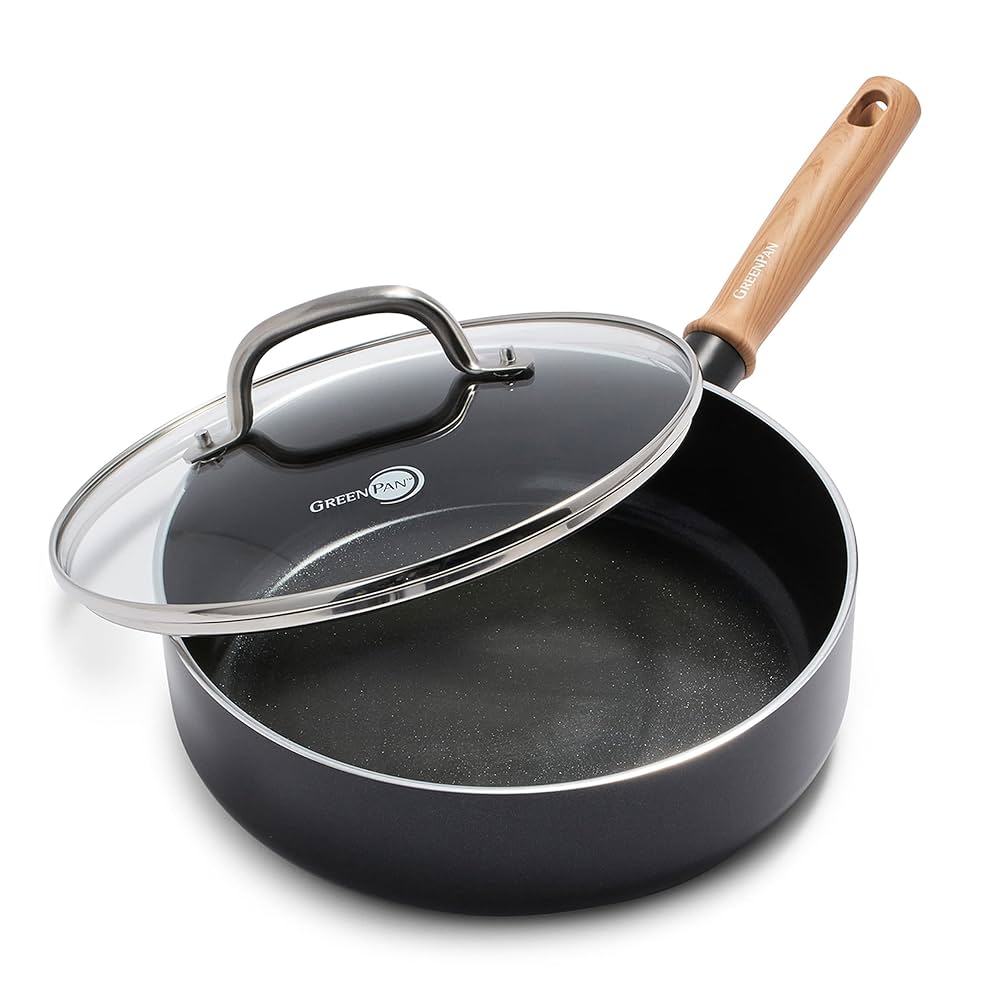
Are you wondering if GreenPan cookware is truly safe for you and your family? You’re not alone.
When it comes to choosing the right pans, safety is one of the biggest concerns. After all, what you cook with can affect your health. You’ll discover everything you need to know about GreenPan’s materials, coatings, and safety features. By the end, you’ll feel confident about whether GreenPan deserves a spot in your kitchen.
Keep reading to find out the truth behind the brand’s safety claims.

Credit: www.amazon.ca
Greenpan Material And Coating
Greenpan cookware uses special materials to cook food safely. Its coating is different from traditional nonstick pans.
This article explains the ceramic nonstick technology, heat transfer, and how strong the coating is.
Ceramic Nonstick Technology
Greenpan uses ceramic nonstick coating made from natural minerals. It does not contain harmful chemicals like PFAS or PFOA.
- The ceramic layer allows food to slide off easily.
- It is free from toxic substances found in some traditional coatings.
- The surface is smooth and safe for cooking.
- The coating is applied in several layers for better performance.
Thermal Conductivity
Greenpan pans have a base that spreads heat evenly. This helps cook food well without hot spots.
| Material | Heat Conductivity | Effect on Cooking |
| Aluminum Base | High | Even heat spread |
| Ceramic Coating | Moderate | Good heat retention |
| Stainless Steel Base | Low | Slower heat spread |
Durability And Scratch Resistance
The ceramic coating is hard and resists scratches better than some nonstick pans. It lasts longer if used carefully.
- Avoid metal utensils to keep the coating safe.
- Use wooden or silicone tools to prevent scratches.
- Hand wash with soft sponges instead of abrasive pads.
- Proper care extends the pan’s life and maintains performance.
Health Implications Of Greenpan
Greenpan is a popular cookware brand that uses ceramic nonstick coating. Many people ask if it is safe to use for cooking. This article looks at the health effects of Greenpan.
We will discuss toxicity concerns, chemical emissions at high heat, and how Greenpan compares with traditional nonstick pans.
Toxicity Concerns
Greenpan uses a ceramic coating free of PTFE and PFOA. These chemicals can release harmful fumes in some nonstick pans. Ceramic coatings are made from natural materials like sand and do not contain these toxins.
Greenpan is considered safer because it avoids these harmful chemicals. Still, users should avoid overheating any pan to keep it safe.
Chemical Emissions At High Heat
All cookware can release chemicals if heated beyond its safe temperature. Greenpan’s ceramic coating can withstand higher heat than traditional nonstick coatings.
- Greenpan ceramic coating resists heat up to 450°C (842°F)
- Traditional nonstick pans may release fumes above 260°C (500°F)
- Overheating any pan can damage the coating and release particles
- Use medium or low heat for safest cooking results
Comparison With Traditional Nonstick Pans
| Feature | Greenpan Ceramic | Traditional Nonstick (PTFE/PFOA) |
|---|---|---|
| Toxic Chemicals | None (PTFE & PFOA free) | Contains PTFE & PFOA |
| Heat Resistance | Up to 450°C (842°F) | Safe below 260°C (500°F) |
| Durability | Good, scratch resistant | Moderate, prone to scratches |
| Risk of Fumes | Low when used properly | Higher at overheating temperatures |
Environmental Impact
Greenpan is a popular brand of cookware known for its non-stick surface. Many people want to know if it is safe for the environment. This section looks at the impact of Greenpan on nature and resources.
We will explore the materials used, how Greenpan is made, and what happens when it is thrown away. This helps understand its true effect on the planet.
Sustainability Of Materials
Greenpan uses ceramic coating instead of traditional chemicals like PTFE. Ceramic is made from natural minerals like sand. It does not release harmful fumes when heated.
The base of Greenpan pans is usually made from aluminum or stainless steel. Aluminum can be recycled many times. Stainless steel also lasts long and can be recycled.
- Ceramic coating is free from harmful chemicals
- Materials used are mostly recyclable
- Natural minerals reduce environmental harm
Manufacturing Process
Greenpan follows strict rules to reduce waste during production. They use less energy compared to some other cookware brands. The process avoids toxic chemicals.
The company focuses on cleaner methods and tries to lower carbon emissions. This helps decrease the overall pollution from making each pan.
- Low energy use during manufacturing
- No toxic chemicals in the process
- Efforts to reduce carbon emissions
End-of-life Disposal
When Greenpan cookware is no longer usable, it should be recycled if possible. The aluminum base can be taken to metal recycling centers. Ceramic coating is harder to recycle.
Throwing Greenpan in the trash is not ideal. The company encourages users to find recycling options. This reduces waste and helps protect the environment.
- Aluminum base is recyclable
- Ceramic coating is not easily recycled
- Recycling reduces landfill waste

Credit: www.amazon.ca
User Experience And Safety Tips
GreenPan cookware offers a non-toxic ceramic coating for safer cooking. Users value its easy cleaning and even heat distribution. Understanding how to use and care for GreenPan will improve safety and cooking results.
Follow safety tips to avoid damage and ensure long-lasting performance. Proper handling helps keep your cookware in good shape and safe for daily use.
Proper Usage And Maintenance
Use wooden, silicone, or plastic utensils to protect the ceramic surface. Avoid metal tools that can scratch the coating. Hand wash GreenPan with a soft sponge and mild detergent.
- Do not use abrasive scrubbers or cleaners
- Avoid sudden temperature changes to prevent warping
- Store pans carefully to avoid scratches
- Preheat on low to medium heat before cooking
Heat Limits And Safe Cooking Practices
GreenPan cookware works best under moderate heat. High heat can damage the ceramic coating and reduce its non-stick properties.
| Heat Level | Safe Cooking Uses |
|---|---|
| Low to Medium | Sautéing, simmering, frying |
| Medium-High | Quick searing, boiling |
| High | Not recommended for long times |
Never leave an empty pan on a hot burner. This can cause overheating and damage the pan. Use oven mitts when handling hot cookware.
Longevity And Performance Over Time
Regular care keeps GreenPan cookware performing well for years. Over time, minor wear may appear but proper use slows this process.
- Check the coating for chips or peeling regularly
- Replace cookware if coating is damaged
- Avoid cooking sprays that can build residue
- Use gentle cleaning methods to extend life
Expert And Consumer Reviews
Many people want to know if Greenpan cookware is safe. This review looks at expert opinions and consumer feedback. It covers key areas like kitchen use, customer happiness, and common problems.
We focus on real experiences and facts to help you understand how Greenpan performs in daily cooking and its safety features.
Professional Kitchen Feedback
Chefs and kitchen experts have tested Greenpan products in busy kitchens. They note the cookware heats evenly and cleans easily. Many appreciate the ceramic non-stick surface as a safer alternative to traditional coatings.
Some professionals mention that Greenpan pans require gentle care to avoid damage. They recommend using wooden or silicone utensils and avoiding high heat for best results.
Customer Satisfaction And Complaints
Consumers share mixed experiences with Greenpan. Many praise the non-stick quality and ease of cleaning. Others report issues with coating wear over time. Most complaints relate to durability and price.
- Easy food release and cleaning
- Safe ceramic coating free from harmful chemicals
- Coating may peel or scratch with heavy use
- Handle attachment issues reported by some users
- Costs more than average cookware
Common Issues And Remedies
Greenpan cookware can face common problems, but simple fixes exist. Using lower heat and proper utensils helps extend the life of the pans. Avoiding metal tools can prevent scratches.
| Issue | Cause | Solution |
| Coating scratches | Using metal utensils | Use wooden or silicone tools |
| Handle loosening | Frequent use and heat | Tighten screws or contact support |
| Food sticking | High heat or damage | Cook on medium heat and season pan |
| Discoloration | Overheating or detergent use | Clean with mild soap and avoid high heat |

Credit: www.amazon.ca
Frequently Asked Questions
Is Greenpan Cookware Non-toxic?
Yes, Greenpan cookware is non-toxic. It uses a ceramic non-stick coating called Thermolon. This coating is free from harmful chemicals like PFAS, PFOA, lead, and cadmium. It ensures a safer cooking experience without releasing toxic fumes, even if overheated. Greenpan is committed to providing eco-friendly and health-conscious cookware.
Does Greenpan Use Safe Materials?
Yes, Greenpan uses safe materials. Their cookware features Thermolon, a ceramic non-stick coating. This coating is free of PFAS, PFOA, lead, and cadmium. The base materials are also chosen for safety and sustainability. Greenpan ensures that their products are both eco-friendly and safe for everyday cooking.
Is Greenpan Dishwasher Safe?
Most Greenpan cookware is dishwasher safe. However, hand washing is recommended to prolong its lifespan. Using a gentle detergent and soft sponge preserves the non-stick coating. Avoid harsh chemicals or scrubbing pads. Always check the specific product guidelines, as some items may have different care instructions.
Can Greenpan Handle High Heat?
Yes, Greenpan can handle high heat. Its Thermolon ceramic coating withstands temperatures up to 450°C (850°F). However, moderate heat is recommended for optimal performance and longevity. This prevents damage to the non-stick coating. Always follow the manufacturer’s instructions for best results and to ensure safety.
Conclusion
Greenpan offers a safer cooking option with its non-toxic materials. It heats evenly and cleans up easily. Many users trust it for everyday use. Its ceramic coating avoids harmful chemicals found in some pans. You can cook without worrying about toxins.
Choosing Greenpan means choosing a healthier kitchen. Safe cooking does not have to be complicated. Give it a try and see the difference yourself.