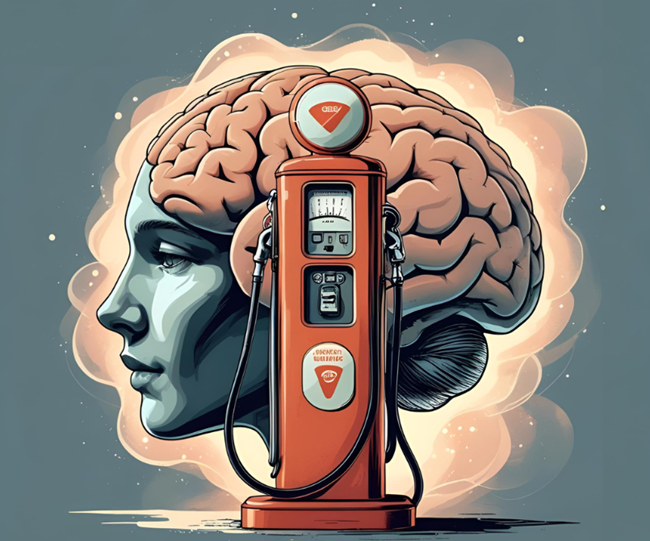
Have you ever wondered what powers your brain and keeps your nervous system running smoothly every second of the day? Understanding the primary fuel for your nervous system is key to unlocking better focus, energy, and overall brain health.
You’ll discover what your nervous system truly needs to function at its best—and how giving it the right fuel can transform the way you think, feel, and perform. Keep reading to learn the surprising truth that could change the way you care for your mind and body.
Credit: www.droracle.ai
Brain Energy Basics
The brain needs energy to work well every day. It uses fuel to think, learn, and remember.
This energy comes from food we eat. The brain turns this food into power for cells.
What Fuels The Brain
The brain mostly uses glucose as its main fuel. Glucose is a type of sugar from food.
It travels through the blood to the brain. Brain cells use glucose to make energy quickly.
Role Of Glucose
Glucose is the primary energy source for brain cells. It helps neurons send signals fast.
Without enough glucose, brain functions slow down. It can affect thinking and memory.
- Glucose comes from carbs like bread and fruit
- Brain uses glucose to produce ATP, the energy molecule
- Glucose supply must be steady for best brain work
Alternative Energy Sources
The brain can also use other fuels when glucose is low. Ketones are one such source.
Ketones form when the body breaks down fat. The brain can use ketones for energy too.
- Ketones help during fasting or low-carb diets
- Lactate is another fuel from muscles during exercise
- These sources support brain function when glucose is scarce
Credit: medium.com
Glucose And The Nervous System
Glucose is a key energy source for the nervous system. It fuels the brain and helps neurons function properly.
Understanding how glucose impacts the nervous system is crucial. It affects brain function and overall health.
Glucose Metabolism In Neurons
Neurons use glucose to produce energy. This process is called glucose metabolism.
Glucose is broken down in the cells to release energy. This energy is vital for neuron activities.
- Glucose enters neurons through transporters
- It is converted into energy via glycolysis
- Energy helps in signal transmission
Impact On Brain Function
The brain depends on glucose for energy. Proper glucose levels help maintain cognitive functions.
Low glucose can affect memory and focus. High glucose levels can cause damage over time.
| Normal Glucose | Optimal brain function |
| Low Glucose | Impaired memory |
| High Glucose | Potential brain damage |
Glucose Transport Mechanisms
Glucose reaches neurons through transport mechanisms. These include special proteins called transporters.
Transporters regulate glucose intake. They ensure neurons get the right amount of glucose.
- Glucose transporters are essential for neuron health
- They help maintain stable glucose levels
- Proper function prevents energy deficits
Ketones As Brain Fuel
The brain usually uses glucose for energy. But it can use ketones too. Ketones are molecules made when the body burns fat.
This happens during fasting or low-carb diets. The brain can run well on ketones instead of glucose.
When Ketones Become Primary
The brain shifts to ketones when glucose is low. This can happen during fasting, long exercise, or a ketogenic diet. The body breaks down fat into ketones.
These ketones cross into the brain and provide energy. This change helps the brain keep working even without much glucose.
Benefits Of Ketone Utilization
- Provides steady brain energy without sugar spikes
- May improve focus and mental clarity
- Supports brain health during low glucose supply
- Reduces oxidative stress in brain cells
- Can help protect against some neurological diseases
Ketogenic Diet Effects
The ketogenic diet raises ketone levels in the blood. This diet is high in fat and very low in carbs. It changes how the brain gets energy.
| Effect | Description |
| Increased Ketone Production | More ketones available for brain fuel |
| Reduced Glucose Use | Brain relies less on glucose |
| Improved Mental Focus | Steady energy supply supports concentration |
| Neuroprotection | May lower risk of seizures and brain disorders |
Energy Supply And Cognitive Performance
The brain needs a steady supply of fuel to work well. This fuel powers thinking, memory, and focus.
Glucose is the main energy source for the nervous system. It helps keep the brain active and sharp.
Link Between Fuel And Focus
Glucose fuels the brain cells to maintain focus. Without enough energy, attention drops quickly.
When glucose levels stay steady, the brain can process information and solve problems better.
Effects Of Energy Deficiency
Low glucose in the brain leads to tiredness and poor memory. It can cause slower thinking and confusion.
Energy shortage may also increase stress and reduce the ability to learn new skills.
- Difficulty concentrating
- Forgetfulness
- Reduced problem-solving ability
- Feeling mentally tired
Strategies To Boost Brain Energy
Eating balanced meals with healthy carbs helps keep glucose levels steady. This supports brain energy.
Regular physical activity improves blood flow, which helps deliver fuel to the brain efficiently.
- Eat whole grains, fruits, and vegetables
- Stay hydrated with water
- Get enough sleep each night
- Take short breaks during work or study
- Exercise regularly to boost circulation
Brain Energy Disorders
The brain needs constant energy to work well. It mainly uses glucose as its fuel.
When energy supply changes, it can cause problems in brain function. These problems are called brain energy disorders.
Common Metabolic Issues
Some metabolic issues reduce the brain’s ability to get energy. These include:
- Hypoglycemia – low blood sugar levels
- Diabetes – poor glucose regulation
- Mitochondrial diseases – problems with cell energy factories
- Insulin resistance – cells do not use glucose well
Impact On Nervous System Health
Energy problems can harm nerve cells. This causes:
| Symptom | Description |
| Memory loss | Difficulty remembering things |
| Fatigue | Feeling very tired or weak |
| Confusion | Having trouble thinking clearly |
| Seizures | Sudden uncontrolled brain activity |
Potential Treatments
Treatments aim to restore energy supply and protect brain cells. Common methods include:
- Diet changes like ketogenic or low-sugar diets
- Medications to improve glucose use
- Supplements that support mitochondria
- Regular monitoring of blood sugar levels

Credit: www.clinikally.com
Frequently Asked Questions
What Is The Primary Fuel For The Nervous System?
Glucose is the primary fuel for the nervous system. It provides energy for brain cells to function efficiently and support nerve signal transmission.
How Does Glucose Support Nervous System Function?
Glucose supplies energy to neurons, enabling communication and maintaining brain activity. Without adequate glucose, nerve function can decline.
Can The Nervous System Use Other Fuels Besides Glucose?
Yes, during fasting or low-carb diets, the nervous system can use ketones as an alternative energy source.
Why Is Glucose Important For Brain Health?
Glucose fuels essential brain processes like memory, focus, and cognition. Consistent glucose supply ensures optimal nervous system performance.
Conclusion
The nervous system mainly uses glucose as fuel. This sugar gives the brain energy to work well. Without enough glucose, thinking becomes slow and tired. Eating balanced meals helps keep glucose levels steady. The body can also use other fuels but prefers glucose first.
Simple carbs provide quick energy, while complex carbs last longer. Remember, healthy eating supports strong brain function every day. Fuel your nervous system right to feel sharp and focused.