Have you ever wondered if the Tabernacle and the Tent of Meeting are actually the same thing? You might have heard both terms used in stories or teachings, but what do they really mean?
Understanding the difference – or similarity – can change how you see important parts of history and faith. Keep reading, and you’ll discover clear answers that make these ancient words come alive for you. This simple explanation will help you connect the dots and deepen your knowledge, no matter your background.
Origins Of The Tent Of Meeting
The Tent of Meeting is an important part of the Bible story. It served as a special place for God’s people to meet with Him. This tent was set up during the time of Moses.
The origins of the Tent of Meeting come from God’s instructions to Moses. It was a portable place for worship while the Israelites traveled in the desert.
Biblical References
The Bible mentions the Tent of Meeting many times. It first appears in the Book of Exodus. God tells Moses to build it with specific materials and design.
- Exodus 25 describes the instructions for building the Tent.
- Leviticus 1 talks about sacrifices made at the Tent.
- Numbers 7 shows offerings brought to the Tent.
- Deuteronomy 31 mentions the Tent as a place of worship.
Purpose And Function
The Tent of Meeting was a place for the Israelites to connect with God. It served as a meeting place for Moses and the people.
| Function | Description |
| Worship | People prayed and offered sacrifices here. |
| God’s Presence | God met Moses and showed His glory. |
| Guidance | Moses received instructions from God. |
| Community | It united the people in faith and law. |

Credit: www.thehouseofdavid.org
The Tabernacle In Scripture
The Tabernacle is a key place in the Bible. It served as a holy space for God’s people.
This tent-like structure was central in the worship and laws given to the Israelites.
Construction Details
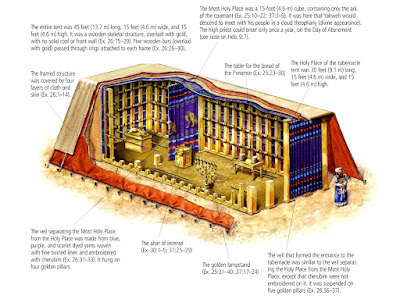
The Tabernacle had specific parts made with care. It was built following God’s instructions.
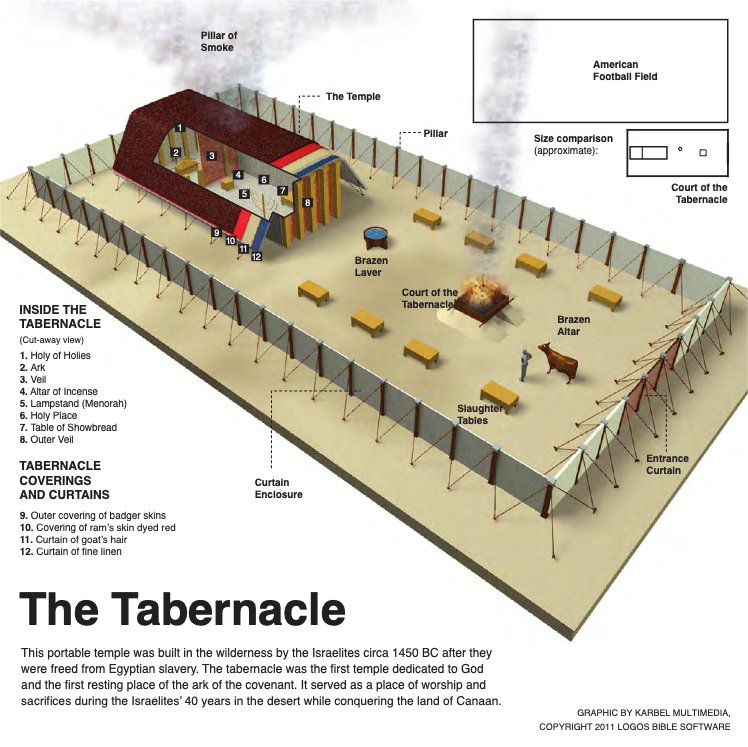
- The outer courtyard was made with curtains and poles.
- Inside was the Holy Place with the lampstand, table, and altar of incense.
- The Most Holy Place held the Ark of the Covenant.
- The Ark was covered by the mercy seat with two cherubim.
- Materials included gold, silver, bronze, fine linen, and acacia wood.
Symbolism And Significance
The Tabernacle showed God’s presence with His people. Each part had meaning.
| Part | Symbolism |
| Ark of the Covenant | God’s throne on earth |
| Lampstand | Light of God guiding His people |
| Table of Showbread | God’s provision and fellowship |
| Altar of Incense | Prayer and worship rising to God |
| Holy of Holies | God’s holiness and separation |
Comparing The Two Structures
The Tabernacle and the Tent of Meeting are important in ancient history. They served as places of worship and guidance for the Israelites. While they may seem similar, they have differences.
This article will explore the physical differences and terminology used for each. Understanding these aspects will help us compare the two structures effectively.
Physical Differences
The Tabernacle and the Tent of Meeting had distinct physical attributes. These differences played a role in their respective purposes and uses.
- The Tabernacle was a more permanent structure.
- The Tent of Meeting was a simpler, movable tent.
- Materials used for the Tabernacle were more elaborate.
- The Tent of Meeting had a basic design.
Terminology And Usage
The names “Tabernacle” and “Tent of Meeting” were often used interchangeably, but they had specific meanings. Knowing the terminology helps clarify their uses.
| Term | Usage |
| Tabernacle | Central worship location |
| Tent of Meeting | Place for divine communication |

Credit: www.coffeeandabible.com
Roles In Worship And Community
The Tabernacle and the Tent of Meeting were central places for worship in ancient Israel. They served as places where God met with His people. Both had important roles in guiding the community’s spiritual life.
Though they are sometimes seen as the same, the Tabernacle and the Tent of Meeting had distinct roles. Understanding these roles helps explain how worship and community life worked.
Priestly Duties
The priests performed sacred duties inside the Tabernacle. They offered sacrifices and burned incense. These acts helped the people connect with God.
The Tent of Meeting was the place where priests met with God. Here, they received instructions and guidance. It was a holy space for worship and prayer.
- Offer daily sacrifices
- Maintain the holy objects
- Lead prayers and rituals
- Consult God for guidance
Gathering Of The Israelites
The Tent of Meeting was a place for all Israelites to gather. It served as a meeting point where people sought God’s presence. Leaders also met here to discuss community matters.
The Tabernacle was a more permanent structure for worship. It held the Ark of the Covenant and was a symbol of God’s presence. The community came here for major festivals and important events.
- Meet for prayer and worship
- Receive God’s laws and commands
- Celebrate religious festivals
- Discuss community issues
Historical And Theological Insights
The Tabernacle and the Tent of Meeting are important in the Bible. Both relate to how God met with people. Many wonder if they are the same or different.
Understanding their history helps explain their meaning in religion and worship. The two terms appear in the Old Testament, especially in the books of Exodus and Leviticus.
Scholarly Perspectives
Scholars often see the Tabernacle and the Tent of Meeting as closely linked but not always identical. The Tent of Meeting sometimes means the place where Moses met God.
The Tabernacle refers to the whole portable sanctuary used by the Israelites in the desert. It had a specific design with an outer courtyard and inner chambers.
- The Tent of Meeting is the meeting place for Moses and God.
- The Tabernacle is the larger structure for worship and sacrifices.
- Some texts use the names interchangeably.
- Other texts show the Tent inside or as part of the Tabernacle.
Impact On Later Traditions
The ideas of the Tabernacle and Tent of Meeting influenced later religious practices. They shaped how worship spaces were designed in Judaism and Christianity.
These structures symbolized God’s presence with people. This theme appears in later temples and church designs as a sacred meeting place.
- Jewish synagogues reflect the idea of a sacred meeting space.
- Christian churches see the Tabernacle as a symbol of God’s presence.
- Both inspire the idea of a holy place for prayer and worship.
Credit: www.refreshinghope.org
Frequently Asked Questions
What Is The Tabernacle In Biblical Terms?
The Tabernacle was a portable sanctuary used by the Israelites during their desert journey. It housed the Ark of the Covenant and was the center for worship and sacrifices.
How Does The Tent Of Meeting Differ From The Tabernacle?
The Tent of Meeting was a specific area within or associated with the Tabernacle where Moses met God. It served as a communication point between God and the people.
Are The Tabernacle And Tent Of Meeting The Same Structure?
No, the Tabernacle is the entire sanctuary complex, while the Tent of Meeting is a part of it designated for divine encounters.
Why Is The Tent Of Meeting Important In The Tabernacle?
The Tent of Meeting was crucial because it was the sacred space where God communicated directly with Moses and the Israelites.
Conclusion
The Tabernacle and the Tent of Meeting share many similarities. Both served as sacred places for God’s presence among His people. Yet, they had different functions and designs. The Tent of Meeting was a smaller, simpler place for Moses to speak with God.
The Tabernacle was larger and more detailed, used by all Israelites for worship. Understanding these differences helps us see their unique roles in biblical history. Both remind us of God’s desire to be close to His people. Clear distinctions make the story richer and more meaningful.