Have you ever wondered what happens if your car gets stolen? It’s a scary thought, and you might be asking yourself, “Is theft covered in my car insurance?” Knowing the answer can save you from unexpected stress and expenses.
You’ll discover exactly what car insurance covers when it comes to theft, how to protect yourself, and what steps to take if the worst happens. Keep reading to make sure you’re fully prepared and your car – and your wallet – stay safe.
Theft And Car Insurance Basics
Car theft is a common worry for many drivers. Understanding how car insurance covers theft helps you protect your vehicle. This article explains the basics of theft coverage in car insurance.
Knowing what types of coverage exist and how theft coverage works can help you choose the right insurance for your needs.
Types Of Car Insurance Coverage
Car insurance has different types of coverage. Each type protects you from certain risks. Here are the main types:
- Liability coverage: pays for damage or injury you cause to others.
- Collision coverage: covers damage to your car from a crash.
- Comprehensive coverage: protects against theft, fire, and other non-collision damage.
- Personal injury protection: pays for medical costs after an accident.
- Uninsured motorist coverage: helps if an uninsured driver hits you.
How Theft Coverage Works
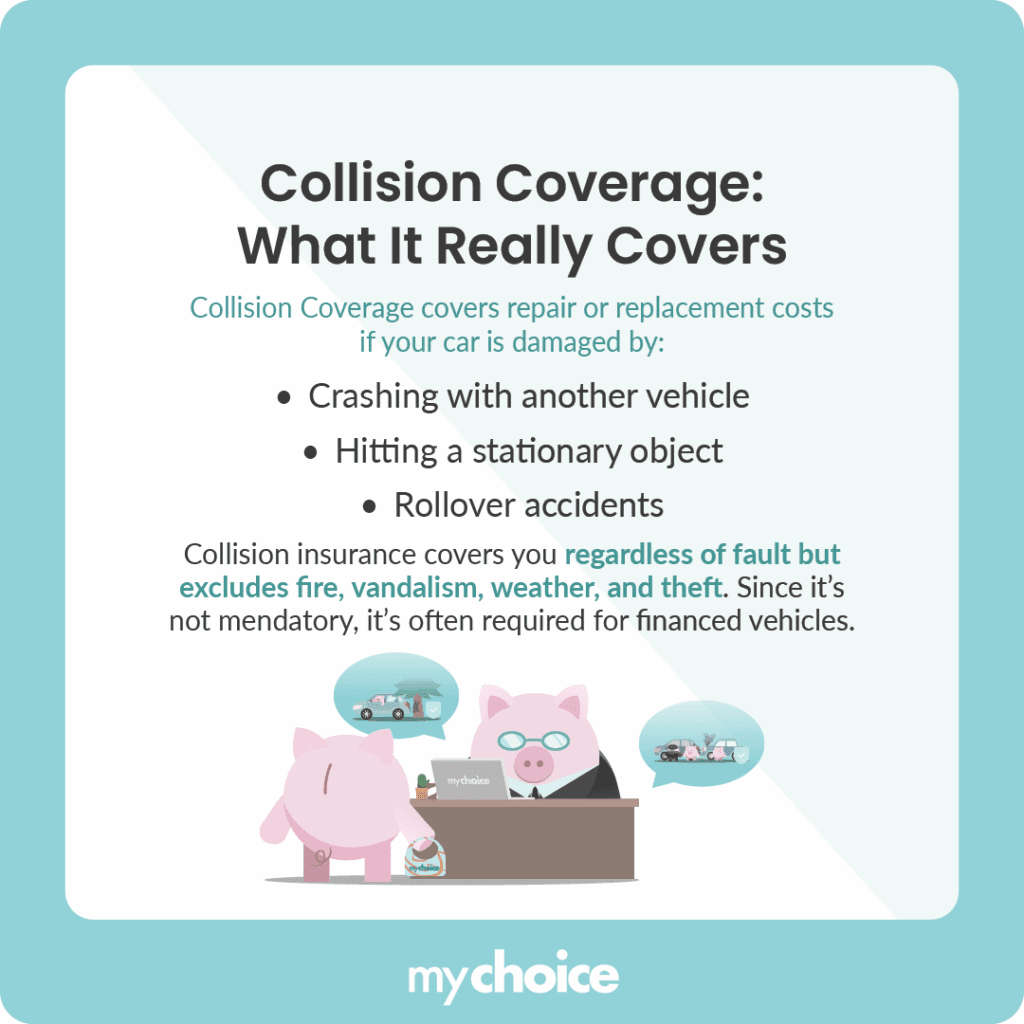
Theft coverage is part of comprehensive insurance. It helps pay if your car is stolen or damaged in a theft attempt. This coverage also protects against stolen parts or vandalism.
| What Theft Coverage Pays For | Examples |
| Stolen vehicle | Car taken from your driveway |
| Stolen parts | Wheels or airbags removed |
| Vandalism | Damage from break-in attempts |
| Fire or natural disasters | Fire damage linked to theft attempt |
To use theft coverage, you must file a police report. Your insurer will then assess the claim. Deductibles apply, so you pay part of the cost before insurance pays.
What Theft Coverage Includes
Car insurance theft coverage protects you if your vehicle is stolen. It also covers damage from theft attempts.
Understanding what theft coverage includes helps you know what to expect from your policy.
Stolen Vehicle Protection
This coverage pays for your car if it is stolen and not recovered. It may also cover a rental car while you wait for a replacement.
Usually, the insurer pays the car’s actual cash value. This amount considers depreciation and condition before theft.
Damage From Theft Attempts
Theft coverage often pays to fix damage caused by thieves. This includes broken windows or locks.
- Broken door or window glass
- Damaged ignition or steering wheel
- Forced entry marks on the car
- Damaged locks or security systems
Personal Belongings In The Car
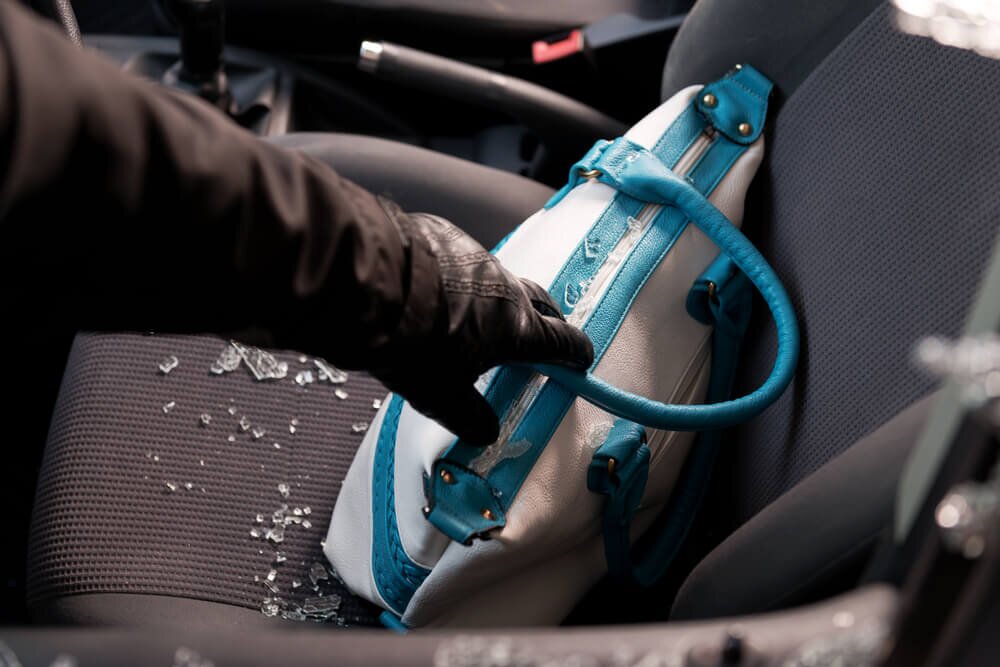
Standard car insurance usually does not cover personal items stolen from your vehicle. You may need separate coverage for this.
| Item | Coverage Type | Notes |
| Laptop | Homeowner’s or Renter’s Insurance | Usually covered under personal property |
| Clothes | Homeowner’s or Renter’s Insurance | Covered if policy includes theft protection |
| Car Stereo | Car Insurance Optional Coverage | May require added endorsement |
| Cash | Usually Not Covered | Most policies exclude cash theft |
Factors Affecting Theft Coverage
Theft coverage in car insurance depends on several key factors. These factors influence how much protection you get and what costs you may face.
Understanding these factors helps you choose the right coverage and avoid surprises if your vehicle is stolen.
Policy Limits And Deductibles
Policy limits are the maximum amount your insurance will pay for theft. Deductibles are what you pay before insurance pays the rest.
- A higher deductible usually lowers your premium but increases your out-of-pocket cost if stolen.
- Policy limits vary by insurer and plan, so check what maximum theft payout you have.
- Some policies cover the full value of your car, others pay only a portion after depreciation.
Geographical Impact
The location where you park your car affects theft coverage and risk. Some areas have higher theft rates than others.
| Area Type | Theft Risk | Impact on Premium |
| Urban | High | Higher premiums |
| Suburban | Medium | Moderate premiums |
| Rural | Low | Lower premiums |
Vehicle Security Features
Cars with better security features are less likely to be stolen. Insurers often reward these features with lower premiums.
- Alarm systems that alert owners or police
- Immobilizers that prevent the engine from starting
- GPS tracking devices for quick recovery
- Steering wheel locks or other physical deterrents

Credit: www.youtube.com
Filing A Theft Claim
Car theft is a serious problem that many drivers face. Knowing how to file a theft claim helps you recover faster.
This guide explains what to do after your car is stolen and how insurance covers the loss.
Steps To Take After Theft
First, report the theft to the police. You need a police report to file your claim.
Next, contact your insurance company as soon as possible. They will guide you through the claim process.
- Call the police and get a report number
- Notify your insurance company quickly
- Provide details about the theft and any witnesses
- Keep copies of all documents and communication
Required Documentation
You must submit certain documents to your insurer. These prove your loss and speed up your claim.
Common documents include your police report, car registration, and proof of ownership.
- Police report with case number
- Vehicle registration and title
- Insurance policy details
- Photos of the car (if available)
- Any receipts for recent repairs or upgrades
Claim Processing Timeline
After filing, your insurer reviews the claim. This can take days or weeks depending on the case.
You may get updates during the process. Stay in touch with your insurance adjuster for progress.
- Initial claim review within a few days
- Investigation and verification can take 1-3 weeks
- Final decision and payout after claim approval
- Delays may occur if more information is needed
Preventing Car Theft
Car theft can cause big problems and costs. Taking steps to protect your vehicle is very important.
Using security devices and smart parking choices can lower the risk. Some insurance companies reward these actions with discounts.
Security Devices And Alarms
Security devices help stop thieves from stealing your car. Alarms alert you and others if someone tries to break in.
- Install a car alarm system that sounds loudly.
- Use steering wheel locks to block the wheel.
- Consider GPS tracking devices to find your car if stolen.
- Lock all doors and close windows when leaving the vehicle.
Parking Tips
Where you park your car can make a big difference. Choose safe spots to reduce theft chances.
- Park in well-lit areas at night.
- Use parking lots with security cameras or attendants.
- Avoid leaving your car in isolated or dark places.
- Park close to building entrances or busy streets.
Insurance Discounts For Security Measures
Many insurance companies offer discounts if you use security devices or follow safety tips.
| Security Measure | Possible Discount | Notes |
| Car Alarm System | 5% – 10% | Must be professionally installed |
| Steering Wheel Lock | 3% – 7% | Proof of use required |
| GPS Tracking Device | 10% – 15% | Helps recover stolen vehicles |
| Safe Parking | Varies | Evidence of parking habits needed |
Credit: www.lowestrates.ca
When Theft Is Not Covered
Car insurance usually covers theft, but some cases are exceptions. Knowing when theft is not covered can save you from surprise costs.
Insurance policies have specific rules and limits. You must understand these rules to know if your claim will be accepted.
Excluded Scenarios
Theft is often not covered in certain situations. These scenarios depend on the policy details and how the theft occurred.
- Theft by a family member living with you
- Theft from an unlocked vehicle
- Theft of parts or accessories not listed in the policy
- Theft during a natural disaster if not included in coverage
- Theft caused by the insured person or with their permission
Policy Limitations
Some car insurance policies have limits on theft coverage. These limits affect how much you can claim after a theft.
| Policy Feature | Details |
| Maximum Payout | Set limit on amount paid for theft claims |
| Coverage Period | Theft must occur during active policy dates |
| Geographical Limits | Theft outside covered areas may not be compensated |
| Type of Theft | Some policies cover only full vehicle theft, not parts |
Impact Of Negligence
Insurance may not pay if you are careless. Negligence can void theft coverage.
- Leaving keys inside the car
- Failing to lock doors and windows
- Ignoring warnings about unsafe parking areas
- Not reporting theft promptly to the police and insurer

Credit: www.youtube.com
Frequently Asked Questions
Does Car Insurance Cover Theft By Default?
Most comprehensive car insurance policies cover theft by default. However, basic or third-party policies usually exclude theft coverage. Always check your policy details to confirm if theft protection is included. Adding comprehensive coverage ensures your vehicle is protected against theft and related damages.
What Types Of Theft Does Car Insurance Cover?
Car insurance typically covers vehicle theft, attempted theft, and stolen parts. It may also cover damages caused during theft attempts. Coverage varies by policy, so review your terms carefully to understand the full scope of theft protection offered by your insurer.
How Do I File A Theft Claim On My Car Insurance?
Immediately report the theft to the police and obtain a report. Next, contact your insurance company with all necessary documents. Provide details like the police report, vehicle information, and any evidence. Prompt reporting speeds up claim processing and increases claim approval chances.
Does Car Insurance Cover Theft Of Personal Items Inside?
Standard car insurance usually does not cover personal belongings stolen from inside the vehicle. Separate personal property insurance or homeowner’s insurance may cover these items. Check your policies to understand what personal property protections you have related to vehicle theft.
Conclusion
Car insurance often covers theft, but policies differ. Always read your policy details. Understand what is covered and what is not. Consider comprehensive coverage for theft protection. It provides peace of mind. Discuss with your insurer. Ask questions. Know your deductible and claim process.
Be proactive in protecting your car. Install anti-theft devices. Park in secure areas. These steps can help reduce risks. Stay informed about policy updates. Protect your investment wisely. Insurance helps recover losses, but prevention is key. Stay vigilant and informed.
Your car’s safety depends on it.