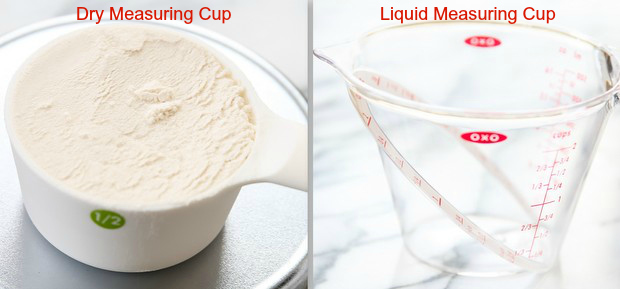
Have you ever grabbed a measuring cup and wondered if it really matters whether it’s for dry ingredients or liquids? You might think all measuring cups work the same, but using the wrong one could change your recipe’s outcome.
Understanding the difference between dry measuring cups and liquid measuring cups can save you time, prevent mistakes, and make your cooking or baking much easier. Keep reading to discover why choosing the right cup matters and how it can improve your kitchen results every time.
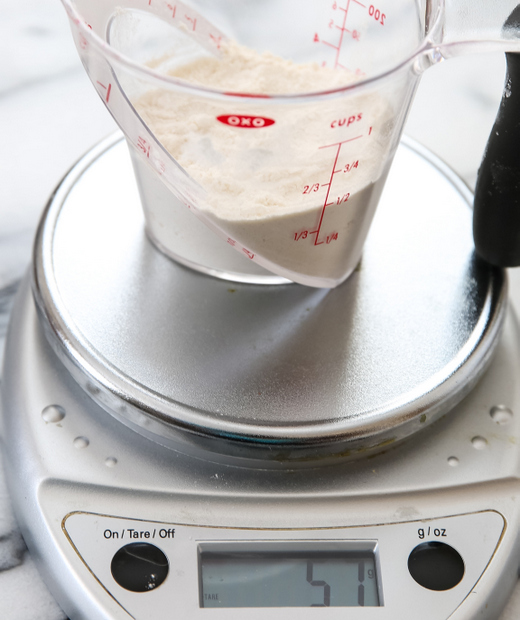
Credit: kirbiecravings.com
Dry Vs Liquid Measuring Cups
Measuring cups help us cook and bake well. There are two main types: dry and liquid measuring cups.
Each type works better for certain ingredients. Knowing the difference helps get the right amount every time.
Material Differences
Dry measuring cups are often made of metal or plastic. They hold their shape well for scooping dry ingredients.
Liquid measuring cups are usually glass or clear plastic. This lets you see the liquid level from the side.
- Dry cups: metal or plastic, solid and sturdy
- Liquid cups: glass or clear plastic, see-through
Design And Shape
Dry cups are shaped like small buckets with flat tops. They allow you to level off ingredients easily.
Liquid cups have a spout for pouring. Their tall and open shape helps prevent spills.
- Dry cups: bucket shape, flat top for leveling
- Liquid cups: tall with pouring spout
Measurement Accuracy
Dry cups measure solid ingredients by volume. You scoop and level to get an accurate amount.
Liquid cups let you see the exact level at eye height. This reduces errors with pouring liquids.
- Dry cups: scoop and level solids for accuracy
- Liquid cups: read liquid level at eye level
When To Use Dry Measuring Cups
Dry measuring cups are best for measuring solid ingredients. They help you get the right amount of dry goods like flour and sugar.
Using dry cups ensures you do not add too much or too little. They are not meant for liquids.
Measuring Flour And Sugar
Dry measuring cups work well for flour and sugar. These ingredients need to be leveled off for accuracy.
Fill the cup and use a flat edge to remove extra flour or sugar. This stops you from adding too much.
Measuring Small Quantities
Dry measuring cups come in small sizes. Use them for things like baking powder or spices.
Small cups let you measure accurately without guessing or spilling.
Avoiding Compaction Errors
Dry ingredients can pack down if you scoop too hard. This changes the amount you add.
Use a light touch and spoon flour into the cup. Then level it off to avoid compacting the ingredient.
When To Use Liquid Measuring Cups
Liquid measuring cups are designed for measuring wet ingredients like water, milk, and oils. They help you get accurate amounts without making a mess.
Using the right measuring cup ensures your recipe turns out well. It also saves time and prevents waste.
Measuring Water And Oils
Liquid measuring cups usually have a spout for easy pouring. They are made of clear glass or plastic with measurement marks on the side.
- Use liquid cups for any ingredient that flows like water or oils.
- They allow you to measure odd amounts such as 1/3 cup or 2/5 cup.
- Dry cups are not good for liquids because they can spill easily.
Reading Meniscus Level
The meniscus is the curve you see on the liquid’s surface in the cup. To get the right amount, read the level at eye height.
| How to Read Meniscus | Details |
| Look at the liquid edge | Find the lowest point of the curve |
| Hold cup on a flat surface | Place it on the counter to avoid errors |
| Keep eyes at cup level | Do not look from above or below |
Pouring And Spillage Prevention
Liquid cups have a spout to help pour liquids without spilling. You can avoid messes by following a few simple tips.
Tips to Pour Liquids Safely:
- Hold the cup steady with one hand
- Pour slowly and close to the target container
- Use a funnel for small openings
- Clean spills immediately to prevent slipping
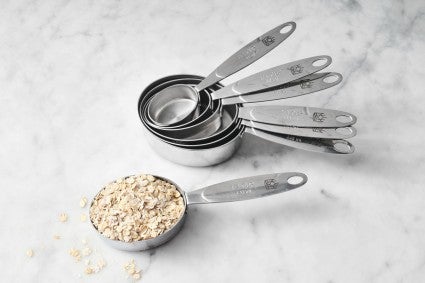
Credit: www.kingarthurbaking.com
Common Mistakes To Avoid
Using the right measuring cups is important in cooking and baking. Mixing dry and liquid measuring cups can cause errors. These mistakes affect the recipe’s outcome.
Below are common mistakes people make with dry and liquid measuring cups. Learn how to avoid them to get accurate measurements every time.
Using Dry Cups For Liquids
Dry measuring cups are meant for solid ingredients like flour or sugar. Using them for liquids can lead to spills and wrong amounts. Dry cups fill to the top and need to be leveled off, which is hard with liquids.
- Spilling liquids when filling dry cups
- Not getting an exact measurement due to surface tension
- Misreading the amount because the liquid is above the rim
Using Liquid Cups For Dry Ingredients
Liquid measuring cups have space above the measurement line for easy pouring. Using them for dry ingredients can cause errors. Dry ingredients may not settle evenly, leading to wrong weights.
| Problem | Effect |
| Settling of dry ingredients | Less accurate volume |
| Hard to level off dry ingredients | Over or under measuring |
| Spilling dry ingredients | Mess and waste |
Misreading Measurements
Misreading the marks on measuring cups is a common error. Liquid cups usually have clear lines, but viewing them from the wrong angle can cause mistakes. Dry cups need leveling to get exact amounts.
- Look straight at the measurement line for liquids
- Use a flat surface to level dry ingredients
- Check the measurement twice before adding to the recipe
- Clean cups before measuring to avoid sticking ingredients
Tips For Accurate Measuring
Measuring ingredients correctly is key to good cooking and baking. Using the right tools helps get the best results.
Dry and liquid ingredients need different measuring cups. Knowing how to use them well improves your recipes.
Leveling Dry Ingredients
Fill the dry measuring cup slightly over the top. Use a flat edge to level it off.
Leveling stops extra ingredients from changing the recipe’s balance.
- Use the back of a knife or spatula to level
- Do not shake or tap the cup to settle ingredients
- Measure each ingredient separately for best results
Checking Liquid At Eye Level
Pour liquid into a clear measuring cup. Set it on a flat surface.
Bend down so your eyes are level with the liquid line. This helps avoid over or under measuring.
- Look for the bottom of the liquid curve (meniscus)
- Use cups with clear markings for easy reading
- Check measurements twice for accuracy
Choosing The Right Tool
Use dry measuring cups for flour, sugar, and powders. Use liquid measuring cups for water, milk, and oils.
Dry cups are meant to be filled and leveled. Liquid cups have space to prevent spills.
- Dry cups are usually made of plastic or metal
- Liquid cups have a spout for pouring
- Use measuring spoons for small amounts of both types
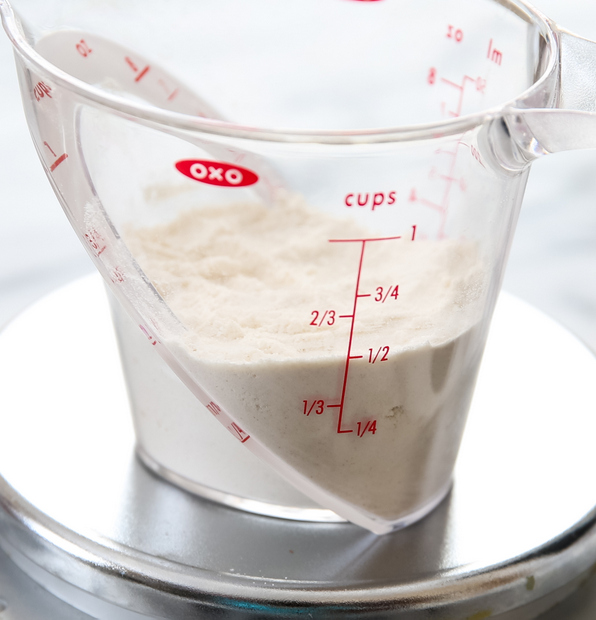
Credit: kirbiecravings.com
Specialty Measuring Tools
Measuring ingredients correctly is important for cooking and baking. Different tools help measure dry and liquid items more accurately.
Specialty measuring tools make the process easier. They help avoid mistakes and give better results.
Measuring Spoons
Measuring spoons are small tools used to measure tiny amounts of both dry and liquid ingredients. They come in standard sizes like teaspoons and tablespoons.
They are usually made of metal or plastic. Measuring spoons give precise measurements for spices, baking powder, or vanilla extract.
- Common sizes: 1/4 tsp, 1/2 tsp, 1 tsp, 1 tbsp
- Use level spoons for dry ingredients
- Use spoons with a handle for liquids
Flexible Cups
Flexible cups are made of silicone or soft plastic. They bend easily, making it simple to pour ingredients without spilling.
These cups work well for sticky ingredients like honey or syrup. Their flexibility helps remove every drop from the cup.
- Easy to clean and store
- Good for both dry and liquid ingredients
- Often have clear measurement marks
Digital Scales
Digital scales measure weight instead of volume. They give very accurate results, especially for dry ingredients.
Using a scale avoids guesswork. You can weigh flour, sugar, or nuts quickly and easily.
- Measures in grams, ounces, and pounds
- Useful for complex recipes
- Helps control portion sizes
Frequently Asked Questions
What Are Dry Measuring Cups Used For?
Dry measuring cups are used for ingredients like flour, sugar, and oats. They ensure precise measurements by allowing you to level off excess. These cups are essential for baking, where accurate measurements are crucial. Using them helps maintain consistency in your recipes, giving you the best results every time.
Can You Use Liquid Measuring Cups For Dry Ingredients?
While possible, it’s not recommended to use liquid cups for dry ingredients. Liquid measuring cups are designed for volume, not weight. This can lead to inaccurate measurements. Using the correct type of measuring cup ensures precision, especially in baking. Always use dry measuring cups for dry ingredients to achieve the best results.
Why Are Liquid Measuring Cups Transparent?
Liquid measuring cups are transparent to easily view the liquid level. This design helps ensure accurate measurements by allowing you to see the meniscus. This transparency aids in avoiding over-pouring, which can affect recipe outcomes. Using transparent cups helps achieve precise measurements and consistent results in cooking and baking.
How Do You Measure Liquids Accurately?
To measure liquids accurately, use a liquid measuring cup. Pour the liquid to the desired line. Ensure the cup is on a flat surface and view at eye level. This helps avoid errors caused by looking at an angle. Accurate liquid measurement is crucial for achieving the intended flavor and texture in recipes.
Conclusion
Dry and liquid measuring cups serve different purposes in the kitchen. Dry cups measure solid ingredients like flour or sugar. Liquid cups show measurements on the side and help with liquids like water or milk. Using the right cup helps recipes turn out better.
It keeps your cooking accurate and consistent. Simple tools, but important for good results. Choose the correct cup to avoid mistakes. Cooking becomes easier and more enjoyable this way.